Authentic Viking Smokkr Reconstruction Guide 2026: Fabrics & Brooches
The Evolution of Norse Reenactment in 2026
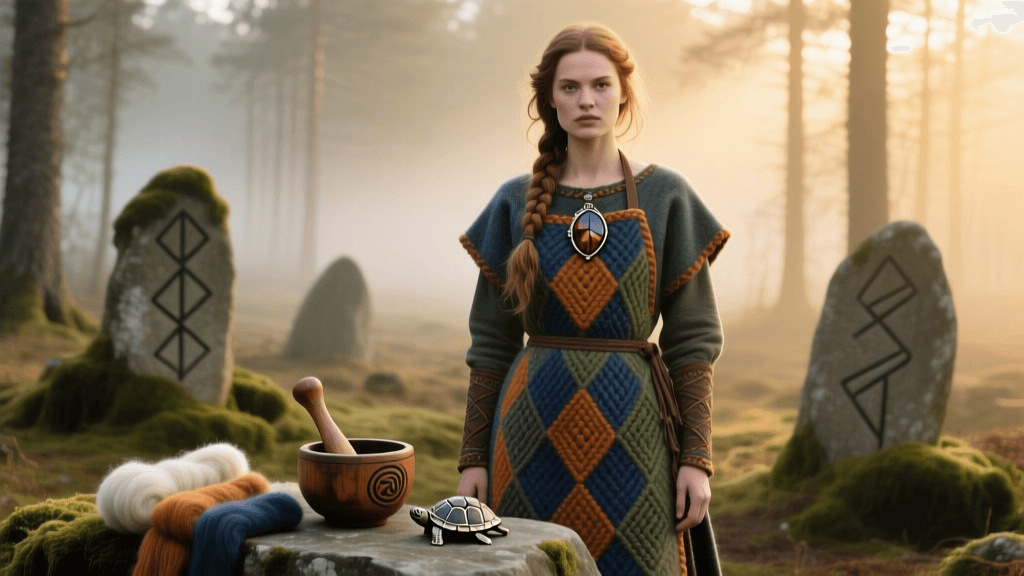
The landscape of historical reenactment and traditional garment revival has evolved significantly by 2026. No longer satisfied with cheap cotton blends, machine-embroidered trim, and fantasy-inspired silhouettes, modern Norse and Viking enthusiasts demand rigorous archaeological accuracy. At the center of this movement is the smokkr, often referred to as the Viking apron dress or hangerock. According to the National Museum of Denmark, the archaeological evidence from sites like Hedeby and Køge provides a fragmented but fascinating blueprint of Norse women's clothing. In 2026, reconstructing the smokkr is not just about sewing a garment; it is an exercise in experimental archaeology, requiring a deep understanding of heritage sheep breeds, historical weaving structures, and authentic metallurgy.
Sourcing Authentic Diamond Twill Wool
The hallmark of high-status Viking women's clothing was the diamond twill weave. This complex weave structure creates a durable, water-resistant, and visually striking fabric that drapes beautifully. In 2026, sourcing authentic diamond twill wool requires navigating a highly specialized niche market of heritage weavers and textile mills. Commercial wool flannels simply do not possess the correct thread count, drape, or historical validity. Reenactors now prioritize wool from heritage breeds such as the Old Norwegian Sheep (Spælsau), Gotland, and Shetland. These breeds produce a dual-coated fleece, allowing weavers to separate the long, water-resistant outer coat (tog) from the soft, insulating underwool (thel). For an accurate smokkr, the warp is typically spun tightly from the outer coat for strength, while the weft uses the softer underwool to create a fulled, warm finish.
2026 Diamond Twill Supplier Comparison
As demand for historical accuracy has surged, specialized mills have adapted their offerings. Below is a comparison of the top suppliers for authentic diamond twill wool available to reenactors in 2026:
| Supplier Name | Breed/Blend | Weave Density | 2026 Price (USD/m) | Lead Time |
|---|---|---|---|---|
| Nordic Heritage Weavers | 100% Spælsau | 12/10 threads/cm | $145 | 8 weeks |
| Baltic Textile Revival | Gotland/Wensleydale | 14/12 threads/cm | $110 | 4 weeks |
| Shetland Woolen Mills | Native Shetland | 10/10 threads/cm | $85 | 2 weeks |
| Historic Threads Co-op | Icelandic (Tog/Thel) | 11/11 threads/cm | $130 | 6 weeks |
Note: Prices reflect early 2026 market rates for undyed, fulled yardage. Custom dyeing incurs additional costs.
Natural Dyeing: Achieving Historical Hues
Achieving the correct color palette is just as critical as the weave. The synthetic aniline dyes of the late 19th and 20th centuries have been entirely banished from high-level 2026 reenactment circles. Instead, artisans rely on botanical dyes that were available in Scandinavia and the broader Norse trading network during the Viking Age. Madder root (Rubia tinctorum) yields rich reds and oranges, woad (Isatis tinctoria) provides authentic blues, and weld or onion skins produce vibrant yellows.
Mordanting Safely in 2026
The mordanting process—the chemical fixation of the dye to the wool fiber—has seen a major shift in 2026. Due to modern environmental regulations and a desire for historical purity, the community has largely abandoned toxic heavy metal mordants like chrome and tin. Instead, dyers utilize alum (potassium aluminum sulfate) combined with tannin-rich bark extracts from oak and birch, a methodology extensively documented by the Textile Research Centre Leiden. This eco-conscious approach not only protects local waterways but also produces the slightly muted, organic hues characteristic of surviving archaeological textiles.
Tortoise Brooches: Casting and Sourcing
No smokkr is complete without its defining hardware: the oval or 'tortoise' brooches. These intricate cast bronze or silver jewels were used to suspend the dress from the shoulder straps. In 2026, the replication of these brooches has been revolutionized by non-invasive 3D scanning technology. Artisans can now access high-resolution photogrammetry and laser scans of original artifacts from museum archives, allowing them to create exact silicone molds without ever physically touching the fragile, corroded originals.
When sourcing brooches in 2026, buyers must look for specific historical accuracies:
- Lost-Wax Casting: Ensures the intricate knotwork and beast motifs are sharp and historically accurate in high-tin bronze.
- Pin Mechanism: Must feature a distinct hinge and catch-plate mechanism on the reverse, rather than a modern pin-back solder.
- Surface Finishing: High-status replicas should utilize traditional fire-gilding or silver-plating techniques, avoiding modern electroplating which looks overly bright and artificial.
Avoid mass-produced, hollow-backed pewter castings, which lack the correct weight, drape, and historical integrity required for a proper smokkr suspension.
The Serk (Underdress) and Layering
Before the wool smokkr can be worn, the foundation layer must be addressed. The serk, or underdress, was typically made of linen or fine, lightweight wool. In 2026, sourcing historically accurate linen means avoiding modern bleached, uniform flax. Artisans now seek out 'retted' linen that retains a natural, slightly slubby texture, often woven in a simple tabby structure. The neckline of the serk frequently featured a keyhole slit fastened with a small, cast bronze penannular brooch or a simple linen drawstring. Layering the unbleached or lightly woad-dyed linen serk beneath the diamond twill smokkr not only provides historical visual contrast but also serves a practical purpose, wicking moisture away from the body during active reenactment events or long hours at the loom.
Construction, Seams, and Tablet Weaving
The construction of the smokkr relies on geometric pattern cutting to minimize fabric waste, a necessity in the labor-intensive textile economy of the Viking Age. The most common 2026 reconstruction models utilize a simple rectangular or slightly gored panel structure. However, the true mark of an authentic garment lies in the seam finishing. Raw edges are never left exposed. Instead, reenactors employ tubular seam finishes, flat-felled seams, and the iconic herringbone stitch to secure hems and appliques.
Furthermore, the integration of tablet-woven borders has become a standard expectation for premium garments. In 2026, the most dedicated weavers use hand-spun, single-ply wool yarn for their tablet weaving, recognizing that modern multi-ply commercial yarns lack the distinct 'spin' direction and structural elasticity required to replicate the narrow bands found in Birka and Oseberg.
Accessories and Daily Tools
The Viking woman's silhouette was further defined by the tools and accessories suspended from her brooches or belt. In 2026, the inclusion of a historically accurate chatelaine is considered essential for a complete kit. This typically includes a woven band, a replica iron or bronze chatelaine ring, and functional replicas of daily tools such as a weaving sword, a needle case carved from bone or antler, and a pair of iron shears. Sourcing these items requires collaboration with specialized blacksmiths and bone carvers who utilize traditional forge-welding and hand-carving techniques. The bead strings draped between the tortoise brooches have also seen a shift; rather than using uniform, mass-produced glass beads, reenactors now commission lampwork glass artisans to recreate the specific melon, segmented, and millefiori bead styles found in Scandinavian grave goods, ensuring the color palette matches the natural dyes of the garments.
Conclusion
Reconstructing the Viking smokkr in 2026 is a rewarding pursuit that bridges the gap between ancient craftsmanship and modern dedication. By investing in heritage diamond twill wools, mastering natural botanical dyes, and commissioning historically accurate tortoise brooches, today's enthusiasts are preserving Norse textile traditions with unprecedented accuracy. Whether you are preparing for a major historical festival or simply seeking a deep connection to European folk dress, the meticulous approach demanded by the 2026 reenactment community ensures that the legacy of the Viking Age weavers and metalworkers continues to thrive.