Best Ukrainian Vyshyvanka 2026: Regional Motifs & Sourcing
The Enduring Legacy of the Vyshyvanka in 2026
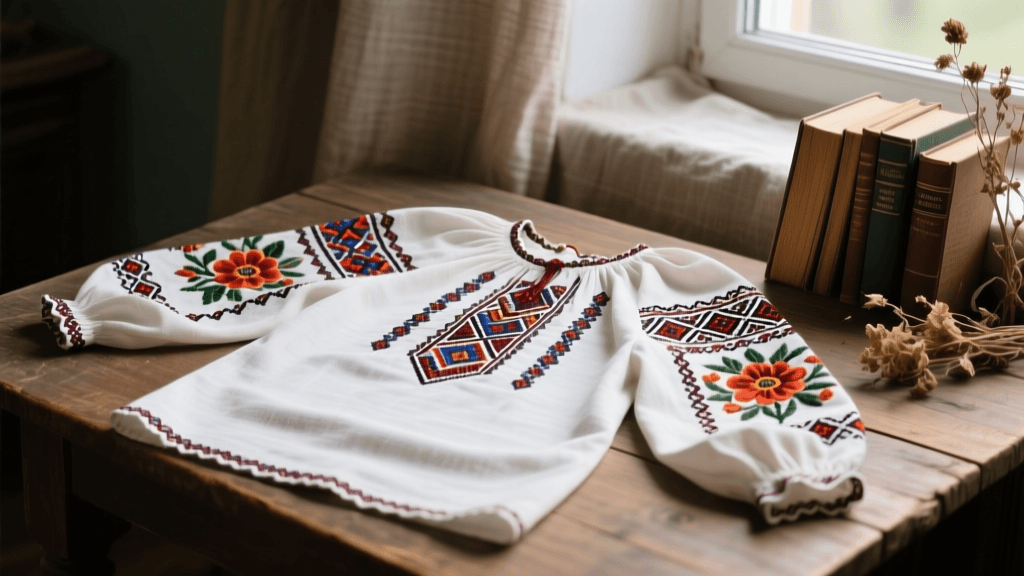
The Ukrainian vyshyvanka stands as one of the most recognizable and culturally profound garments in the Slavic and Eastern European folk dress canon. Far exceeding the boundaries of simple apparel, this embroidered shirt serves as a wearable manuscript, encoding centuries of regional identity, spiritual protection, and familial lineage into every meticulously placed stitch. As we navigate the fashion and cultural landscape of 2026, the vyshyvanka has experienced a monumental revival. Driven by a global consumer pivot toward ethical, slow fashion and a fierce, renewed pride in Eastern European heritage, contemporary artisans and heritage brands are redefining how these garments are produced, sourced, and worn.
Whether you are a textile collector, a cultural historian, or a conscious consumer looking to integrate authentic folk dress into your modern wardrobe, understanding the nuanced regional variations and current market dynamics is essential. According to archives preserved by The Ukrainian Museum's folk art collection, the tradition of decorating linen and hemp garments with protective talismanic symbols dates back to ancient Scythian and Trypillian cultures. However, the structured regional styles we recognize today crystallized during the 18th and 19th centuries. In 2026, the vyshyvanka is no longer reserved solely for national holidays or stage performances; it has seamlessly integrated into contemporary global streetwear, high fashion runways, and everyday professional attire.
Decoding Regional Embroidery Motifs
Ukraine's vast geographic and cultural diversity has given rise to dozens of distinct embroidery styles. The motifs, color palettes, and stitching techniques vary dramatically from the northern forests to the southern steppes and the western Carpathian mountains.
Poltava: The Elegance of White-on-White
The Poltava region is globally celebrated for its sophisticated bil po bilomu (white-on-white) embroidery. This technique relies not on contrasting colors, but on the interplay of light, shadow, and texture. Artisans use complex drawn-thread work, cutwork (lishva), and satin stitching to create intricate geometric and floral patterns. In 2026, Poltava-style shirts remain the pinnacle of formal and bridal folk dress, highly sought after by collectors for their sheer technical difficulty and ethereal beauty.
Bukovyna: Geometric Vibrancy
Located in the southwest, the Bukovyna region showcases a bold, heavily ornamented aesthetic. The embroidery here is characterized by dense geometric patterns, often incorporating vibrant reds, deep blacks, and striking yellows. A unique hallmark of the Bukovynian vyshyvanka is the historical use of metallic threads, glass beads, and even small coins woven into the fabric to catch the light and ward off evil spirits. Modern 2026 interpretations often substitute heavy metallic threads with sustainable, high-sheen mercerized cotton to maintain the visual impact while improving garment drape and comfort.
Hutsulshchyna: The Carpathian Cross-Stitch
The Hutsul people of the Carpathian Mountains have cultivated a highly distinct visual language. Hutsul embroidery is dominated by the cross-stitch technique, featuring vibrant, saturated colors—primarily red, orange, yellow, and green. The motifs are heavily inspired by the natural alpine environment, featuring stylized pine trees, mountain peaks, and the iconic eight-pointed star (ruzha), which symbolizes the sun and cosmic harmony. Researchers at the Harvard Ukrainian Research Institute have extensively documented how these highland textile traditions serve as vital markers of cultural resilience and regional pride.
Kyiv Region: Floral and Geometric Harmony
The central Kyiv region presents a harmonious blend of geometric precision and stylized botanical motifs. The dominant colors are traditionally red and black, representing the duality of life (joy and sorrow, blood and earth). You will frequently encounter stylized oak leaves, hop vines, and viburnum berries (kalyna), which are deeply embedded in Slavic folklore as symbols of strength, beauty, and ancestral connection.
2026 Regional Motif and Sourcing Comparison Chart
| Region | Primary Motif Style | Dominant Colors | Signature Stitch | 2026 Avg. Artisan Price (USD) |
|---|---|---|---|---|
| Poltava | Cutwork, Drawn-thread | White-on-White | Lishva, Shtapivka | $350 - $800+ |
| Bukovyna | Dense Geometric | Red, Black, Yellow, Metallic | Cross-stitch, Beadwork | $250 - $500 |
| Hutsulshchyna | Alpine Nature, Stars | Vibrant Red, Orange, Green | Cross-stitch, Nyzynka | $180 - $400 |
| Kyiv | Stylized Botanicals | Red, Black | Satin Stitch, Zavolikannya | $200 - $450 |
Understanding Traditional Stitching Techniques
To truly appreciate a vyshyvanka in 2026, one must look beyond the surface pattern and examine the structural integrity of the stitches. The most revered traditional techniques include:
- Zavolikannya: A running stitch technique used to create horizontal bands of geometric patterns. The thread 'weaves' over and under a specific number of warp and weft threads, creating a ribbed, textured effect that is highly durable.
- Nyzynka: A surface darning stitch worked from the back of the fabric. The design appears as a negative image on the reverse side, requiring the artisan to calculate the pattern entirely from memory and spatial awareness.
- Lishva (Cutwork): Threads are carefully withdrawn from the linen base, and the remaining threads are bound and woven to create open, lace-like grids. This is the hallmark of the Poltava style and requires immense patience and precision.
How to Source Authentic Vyshyvankas in 2026
The surge in global demand has unfortunately led to an influx of mass-produced, machine-embroidered imitations. Sourcing an authentic, ethically made vyshyvanka requires a discerning eye and an understanding of the current artisan market.
Identifying Handmade vs. Machine-Made
The most reliable way to authenticate a hand-embroidered vyshyvanka is to examine the reverse side of the fabric. Machine embroidery relies on a bobbin thread, which often appears as a flat, uniform layer of white or black polyester that distinctly contrasts with the top thread. Hand embroidery, conversely, utilizes a single continuous thread. While the back of a hand-stitched garment may not be perfectly mirrored to the front (depending on the specific regional stitch), the thread weight, texture, and color will remain consistent throughout. Furthermore, hand-embroidered pieces will feature microscopic variations in thread tension, a hallmark of human craftsmanship that machines cannot replicate.
Navigating Fabric Choices: Heritage Linen vs. Cotton
In 2026, the gold standard for authentic vyshyvankas is heritage, hand-loomed linen. Artisans are increasingly returning to traditional flax processing methods, resulting in fabrics with a heavier weight (typically 180-220 gsm) and a characteristic 'slubby' texture. This unevenness in the yarn is not a defect; it is a prized feature that gives the garment a rustic, organic drape and exceptional breathability. Avoid shirts made from synthetic blends or ultra-smooth, mass-produced cotton batiste if you are seeking a true heritage piece.
Supporting Artisan Cooperatives and Digital Provenance
A major trend in the 2026 slow fashion market is the integration of digital provenance. Many reputable Ukrainian artisan cooperatives and heritage brands now embed NFC (Near Field Communication) tags or provide blockchain-verified certificates of authenticity with their garments. Scanning these tags reveals the name of the artisan, the village of origin, the specific natural dyes used, and a breakdown of fair-trade compensation. Purchasing directly from these verified cooperatives ensures that your investment supports the living wages of rural artisans and the preservation of intangible cultural heritage.
Caring for Your Traditional Garment
An authentic, hand-loomed linen vyshyvanka is an investment piece designed to last for generations, provided it receives proper care. The structural integrity of the embroidery and the natural fibers require a gentle approach.
2026 Care Best Practices: Always hand-wash your vyshyvanka in cold or lukewarm water using a pH-neutral, eco-friendly detergent specifically formulated for natural fibers. Never wring or twist the fabric, as this can distort the drawn-thread cutwork and break the linen fibers.
After washing, gently press out excess water by rolling the garment in a clean, dry towel. Lay the shirt flat to dry away from direct sunlight, which can fade natural botanical dyes over time. When ironing, always turn the garment inside out and place a damp cotton pressing cloth over the embroidery. Use a medium-high steam setting to press the linen while simultaneously protecting the three-dimensional texture of the stitches from being crushed flat. Proper storage involves folding the garment with acid-free tissue paper in a breathable cotton bag, avoiding wire hangers that can stretch the shoulder seams.
Conclusion
The Ukrainian vyshyvanka is a masterclass in textile storytelling, blending profound cultural symbolism with extraordinary technical craftsmanship. As the 2026 market continues to favor sustainability, transparency, and heritage preservation, there has never been a better time to invest in an authentic piece. By understanding the distinct regional motifs, recognizing the hallmarks of hand-loomed linen and traditional stitching, and sourcing directly from ethical artisan cooperatives, you can acquire a garment that is not only a beautiful addition to your wardrobe but a vital piece of living Eastern European history.