2026 Sashiko and Boro Global Sneaker Collaborations
The Renaissance of Japanese Mending in 2026 Footwear
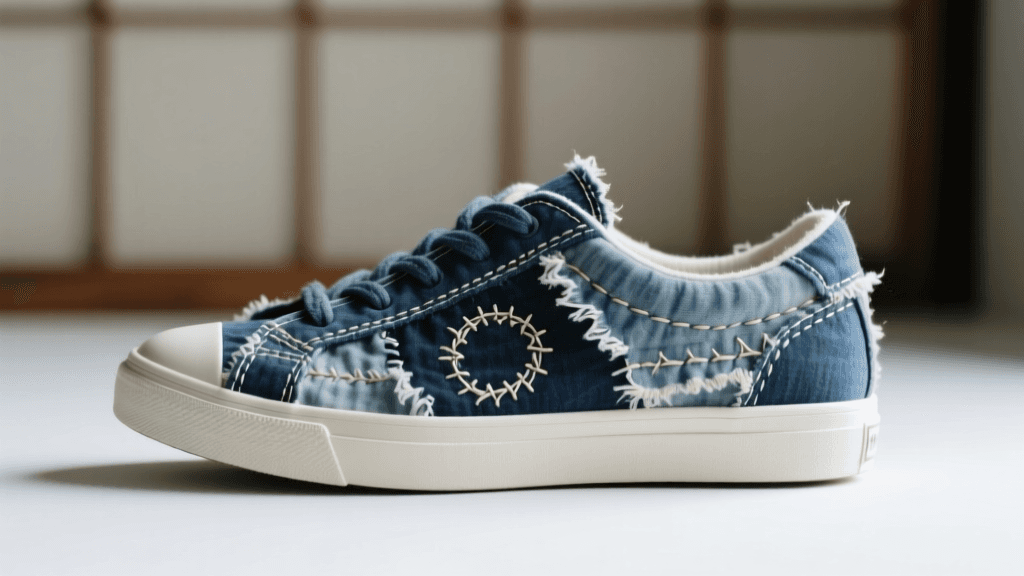
The global footwear and streetwear landscape of 2026 has undergone a radical transformation, pivoting away from mass-produced, trend-chasing silhouettes toward a deep, structural appreciation for heritage craftsmanship. At the forefront of this movement is the integration of traditional Japanese mending techniques—specifically Sashiko and Boro—into high-profile international sneaker collaborations. No longer confined to museum archives or niche vintage markets, these centuries-old textile practices are now dictating the design language of premium global footwear. For designers, collectors, and cultural historians alike, understanding the intersection of Japanese artisanal heritage and modern sneaker culture is essential to navigating the 2026 fashion ecosystem.
In an era where consumers demand transparency, sustainability, and narrative depth, global sportswear giants and luxury fashion houses are moving beyond superficial, laser-printed 'vintage' aesthetics. Instead, 2026's most coveted sneaker releases feature genuine, hand-stitched patchwork and structural reinforcement, bridging the gap between Edo-period necessity and contemporary circular luxury.
Understanding Boro and Sashiko: Beyond the Aesthetic
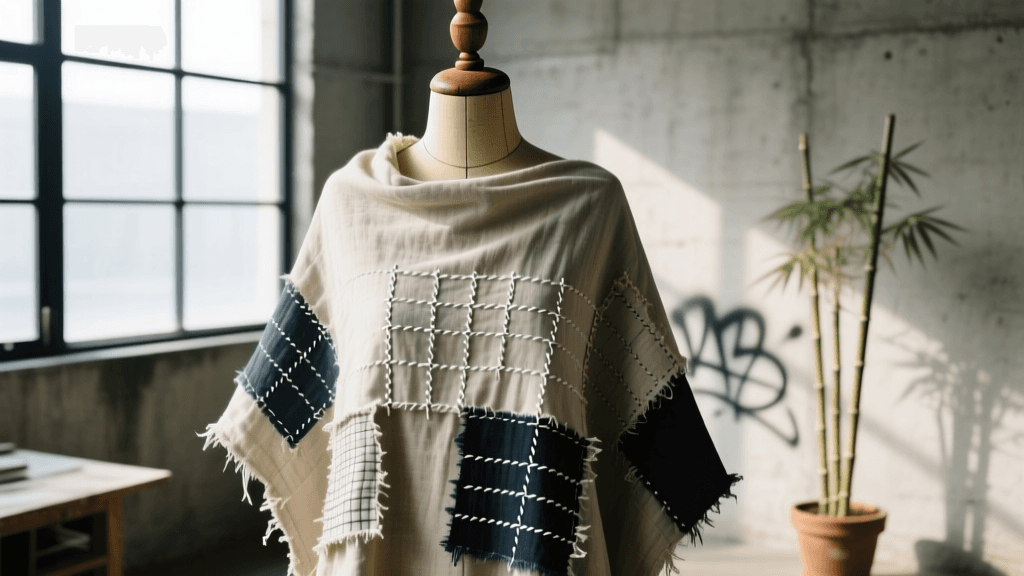
To truly appreciate the 2026 collaboration boom, one must first understand the historical and functional origins of these techniques. Boro, derived from the Japanese term 'boroboro' meaning tattered or repaired, refers to the patchwork mending practices born out of necessity in rural Japan, particularly in the harsh, cotton-scarce climates of Aomori Prefecture during the Edo period. Peasants and fishermen would continuously patch and reinforce their work garments with scrap fabrics, creating multi-generational, heavily textured textiles that embody the philosophy of 'mottainai' (a profound sense of regret concerning waste).
Sashiko, translating to 'little stabs,' is the decorative and functional running stitch used to bind these layers together. Originally designed to trap air for insulation and reinforce stress points on workwear, Sashiko has evolved into a highly disciplined geometric art form. According to the Victoria and Albert Museum's Asian collections archive, these garments were not merely clothing but historical documents, with each patch and stitch mapping the economic and social realities of the wearer's family. In 2026, this profound narrative of resilience and sustainability is exactly what global luxury conglomerates are striving to embed into their products.
Key 2026 Global Collaboration Frameworks
The most successful international sneaker collaborations of 2026 are defined by economic reciprocity rather than mere cultural extraction. Brands are no longer purchasing deadstock Boro from antique dealers; they are establishing direct, profit-sharing partnerships with regional artisan cooperatives in Tohoku and Kyoto. This shift is heavily supported by Japanese governmental initiatives aimed at preserving intangible cultural heritage while fostering international trade.
The Ministry of Economy, Trade and Industry (METI) has actively facilitated cross-border partnerships, ensuring that traditional craft communities receive fair compensation and global visibility. A hallmark of the 2026 collaboration model is the integration of NFC (Near Field Communication) technology within the sneaker's tongue or heel tab. When scanned with a smartphone, the chip reveals the exact artisan who stitched the Boro panel, their biographical data, the origin of the natural indigo (Aizome) dye, and the specific geometric Sashiko pattern utilized—such as 'Asanoha' (hemp leaf) for durability or 'Seigaiha' (ocean waves) for good fortune.
This level of hyper-transparency has redefined luxury. Consumers in 2026 are willing to pay premium prices—often ranging from $450 to $1,200 USD per pair—for footwear that functions as a wearable, traceable piece of cultural history. Furthermore, because authentic hand-stitched Boro cannot be perfectly replicated at scale, brands have embraced 'batch variations,' marketing each sneaker as a 1-of-1 artifact.
Comparison Chart: Authentic Artisan vs. Mass-Market Production
As the demand for heritage aesthetics grows, the market has seen an influx of imitations. Below is a structured comparison to help buyers and designers distinguish between authentic 2026 artisan collaborations and fast-fashion approximations.
| Feature | Authentic Artisan Collaboration (2026) | Mass-Market Imitation |
|---|---|---|
| Stitching Method | Hand-stitched running stitch using 100% matte cotton Sashiko thread; slight irregularities present. | Machine-embroidered or laser-printed patterns; perfectly uniform and synthetic sheen. |
| Material Base | Natural Aizome (indigo) dyed selvedge cotton, 12oz-16oz weight, layered and frayed organically. | Chemically dyed polyester-cotton blends, artificially distressed with pumice stones or acid washes. |
| Cultural Royalties | Direct profit-sharing with regional cooperatives; NFC traceability to the artisan. | No financial contribution to heritage preservation; design appropriated without attribution. |
| Durability | Structurally reinforced; the Sashiko stitch actively increases the tensile strength of the shoe upper. | Purely decorative; added layers may cause premature adhesive failure or peeling. |
| 2026 Retail Price | $450 - $1,200+ USD (Limited batch runs) | $80 - $150 USD (Mass global distribution) |
Actionable Sourcing Guide for Emerging Designers
For independent designers and emerging streetwear labels looking to integrate authentic Japanese textiles into their 2026 footwear or apparel lines, sourcing requires patience, cultural respect, and logistical precision. The Association for the Promotion of Traditional Craft Industries remains the premier gateway for connecting international brands with vetted artisan workshops.
When initiating a collaboration, designers must adhere to specific material and logistical parameters:
- Thread Selection: Utilize authentic Sashiko thread (sizes 20 or 30 for structural overlays on footwear, size 40 for intricate interior linings). Unlike standard embroidery floss, Sashiko thread has a matte finish and a softer twist, allowing it to blend seamlessly with the indigo cotton over time.
- Lead Times: Authentic hand-stitching cannot be rushed. Expect lead times of 4 to 8 months for artisan cooperatives to produce batch runs of 100 to 500 panels. Plan your 2026 seasonal drop calendars accordingly.
- Cost Expectations: Genuine, hand-stitched Boro panels range from $150 to $400 USD per square meter, reflecting the 40+ hours of meticulous labor required to layer, bind, and stitch the fabric. Budgeting must account for these artisanal wages.
- Design Adaptation: Footwear uppers require complex 3D patterning. Designers should work with artisans to create flat Sashiko 'zones' that can be seamlessly integrated into the shoe's quarter panels or mudguards without cutting through the primary structural stitches.
Consumer Guide: Authenticating and Caring for Heritage Footwear
Owning a pair of Sashiko and Boro collaborative sneakers in 2026 is an exercise in garment stewardship. Because these shoes utilize natural indigo and raw cotton, they require specialized care to maintain their structural integrity and aesthetic evolution.
Authentication Tips
Turn the shoe inside out or inspect the interior lining. Authentic Sashiko will show the continuous, unbroken running stitch on the reverse side, with slight variations in stitch length (typically 3mm to 5mm). Machine imitations will feature a bobbin thread on the reverse side, often with a synthetic shine.
Washing and Maintenance
- Never use alkaline detergents: Standard laundry detergents will strip the natural indigo dye and degrade the cotton fibers, leading to premature brittleness.
- Cold Water Only: If spot cleaning is necessary, use water below 20°C and a pH-neutral castile soap. Gently agitate with a soft-bristled brush.
- Avoid Direct Sunlight: Air dry the footwear in a well-ventilated, shaded area. UV light accelerates indigo oxidation, causing uneven fading and weakening the organic cotton threads.
- Embrace the Patina: The beauty of Boro lies in its ongoing evolution. As the indigo rubs off (crocking) and the cotton frays naturally with wear, the sneaker becomes a continuation of the mending philosophy, uniquely mapped to the wearer's lifestyle.
The Future of Japanese Mending in Global Fashion
As the fashion industry faces increasing regulatory and consumer pressure regarding waste and environmental impact, the Japanese philosophies of Boro and Sashiko offer a masterclass in circular design. The 2026 sneaker collaborations are not merely a fleeting trend; they represent a fundamental paradigm shift in how global brands value labor, history, and material longevity. By elevating the 'tattered' to the pinnacle of luxury, these international partnerships ensure that the artisans of Aomori and Kyoto continue to thrive, proving that the most innovative design solutions are often those that have been perfected over centuries.