2026 Sashiko And Boro Luxury Fashion Collaborations Guide
The Renaissance of Japanese Textile Arts in Global Fashion
The global fashion industry in 2026 has moved decisively beyond superficial cultural appropriation, entering an era of deep, equitable, and highly technical cross-cultural partnerships. Today, the most coveted luxury garments are born from direct collaborations between international design houses and traditional Japanese artisans. At the absolute forefront of this movement are the historic textile techniques of Sashiko (decorative reinforcement stitching) and Boro (patchwork mending). Once born of rural necessity and economic hardship in Japan's Edo period, these methods now define the pinnacle of sustainable luxury and international design fusion.
As international conglomerates face stringent 2026 sustainability mandates and a consumer base that demands verifiable provenance, the philosophical underpinnings of Japanese mending have become highly relevant. The concept of mottainai (a sense of regret concerning waste) perfectly aligns with modern circular fashion initiatives. However, the integration of these techniques into Western silhouettes—such as tailored overcoats, structured handbags, and technical streetwear—requires a nuanced understanding of the craft. This guide explores the current landscape of Japanese fashion in international design collaborations, offering actionable advice for collectors, buyers, and enthusiasts navigating the 2026 market.
Historical Context Meets Modern Haute Couture
To understand the value of contemporary collaborations, one must first appreciate the historical weight of the textiles involved. According to The Metropolitan Museum of Art, Japanese textile traditions have long been characterized by an intricate relationship between material scarcity and aesthetic innovation. Historically, cotton and silk were luxuries reserved for the upper classes, leaving rural populations in regions like Tohoku to weave hemp and ramie, reinforcing them with sashiko stitching to survive harsh winters. Over generations, these heavily mended garments became known as boro, transforming from mere survival gear into profound visual records of family lineage.
In 2026, luxury houses in Paris and Milan are no longer simply printing boro-inspired patterns onto mass-produced denim. Instead, they are establishing joint ventures with artisan guilds in Aomori, Yamagata, and Kyoto. These collaborations involve shipping luxury base garments—such as cashmere overcoats or upcycled archival denim—to Japan, where master artisans apply authentic sashiko stitching and boro patchwork by hand. This process not only elevates the garment to a wearable piece of art but also provides vital economic support to aging artisan communities, ensuring the survival of these intangible cultural assets.
2026 Luxury Capsule Collaboration Matrix
The market for Japanese-Western fusion garments has segmented into distinct collaborative frameworks. Below is a comparison of the primary collaboration models defining the 2026 luxury landscape, including pricing expectations and authenticity markers.
| Collaboration Model | Primary Technique | Artisan Region | 2026 Price Range (USD) | Verification Standard |
|---|---|---|---|---|
| Direct Guild Partnership | Authentic Boro Patchwork | Tohoku (Aomori) | $4,500 - $12,000 | METI Traditional Craft Seal |
| Heritage Sportswear Fusion | Sashiko Reinforcement | Kyoto / Okayama | $1,200 - $3,500 | Co-branded Artisan Tags |
| Haute Couture Archival | Kogin-zashi & Shibori | Tsugaru / Kyoto | $8,000 - $25,000+ | Haute Couture Certificate |
| Sustainable Upcycling | Saki-ori (Rag Weaving) | Nagano / Rural Guilds | $800 - $2,200 | Blockchain Provenance NFC |
How to Identify Authentic Artisan Pieces in 2026
As the demand for sashiko and boro aesthetics has surged, the market has inevitably seen an influx of machine-made imitations. Distinguishing between a genuine international artisan collaboration and a factory-produced mimic is a critical skill for the modern collector. In 2026, buyers should rely on a combination of physical inspection and digital verification.
Material and Stitching Analysis
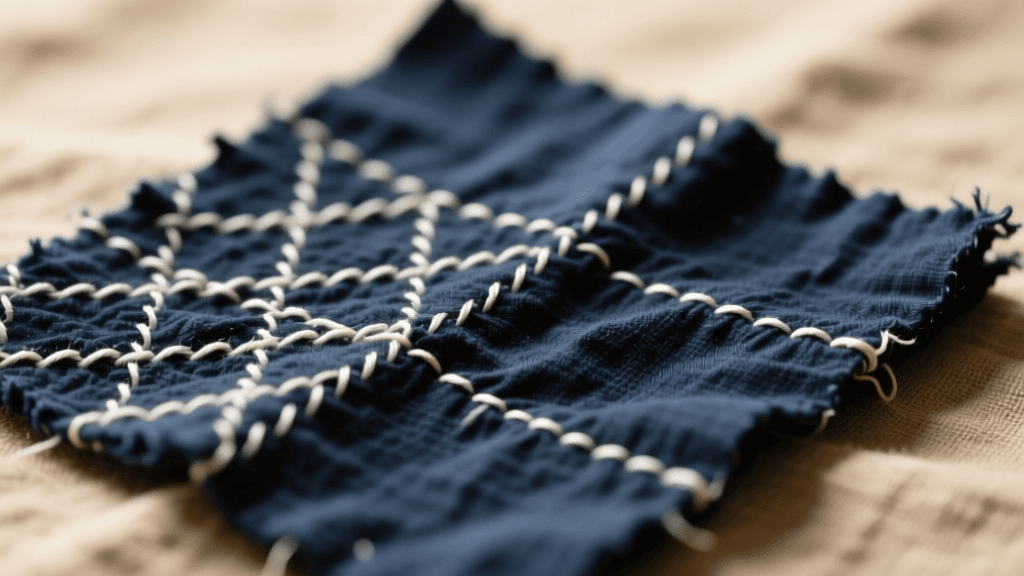
Authentic sashiko relies on the tension of the hand. When examining a collaborative piece, look closely at the running stitches. Machine embroidery produces perfectly uniform stitch lengths and identical tension on both sides of the fabric. Hand-stitched sashiko, however, will exhibit microscopic variations in stitch length and a distinct, rhythmic tension that gives the fabric a three-dimensional, puckered texture. Furthermore, traditional sashiko thread is tightly twisted cotton, designed to bear weight and friction, whereas imitations often use loosely spun polyester blends that lack the same structural integrity and luster.
Verifying Provenance and Certification
The Japanese government actively protects these heritage crafts. The Ministry of Economy, Trade and Industry (METI) designates specific textiles as Traditional Craft Products. Genuine luxury collaborations will often feature the official METI seal or a serialized certificate of authenticity detailing the specific artisan or guild responsible for the needlework. Additionally, many of these techniques are recognized globally; consulting the UNESCO Intangible Cultural Heritage registry can help buyers understand the protected status and regional origins of specific weaving and stitching methods, ensuring the brand's marketing claims align with recognized cultural heritage.
Technical Breakdown: Sashiko Patterns in Contemporary Design
International designers in 2026 are increasingly educated on the specific meanings and geometries of traditional Japanese patterns, moving away from random placement to intentional, culturally respectful design integration. The Kyoto Costume Institute Digital Archives provides extensive documentation on how these patterns historically functioned, which modern design houses now use as reference points for their capsule collections.
- Asanoha (Hemp Leaf): A geometric pattern resembling a star, traditionally used for children's clothing to wish them rapid, healthy growth. In 2026 luxury streetwear, it is frequently scaled up and stitched across the back panels of heavy denim jackets.
- Seigaiha (Blue Sea Waves): Concentric circles representing waves and the ebb and flow of life. European fashion houses often utilize this pattern on the cuffs and collars of tailored wool coats, providing a subtle nod to Japanese maritime heritage.
- Jujizashi (Cross Stitch): A simple intersecting stitch that creates a highly durable, textured surface. This is heavily favored in collaborative footwear, where the reinforced stitching provides both an aesthetic focal point and genuine structural reinforcement to the leather uppers.
Styling and Caring for Hybrid Garments
Investing in a collaborative sashiko or boro piece requires a commitment to specialized garment care. The fusion of delicate historical techniques with modern luxury fabrics creates unique maintenance challenges. The most critical factor is the dye. Many high-end collaborations utilize ai-zome (natural Japanese indigo), which is fermented from the polygonum tinctorium plant. Unlike synthetic indigo, natural indigo continues to oxidize and evolve with wear, but it is highly susceptible to harsh chemicals.
To preserve these garments, avoid dry cleaning unless the facility specializes in heritage textiles. The solvents used in standard dry cleaning can strip the natural oils from the indigo and degrade the hand-spun cotton sashiko threads. Instead, opt for gentle hand washing in cold water using a pH-neutral, specialized denim or wool detergent. Never wring or twist a boro garment, as the tension can snap the vintage threads holding the patches together. Lay the garment flat to dry in a shaded, well-ventilated area; direct ultraviolet light will rapidly fade the natural indigo and weaken the organic fibers.
The Future of Japanese-Western Fusion
The 2026 landscape of Japanese fashion in international design collaborations represents a maturation of the global fashion industry. It is no longer enough for a Western brand to borrow the silhouette of a kimono or the aesthetic of a haori; true luxury now demands a structural and ethical integration of Japanese craftsmanship. By partnering directly with regional guilds, international design houses are not only creating breathtaking, one-of-a-kind garments but are also acting as vital patrons of cultural preservation.
For the consumer, purchasing these collaborative pieces is an investment in both sustainable fashion and human history. As we move further into the decade, the line between traditional Asian craft and contemporary global haute couture will continue to blur, driven by a shared respect for the artisan's hand and the enduring beauty of imperfection. Whether you are acquiring a heavily patched boro overcoat or a subtly sashiko-stitched accessory, you are participating in a global dialogue that honors the past while meticulously crafting the future of wearable art.