Sustainable Japanese Natural Dye Plants & Eco Methods 2026
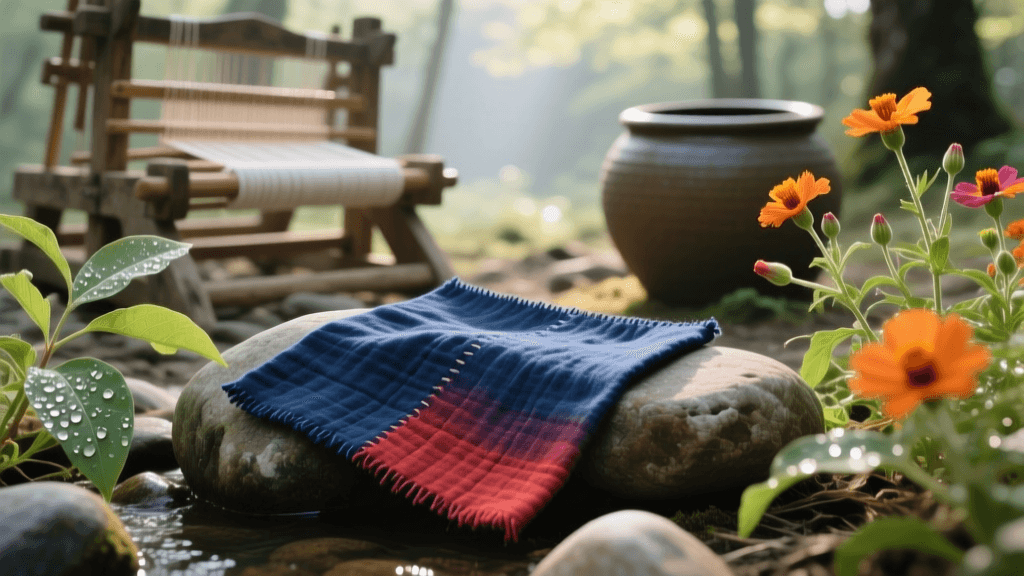
The Renaissance of Japanese Botanical Dyes in 2026
In the 2026 textile landscape, the ancient Japanese art of Kusaki-zome (plant dyeing) has evolved from a niche heritage craft into a cornerstone of the global circular fashion movement. As the environmental toll of synthetic petrochemical dyes becomes undeniable, artisans and commercial textile houses alike are returning to sustainable Japanese natural dye plants. According to the Ellen MacArthur Foundation, the shift toward regenerative and circular fashion systems in 2026 has drastically accelerated the demand for botanical colorants that enrich rather than deplete local ecosystems.
Unlike synthetic dyes, which rely on heavy metals and toxic fixatives, traditional Japanese botanical dyes utilize bio-mordants and closed-loop water systems. This guide explores the most vital Japanese dye plants, their eco-friendly extraction methods, and how modern artisans are adapting these centuries-old techniques for contemporary sustainable fashion.
Top Sustainable Japanese Dye Plants for Eco-Conscious Artisans
Japan's diverse climate supports a wide array of dye-bearing flora. However, three plants stand out for their historical significance, colorfastness, and low environmental impact when processed correctly.
Ai (Japanese Indigo - Persicaria tinctoria)
Japanese Indigo, known locally as Ai, is derived from the Persicaria tinctoria plant. Unlike tropical indigo species, Ai thrives in temperate climates and has been cultivated in Japan for over a millennium. In 2026, the cultivation of Ai has seen a massive resurgence, particularly in regions like Tokushima, where traditional farmers are partnering with modern sustainable fashion brands. The leaves are harvested in late summer, dried, and fermented to create Sukumo, the foundational material for the traditional Japanese indigo vat. This fermentation process, which takes roughly 120 days, is carefully monitored using modern IoT soil and humidity sensors to ensure optimal microbial activity without the need for synthetic accelerators.
Benibana (Safflower - Carthamus tinctorius)
Benibana is unique because it contains two distinct pigments: a water-soluble yellow and an alkali-soluble red. Extracting the brilliant crimson red requires a meticulous, multi-step process that relies entirely on pH manipulation rather than chemical fixatives. Artisans use wood ash lye (Aku) to extract the red pigment, followed by a neutralization bath using citrus acids or plum vinegar. Because the yellow pigment is washed away first, the water used in the initial rinses can be safely repurposed for dyeing secondary yellow textiles, embodying a zero-waste ethos.
Kakishibu (Persimmon Tannin)
Kakishibu is a dark, tannin-rich liquid extracted from unripe, astringent persimmons. Unlike other dyes that require heat extraction, Kakishibu is fermented naturally over several years. It is prized not only for its earthy brown hues but also for its functional properties: it acts as a natural water repellent, insect deterrent, and fabric strengthener. In 2026, outdoor and workwear brands are increasingly utilizing Kakishibu-treated organic linens as a sustainable alternative to synthetic DWR (Durable Water Repellent) coatings.
Eco-Friendly Extraction and Bio-Mordanting Techniques
Historically, some dyeing processes relied on heavy metal mordants like chrome or tin to bind color to fibers. Today, these are recognized as highly toxic to aquatic ecosystems. The modern eco-dyeing movement strictly utilizes bio-mordants and natural binders.
- Symplocos (Plant-Based Alum): Instead of mining aluminum sulfate, artisans in 2026 are turning to the dried leaves of the Symplocos tinctoria plant, which naturally accumulates aluminum from the soil. This provides a brilliant, eco-friendly mordant for yellow and red dyes.
- Soy Milk Binder: For cellulose fibers like organic cotton and hemp, which naturally resist botanical dyes, soy milk is used as a protein binder. The fiber is soaked in a 1:10 soy milk-to-water solution, allowing plant proteins to coat the cellulose and create a receptive surface for tannins and pigments.
- Iron from Upcycled Sources: To achieve deep greys, purples, and blacks, dyers use iron modifiers. Rather than buying synthetic iron powder, eco-conscious studios create "iron water" by steeping rusted, upcycled nails in water and white vinegar, creating a closed-loop mordant.
For authentic historical techniques and botanical guidelines, artisans frequently consult resources like Maiwa's comprehensive indigo guides, which bridge the gap between ancient Japanese fermentation methods and modern sustainable studio practices.
Step-by-Step: Sustainable Ai (Indigo) Vat Preparation
Building a traditional Sukumo indigo vat is a masterclass in sustainable chemistry. The vat relies on naturally occurring bacteria to reduce the indigo pigment, making it soluble in water. Here is a standard 2026 recipe for a home or small-studio eco-vat.
Ingredients and Equipment
- 100g Sukumo (fermented Japanese indigo leaves)
- 150g Wood ash lye (Aku) or a sustainable alkaline builder like calcium hydroxide
- 10g Wheat bran (food for the reduction bacteria)
- 10ml Sake or mastic (alcohol to encourage bacterial growth)
- Stainless steel or enamel dye pot (10-liter capacity)
- Smart immersion thermometer (to maintain precise temperatures)
The Fermentation Process
- Hydration: Place the Sukumo in the pot and add warm water (around 50°C / 122°F). Knead the leaves gently to release the pigment.
- Alkaline Builder: Slowly stir in the wood ash lye. The pH of the vat should reach between 10.5 and 11.5. Use a digital pH meter to ensure accuracy without wasting test strips.
- Nutrients: Add the wheat bran and sake. These provide the carbohydrates necessary for the Clostridium bacteria to thrive and strip oxygen from the indigo molecules.
- Temperature Control: Maintain the vat at exactly 50°C. In 2026, many eco-studios use solar-thermal heating wraps or insulated fermentation chambers to maintain this heat without relying on grid electricity.
- The Bloom: After 5 to 7 days, a coppery, iridescent scum will form on the surface. This is the Ai no hana (indigo flower), indicating the vat is reduced and ready for dyeing.
Note: A well-maintained Sukumo vat can last for years. When the color weakens, simply feed it more bran and alkaline builder, creating a virtually zero-waste dyeing system.
Environmental Impact: Botanical vs. Synthetic Dyes
The United Nations Environment Programme (UNEP) highlights that natural dyeing, when paired with closed-loop water systems, reduces aquatic toxicity by up to 90% compared to synthetic azo dyes. Below is a comparison of the environmental footprint of popular Japanese dye plants versus standard synthetic alternatives.
| Dye Source | Botanical / Chemical Name | Water Footprint | Toxicity Level | Biodegradability |
|---|---|---|---|---|
| Ai (Indigo) | Persicaria tinctoria | Low (Closed-loop vat) | Non-toxic | 100% Biodegradable |
| Synthetic Indigo | Petrochemical Aniline | High (Heavy rinsing) | High (Formaldehyde) | Non-biodegradable |
| Benibana (Safflower) | Carthamus tinctorius | Medium (Multiple rinses) | Non-toxic | 100% Biodegradable |
| Kakishibu (Persimmon) | Diospyros kaki | Very Low (No rinsing) | Non-toxic | 100% Biodegradable |
| Synthetic Azo Dyes | Petrochemical Compounds | Extremely High | Carcinogenic / Toxic | Persists in environment |
Cultivating Your Own Dye Garden in 2026
For artisans looking to achieve true seed-to-garment sustainability, cultivating your own dye garden is the ultimate goal. Persicaria tinctoria is remarkably resilient, but shifting climate patterns in 2026 require adaptive gardening techniques.
- Soil Preparation: Ai prefers rich, well-draining loam. Amend your soil with organic compost and biochar to improve water retention during late-summer heatwaves.
- Shade Cloth Integration: While indigo loves the sun, extreme UV indices can scorch the leaves, reducing the indican (pigment) content. Use 30% shade cloth during peak July and August afternoons to protect the crop.
- Companion Planting: Plant Benibana (safflower) alongside nitrogen-fixing legumes. Safflower has deep taproots that help break up compacted soil, improving the aeration for subsequent indigo plantings.
Conclusion
The integration of Japanese natural dye plants into modern textile production is not merely a nostalgic return to the past; it is a vital, forward-looking strategy for ecological preservation. By embracing sustainable extraction methods, utilizing bio-mordants, and leveraging modern technology to optimize ancient fermentation processes, the artisans of 2026 are proving that vibrant, colorfast textiles do not have to come at the expense of the planet. Whether you are a hobbyist building your first Sukumo vat or a fashion designer sourcing Kakishibu-treated organic linens, the traditions of Kusaki-zome offer a brilliant, sustainable path forward for the global fashion industry.