Sardinian Orbace Wool & Filigrana Jewelry: 2026 Buyer's Guide
The Enduring Legacy of Sardinian Folk Dress
Sardinia, an island steeped in ancient Mediterranean history, boasts some of the most striking and well-preserved regional folk dress in Europe. Unlike the fleeting trends of mainstream global fashion, Sardinian traditional garments are deeply tied to the island's rugged topography, pastoral heritage, and intricate social codes. As we navigate the sartorial landscape of 2026, there is a profound resurgence of interest in authentic, regionally produced heritage wear. Discerning collectors, cultural historians, and sustainable fashion advocates are turning their attention to two pillars of Sardinian craftsmanship: Orbace wool textiles and Filigrana Sarda silver jewelry.
This comprehensive guide explores how heritage brands and artisan cooperatives are keeping these traditions alive in 2026. Whether you are looking to acquire a museum-quality shepherd's cloak or invest in handcrafted silver filigree, understanding the historical context, modern pricing, and proper care of these items is essential for any serious collector of European folk dress.
Orbace Wool: The Armor of the Sardinian Shepherd
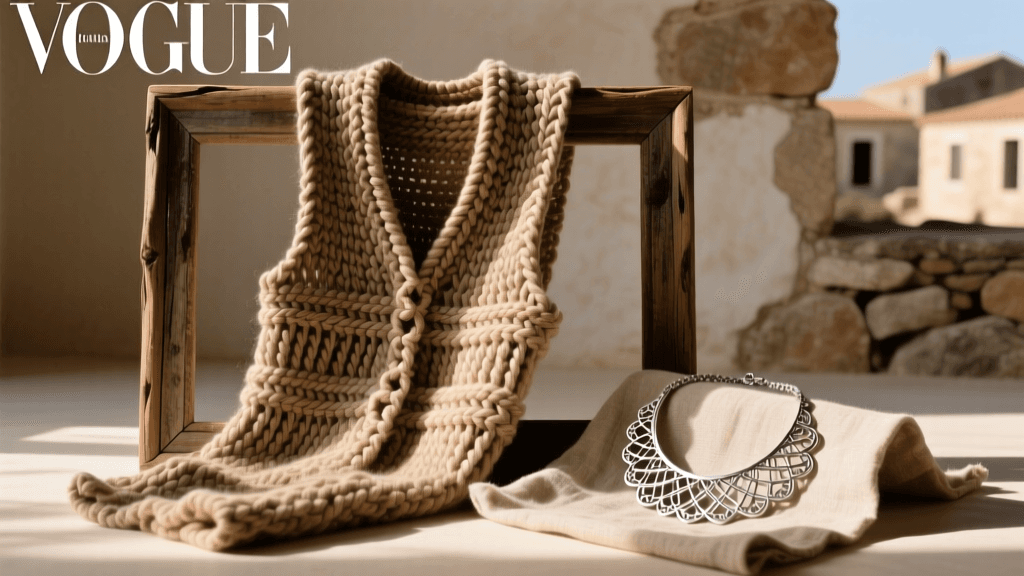
The cornerstone of Sardinian pastoral folk dress is Orbace (or Orbàciu), a coarse, hand-woven wool that has protected islanders from the harsh Tramontane winds for centuries. Historically, Orbace was the primary material for su saccu—a heavy, rectangular, hooded shepherd's cloak—and ragas, a traditional pleated skirt worn over linen trousers. The wool is sourced exclusively from native Sardinian sheep breeds, prized for its exceptionally high lanolin content, which renders the finished fabric naturally water-resistant and windproof.
In 2026, the production of genuine Orbace is a labor-intensive process managed by a dedicated network of weaving cooperatives in the mountainous Barbagia region. The raw wool is spun, woven on traditional wooden looms (telaio), and then fulled—a process where the fabric is repeatedly beaten and shrunk in cold mountain water to create a dense, felt-like texture. According to the regional heritage archives at Sardegna Cultura, the preservation of these specific fulling techniques is considered a vital component of the island's intangible cultural heritage, ensuring that modern reproductions maintain the exact structural integrity of 19th-century garments.
The natural color palette of Orbace is highly sought after in contemporary sustainable fashion. Undyed shades of deep brown, charcoal, and creamy white dominate, alongside pieces dyed with local botanicals such as rubia peregrina (wild madder) for muted reds, and walnut husks for rich umber tones. Because of the scarcity of master weavers and the time-intensive nature of the loom work, authentic Orbace garments have become premium collector's items in 2026.
Filigrana Sarda: Weaving Silver into Heritage
While Orbace provides the rugged foundation of Sardinian folk dress, Filigrana Sarda (Sardinian filigree) provides its breathtaking ornamentation. This ancient metalworking technique involves twisting fine threads of silver or gold, curling them into intricate, lace-like patterns, and soldering them together. The hallmark of authentic Sardinian filigree is the "granulation" technique—tiny silver spheres fused to the wire framework without visible solder joints, creating a mesmerizing three-dimensional effect.
Key components of the traditional dress crafted in filigree include su coccoi (a large, ornate brooch used to fasten the headscarf or bodice) and sa bottoniera (a parade of spherical filigree buttons running down the sleeves or the front of the bodice). In 2026, master goldsmiths in towns like Castelsardo, Iglesias, and Dorgali continue to craft these pieces entirely by hand, utilizing modern precision torches while strictly adhering to ancestral design motifs like the pavoncella (peahen) and the corallo (coral branch).
The market for authentic Filigrana Sarda has seen significant shifts in 2026. Due to the rising global cost of precious metals and a concerted push for fair-trade artisan compensation, prices for handcrafted silver bottoniere sets now range from €450 to €1,800, depending on the complexity of the granulation and the reputation of the maestro orafo (master goldsmith). Buyers are strongly advised to look for the regional artisan hallmark, which guarantees both the 925 silver purity and the geographic origin of the craftsmanship.
2026 Heritage Brand & Artisan Cooperative Directory
Navigating the market for authentic regional garments requires knowing where to look. Mass-produced tourist souvenirs often lack the structural integrity and historical accuracy of true folk dress. Below is a curated directory of reputable heritage cooperatives and artisan networks operating in 2026, complete with current pricing and lead times for custom commissions.
| Artisan / Cooperative | Location | Specialty | 2026 Price Range (EUR) | Custom Lead Time |
|---|---|---|---|---|
| Tessitura Artigianale Barbagia | Nuoro | Orbace Cloaks (Su Saccu) & Skirts | €650 - €1,400 | 3 - 5 Months |
| Maestri Orafi di Castelsardo | Castelsardo | Silver Filigree Brooches & Buttons | €350 - €1,800 | 4 - 8 Weeks |
| ISOLA Regional Craft Board | Cagliari | Certified Accessories & Woven Sashes | €150 - €600 | In-Stock / 2 Weeks |
| Atelier di Samugheo | Samugheo | Traditional Tapestry & Pibiones Weaving | €200 - €900 | 2 - 4 Months |
Practical Guide: Sizing, Measurements, and Care
Acquiring heritage folk dress requires a departure from modern sizing conventions. Traditional garments like su saccu are not tailored to the body in the way a contemporary overcoat is; they are draped, wrapped, and secured. When commissioning an Orbace cloak in 2026, you must provide the artisan with specific draping measurements rather than standard chest and waist sizes.
How to Measure for Su Saccu
- The Drop: Measure from the base of your neck (the prominent vertebra) down to the desired hemline, traditionally resting just below the calf.
- The Wrap: Measure the circumference of your chest at its widest point, then add at least 40 centimeters to allow for the traditional overlapping front drape and the bulk of the garments worn underneath.
- The Hood (Sa Cappucciu): Measure from the crown of your head, down the side of your face, and under your chin to ensure the hood provides adequate coverage against the wind.
Preserving Untreated Orbace Wool
Never dry clean authentic Orbace. The chemical solvents used in dry cleaning will strip the wool of its natural lanolin, destroying its water-resistant properties and leaving the fabric brittle. Instead, spot clean stains using cold water and a mild, pH-neutral wool soap. After wearing, air the cloak out in a shaded, well-ventilated area. Direct sunlight will rapidly fade the delicate botanical dyes used in modern heritage reproductions.
Caring for Filigrana Sarda Silver
Sardinian filigree is designed to feature intentional oxidation—the darkening of the silver in the crevices to highlight the raised 3D granulation. Do not use chemical silver dips or abrasive polishing pastes, as these will strip the dark patina and flatten the visual depth of the piece. Use a soft, untreated jeweler's cloth to gently buff only the raised surfaces of the silver wires. Store the jewelry in an anti-tarnish pouch with a piece of chalk to absorb ambient moisture.
Experiencing the Craft: 2026 Festivals and Workshops
To truly understand the kinetic beauty and social significance of these garments, one must see them in motion. Sardinia's festival calendar offers unparalleled opportunities to witness authentic folk dress worn as it was intended. The Cavalcata Sarda in Sassari, scheduled for late May 2026, is a spectacular showcase where over 3,000 participants parade in meticulously maintained regional costumes, representing nearly every village on the island. It is the premier event for observing the diverse variations of ragas and filigree button configurations across different micro-regions.
Similarly, the Sagra del Redentore in Nuoro, held in late August 2026, combines religious procession with a massive ethnographic exhibition. According to the event schedules published by Sardegna Turismo, the 2026 iteration of the festival will feature dedicated artisan workshops where visitors can observe the telaio loom threading process and learn the basics of silver wire twisting from master jewelers. For collectors and enthusiasts, attending these festivals provides not only a visual feast but also direct access to the artisans who are actively shaping the future of Sardinian heritage wear.
"The true value of Sardinian folk dress in 2026 lies not just in its aesthetic beauty, but in its role as a living archive. Every thread of Orbace and every silver granule tells a story of survival, adaptation, and profound respect for the island's natural resources."
— Curator of Textile Heritage, Museo Etnografico Sardo
Investing in Sardinian Orbace and Filigrana is an investment in the continuity of European textile and metallurgical history. By sourcing directly from heritage cooperatives and adhering to traditional care methods, collectors ensure that these magnificent garments will endure for generations to come.