Where to Buy Authentic Custom Qipao Online in 2026
The 2026 Landscape of Online Qipao Shopping
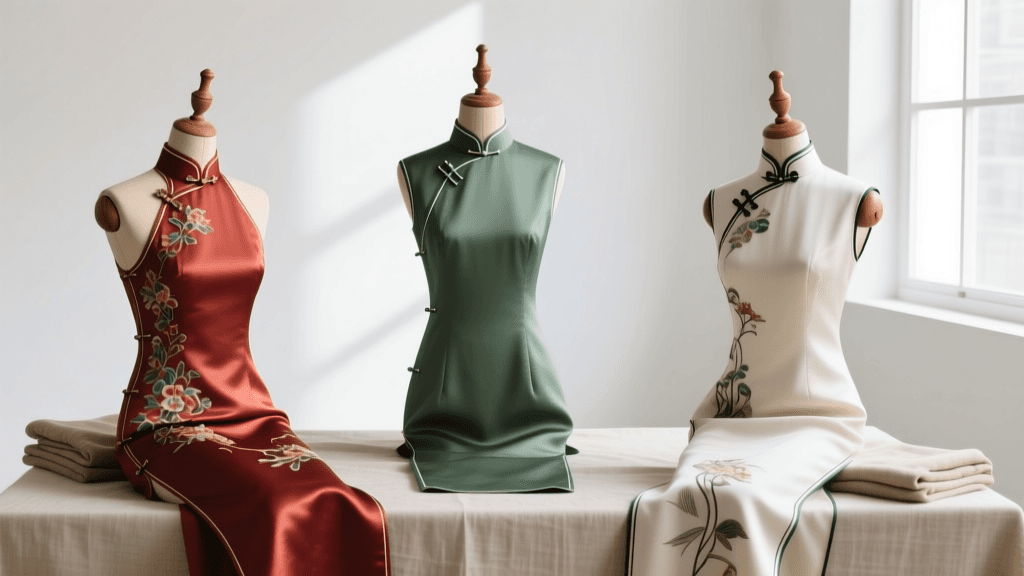
The qipao, also known as the cheongsam, has evolved from a 1920s Shanghai staple to a global symbol of elegant Asian heritage. In 2026, the demand for authentic, custom-tailored qipao has surged, driven by a renewed appreciation for slow fashion, intangible cultural heritage, and personalized silhouettes. However, navigating the online marketplace can be daunting. The internet is flooded with mass-produced, polyester knockoffs that misrepresent the garment's intricate construction. According to cultural historians documenting the cheongsam's rich history, the true beauty of the garment lies in its precise tailoring, traditional frog buttons (Pan Kou), and high-quality silk textiles.
For buyers in 2026, sourcing an authentic qipao requires looking beyond standard fast-fashion retailers. Whether you are preparing for a wedding, a cultural festival, or simply want a timeless addition to your wardrobe, understanding where and how to shop is crucial. This guide breaks down the top online marketplaces for custom qipao, offering actionable advice on search terms, measurement techniques, and fabric selection to ensure your bespoke garment is a masterpiece of Asian traditional tailoring.
Marketplace Comparison: Where Should You Shop?
Before diving into specific search strategies, it is essential to understand the landscape of online qipao retail. Below is a comparison of the three primary avenues for sourcing custom qipao in 2026.
| Marketplace | Best For | Price Range (USD) | Lead Time | Customization Level |
|---|---|---|---|---|
| Taobao (Direct) | Budget & Traditional Silk | $80 - $350 | 2-4 Weeks | High (Made-to-Measure) |
| Etsy | Diaspora Artisans & Modern Fusion | $200 - $600 | 4-8 Weeks | Very High (Bespoke) |
| Independent Studios | Heritage Techniques & Luxury | $500 - $2,000+ | 6-12 Weeks | Master Artisan (Couture) |
Taobao: The Direct Route to Suzhou and Shanghai
Taobao remains the undisputed king of direct-to-consumer Asian traditional garments. As of 2026, Taobao's search algorithm has become increasingly adept at categorizing specialized tailoring shops, but it requires specific Chinese keywords to bypass the sea of costume-grade dropshippers. The best qipao tailors are often located in Suzhou (famous for silk embroidery) and Shanghai (the historical home of the modern qipao).
Essential Search Keywords
To find authentic made-to-measure tailors on Taobao, copy and paste these exact terms into the search bar:
- 旗袍定制 (Qípáo dìngzhì): Custom-tailored qipao. This is your baseline search term.
- 真丝旗袍 (Zhēnsī qípáo): Real silk qipao. Essential for filtering out synthetic blends.
- 手工盘扣 (Shǒugōng pánkòu): Handmade frog buttons. A hallmark of true artisan craftsmanship; machine-made buttons are stiff and lack intricate knotting.
- 苏绣旗袍 (Sūxiù qípáo): Suzhou embroidery qipao. For highly detailed, traditional floral or phoenix motifs.
Navigating the Purchase Process
Because most top-tier Taobao tailors do not ship internationally or speak fluent English, utilizing a shopping agent like Superbuy or CSSBuy is mandatory in 2026. Once you find a shop with 'Crown' level ratings (indicating thousands of successful transactions), message the seller your measurements. Most high-rated shops will provide a standardized measurement card in image format. You simply fill in the numbers and send it back via the chat. Factor in an additional $30-$50 for international freight forwarding via your agent, as silk garments require careful, tracked shipping.
Etsy: Navigating the Global Diaspora
For buyers who prefer English-language communication, buyer protection guarantees, and a fusion of traditional techniques with modern styling, Etsy is a goldmine. In 2026, many second-generation Asian designers and diaspora tailors based in hubs like Flushing (New York), Richmond (British Columbia), and London have established robust Etsy storefronts.
Spotting Authentic Artisans vs. Dropshippers
Etsy has struggled with dropshippers masquerading as handmade artisans. To ensure you are commissioning a genuine custom qipao, look for the following green flags:
- Process Photography: Authentic tailors will post photos of their cutting tables, fabric bolts, and the intricate hand-sewing of the collar (the 'Yuan Bao' collar requires specialized ironing and stitching to stand perfectly upright).
- Consultation Requirements: A true bespoke listing will require you to message the seller before purchasing to discuss fabric sourcing and fit.
- Raw Fabric Listings: Many genuine tailors also sell raw silk brocade or Xiangyunsha fabric by the yard, indicating they have direct ties to textile mills.
Independent Heritage Studios
If you are seeking a museum-quality garment or a wedding qipao that utilizes intangible cultural heritage techniques, independent heritage studios are the way to go. Brands and studios such as Blancore or specialized Shanghai-based ateliers with English portals offer couture-level service. These studios often specialize in specific regional techniques, such as the Beijing-style 'Jingpai' qipao, which features heavier embroidery and a more structured, regal silhouette compared to the form-fitting Shanghai style.
Commissioning from these studios involves virtual consultations via video call, where the tailor will assess your posture, shoulder slope, and movement to draft a completely unique paper pattern from scratch. This is the pinnacle of Asian traditional garment shopping, treating the qipao not just as clothing, but as wearable art.
How to Measure for a Bespoke Qipao
The qipao is notoriously unforgiving when it comes to fit. Unlike Western garments that rely on darts and stretch fabrics, a traditional qipao uses flat-pattern cutting and precise seam placement to contour the body. When sending your measurements to a tailor in 2026, do not just send standard S/M/L sizes. You must provide the following exact metrics, measured over the undergarments you plan to wear with the dress:
- Bust: Measure around the fullest part of your chest, keeping the tape measure level across your back.
- Waist: Measure at your natural waistline (the narrowest part of your torso, usually just above the belly button).
- Hips: Measure around the fullest part of your hips and buttocks.
- Shoulder Width: Measure from the edge of one shoulder bone to the other across the back. This is critical for the cap sleeves.
- Hollow-to-Hem: Measure from the hollow at the base of your neck down to your desired hemline (typically just below the knee or mid-calf for modern wear, or floor-length for formal events).
- Bicep Circumference: Crucial for the traditional cap sleeve. If this is too tight, the silk will pull and distort the side seams.
- Neck Circumference: The high Mandarin collar must be snug but breathable. Measure loosely around the middle of your neck, allowing one finger to slip between the tape and your skin.
Pro Tip for 2026: Many modern tailors now accept a 360-degree video of yourself standing in form-fitting clothing. This allows them to assess your posture (e.g., rounded shoulders or a tilted pelvis) and adjust the pattern's grainline accordingly, ensuring the side slits hang perfectly straight.
2026 Fabric Trends: Xiangyunsha and Peace Silk
The fabric you choose dictates the drape, longevity, and cultural significance of your qipao. While heavy silk brocade remains the standard for winter and wedding garments, 2026 has seen a massive shift toward sustainable and heritage textiles.
Xiangyunsha (Gambiered Silk)
Originating from Guangdong province, Xiangyunsha (gambiered silk) is a highly prized, intangible cultural heritage fabric. It is dyed using the juice of the薯莨 (Dioscorea cirrhosa) yam and coated with iron-rich river mud, then sun-dried. The result is a stunning, dual-toned fabric that is black on one side and rich brown on the other. It is naturally antibacterial, water-resistant, and develops a beautiful patina over time. Sourcing a custom qipao in genuine Xiangyunsha is a hallmark of elite Asian traditional garment shopping.
Peace Silk (Ahimsa Silk)
For eco-conscious buyers, 2026 has brought wider availability of Peace Silk, where the silkworm is allowed to emerge from the cocoon before the silk is harvested. While it has a slightly more textured, rustic finish compared to traditional mulberry silk, it drapes beautifully and aligns with modern ethical fashion standards without sacrificing the luxurious feel of a traditional cheongsam.
Conclusion
Shopping for an authentic custom qipao online in 2026 is a deeply rewarding process that connects you directly with centuries of Asian textile artistry. Whether you choose to navigate the vast, budget-friendly workshops of Taobao, collaborate with diaspora artisans on Etsy, or commission a couture piece from an independent heritage studio, the key lies in precise measurements, authentic materials, and an appreciation for the garment's structural nuances. By using the right keywords and understanding the hallmarks of traditional construction, you can secure a bespoke qipao that is not only a perfect fit but a timeless piece of cultural heritage.