Norwegian Bunad Silver Sølje Jewelry: 2026 Buyer Guide
The Enduring Legacy of Norwegian Bunad Silver
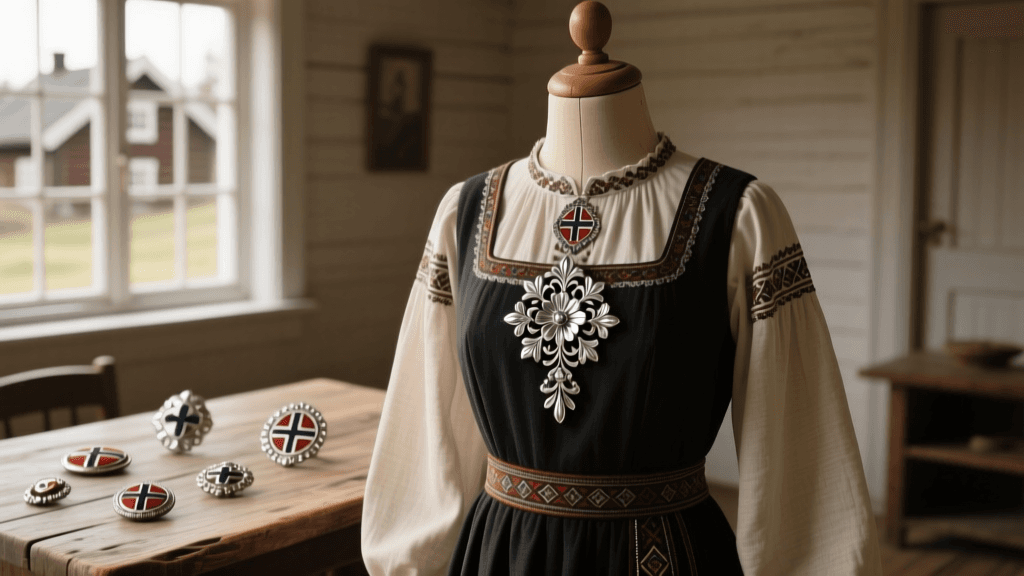
When exploring the rich tapestry of European folk dress, few accessories command as much reverence, historical weight, and visual splendor as the traditional Norwegian sølje (silver jewelry). Unlike fleeting fashion trends, the silver brooches, neck rings, and cufflinks that adorn the Norwegian bunad (national folk costume) are deeply rooted in centuries of cultural heritage, metallurgical mastery, and regional identity. As we navigate the heritage craft revival of 2026, authentic bunad silver has seen a massive resurgence, with collectors and cultural enthusiasts seeking out master-crafted pieces that honor traditional techniques while serving as tangible investments.
According to the Norsk institutt for bunad og folkedrakt (Norwegian Institute for Bunad and Folk Costume), the silver accessories are not merely decorative; they are integral components of the costume's historical accuracy and regional dialect. A bunad without its proper sølje is considered incomplete, much like a sentence without its punctuation. In 2026, the demand for these handcrafted pieces has outpaced the supply of master silversmiths, making it crucial for buyers to understand the nuances of regional styles, authentication, and proper care.
Historical and Mythological Significance
To understand the value of bunad silver, one must look back to the agrarian societies of pre-industrial Norway. Silver was the ultimate store of wealth for farming families, often representing a family's entire liquid assets. It was passed down through generations, with pieces frequently added to or melted down to create new jewelry for weddings and baptisms.
Beyond economics, the sølje held profound mythological importance. The Norwegian Museum of Cultural History notes that many traditional brooch designs feature dangling teardrop pendants and sun-like radiating patterns. These were not just aesthetic choices; they were apotropaic symbols designed to ward off evil spirits, trolls, and the "huldra" (forest creatures) that were believed to prey on vulnerable individuals during life transitions like weddings or childbirth. The chiming sound of the silver pendants was thought to create an acoustic shield against malevolent forces.
Decoding Regional Sølje Styles
Norway's dramatic topography historically isolated communities, leading to highly distinct regional variations in both textile embroidery and silverwork. When sourcing pieces in 2026, matching the silver to the specific regional bunad is paramount. Mixing a Telemark brooch with a Hardanger costume is a major faux pas in traditional dress circles.
Regional Bunad Silver Comparison (2026 Market Data)
| Region | Primary Technique | Avg. Neck Ring Weight | 2026 Avg. Price (USD) | Key Motif |
|---|---|---|---|---|
| Hardanger | Filigree & Granulation | 45g - 60g | $1,400 - $1,800 | Sunbursts & Drops |
| Telemark | Cast & Oxidized | 60g - 85g | $1,600 - $2,200 | Floral & Dragon |
| Valdres | Repoussé & Leafwork | 50g - 70g | $1,500 - $1,900 | Acanthus Leaves |
| Gudbrandsdal | Engraving & Cast | 55g - 75g | $1,450 - $2,000 | Baroque Florals |
Note: Prices reflect early 2026 market averages for complete neck rings (halsring) crafted in 925 sterling silver by certified Norwegian artisans. Global silver spot price fluctuations may cause minor variances.
The 2026 Market: Sourcing and Authentication
The market for heritage European folk dress accessories has matured significantly. In 2026, the rise of AI-generated jewelry designs and mass-produced overseas imitations has made authentication more critical than ever. True bunad silver is defined by its meticulous hand-finishing, a quality that machines cannot replicate.
Hallmarks and Purity Standards
Authentic Norwegian silver must adhere to strict hallmarking laws. When inspecting a piece, look for the following stamps, usually located on the back of the main plate or the inner curve of the neck ring:
- The Purity Mark: Typically 925 S, indicating 92.5% pure sterling silver. Some older, antique pieces may bear an 830S stamp, which was the standard prior to the mid-20th century.
- The Maker's Mark: A unique symbol or set of initials registered to the specific silversmith or workshop (e.g., the famous Sylvsmidja på Voss).
- The Town Mark: A symbol indicating the city of assay, such as the crossed hammers for Kongsberg or the crowned lion for Oslo.
The Norges Husflidslag (Norwegian Folk Art and Craft Association) strongly advises buyers in 2026 to request a certificate of origin when purchasing high-value bunad silver, especially when buying from international antique dealers or online heritage auctions.
Measurements and Fitting Guide
Proper fit is essential for both the comfort and the visual impact of the sølje. Traditional bunad shirts are made from heavy, stiff linen, requiring jewelry that is robust enough to pierce the fabric without bending. Here are the standard measurements you need to know when ordering or sizing vintage pieces:
- Neck Rings (Halsring): Typically range from 14 cm to 18 cm in inner diameter. They should sit snugly at the base of the throat, securing the collar of the linen shirt. The pin mechanism must be a heavy-duty tube hinge with a secure clasp to prevent loss.
- Chest Brooches (Brystknapp): Generally measure between 4 cm and 7 cm across. The largest, most ornate brooch is worn at the neckline, while smaller, matching studs (often 1.5 cm to 2 cm) are pinned vertically down the front panel of the bodice.
- Cufflinks (Mansjettknapper): Usually 1.5 cm to 2.5 cm in width. They are designed with a slightly curved post to pass easily through the thick, reinforced cuffs of the traditional shirt.
- Belt Buckles (Beltespenne): For regions that utilize silver belts (like the Beltestakk from Telemark), the buckle and accompanying decorative plates can weigh upwards of 200g in total, requiring a reinforced leather or woven textile backing.
Caring for Heritage Silver
Maintaining the luster of bunad silver requires a delicate balance. While some collectors prefer the bright, mirror-like shine of freshly polished silver, others appreciate the dark, oxidized patina that accumulates in the deep crevices of filigree and cast work, highlighting the intricate 3D relief of the design.
Best Practices for 2026
- Avoid Liquid Dips: Never use harsh chemical silver dips. These solutions strip away the intentional oxidation applied by the silversmith to create contrast, leaving the piece flat and lifeless.
- Use Microfiber and Polishing Cloths: For routine maintenance, gently rub the high points of the silver with a treated jeweler's cloth. Use a soft-bristled makeup brush to gently dust out the intricate filigree wires and granulation beads.
- Proper Storage: Silver tarnishes when exposed to sulfur in the air. Store your sølje in an airtight container lined with Pacific cloth or anti-tarnish strips. Never store silver in direct contact with wood, cardboard, or rubber bands, as these materials off-gas chemicals that accelerate severe tarnishing.
- Wear It Often: Surprisingly, the natural oils from your skin and the gentle friction of wearing the jewelry help keep the high points polished and delay heavy tarnishing.
Conclusion: An Investment in Living History
Purchasing authentic Norwegian bunad silver in 2026 is more than a transaction; it is an act of cultural preservation. Whether you are commissioning a custom Hardanger filigree neck ring or hunting for a vintage Telemark chest brooch, understanding the regional dialects, hallmarking standards, and proper care ensures that these magnificent pieces of European folk dress will continue to tell their stories for generations to come. As the appreciation for slow fashion and heritage crafts continues to grow, the sølje stands as a shining testament to the enduring beauty of traditional European metalwork.