Romanian Ie Blouse Revival: 2026 Styling & Sourcing Guide
The Romanian Ie in 2026: Beyond Appropriation to Authentic Revival
In 2026, the European folk dress revival has matured from fleeting runway trends into a deeply rooted movement centered on slow fashion, artisan equity, and cultural preservation. At the forefront of this movement is the Romanian Ie (pronounced 'ee-eh'), the traditional peasant blouse that has captivated global fashion capitals. However, the contemporary conversation has shifted dramatically. Moving past the cultural appropriation controversies of the 2010s, where luxury houses mass-produced uncredited copies of indigenous designs, the 2026 landscape is defined by direct-to-artisan economies and profound respect for regional heritage.
Today, wearing an authentic Ie is an exercise in conscious consumption. Urban professionals and fashion historians alike are seeking out genuine, hand-loomed garments that support rural cooperatives in regions like Maramureș, Vâlcea, and Argeș. This guide explores the intricate anatomy of the authentic blouse, how to source ethically made pieces in the current market, and how to seamlessly integrate this masterpiece of European folk dress into a modern 2026 wardrobe.
Anatomy of the Authentic Blouse
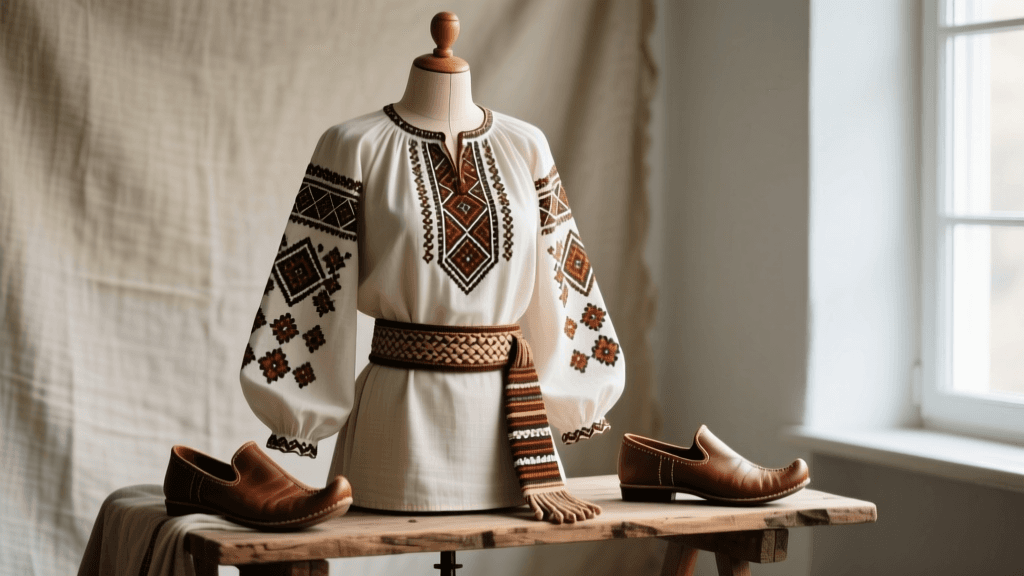
To appreciate the Ie, one must understand its highly structured, symbolic anatomy. The garment is not merely a piece of clothing; it is a canvas of protective geometry and regional identity. According to the UNESCO Intangible Cultural Heritage registry, which officially inscribed the traditional art of the Romanian blouse with shoulder embroidery, the garment's structure is strictly codified by centuries of tradition.
The Altiță (Shoulder Embroidery)
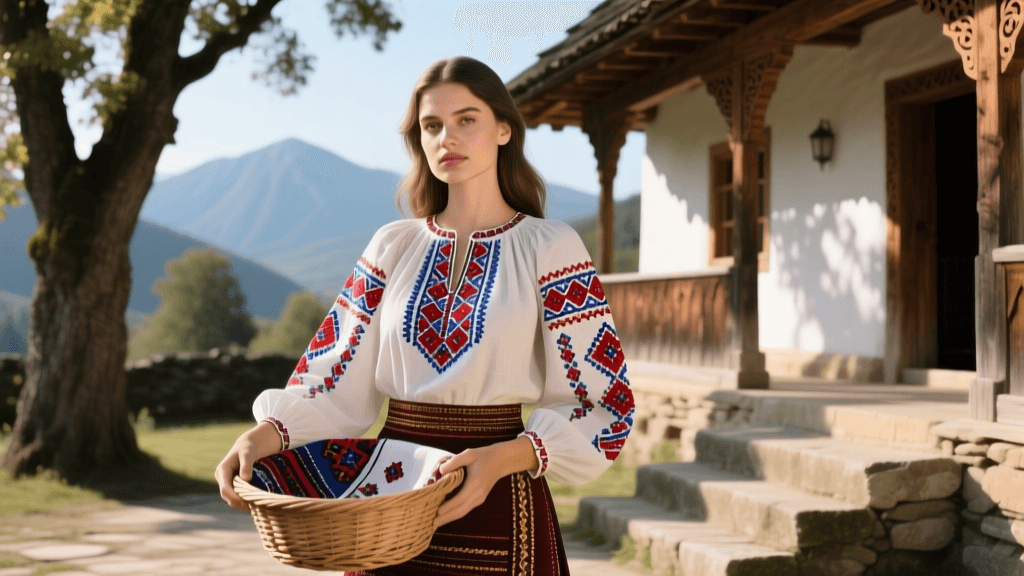
The altiță is the most crucial and visually striking element of the blouse. Located on the upper shoulder and sleeve, this dense, rectangular block of embroidery historically served as a protective talisman for the wearer's strength and vitality. In 2026, authentic artisans still use traditional silk or wool threads to stitch complex geometric motifs—such as the 'sun', the 'tree of life', or the 'rhombus'—which indicate the wearer's specific village and marital status.
The Increț and Râuri
Directly below the altiță lies the increț, a delicate, tightly gathered smocking technique that cinches the fabric to the body while allowing for ease of movement. Flowing downward from the increț are the râuri (rivers)—vertical, cascading lines of embroidery that flow down the sleeve to the cuff. These 'rivers' are often stitched in deep reds derived from madder root or dark browns from walnut husks, utilizing natural dyeing methods that have seen a massive resurgence in the 2026 sustainable textile market.
The Ciupag (Gathered Neckline)
Unlike modern blouses with structured collars, the traditional Ie features a ciupag, a softly gathered neckline cinched by a woven drawstring. This allows the garment to be worn modestly high on the neck or slipped off one shoulder for a more relaxed, contemporary silhouette.
Sourcing Authentic Pieces in the 2026 Market
The market for European folk dress has become highly stratified. Fast-fashion retailers still sell synthetic, machine-embroidered approximations, but the discerning buyer in 2026 looks for heritage transparency. Curators at the Romanian Peasant Museum emphasize that true authenticity lies in the imperfections of hand-spun yarns and the natural variations of plant-based dyes.
Below is a comparative guide to sourcing authentic Ie blouses in the current market, detailing price expectations, lead times, and verification methods.
| Sourcing Channel | Price Range (EUR, 2026) | Lead Time | Authenticity & Ethical Guarantee |
|---|---|---|---|
| Rural Artisan Cooperatives (e.g., Vâlcea, Argeș) | €350 - €650 | 2 - 4 Months | Highest. Direct support to weavers. Includes a signed certificate of origin and natural dye breakdown. |
| Curated Vintage & Antique Dealers | €500 - €1,200+ | Immediate | High. Pieces date from 1920-1970. Requires verification of fabric degradation and thread composition. |
| Contemporary Heritage Boutiques (Bucharest/Cluj) | €280 - €450 | 1 - 3 Weeks | Medium-High. Modern adaptations using traditional techniques. Ensure the boutique partners directly with village artisans. |
| Mass-Market 'Folk-Inspired' Brands | €40 - €90 | Immediate | Low. Machine-embroidered polyester blends. Zero cultural or economic benefit to Romanian artisans. |
Contemporary Styling: Integrating the Ie into Modern Wardrobes
The beauty of the Ie in 2026 lies in its versatility. It is no longer relegated to folk festivals or museum displays; it is a staple of the 'quiet luxury' and 'heritage craft' aesthetics dominating cities from Copenhagen to Tokyo. The key to contemporary styling is juxtaposition—balancing the voluminous, romantic silhouette of the blouse with sharp, modern tailoring.
1. The Copenhagen Minimalist
For a sleek, urban look, pair a monochrome Ie (such as a white hemp blouse with black or navy geometric embroidery from the Oaș region) with high-waisted, wide-leg wool trousers. Tuck the blouse in to highlight the increț smocking, and finish with square-toe leather ankle boots. This look strips away the 'costume' element, allowing the intricate shoulder embroidery to act as the sole statement piece.
2. The Parisian Avant-Garde Layerer
Embrace volume and texture by layering a sheer, hand-loomed cotton Ie over a fitted, ribbed silk turtleneck. Cinch the waist with a contemporary, structured leather corset belt to modernize the traditionally billowy silhouette. This styling technique is highly popular in 2026 street style, merging historical romance with modern edge.
3. The Milanese Corporate Creative
Adapt the blouse for the office by selecting a piece with a subtle, tonal ciupag (e.g., cream thread on ivory linen). Wear it tucked into a high-waisted, bias-cut satin midi skirt. Replace traditional folk bead necklaces with sculptural, modernist silver jewelry to bridge the gap between heritage craft and contemporary minimalism.
4. The Summer Riviera Resort
During warmer months, the Ie functions beautifully as elevated resort wear. Wear an unlined, lightweight cotton blouse unbuttoned over a sustainable linen bralette and tailored linen shorts. The natural breathability of hand-loomed hemp and cotton makes it vastly superior to modern synthetic summer wear.
Caring for Heritage Textiles
Investing in an authentic, hand-embroidered garment requires a commitment to proper textile preservation. The natural dyes and hand-spun fibers used in 2026 artisan cooperatives are more delicate than commercially treated fabrics.
- Washing: Never machine wash an authentic Ie. Submerge the garment in cool water with a pH-neutral, enzyme-free detergent. Enzymes will break down the natural silk and wool threads used in the altiță embroidery. Gently agitate by hand and roll the blouse in a clean towel to absorb excess moisture before laying it flat to dry.
- Ironing: Always iron the blouse inside out on a low heat setting. Place a damp pressing cloth between the iron and the embroidery to prevent crushing the three-dimensional texture of the increț and râuri stitching.
- Storage: Store your Ie folded in acid-free tissue paper inside a breathable cotton garment bag. Avoid wire hangers, which will distort the delicate shoulder seams. Use natural cedar blocks to deter moths, avoiding chemical mothballs that can permanently alter the scent and color of natural dyes.
Conclusion: A Legacy Woven in Thread
The 2026 revival of the Romanian Ie represents a triumph of cultural appreciation over appropriation. By understanding the profound symbolism of the altiță, supporting rural artisan cooperatives, and styling these garments with modern intentionality, we ensure that this vital piece of European folk dress continues to thrive. Wearing the Ie today is not just a fashion choice; it is a commitment to preserving the irreplaceable human artistry woven into every thread.