Buying Authentic Myeongju Silk Hanbok Online: 2026 Marketplace Guide
The 2026 Hanbok Market: Moving Beyond Fast-Fashion Replicas
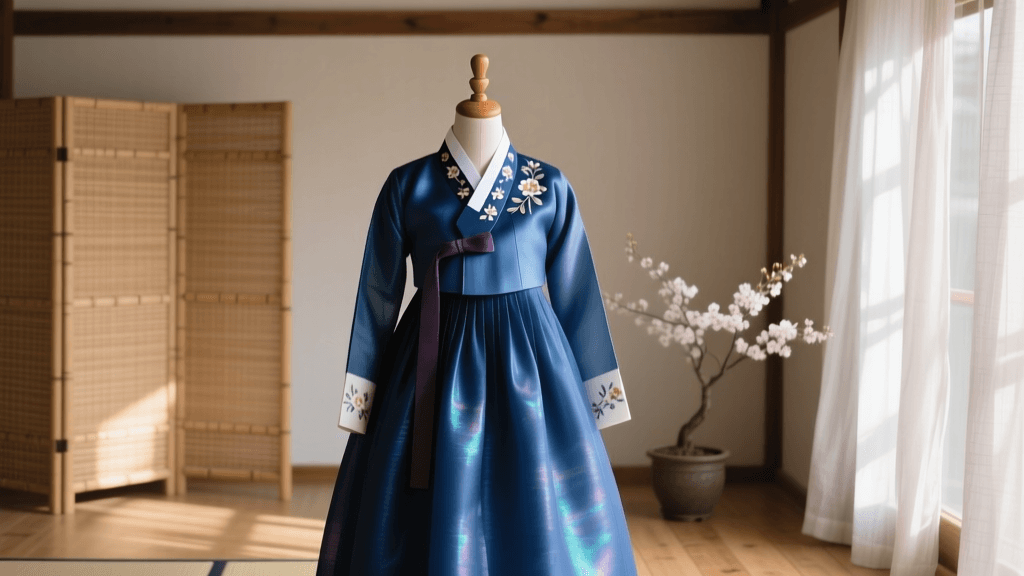
As we navigate the fashion landscape in 2026, the global appreciation for traditional Asian garments has reached unprecedented heights. The hanbok, with its elegant lines and vibrant colors, has seen a massive surge in international demand. However, this popularity has also flooded Western e-commerce platforms with mass-produced, polyester 'daily hanbok' replicas that lack the structural integrity, breathability, and cultural authenticity of traditional Korean dress. For serious collectors, cultural practitioners, and enthusiasts, the focus has shifted decisively toward sourcing authentic garments directly from South Korea. Specifically, the demand for Myeongju (명주)—traditional Korean silk—has become the gold standard for buyers seeking quality. This guide will walk you through the exact steps, platforms, and terminology needed to purchase authentic Myeongju silk hanbok from Korean online marketplaces in 2026, ensuring you receive a garment that honors centuries of textile heritage.
Understanding Myeongju: The Heart of Authentic Hanbok
To shop intelligently, one must first understand the fabric. Myeongju is a plain-woven silk fabric that has been used in Korea for centuries to craft high-quality hanbok. Unlike the highly glossy, slippery silks often used in Western evening wear, Myeongju has a subtle, elegant luster and a slightly crisp hand-feel. This unique texture is what allows the traditional chima (skirt) to hold its voluminous, bell-like shape without the need for excessive synthetic petticoats. According to the Encyclopedia of Korean Folk Culture, the production of Myeongju involves meticulous sericulture and weaving techniques that prioritize durability and natural temperature regulation. In 2026, authentic Myeongju is primarily woven in specialized regions like Andong and Yeongju, where master weavers continue to preserve these intangible cultural properties. When shopping online, verifying that the listing specifies '100% Myeongju' or '안동명주' (Andong Myeongju) is your first line of defense against synthetic blends marketed as 'silk-like'.
Top Online Marketplaces for Sourcing Authentic Hanbok
Finding genuine traditional garments requires looking beyond Amazon or AliExpress. In 2026, the most reliable digital storefronts are domestic Korean platforms and specialized global portals.
1. Gmarket Global
Gmarket remains the most accessible entry point for international buyers. Its global interface supports English and offers direct international shipping via EMS and private couriers. To find authentic pieces, bypass the generic 'hanbok' search terms, which are dominated by costume-grade synthetics. Instead, use the Hangul keywords: 전통 한복 (Traditional Hanbok) or 명주 한복 (Myeongju Hanbok). Look for sellers based in Seoul's Jongno District or specialized boutiques that offer '맞춤' (custom-tailored) options.
2. Naver Shopping and Domestic Boutiques
For the most exquisite, artisan-crafted hanbok, Naver Shopping is unparalleled. This platform aggregates thousands of independent Korean designers and heritage brands. The barrier to entry is that Naver requires a Korean phone number for account verification and domestic shipping addresses. To circumvent this in 2026, international buyers utilize Korean proxy shopping services and freight forwarders like Malltail or Delightful Deers. These services provide you with a domestic Korean warehouse address, receive your Myeongju hanbok, and forward it internationally.
3. Instagram and Kakao Commerce
Many master artisans and heritage brands, supported by initiatives from the Korea Craft & Design Foundation, operate primarily through Instagram and Kakao Talk channels. Boutiques such as those specializing in natural dyeing (천연염색 한복) often take custom commissions via direct message. While this requires more patience and the use of translation apps like Papago, it yields the most bespoke and culturally accurate results.
The Custom-Fit Process: Measurements and Terminology
Unlike Western clothing, which relies on standardized S/M/L sizing, a proper traditional hanbok is tailored to your specific proportions. When ordering a custom Jeogori (jacket) and Chima (skirt) online, you will need to provide precise measurements in centimeters.
- Jogori Length (저고리 길이): Measured from the base of the neck to the desired hemline, traditionally ending just above the bust line in modern historical recreations, or slightly longer for contemporary comfort.
- Bust/Chest (가슴둘레): Crucial for the Jeogori, as traditional hanbok does not use darts. The garment relies on the natural drape of the Myeongju silk and the tying of the Goreum (ribbons) to accommodate the chest.
- Arm Length (팔길이): Measured from the center back of the neck, over the shoulder, and down to the wrist. Traditional sleeves (baerae) feature a curved underarm seam that requires precise length calculations to ensure the elegant drape of the silk.
- Chima Length (치마 길이): Measured from the underbust (where the skirt will sit) down to the ankle bone. In 2026, most traditionalists prefer the hem to hover exactly one inch above the floor when wearing traditional kkotsin (shoes).
When communicating with sellers, use the term 맞춤 제작 (custom production) and be prepared for a lead time of 3 to 6 weeks, as authentic Myeongju garments are cut and sewn by hand.
Cost, Quality, and Lead Time Comparison Chart
To help you budget and set expectations for your 2026 hanbok purchase, we have compiled a comparison of the three primary tiers of hanbok available on the global market.
| Garment Tier | Primary Material | Estimated 2026 Price (USD) | Lead Time | Longevity & Care |
|---|---|---|---|---|
| Fast-Fashion / Costume | 100% Polyester | $40 - $90 | 3 - 7 Days | Low; traps heat, prone to snagging, machine washable but loses shape. |
| Modern 'Daily' Blend | Cotton/Poly/Silk Blend | $120 - $250 | 1 - 2 Weeks | Medium; better drape, easier maintenance, but lacks historical accuracy. |
| Authentic Heritage | 100% Myeongju Silk | $450 - $1,200+ | 4 - 8 Weeks | High; breathable, holds structural volume, requires professional dry cleaning. |
Navigating 2026 International Shipping and Customs
Once your Myeongju hanbok is completed, navigating the logistics of international shipping is your final hurdle. In 2026, South Korea's e-commerce export infrastructure is highly advanced, but buyers must be mindful of customs thresholds. For shipments to the United States, the de minimis threshold remains at $800, meaning most single hanbok orders will clear customs without incurring import duties. However, buyers in the European Union and the United Kingdom must account for VAT, which is often collected at the point of sale on platforms like Gmarket Global, or levied upon arrival by the courier.
When using a proxy service for Naver Shopping purchases, opt for insured EMS (Express Mail Service) shipping. Myeongju silk is a valuable investment, and the insured EMS tier provides end-to-end tracking and coverage for garments valued up to $1,000. Always request that the seller or proxy service pack the hanbok in a breathable cotton garment bag inside the shipping box, rather than sealing it tightly in plastic, which can trap moisture and damage the natural silk fibers during transit.
Caring for Your Authentic Silk Investment
Upon receiving your garment, proper care is essential to preserve the integrity of the Myeongju silk. Never attempt to wash authentic traditional hanbok at home. The water can cause the silk to lose its crisp hand-feel, and the structural threads used in the collars (dongjeong) may warp. Always seek out a dry cleaner who specializes in delicate silks or traditional garments. When storing your hanbok, avoid wire hangers, which will distort the shoulders of the Jeogori. Instead, fold the garment along its natural seam lines, wrap it in acid-free tissue paper or traditional Korean bojagi (wrapping cloths), and store it in a cedar chest or a cool, dry closet to protect it from humidity and light exposure.
Conclusion
Purchasing an authentic Myeongju silk hanbok online in 2026 is a deeply rewarding process that connects you directly to Korean artisanal heritage. By utilizing the right search terminology, leveraging domestic marketplaces through proxy services, and understanding the nuances of traditional tailoring, you can build a wardrobe that transcends fast fashion and honors the true artistry of Asian textile traditions.