Authentic Miao Silver Jewelry and Embroidery: Buyer Guide
The Living Canvas: Introduction to Miao Textile and Silver Traditions
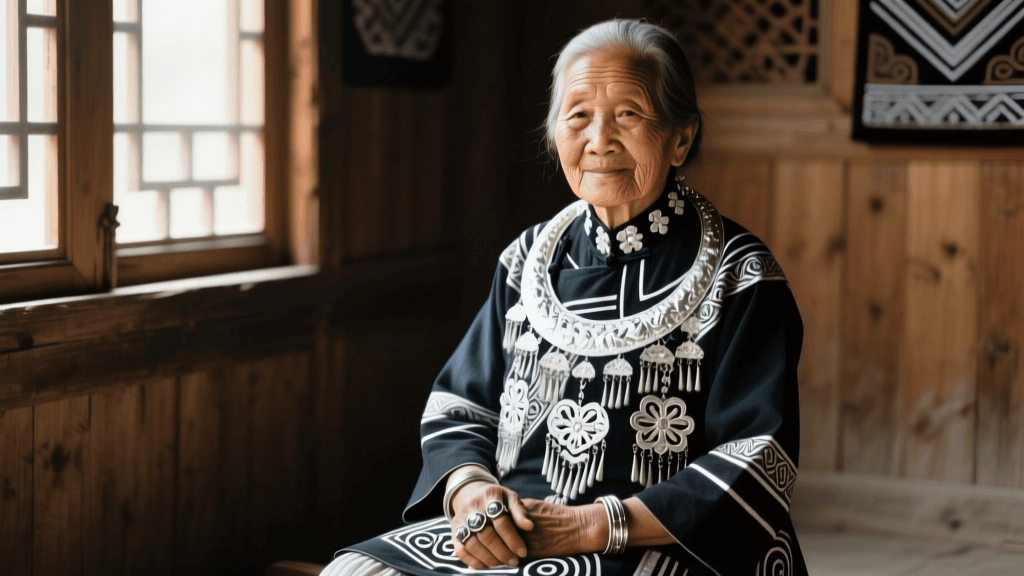
The Miao people, one of China's largest and most culturally vibrant ethnic minorities, are globally renowned for their breathtaking textile arts and intricate silver jewelry. Concentrated primarily in the mountainous provinces of Guizhou, Hunan, and Yunnan, the Miao have historically lacked a widely used written language. As a result, their history, mythology, and clan identities are meticulously recorded in the stitches of their garments and the hammer strikes of their silverwork. According to the Encyclopedia Britannica, the Miao diaspora (often known internationally as the Hmong) has carried these profound sartorial traditions across the globe, yet the epicenter of the craft remains in the rural villages of southwestern China.
For collectors, cultural enthusiasts, and ethical fashion buyers, navigating the market for authentic Miao garments requires a keen eye. The influx of mass-produced souvenirs has made it essential to understand the hallmarks of genuine craftsmanship, the true cost of artisanal labor, and the proper methods for preserving these wearable artifacts.
The Art of Miao Embroidery: Techniques and Motifs
Miao embroidery is not merely decorative; it is a narrative medium. A single hand-embroidered festival jacket can take a skilled artisan anywhere from six to eighteen months to complete. The designs are heavily symbolic, drawing from animist beliefs and creation myths.
Key Motifs and Symbolism
- The Butterfly Mother (Mais Bangx Mais Lief): The central figure in Miao creation mythology. She is often depicted with elaborate wings and is believed to be the ancestor of all living things, including humans, dragons, and beasts.
- The Water Buffalo: A symbol of agricultural wealth, strength, and ancestral reverence. Buffalo horns are frequently stylized into geometric patterns on the shoulders of jackets.
- The Miao Dragon: Unlike the imperial Chinese dragon, the Miao dragon is a benevolent, protective spirit of the earth and water, often depicted with the body of a snake, the fins of a fish, or the legs of a centipede.
Identifying Authentic Hand-Embroidery
To distinguish a genuine hand-stitched piece from a machine-made replica, examine the reverse side of the fabric. Authentic Miao embroidery, particularly the renowned seed stitch (which creates a textured, bead-like surface) and flat stitch, is nearly as neat on the back as it is on the front. Machine embroidery will reveal loose, chaotic threads, often backed with stiff paper or synthetic stabilizers. Furthermore, hand-dyed silk threads, traditionally colored using natural indigo, madder root, and tree bark, possess a subtle, organic color variation that synthetic, machine-spun threads completely lack.
The Weight of Heritage: Miao Silver Jewelry
Silver in Miao culture is believed to ward off evil spirits, illuminate the path to the ancestral realm, and display a family's wealth and social standing. During major festivals, a Miao woman may wear up to 10 kilograms (22 pounds) of solid silver jewelry, including horned headdresses, multi-tiered neck rings, chest locks, and elaborate hairpins.
Craftsmanship and Measurements
Authentic Miao silversmiths utilize over thirty distinct techniques, including filigree, repoussé, and granulation. When commissioning or purchasing a silver neck ring (often called a torc), precise measurements are vital. Traditional neck rings are rigid and heavy, typically measuring 15 to 20 centimeters in diameter and weighing between 500 grams and 2 kilograms each. A full festival set usually includes three to five concentric rings. The iconic silver horn headdress, which mimics the water buffalo, can span up to 60 centimeters across and weigh between 1.5 to 3 kilograms. Because of this immense weight, authentic headdresses are often supported by a hidden fabric cap and secured with woven cotton ties rather than metal clasps.
'To wear Miao silver is to wear the weight of our ancestors; every hammer strike is a heartbeat of our history, and every engraving is a map of our homeland.' — Traditional Miao Artisan Proverb
Actionable Buying Guide: Sourcing Authentic Pieces
If you are looking to acquire authentic Miao textiles and silver, timing and location are everything. As reported by China Daily, regions like Taijiang and Leishan counties in Guizhou have established cooperatives that empower local female artisans, ensuring fair trade and preserving heritage techniques recognized by UNESCO Intangible Cultural Heritage frameworks.
Where and When to Buy
- Locations: Skip the main tourist arteries of Xijiang Miao Village. Instead, visit the weekly markets in Shidong Town (famous for embroidery) and Kongbai Village (renowned for silversmithing). The Kaili Ethnic Minorities Museum gift shop and affiliated artisan cooperatives also offer certified authentic pieces.
- Timing: The best time to source and observe these garments in their full context is during the Sister's Meal Festival (typically in April) and the Lusheng Festival (usually in October or November). During these times, artisans wear their finest work, and local markets are flooded with high-quality, newly finished pieces.
Cost Breakdown and Budgeting
Understanding the economics of Miao craftsmanship will protect you from scams and help you appreciate the value of the work.
- Hand-Embroidered Jackets: A genuine, fully hand-embroidered silk festival jacket takes roughly one year to make. Expect to pay between $800 and $2,500 USD (approx. 5,500 to 18,000 RMB) depending on the density of the stitch work and the age of the piece. Vintage pieces from the mid-20th century can exceed $5,000 USD.
- Silver Jewelry: Authentic pieces are made from 990 or 999 pure silver. The cost is calculated based on the daily spot price of silver plus an artisan craftsmanship fee. Budget approximately $25 to $40 USD per gram for finished artisan work. A 500-gram neck ring will cost roughly $12,500 to $20,000 USD. Beware of 'silver' sold at flat, low rates; these are usually cupronickel or silver-plated brass.
Comparison Chart: Handcrafted vs. Machine-Made Miao Pieces
| Feature | Handcrafted Heritage Piece | Machine-Made Souvenir |
|---|---|---|
| Embroidery Backing | Neat, reversible, dense knots; no stabilizer | Messy, loose threads, often backed with stiff paper |
| Time to Create | 6 to 18 months of continuous labor | 2 to 4 hours via computerized multi-head machines |
| Silver Purity | 990 or 999 Pure Silver (soft, malleable) | Mixed alloy, Tibetan silver, or silver-plated brass |
| Dye Source | Natural indigo, tree bark, and botanical extracts | Synthetic chemical dyes with high color-bleed risk |
| Average Cost (Jacket) | $800 - $2,500+ USD | $30 - $120 USD |
Care and Maintenance for Silver and Silk
Preserving Miao garments requires specific environmental controls, as the materials are highly susceptible to humidity, oxidation, and light damage.
Silver Maintenance
Pure 999 silver is softer than sterling silver and oxidizes (tarnishes) rapidly when exposed to sulfur in the air and human sweat. To maintain your silver jewelry:
- Cleaning: Never use harsh chemical dips. Instead, use a soft-bristled toothbrush with a mild paste of baking soda and distilled water. Gently brush the filigree crevices, rinse, and pat dry with a microfiber cloth.
- Storage: Store silver in airtight anti-tarnish bags with silica gel packets. Wrap individual pieces in acid-free tissue paper to prevent scratching, as pure silver dents easily under pressure.
Textile and Embroidery Care
- Washing: Never submerge hand-embroidered silk in water. Natural dyes, especially indigo, will bleed and ruin the contrasting silk threads. Rely on professional dry cleaning specialists who have experience with antique ethnic textiles, or use a specialized textile vacuum with a low-suction screen for dust removal.
- Display and Storage: UV light is the enemy of natural dyes. If framing a piece, use UV-filtering museum glass. Store folded garments in archival-quality, acid-free cardboard boxes, refolding them every six months along different axis lines to prevent permanent silk fiber breakage at the creases.
Conclusion
Acquiring authentic Miao silver and embroidery is an investment in human heritage. By understanding the profound symbolism, recognizing the hallmarks of handcrafted labor, and committing to ethical sourcing, collectors and enthusiasts can help sustain the livelihoods of rural artisans. Whether you are purchasing a delicate butterfly-mother silk collar or a heavy, repoussé silver chest lock, you are safeguarding a living, breathing history that continues to define the Miao identity in the modern world.