Authentic Mayan Huipil Buying Guide 2026: San Juan La Laguna
The Enduring Legacy of the Mayan Huipil in 2026
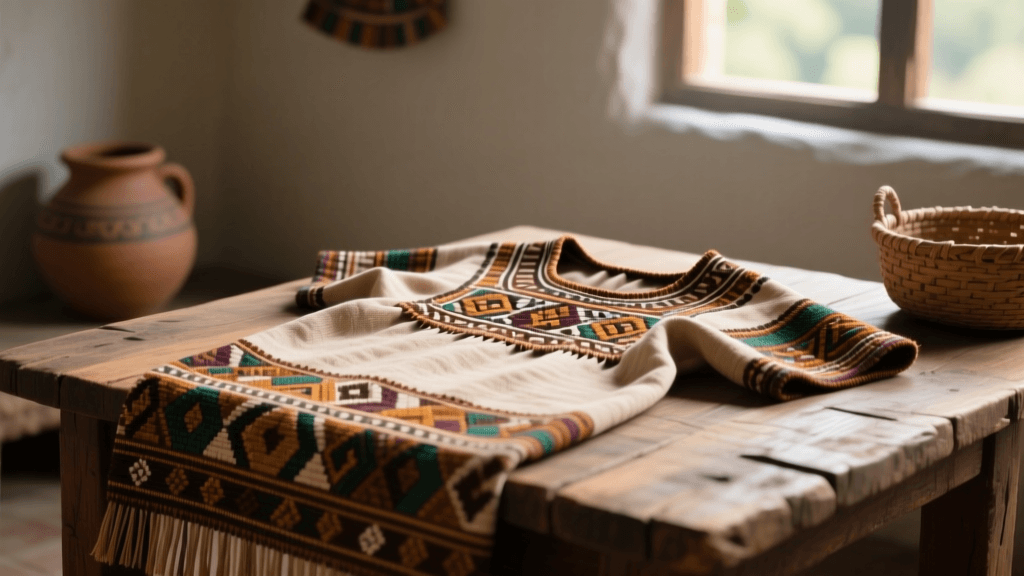
The huipil is far more than a traditional garment; it is a woven codex of Mayan identity, cosmology, and regional pride. In the highlands and lake basins of Guatemala, the huipil serves as a visual language, instantly communicating the wearer's village, marital status, and spiritual beliefs. As we navigate the textile market in 2026, the demand for authentic, indigenous-made garments has surged, driven by a global appreciation for slow fashion and cultural preservation. However, this rising demand has also flooded the market with machine-made imitations. For collectors, ethical fashion enthusiasts, and cultural historians, understanding the nuances of authentic Mayan weaving—specifically the masterful traditions of San Juan La Laguna on the shores of Lake Atitlán—is essential.
San Juan La Laguna, home to the Tz'utujil Maya, has become a global epicenter for natural dyeing and backstrap weaving cooperatives. In 2026, the village's artisan collectives continue to champion sustainable practices, ensuring that the ancient techniques passed down through generations remain economically viable for indigenous women. This comprehensive guide will equip you with the knowledge to identify, evaluate, and ethically purchase an authentic handwoven huipil from this remarkable region.
The Mechanics of the Backstrap Loom
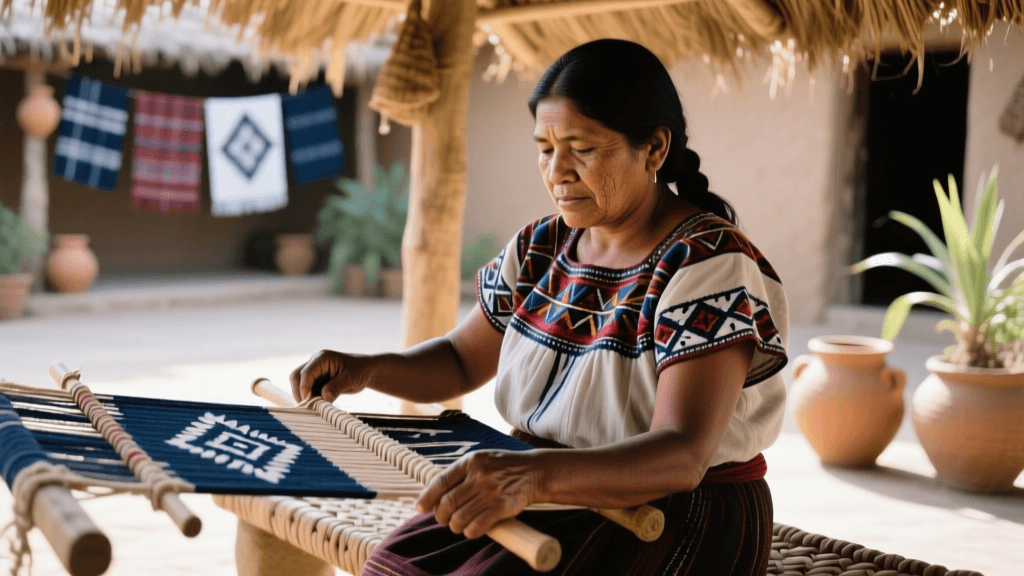
To truly appreciate the value of a genuine huipil, one must understand the painstaking mechanics of the backstrap loom (telar de cintura). Unlike the rigid, floor-standing pedal looms introduced by the Spanish, the backstrap loom is an extension of the weaver's own body. One end of the loom is tied to a sturdy post or tree, while the other is secured around the weaver's lower back via a leather or wooden strap. The weaver controls the tension of the warp threads entirely through the subtle shifting of her body weight.
This intimate connection between artisan and textile allows for the creation of complex brocade patterns directly into the weave, rather than being embroidered on top later. A single, high-quality huipil featuring intricate geometric motifs, local flora, and the ubiquitous Mesoamerican diamond (representing the four cardinal directions and the cycle of the sun) can take anywhere from three to six months of daily weaving to complete. In 2026, master weavers in San Juan La Laguna are increasingly blending these ancestral brocade techniques with contemporary color palettes, appealing to modern aesthetics while strictly adhering to traditional structural methods.
San Juan La Laguna: The Renaissance of Natural Dyes
What truly sets San Juan La Laguna apart from other weaving villages in Guatemala is its rigorous, community-wide commitment to natural dyes. While many regions transitioned to cheap, synthetic aniline dyes in the late 20th century, the women's cooperatives of San Juan La Laguna have spent the last two decades reviving and perfecting botanical dyeing processes. By 2026, the village boasts over a dozen specialized dyeing and weaving cooperatives that operate as living laboratories for indigenous botanical science.
The color extraction process is highly specialized. Artisans forage and cultivate specific plants to achieve a vibrant spectrum of hues:
- Indigo (Añil): Cultivated locally, the leaves are fermented in alkaline solutions to produce deep, colorfast blues ranging from pale sky to midnight navy.
- Cochineal (Cochinilla): A parasitic insect harvested from nopal cacti. When dried and crushed, it yields brilliant crimsons and purples. The addition of citrus juice or baking soda alters the pH, shifting the color spectrum dramatically.
- Sacatinta: A native plant that, when boiled and treated with mineral mordants, produces striking shades of black and dark charcoal.
- Avocado Pits and Eucalyptus Leaves: Used to extract warm terracottas, soft pinks, and muted olive greens.
Purchasing a naturally dyed huipil in 2026 means investing in an environmentally sustainable product that supports local agriculture and preserves ancestral ecological knowledge. Organizations like Trama Textiles have been instrumental in connecting these rural cooperatives with international markets, ensuring the artisans receive fair compensation for their highly skilled labor.
Buyer's Guide: Identifying Authentic Handwoven Textiles
The influx of mass-produced, machine-embroidered blouses masquerading as traditional huipiles is a significant challenge in the 2026 Latin American textile market. These garments, often imported from overseas or produced in large urban factories, undercut indigenous artisans and dilute cultural heritage. To ensure you are purchasing an authentic, backstrap-woven garment from San Juan La Laguna, use the following comparative guide.
| Feature | Authentic Backstrap-Woven Huipil | Machine-Made / Factory Imitation |
|---|---|---|
| Pattern Integration | Woven directly into the fabric (brocade); the pattern is visible and textured on both sides. | Embroidered or printed onto a flat, pre-existing piece of uniform cloth. |
| Fabric Edges | Selvage edges are finished on the loom; garments are often joined by intricate hand-stitched randa seams. | Raw edges are cut and serged; seams are standard machine straight-stitches. |
| Tension & Texture | Slight, organic variations in thread tension; fabric feels dense, heavy, and structured. | Perfectly uniform tension; fabric often feels thin, lightweight, and mass-produced. |
| Scent & Dye | Natural dyes may carry a faint, earthy, or botanical scent; colors have rich, organic depth. | Chemical or synthetic odor; colors are often overly bright, neon, or artificially uniform. |
| Time to Produce | 3 to 6 months of dedicated daily labor. | Minutes to a few hours on an industrial loom. |
Navigating the 2026 Market: Pricing and Ethical Cooperatives
Understanding the true cost of a huipil is vital for ethical consumption. In 2026, the pricing for authentic, naturally dyed, backstrap-woven huipiles reflects the immense labor and specialized knowledge required. When purchasing directly from cooperatives in San Juan La Laguna or through verified fair-trade partners, you should expect the following price brackets:
- Everyday Huipil (Cotton, simpler brocade, natural dyes): $180 – $250 USD. These are typically woven on a slightly wider loom and feature beautiful but less dense geometric patterns.
- Ceremonial / High-End Huipil (Dense brocade, silk-cotton blends, intricate zoomorphic motifs): $350 – $600+ USD. These masterworks can take over half a year to weave and feature complex representations of local mythology and the natural world.
- Vintage / Antique Huipiles: $500 – $1,500+ USD. Sourced from private collections or specialized dealers, these pieces hold immense historical and anthropological value.
When buying in local markets or tourist shops, aggressive haggling is heavily discouraged. According to guidelines promoted by the Fair Trade Federation, bargaining down the price of an indigenous artisan's work devalues their time and perpetuates economic marginalization. Instead, seek out established cooperatives such as the Asociación de Artesanas de San Juan La Laguna or Cooperativa San Juan, where prices are fixed, transparent, and directly benefit the weaver's family and community education funds.
Caring for Your Naturally Dyed Textile
Owning an authentic huipil requires a commitment to proper textile care, especially when dealing with natural dyes and hand-spun cotton. To preserve the structural integrity and color vibrancy of your garment for decades, follow these strict maintenance protocols:
- Washing: Never use commercial detergents or bleach. Hand wash the garment in cold water using a pH-neutral soap, such as baby shampoo or a specialized textile wash. Do not soak for more than five minutes to prevent dye bleeding.
- Drying: Never wring or twist the heavy cotton. Gently press out excess water by rolling the huipil in a clean, dry towel. Lay it flat in the shade to dry. Direct sunlight will rapidly fade natural dyes like cochineal and indigo.
- Storage: Store the garment flat or gently rolled in a breathable cotton bag. Avoid wire hangers, which can distort the heavy shoulder seams. Include natural cedar blocks or dried lavender to deter moths without introducing harsh chemical odors.
Conclusion: Wearing a Living Heritage
Purchasing a Mayan huipil in 2026 is an act of cultural solidarity. It is a rejection of fast fashion and an embrace of sustainable, deeply meaningful textile arts. By educating yourself on the mechanics of the backstrap loom, the chemistry of natural dyes, and the economic realities of indigenous cooperatives in San Juan La Laguna, you ensure that your acquisition honors the hands that made it. The huipil is not merely a piece of clothing; it is a wearable archive of Tz'utujil history, woven thread by thread into the future.