Authentic Mayan Huipiles 2026: Sourcing & Pricing Guide
The Enduring Legacy of the Mayan Huipil in 2026
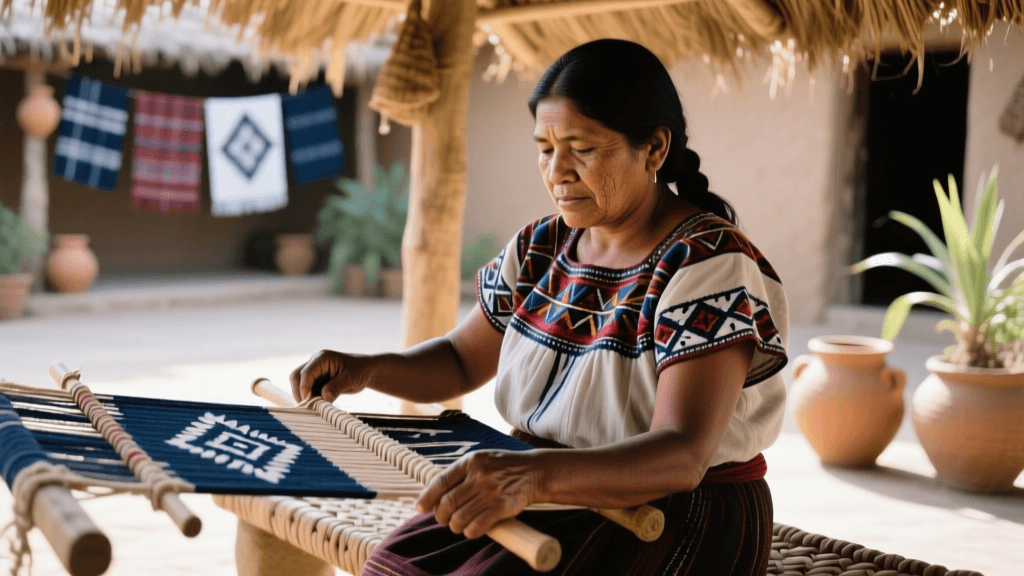
The traditional Mayan huipil is far more than a garment; it is a woven manuscript of indigenous identity, cosmology, and ancestral resistance. Across the highlands of Guatemala and southern Mexico, these intricately brocaded tunics have been worn for centuries, with each village maintaining distinct motifs, color palettes, and weaving techniques. As we navigate the global textile and ethical fashion market in 2026, the huipil stands at a critical intersection. On one hand, there is unprecedented global appreciation for slow fashion and artisanal craftsmanship. On the other, indigenous communities face ongoing challenges regarding cultural appropriation, mass-produced knock-offs, and the undervaluation of their labor.
For collectors, textile enthusiasts, and conscious consumers, understanding how to authenticate, source, and properly value these garments is essential. This comprehensive guide explores the technical markers of authentic backstrap-woven huipiles, outlines the current 2026 market pricing, and provides actionable advice for supporting indigenous weaving cooperatives directly.
Anatomy of the Backstrap Loom
To authenticate a huipil, one must first understand the tool used to create it: the backstrap loom. This ancient, portable device relies on the weaver’s body weight to maintain tension. One end of the loom is tied to a sturdy post or tree, while the other is secured around the weaver’s lower back via a belt (the backstrap).
The rhythmic leaning forward and backward allows the artisan to open and close the shed (the space between warp threads), passing the shuttle through to create the fabric. Because the width of the cloth is limited by the reach of the weaver’s arms, huipiles are traditionally constructed from one, two, or three separate panels (called lienzos) that are later joined together using intricate, decorative randa stitching. The presence of these joined panels, along with the slight, organic irregularities in warp tension, are the first hallmarks of a genuine, hand-woven textile.
Authentication Guide: Handwoven vs. Machine-Made
The 2026 market is unfortunately saturated with machine-embroidered and factory-loomed imitations designed for fast-fashion tourists. Distinguishing a true artisanal huipil from a mass-produced replica requires close inspection of the textile's structure. Below is a comparative guide to help you authenticate your purchase.
| Feature | Authentic Handwoven (Backstrap Loom) | Machine-Made / Factory Imitation |
|---|---|---|
| Brocade Integration | Supplementary weft threads are woven into the fabric during the weaving process. The design is integrated into the cloth structure. | Designs are embroidered onto pre-woven fabric. You can pull the threads away from the base cloth. |
| Reversibility | The inside of the garment often looks nearly as neat as the outside, with minimal loose threads or floating yarns. | The reverse side is messy, filled with jump stitches, backing paper, or tangled bobbin threads. |
| Fabric Width & Seams | Made of 1 to 3 narrow panels (usually 12-18 inches wide each) joined by hand-stitched randa seams. | Cut from wide, continuous bolts of commercial fabric. Seams are standard, machine-locked edges. |
| Warp Fringes | The top and bottom edges often feature hand-tied warp knots or intricate macrame fringes. | Edges are machine-hemmed or serged. Fringes are sewn on as separate trims. |
| Tension & Feel | Heavy, dense, and slightly stiff due to high warp thread count and tight hand-beating with a wooden batten. | Lightweight, flimsy, and uniformly soft, typical of commercial cotton or polyester blends. |
Regional Styles and Ceremonial Significance
The Mayan world is not a monolith, and the huipil serves as a geographical and social identifier. When sourcing in 2026, recognizing regional variations will help you understand the cultural weight and relative value of the piece you are acquiring.
Chichicastenango: The Sun and the Cosmos
Huipiles from Chichicastenango are renowned for their vibrant reds, yellows, and purples. The most prized motif is the cofre (chest) design, featuring a large, intricate diamond representing the sun and the four cardinal directions. Ceremonial huipiles from this region, often worn by the wives of cofradia (religious brotherhood) leaders, are massive, heavily brocaded garments that can take up to a year to weave.
Nahualá: The Indigo and White Tradition
In contrast to the rainbow palettes of other highland towns, Nahualá is famous for its striking, austere huipiles. Traditionally woven with natural indigo-dyed cotton and undyed white, these garments feature geometric animal motifs—particularly stylized birds and deer. In 2026, the revival of natural indigo fermentation vats in Nahualá has made these deeply traditional, eco-conscious textiles highly sought after by sustainable fashion curators.
San Juan Cotzal: The Heavy Brocade
Located in the remote Cuchumatanes mountains, Cotzal produces some of the heaviest and most densely brocaded huipiles in Guatemala. The base cloth is often entirely obscured by thick, supplementary weft patterns in deep reds, greens, and yellows, depicting stylized flora and fauna. The sheer volume of cotton and the months of labor required make authentic Cotzal huipiles premium collector's items.
The 2026 Revival of Natural Dyes
A major trend shaping the Latin American textile market in 2026 is the aggressive return to natural, pre-Columbian dyeing techniques. Artisan cooperatives are moving away from synthetic aniline dyes, reviving the use of cochineal (an insect that produces brilliant carminic acid reds and purples), añil (indigo), and sacatinta (black walnut).
When sourcing, ask the vendor about the dye process. A huipil dyed with natural cochineal will have a distinct, earthy scent and will exhibit slight color variations (abrash) across the garment, which is a highly desirable marker of authenticity and artisanal mastery. According to the Maya Traditions Foundation, cooperatives that invest in natural dye cultivation not only produce superior textiles but also protect local biodiversity and ensure healthier working conditions for weavers who are no longer exposed to toxic chemical mordants.
Ethical Sourcing and 2026 Market Pricing
The conversation around indigenous textiles has rightfully shifted from mere 'acquisition' to ethical partnership. Organizations like Cultural Survival continually advocate for the intellectual property rights of indigenous weavers, urging buyers to avoid middlemen who exploit artisans by purchasing garments by the pound and marking them up by 500% in Western boutiques.
In 2026, the most ethical way to source a huipil is through direct-to-artisan digital cooperatives, verified fair-trade NGOs, or by purchasing in person at municipal markets where you can negotiate directly with the weaver. Below is a breakdown of current 2026 market valuations for authentic, hand-woven huipiles.
2026 Pricing Tiers (USD)
- Daily Wear / Modern Huipiles ($45 - $90): Woven with commercial cotton and synthetic threads. These are beautiful, durable garments meant for everyday use by local women. They feature simpler brocade patterns and take 2 to 4 months to weave.
- Vintage / Mid-Century Huipiles ($150 - $350): Sourced from antique textile dealers. These pieces (dating from the 1960s to 1990s) often feature hand-spun cotton and older, more complex regional motifs that have since been simplified. Condition varies, and they may require professional textile conservation.
- Fine Ceremonial / Cofradia Huipiles ($400 - $850+): Museum-quality pieces. Woven entirely with natural dyes, hand-spun cotton, and sometimes incorporating silk or metallic threads. These are masterworks that take 8 to 14 months of continuous labor. Pricing reflects the true living wage and mastery of the weaver.
Navigating Cultural Appreciation vs. Appropriation
Wearing a huipil as a non-indigenous person requires cultural sensitivity. In 2026, the consensus among indigenous rights advocates is that purchasing and wearing these garments is a form of cultural appreciation if done respectfully. This means:
- Never wear a ceremonial or cofradia huipil. These hold deep religious significance and are reserved for indigenous spiritual leaders.
- Do not alter the garment. Cutting a huipil to 'modernize' the fit, or turning it into a pillowcase or handbag, is widely considered deeply disrespectful to the artisan's labor and the garment's cultural spirit.
- Know the story. Be prepared to tell people where the garment came from, who made it, and the significance of the motifs. Use your platform to elevate the artisan, not just the aesthetic.
Care and Preservation of Handwoven Textiles
Authentic huipiles are heavy, dense, and delicate. To preserve your textile investment for decades, adhere to the following care protocols:
- Washing: Never machine wash a hand-woven huipil. Hand wash gently in cold water using a pH-neutral, eco-friendly detergent. Do not wring or twist the fabric; instead, press the water out between two clean towels.
- Drying: Dry flat in the shade. Direct sunlight will rapidly fade both natural and synthetic dyes.
- Storage: Store the garment flat or gently rolled around acid-free tissue paper in a cedar chest. Avoid wire hangers, as the sheer weight of the brocaded cotton will warp the shoulders and break the warp threads over time.
- Ironing: If necessary, iron on a low setting with a pressing cloth between the iron and the embroidery to prevent crushing the raised brocade motifs.
Conclusion
The Mayan huipil remains one of the most sophisticated and culturally rich textile traditions in the Americas. As the 2026 market continues to evolve, the power lies with the consumer. By learning to read the language of the backstrap loom, demanding transparency in the supply chain, and paying fair, living-wage prices, collectors and fashion enthusiasts can help ensure that this magnificent ancestral art form continues to thrive for generations to come.