2026 Japanese Garment Guide: Kimono, Yukata & Hakama
The Renaissance of Japanese Traditional Garments in 2026
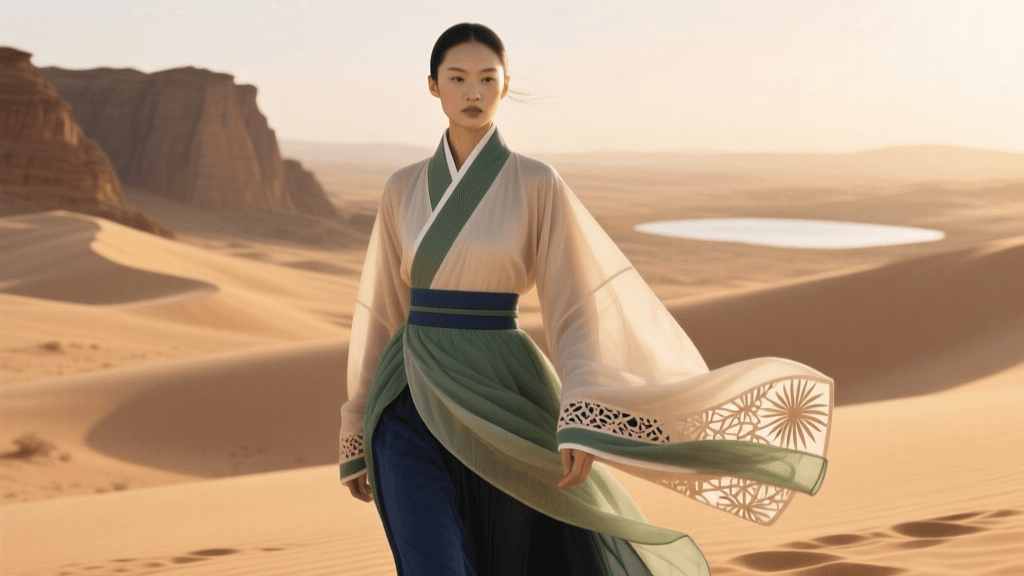
As we navigate the fashion landscape of 2026, Japanese traditional garments—collectively known as wafuku—are experiencing a profound global and domestic renaissance. No longer relegated solely to tea ceremonies or coming-of-age festivals, garments like the kimono, yukata, and hakama are being reimagined for contemporary lifestyles. Driven by advancements in sustainable textile manufacturing and a renewed appreciation for artisanal craftsmanship, modern wearers are blending centuries-old silhouettes with 2026's cutting-edge fabric technologies. Whether you are a collector of vintage silk, a martial arts practitioner, or a fashion enthusiast looking to incorporate structured elegance into your wardrobe, understanding the nuances of these garments is essential.
This comprehensive guide breaks down the anatomy, fabric innovations, and styling rules for Japan's most iconic traditional wear, ensuring you can navigate the market with confidence and cultural respect.
The Kimono: Anatomy, Types, and Modern Silk Innovations
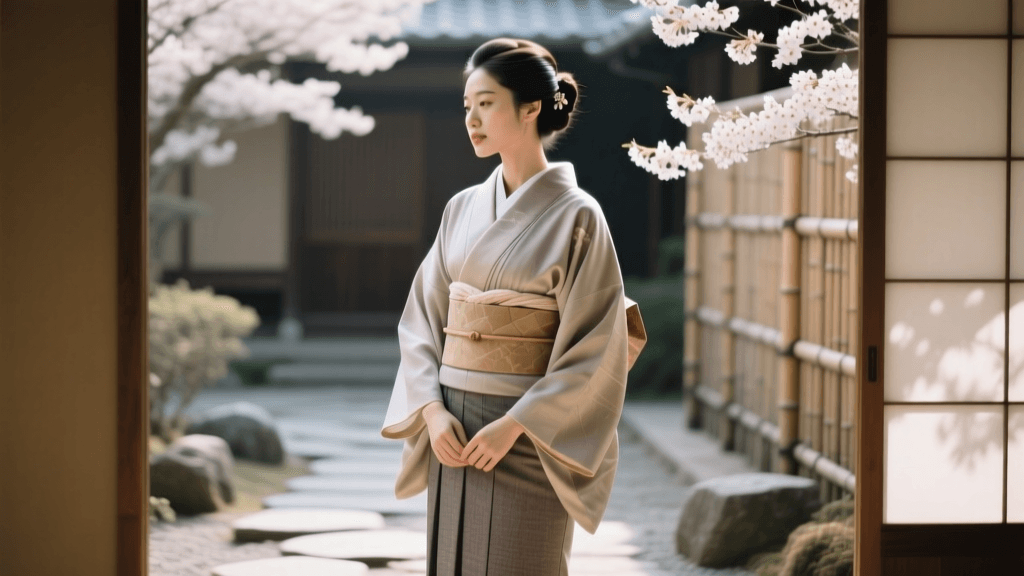
The kimono (literally 'thing to wear') is the cornerstone of Japanese traditional dress. Characterized by its T-shaped, straight-lined silhouette, the kimono is wrapped left over right and secured with an obi (sash). In 2026, the kimono market is defined by a fascinating dichotomy: the preservation of hyper-traditional weaving techniques and the explosion of 'washable silk' technologies.
Formal vs. Casual Kimono Types
- Kurotomesode: The most formal kimono for married women. It is solid black with five family crests (kamon) and features elaborate, continuous patterns (e-ba) only below the waist. In 2026, authentic Kurotomesode remain a significant investment, often passed down as heirlooms.
- Furisode: The formal wear for unmarried women, instantly recognizable by its long, swinging sleeves (ranging from 85cm to 114cm). Modern 2026 Furisode designs increasingly feature bold, graphic Yuzen dyeing and metallic leaf applications that appeal to younger demographics.
- Komon: The casual, everyday kimono featuring small, repeating patterns across the entire garment. This is the most versatile type for beginners and is frequently paired with modern, textured obi belts for a relaxed aesthetic.
2026 Fabric Tech: The Rise of Washable Silk
Historically, cleaning a silk kimono required arai-hari—a meticulous process of unsewing the garment, washing the flat fabric panels, and re-sewing it. However, 2026 has seen the mainstream adoption of advanced washable silks. By treating silk fibroin proteins with specialized bio-enzymes before weaving, manufacturers have created kimonos that can be gently machine-washed without losing their structural integrity or the coveted chirimen (crepe) texture. This innovation has drastically lowered the barrier to entry for daily kimono wearers.
The Yukata: Summer Festivals and Advanced Cotton Weaves
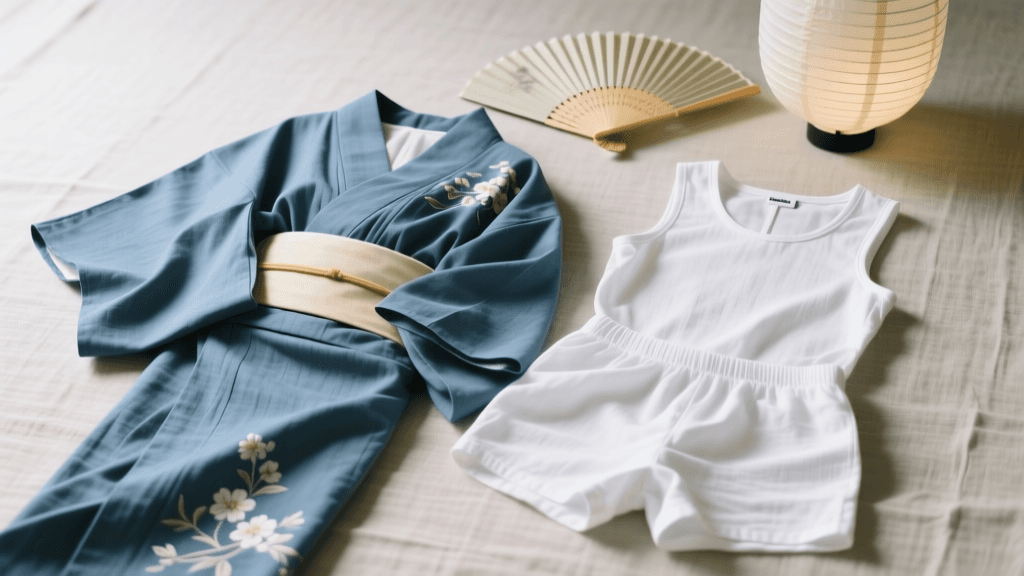
The yukata is the kimono's lightweight, unlined cousin, traditionally worn during the humid Japanese summer and at bon odori (summer festivals). While historically made of simple indigo-dyed cotton, the 2026 yukata market offers a staggering variety of weaves and blends designed for maximum breathability.
Beyond Basic Cotton: Shijira-ori and Linen Blends
For those seeking premium summer wear, Shijira-ori has become the gold standard in 2026. Originating from Tokushima, this weaving technique creates a distinct puckered texture that prevents the fabric from clinging to sweaty skin. Furthermore, modern cotton-linen blends have surged in popularity, offering the crisp drape of linen with the soft absorbency of cotton. According to textile historians at the Victoria and Albert Museum's Asian Collections, the evolution of summer garments in Japan reflects a continuous historical dialogue between climate adaptation and aesthetic expression, a trend that continues fiercely today.
Styling the Modern Yukata
While traditional yukata are worn with a standard hanhaba obi (half-width sash), 2026 styling frequently incorporates the heko obi—a soft, scarf-like sash tied in voluminous, asymmetrical bows. Pairing a yukata with lace-up sandals or modern minimalist jewelry has also become a staple of Harajuku and Kyoto street style.
The Hakama: From Martial Arts to Graduation Elegance
The hakama is a pleated, divided skirt or wide-legged trouser worn over a kimono. Traditionally associated with samurai and martial artists, the hakama has evolved into a symbol of academic achievement and modern sartorial fusion.
Types of Hakama
- Umemebachi (Horsehair Hakama): Stiff, heavily structured, and typically worn by women for university graduations. In 2026, rich jewel tones and subtle geometric embroidery have replaced the traditional solid maroon or navy.
- Andon (Lantern Hakama): An undivided, skirt-like hakama that is easier to wear and highly popular among women for everyday formal wear.
- Nobakama: Tapered at the ankle, originally designed for field work and travel. This style has seen a massive resurgence in 2026 as a staple in gender-neutral, avant-garde fashion lines.
The traditional hakama features five pleats in the front and two in the back, symbolizing the virtues of bushido. When styling a hakama for a graduation ceremony, it is customary to pair it with a furisode or a komon featuring auspicious motifs. For a deep dive into the cultural protocols of wearing these garments, the Japan Guide's comprehensive section on traditional clothing remains an invaluable resource for international visitors and residents alike.
Comprehensive Comparison Chart: 2026 Market Overview
Understanding the differences in formality, fabric, and cost is crucial when building a traditional Japanese wardrobe. Below is a structured comparison of the three primary garments based on 2026 market data.
| Garment | Formality Level | Primary 2026 Fabrics | Average Price (USD) | Best Occasion |
|---|---|---|---|---|
| Kurotomesode | Ultra-Formal | Heavy Silk Crepe, Nishijin Brocade | $2,500 - $8,000+ | Weddings (Mother of Bride/Groom) |
| Komon | Casual / Semi-Formal | Washable Silk, Tsumugi (Pongee) | $300 - $1,200 | Theater, Dining, Tea Ceremony |
| Yukata | Casual | Cotton, Shijira-ori, Linen Blends | $80 - $400 | Summer Festivals, Fireworks, Ryokan |
| Hakama | Formal / Academic | Polyester-Silk Blends, Wool, Silk | $150 - $900 | Graduations, Martial Arts, Shrine Visits |
Essential Accessories: Footwear and Undergarments
A kimono or yukata is never worn alone; the undergarments and footwear are just as critical to the silhouette and comfort of the wearer.
The Foundation: Juban and Koshihimo
The nagajuban is the under-kimono that protects the outer silk from sweat and oils. In 2026, moisture-wicking synthetic hadajuban (innermost undershirt) paired with breathable bamboo-blend nagajuban are the standard for comfort. To secure the garments before tying the obi, wearers use koshihimo (thin cotton ties) and datejime (wide elastic or silk belts). The 2026 market has seen the introduction of silicone-grip datejime, which prevent the obi from slipping without the need for overly tight, restrictive tying.
Footwear: Zori, Geta, and the Tabi Evolution
Footwear completes the ensemble. Zori (flat, woven sandals) are worn with formal kimono, while geta (wooden clogs) are the traditional pairing for yukata. Both require tabi—split-toe socks. While traditional white cotton tabi remain mandatory for formal events, 2026 has embraced the 'sneaker-tabi' hybrid: split-toe footwear with rubberized, ergonomic soles that provide arch support for all-day festival walking, bridging the gap between historical aesthetics and modern podiatric science.
Sourcing Authentic Garments and 2026 Market Trends
For those looking to invest in authentic pieces, knowing where to look is paramount. The Kyoto City Traditional Crafts portal highlights the enduring legacy of regions like Nishijin, famous for its intricate brocade obi, and Kanazawa, renowned for its Kaga Yuzen dyeing techniques.
In 2026, the secondary market for vintage kimono (known as recycle kimono in Japan) is booming. Platforms specializing in authenticated vintage silk allow global buyers to acquire mid-century masterpieces for a fraction of their original cost. However, buyers must be vigilant about checking for shimi (stains) and hi-iro (fading from light exposure). When purchasing online, always request detailed photos of the collar, the hem, and the inside lining.
Care and Maintenance in the Modern Era
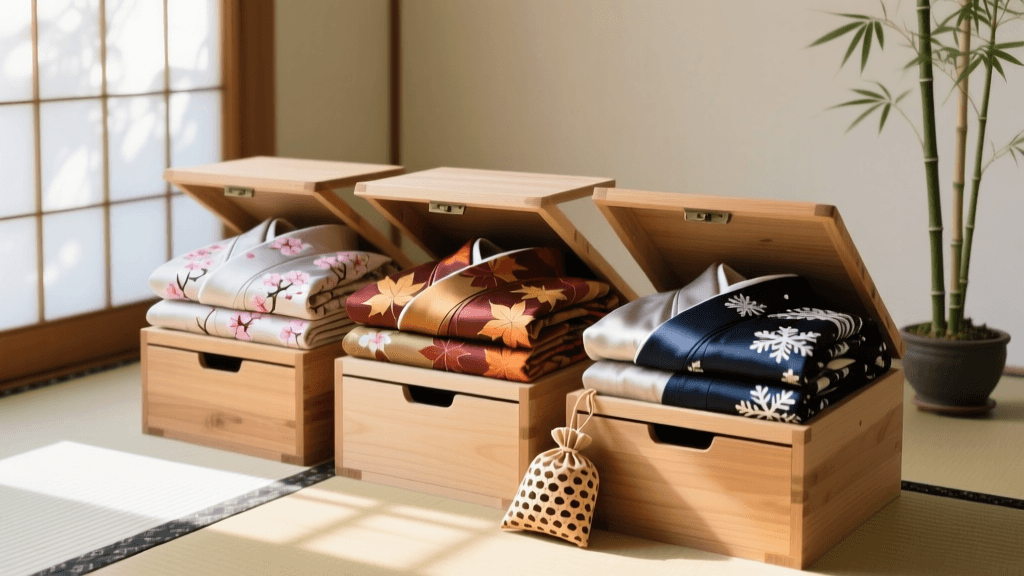
Proper storage is the key to preserving silk garments. Kimonos should never be left on standard hangers, as the weight of the silk will distort the shoulders. Instead, they must be folded along their original seam lines and stored in tatou (specialized acid-free paper envelopes) inside a paulownia wood chest, which naturally regulates humidity and repels insects. For cleaning, 2026's ozone-based dry cleaning technologies offer a chemical-free way to neutralize odors and kill bacteria on delicate silks without degrading the natural fibers or metallic threads.
Conclusion
The landscape of Japanese traditional garments in 2026 is a vibrant intersection of heritage and innovation. Whether you are draping yourself in a breathable Shijira-ori yukata for a summer matsuri, commanding a room in a structured Kurotomesode, or embracing the academic elegance of a graduation hakama, these garments offer a profound connection to Japanese culture. By understanding the specific types, embracing modern fabric technologies, and respecting the foundational rules of styling, you can wear wafuku with both authenticity and contemporary flair.