Complete Guide to Kimono Layering and Obi Styles 2026
The Renaissance of Kitsuke in 2026
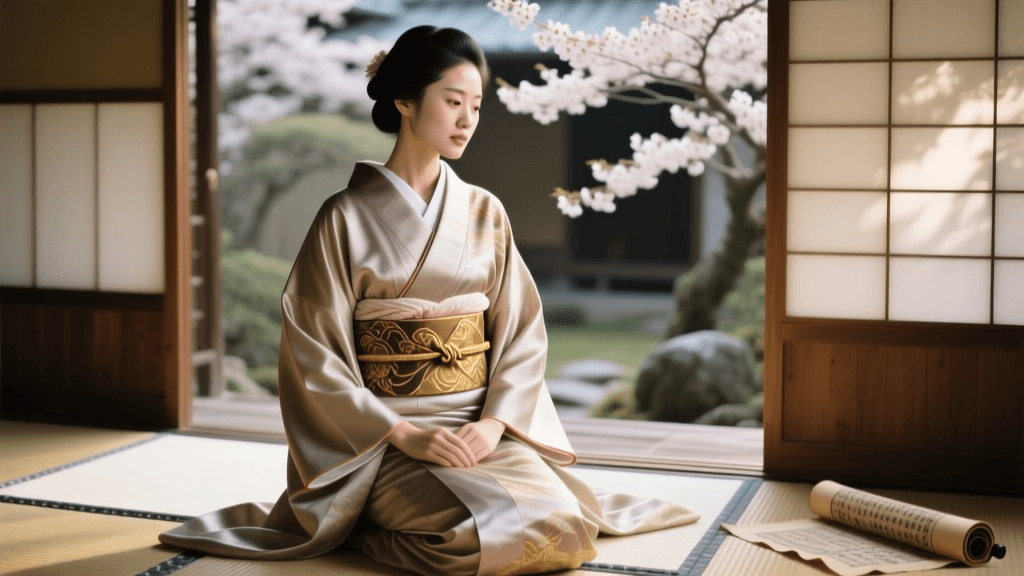
The art of kitsuke (kimono dressing) has experienced a profound renaissance in 2026. No longer reserved strictly for coming-of-age ceremonies or tea ceremonies, traditional Japanese garments are being embraced by a new generation of fashion enthusiasts who value sustainability, artisanal craftsmanship, and cultural heritage. According to the Victoria and Albert Museum, the global appreciation for the kimono's structural elegance and textile artistry continues to grow, bridging the gap between historical preservation and contemporary wardrobes.
Today, mastering the kimono requires an understanding of its intricate layering system and the architectural beauty of the obi (sash). This comprehensive guide explores the essential techniques for authentic kimono layering, the structural nuances of Nishijin-ori obi belts, and modern preservation methods to protect these investment pieces in 2026.
The Foundation: Essential Kimono Layering
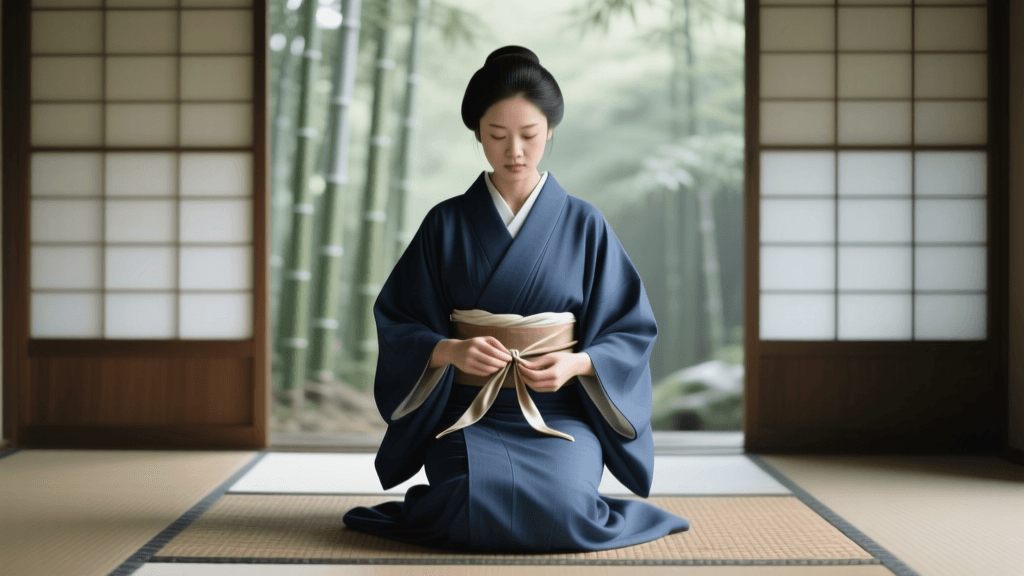
Unlike Western garments that rely on tailoring and darts to fit the body's contours, the kimono is a flat, T-shaped garment that relies entirely on layering and binding to create its signature cylindrical silhouette. Proper layering ensures comfort, protects the delicate outer silk from body oils, and dictates the formality of the outfit.
1. The Hadajuban and Susoyoke
The base layer consists of the hadajuban (a thin, short-sleeved cotton or silk undergarment) and the susoyoke (a half-slip worn around the waist). In 2026, many modern practitioners opt for breathable, moisture-wicking bamboo-blend fabrics for these base layers, especially during the humid Japanese summers, ensuring the outer silk remains pristine.
2. The Nagajuban
Over the base layer goes the nagajuban, a full-length under-robe. The collar of the nagajuban, known as the han-eri, is designed to peek out just above the collar of the outer kimono. This small detail is a crucial focal point in Japanese fashion. A crisp, white han-eri is standard for formal wear, while embroidered or patterned collars are utilized for semi-formal and casual occasions.
3. Binding and Shaping
To achieve the ideal silhouette, the body's natural curves must be gently minimized. This is done using koshihimo (long, thin cotton ties) and datejime (wider, elasticized silk or cotton belts). A standard koshihimo measures approximately 130cm in length and 5cm in width. In 2026, ergonomic, velcro-fastened datejime have become incredibly popular among beginners, replacing the need for complex tying techniques while providing a secure, non-slip foundation for the heavy outer garments.
Seasonal Layering: Kasane no Irome
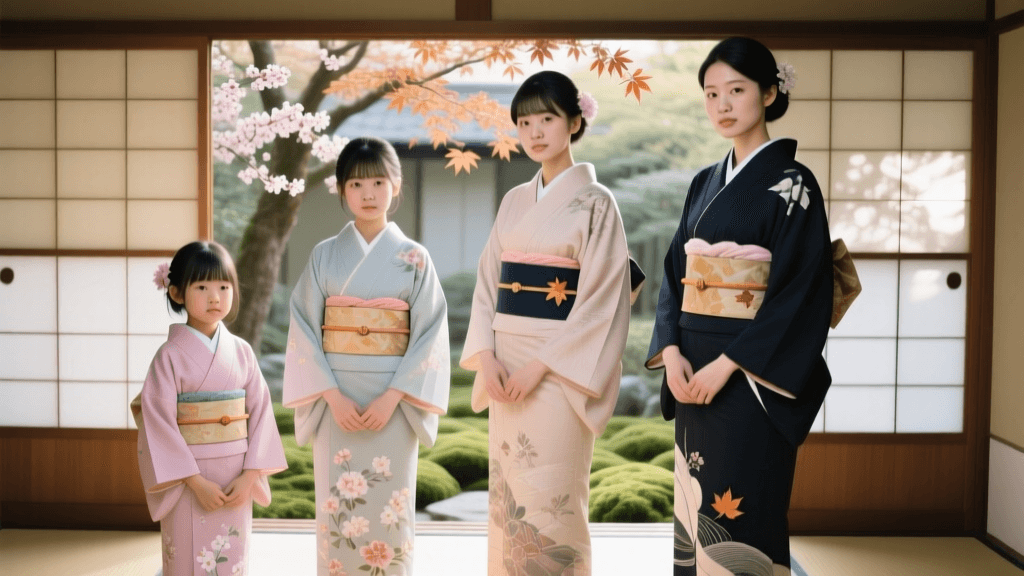
One of the most poetic aspects of Japanese fashion is kasane no irome, the traditional art of color layering that reflects the changing seasons. While historically associated with the Heian period's multi-layered junihitoe, modern kimono styling incorporates this philosophy through the subtle interplay between the outer kimono, the obi, the obi-jime (decorative cord), and the han-eri.
For example, in early spring 2026, a popular combination involves a pale pink outer kimono layered over a vibrant magenta nagajuban, with a subtle green obi-jime to represent new buds on plum branches. This mindful coordination demonstrates a deep respect for nature and the passage of time, which remains central to Asian traditional garment customs.
The Art of the Obi: Types and Formality
The obi is not merely a belt; it is the centerpiece of the kimono ensemble, often costing more than the kimono itself. Woven in the historic Nishijin district of Kyoto, Nishijin-ori textiles are renowned for their complex brocade patterns and use of gold and silver threads. The Nishijin Textile Center continues to champion these weaving methods, integrating sustainable silk farming practices into their 2026 production cycles while maintaining centuries-old loom techniques.
Selecting the correct obi depends entirely on the formality of the kimono and the occasion. Below is a comprehensive breakdown of the primary obi types used in contemporary styling.
| Obi Type | Length / Width | Formality Level | Best Paired With |
|---|---|---|---|
| Maru Obi | ~4.5m / ~68cm (folded) | Highest (Ceremonial) | Uchikake, Kurotomesode |
| Fukuro Obi | ~4.5m / ~31cm | Formal / Semi-Formal | Furisode, Homongi |
| Nagoya Obi | ~3.6m / ~31cm | Semi-Formal / Casual | Tsukesage, Komon |
| Hanhaba Obi | ~3.6m / ~15cm | Casual / Everyday | Yukata, Wool Kimono |
Mastering the Otaiko Musubi (Drum Knot)
The Otaiko musubi is the most ubiquitous and elegant knot for married women or those attending formal events. It creates a smooth, drum-like shape at the lower back. To tie this knot with a Fukuro obi, the wearer must first fold the obi in half lengthwise. The otaiko-ban (a specialized cardboard or plastic shaping board) and an obi-makura (a small silk-covered pillow) are inserted into the top fold to give the knot its structural volume. The obi-age (a silk scarf) is tucked above the knot, while the obi-jime cord is threaded through the center to secure it. In 2026, pre-tied Otaiko clips are available for travel, but learning the traditional hand-tying method remains a rite of passage for serious practitioners.
The Bunko Musubi (Butterfly Knot)
Reserved for unmarried women and semi-formal or festive occasions, the Bunko musubi resembles a large, dramatic butterfly. It requires a longer Fukuro obi and relies on precise folding of the 'wings' and a tight, secure center bind. This knot is highly visible and allows the weaver's intricate Nishijin patterns to be fully displayed across the back.
Sourcing and Preserving Nishijin-ori Textiles
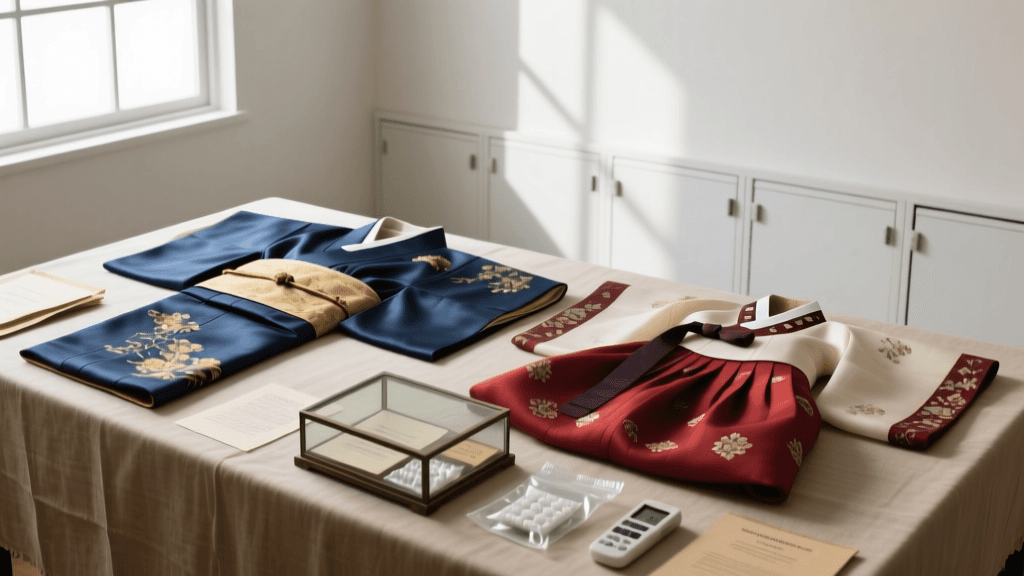
Investing in a vintage or newly woven Nishijin-ori kimono and obi requires meticulous care. Silk is a protein fiber highly susceptible to light, moisture, and pests. Japan's commitment to safeguarding these textile techniques is well-documented, with many traditional weaving and dyeing methods recognized under UNESCO's Intangible Cultural Heritage frameworks, ensuring that the knowledge of preservation is passed down alongside the craft itself.
Modern Storage Solutions for 2026
Traditionally, kimonos are stored in tansu (wooden chests) made from kusu (camphorwood), which naturally repels insects. In 2026, collectors and enthusiasts are upgrading these traditional chests with IoT (Internet of Things) climate sensors. These discreet monitors track internal humidity and temperature, sending alerts to a smartphone if the environment deviates from the ideal preservation range of 50-55% relative humidity and 18-20°C (64-68°F).
The Art of Tatami-fu (Folding) and Tatoushi
Never hang a silk kimono; the weight of the fabric and the intricate metallic threads of the obi will cause irreversible stretching and distortion. Instead, the garment must be folded along its designated seams into a precise rectangle. Once folded, it is wrapped in tatoushi—acid-free, breathable paper specifically designed for textile storage. Avoid plastic garment bags, as they trap moisture and emit off-gassing chemicals that can yellow delicate silk dyes over time.
Conclusion
The world of Japanese traditional fashion is a masterclass in intentionality. Every layer, from the hidden hadajuban to the show-stopping Nishijin-ori Fukuro obi, serves a distinct functional and aesthetic purpose. As we navigate 2026, the fusion of smart preservation technology with ancient weaving techniques ensures that these magnificent garments will continue to be worn, admired, and preserved for generations to come. Whether you are attending a formal tea ceremony or simply exploring the rich history of Asian textile traditions, mastering the art of kimono layering and obi styling offers a profound connection to Japan's enduring cultural legacy.