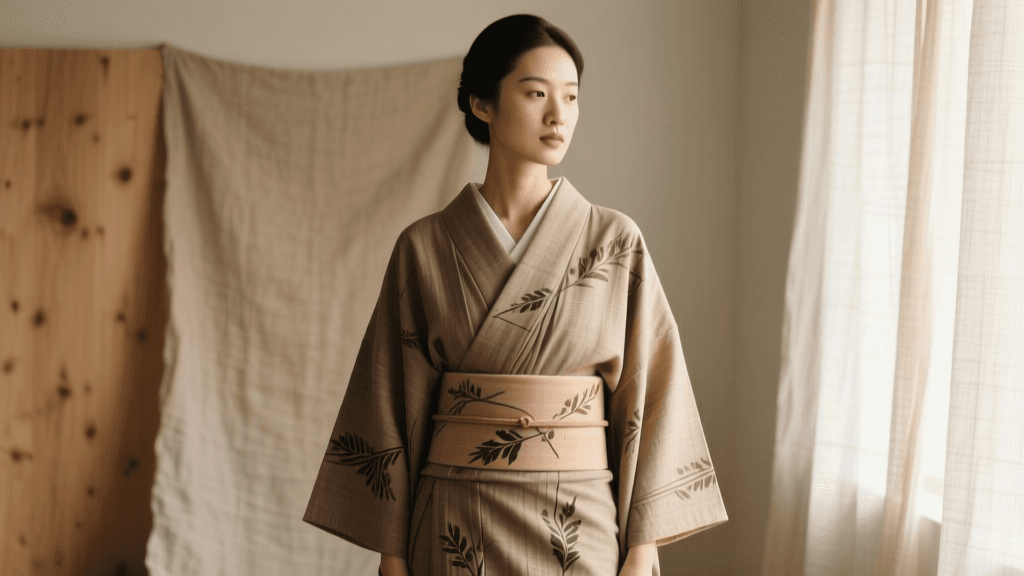
Modern Japanese Haori Styling Guide 2026: Traditional to Streetwear
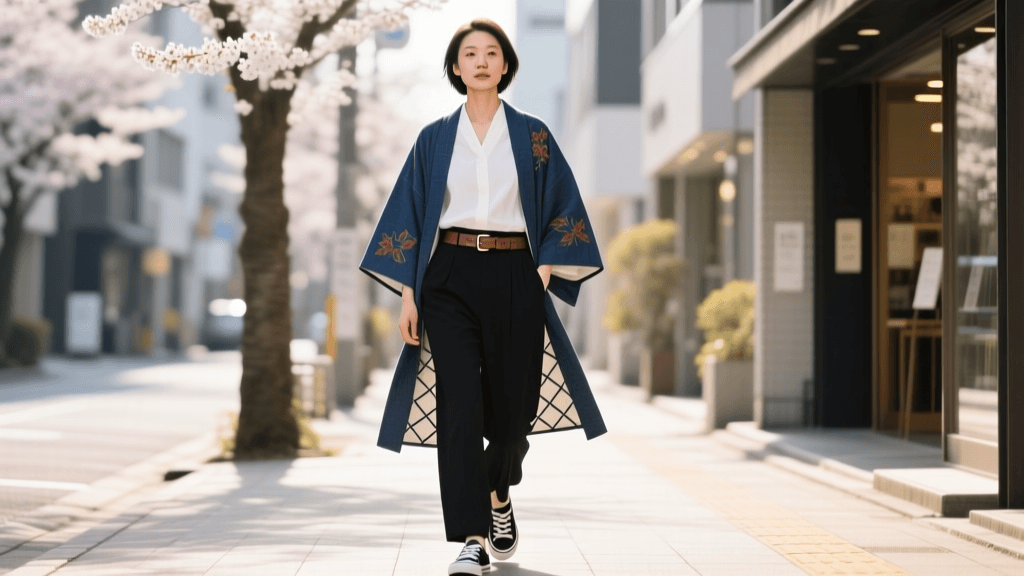
The Evolution of the Haori in 2026
The Japanese haori, a traditional hip- or thigh-length kimono-style jacket, has experienced a massive renaissance in global fashion. Originally worn by samurai during the Edo period to protect their kimono from the elements and display family crests, the haori has transcended its historical boundaries. As of 2026, it stands at the vibrant intersection of heritage preservation and contemporary global streetwear. No longer confined to formal ceremonies or tea houses, the haori is now a versatile layering piece seen on the runways of Paris, the streets of Harajuku, and in the everyday wardrobes of fashion-forward individuals worldwide.
Understanding how to wear, style, and care for a haori in 2026 requires a deep appreciation of its anatomy, textile innovations, and the cultural nuances of Japanese layering. This comprehensive guide will walk you through everything from traditional silk weaves to modern tech-blends, ensuring your haori styling is both culturally respectful and cutting-edge.
The Anatomy and Textiles of the Modern Haori
To style a haori correctly, one must first understand its unique construction. Unlike Western jackets, the haori features a straight, T-shaped silhouette with no darts or tailoring at the waist. Key anatomical features include the eri (collar), which is meant to fold back elegantly; the sode (sleeves), which often feature deep, swinging openings; and the waki-aki (underarm slits). Historically, these slits allowed for ease of movement and sword-wearing; today, they provide essential breathability and a distinctive, fluid drape over modern clothing.
Heritage Textiles: Oshima Tsumugi and Yuki Tsumugi
In the realm of authentic vintage and artisanal haori, Tsumugi (pongee silk) remains the gold standard for casual and semi-formal wear. Oshima Tsumugi, originating from Amami Oshima, is renowned for its intricate mud-dyeing process. The silk threads are dyed using the teichiku (ironwood) tree and iron-rich mud, resulting in a distinctive dark, lustrous brown or black fabric that is remarkably lightweight and wrinkle-resistant. According to the Victoria and Albert Museum's extensive archives on Japanese dress, the meticulous hand-weaving and dyeing techniques of Tsumugi represent some of the most complex textile engineering in human history.
2026 Innovations: Tech-Silk and Weather-Resistant Blends
The year 2026 has introduced exciting material innovations to the haori market. Recognizing the need for everyday practicality, modern Kyoto-based ateliers have begun blending traditional silk with recycled, hydrophobic synthetic threads. These 'tech-silk' haori maintain the matte texture and acoustic rustle of pure silk but offer genuine water resistance and UV protection, making them ideal for unpredictable urban commutes. Furthermore, modern Ro and Sha (summer gauze weaves) are now being treated with eco-friendly, plant-based stiffening agents to help the unlined jackets hold their architectural shape in high humidity.
2026 Styling Matrix: Traditional vs. Contemporary Streetwear
The true beauty of the haori in 2026 lies in its chameleon-like ability to adapt to different aesthetics. Below is a comprehensive styling matrix comparing traditional formal wear with the contemporary streetwear interpretations dominating fashion districts today.
| Styling Element | Traditional Formal (Kimonoshita) | 2026 Contemporary Streetwear |
|---|---|---|
| Inner Layer | Formal Kimono (Tomesode or Houmongi) with Juban undergarment | High-neck merino wool sweater, oversized graphic tee, or structured turtleneck |
| Bottoms | Hakama (pleated trousers) or tailored Kimono skirt | Wide-leg selvedge denim, tailored cargo trousers, or flowing linen pants |
| Footwear | Zori sandals with white Tabi socks | Chunky sneakers, leather derby shoes, or modern split-toe Tabi boots |
| Haori Himo (Ties) | Braided silk cords with carved jade, coral, or agate clasps | Minimalist leather cords, paracord, or hidden magnetic tech-clips |
| Occasion | Tea ceremonies, weddings, formal cultural visits | Gallery openings, fashion weeks, daily urban commute, creative workspaces |
Mastering the Haori Himo
The haori himo (the ties used to secure the jacket at the front) is a crucial styling element. In traditional settings, the himo is tied in a specific decorative knot, and the tasseled ends are left to hang symmetrically. In 2026 streetwear, many opt to leave the himo completely untied, allowing the haori to swing open and reveal the layered garments beneath, creating a dynamic, cape-like silhouette. For a cleaner look, minimalist leather cords with subtle brass toggles have replaced heavy silk braids in contemporary menswear and womenswear alike.
Seasonal Layering Rules for the Modern Wardrobe
Japanese fashion is deeply tied to the seasons, and the haori is no exception. Wearing the correct weight and weave for the season is a hallmark of a well-dressed individual.
Spring and Autumn: The Awase (Lined) Haori
During the transitional months of spring and autumn, the awase (lined) haori is essential. These jackets feature an outer layer of silk (often kinsha crepe or rinzu satin) and an inner lining of lightweight silk or modern cupro. Spring styling often embraces pastel hues, cherry blossom motifs, and soft geometric patterns, paired with light wash denim or beige chinos. Autumn calls for richer, earthier tones—deep indigos, rust, and olive—often featuring subtle kasuri (ikat) weaving patterns.
Summer: Ro and Sha Gauze
From June to September, wearing a lined jacket is considered a sartorial faux pas. Summer demands ro or sha haori, which are unlined and woven with intentional gaps in the warp and weft to allow air circulation. In 2026, styling a sheer black ro haori over a crisp, white oversized linen shirt and tailored shorts is a highly sought-after look in high-end summer resort wear. The transparency of the fabric adds a layer of visual depth without trapping heat.
Winter: Wool Blends and Velvet Accents
While traditional silk offers little insulation against freezing temperatures, modern winter haori often incorporate wool-silk blends, heavy Tsumugi, or even subtle velvet accents on the collar and cuffs. Layering a heavy, dark-toned winter haori over a thick cashmere turtleneck and wool trousers provides exceptional warmth while maintaining a sleek, unbulky profile.
Sourcing Authentic Haori in 2026
Whether you are seeking a museum-quality vintage piece or a newly woven contemporary jacket, knowing where to source your haori is critical. The Japan National Tourism Organization heavily promotes regional textile tourism, allowing travelers to buy directly from artisans in weaving villages.
Vintage Markets and Upcycling
Tokyo's Shimokitazawa and Kyoto's Toji Temple flea market remain the premier destinations for vintage haori. In 2026, the vintage market has seen a surge in 'upcycled' haori—garments that have been professionally cleaned, re-lined, and occasionally tailored slightly at the shoulders to better fit Western body types. Expect to pay between $80 and $250 USD for a high-quality vintage silk haori in excellent condition.
Contemporary Artisans
For new, ethically produced pieces, modern ateliers like Sou-Sou in Kyoto continue to bridge the gap between heritage and modernity. They offer haori cut from contemporary textiles, including Japanese denim and modern cotton-linen blends, often featuring bold, pop-art inspired patterns. A brand-new, artisan-crafted silk haori from a dedicated Kyoto workshop will typically range from $600 to over $2,500 USD in 2026, reflecting the hundreds of hours of hand-weaving and dyeing involved.
Garment Care and Preservation
Proper care is essential to ensure your haori lasts for generations. Never attempt to wash a silk haori in water, as it will destroy the fabric's finish and cause severe shrinkage.
- Professional Cleaning: Utilize arai-hari services. This traditional Japanese method involves taking the garment apart, washing the flat panels of fabric, stretching them on wooden boards to dry, and re-sewing them. In 2026, many specialist cleaners offer eco-friendly, non-toxic solvent variations of this process.
- Airing Out: After wearing, hang the haori in a shaded, well-ventilated area for a few hours to allow moisture and odors to dissipate before storing.
- Storage: Never use wire hangers, which will distort the shoulder line. Store the haori folded in tatoushi (acid-free, breathable paper envelopes) inside a wooden tansu chest. Include natural camphor or cedar blocks to deter moths, but ensure they do not directly touch the silk to prevent oil stains.
Conclusion
The haori in 2026 is a testament to the enduring power of Japanese design. By understanding its rich textile history, respecting its seasonal rules, and embracing its potential in modern streetwear, you can integrate this magnificent garment into your wardrobe with both confidence and cultural appreciation. Whether draped over a formal kimono or thrown over a vintage graphic tee, the haori remains an unparalleled symbol of elegance and versatility.