Hanfu Coming of Age Ceremonies 2026: Ji Li & Guan Li Guide
The 2026 Revival of Traditional Coming of Age Rites
As we navigate through 2026, the Hanfu movement has matured from a niche internet subculture into a deeply rooted cultural practice embraced by families across Asia and the global diaspora. No longer confined to casual streetwear or festival cosplay, traditional Chinese garments are now the centerpiece of significant life milestones. Among the most profound of these are the Ji Li (笄礼) for women and the Guan Li (冠礼) for men. These ancient coming-of-age ceremonies, which date back over two millennia to the Zhou Dynasty, symbolize the transition from childhood innocence to adult responsibility.
According to cultural historians and recent reports from BBC Culture, the modern revival of these garments is deeply tied to a search for cultural identity and historical continuity. In 2026, families are investing heavily in authentic, historically informed ceremonies, blending ancient ritual texts like the Yili (Book of Etiquette and Ceremonial) with modern logistical planning. This comprehensive guide will walk you through the historical significance, garment requirements, and practical planning steps for hosting a Ji Li or Guan Li ceremony today.
Understanding the Ji Li: The Women’s Hair-Pinning Ceremony
Historically performed when a young woman reached the age of 15, the Ji Li marks her readiness for marriage and her entry into adult society. In 2026, modern families often adapt this timeline, hosting the ceremony on a woman’s 18th birthday, high school graduation, or university entrance. The core of the Ji Li revolves around the changing of the hairstyle and the layering of garments, representing the shedding of childhood and the donning of adult virtues.
The Three Additions (San Jia) for Women
The ceremony is structured around three distinct outfit changes, known as the San Jia. Each addition is accompanied by a specific hair accessory and a blessing read by the Guest of Honor.
- First Addition (Chu Jia): The young woman enters wearing a simple, brightly colored Ruqun (a short jacket and skirt ensemble), representing the innocence and vitality of childhood. Her hair is styled in simple braids or a child's bun. The Guest of Honor washes her hands, combs the young woman's hair, and inserts a simple wooden or jade hairpin (Ji).
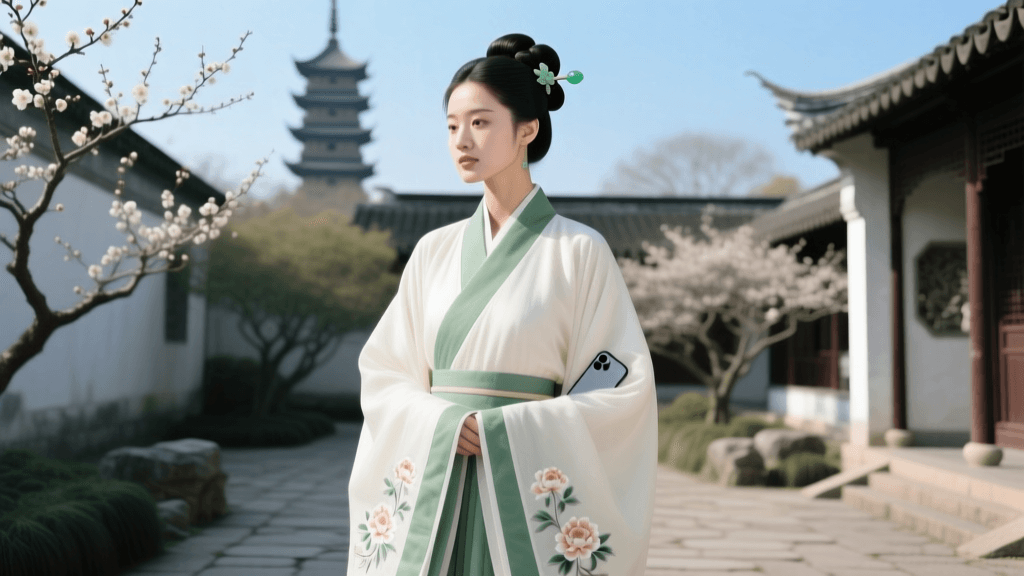
- Second Addition (Er Jia): She retreats and returns in a more mature Beizi (a long, parallel-collar overcoat) or a Shenyi (deep robe), symbolizing youth, elegance, and the beginning of societal duties. The hair is styled into a more complex updo, secured with a metal or silver hairpin.
- Third Addition (San Jia): The final change features the most formal attire, typically a Da Xiu Shan (large-sleeved ceremonial gown) or a Ming-style Zhiduo with intricate embroidery. This represents full adulthood, dignity, and readiness to participate in ancestral and societal rites. A formal Guan (crown) or an elaborate gold-and-pearl hairpin is placed in her hair.
Understanding the Guan Li: The Men’s Capping Ceremony
The male equivalent, the Guan Li, was traditionally held at age 20. It signifies a young man's assumption of civic duties, military readiness, and familial leadership. As detailed in historical texts summarized by Wikipedia's archives on Guanli and Jili, the capping ceremony was considered the most vital of all Confucian rites, as it established the foundation for all other social relationships.
The Three Caps (San Jia) for Men
Similar to the women's ceremony, the Guan Li features three additions, focusing on headwear and corresponding robes.
- First Addition: The young man wears a simple Shenyi (deep robe) made of plain fabric. The Guest of Honor places a Siyin Guan (a cap made of black linen or woven grass) on his head. This symbolizes his transition from a boy to a young scholar, emphasizing the pursuit of knowledge and moral cultivation.
- Second Addition: He changes into a more structured martial or formal robe. A Pi Bian (a cap made of white leather) is placed on his head. This represents his duty to protect his family and community, acknowledging his physical and civic responsibilities.
- Third Addition: The final attire is a formal court or sacrificial gown, often featuring dark colors and subtle, elegant embroidery. He receives a Jue Bian (a formal, high-ranking cap). This final capping signifies his full integration into adult society, granting him the right to participate in ancestral worship and hold public office or leadership roles.
2026 Hanfu Sourcing: Cost and Fabric Guide
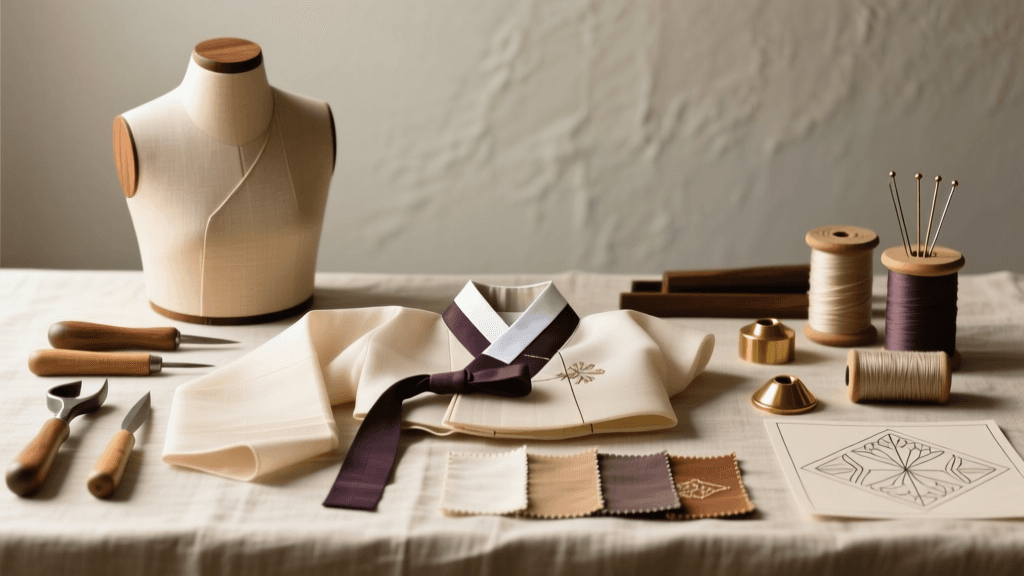
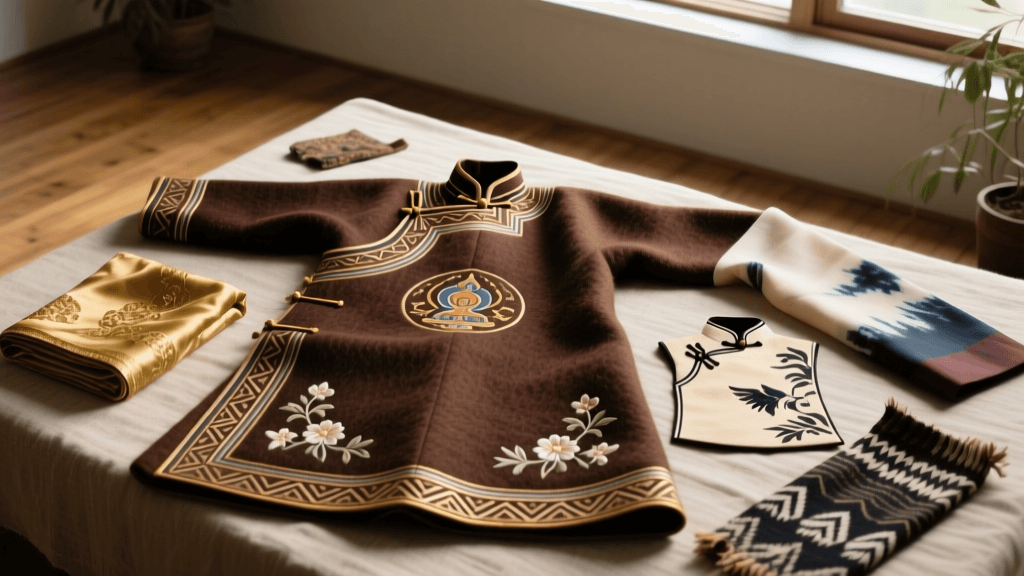
Sourcing authentic, high-quality Hanfu for a coming-of-age ceremony requires careful planning. The 2026 market has seen a surge in heritage textile revival, making fabrics like Xiangyunsha (gambiered Canton gauze) and Song brocade more accessible, though still premium. Below is a breakdown of what families should expect to budget for a complete three-stage ceremonial set in 2026.
| Garment Tier | Primary Fabrics (2026 Market) | Estimated Cost (Full 3-Stage Set) | Lead Time |
|---|---|---|---|
| Entry-Level (Ready-to-Wear) | High-grade polyester, rayon blends, basic jacquard | $250 - $450 USD | 1 - 2 Weeks |
| Mid-Tier (Artisan Brands) | Mulberry silk, linen-cotton blends, machine-embroidered Song brocade | $600 - $1,200 USD | 4 - 6 Weeks |
| Bespoke Heritage (Custom) | Authentic Xiangyunsha, hand-woven Zhangzhou velvet, hand-embroidered silk | $2,500 - $5,000+ USD | 3 - 6 Months |
When sourcing bespoke garments, it is highly recommended to consult with established Hanfu studios that specialize in historical reconstruction. Institutions and museums, such as the Metropolitan Museum of Art's Ming Dynasty textile archives, provide excellent visual references for accurate collar structures, sleeve proportions, and weave patterns that modern bespoke tailors can replicate.
Step-by-Step Ceremony Planning and Modern Execution
Executing a flawless Ji Li or Guan Li in 2026 requires balancing strict adherence to traditional etiquette with the realities of modern event planning. Here is a structured approach to organizing the event.
Key Roles in the Ceremony
- The Host (Zhuren): Usually the parents of the young adult, who formally invite the guests and oversee the proceedings.
- Guest of Honor (Zhengbin): A highly respected elder, mentor, or community leader chosen for their moral character and societal achievements. They perform the actual capping or pinning and deliver the blessings.
- Assistants (Zanli): Usually peers or older siblings of the young adult. They assist with the garment changes, carry the trays holding the caps and hairpins, and guide the participant through the physical movements of the rite.
- The Musician (Yueshi): Traditional Guqin or Guzheng music is played throughout the ceremony to maintain a solemn, meditative atmosphere.
Venue Selection and Atmosphere
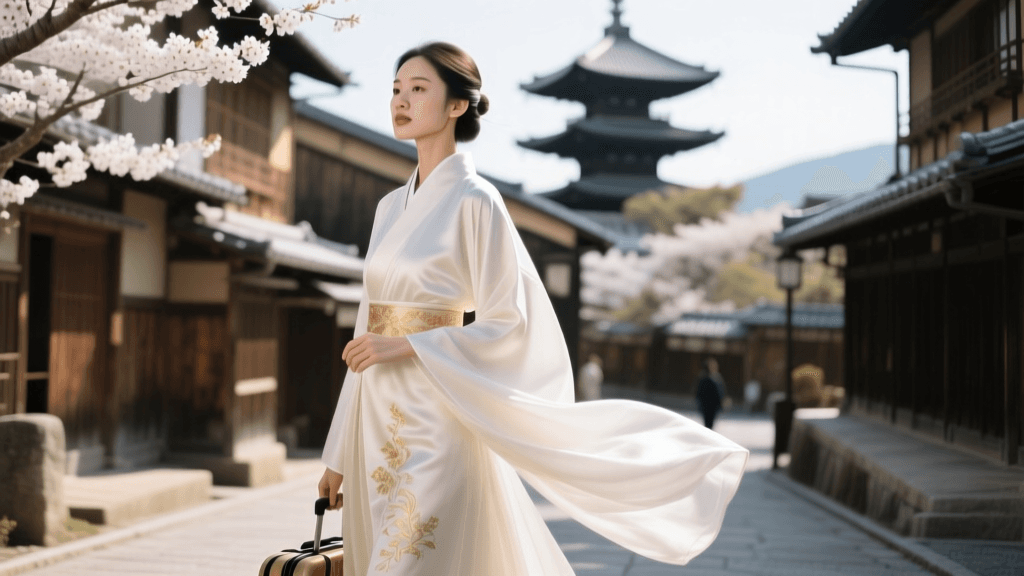
In 2026, the most sought-after venues for these rites are restored ancestral halls, traditional courtyard gardens, and dedicated cultural heritage parks. The venue must have a designated north-facing main hall or platform where the Guest of Honor sits, as spatial orientation is deeply tied to Confucian cosmology. Avoid modern banquet halls with harsh fluorescent lighting; natural light and warm, diffused lantern lighting are preferred to highlight the drape and texture of the silk garments.
Modern Adaptations for 2026
While the core ritual remains untouched, modern families have introduced practical adaptations. Professional photography and videography are now standard, requiring the ceremony to be paced slightly slower than historical texts dictate to allow for visual documentation. Furthermore, the Zhuwen (the written blessings read by the Guest of Honor) are often presented to the young adult in a custom-calligraphed scroll, serving as a lifelong keepsake rather than just a spoken recitation.
"The true value of the Ji Li and Guan Li in the modern era is not merely in the wearing of beautiful silk, but in the psychological threshold it creates. It forces a pause in the rush of modern life, demanding that the youth acknowledge the weight of their heritage and the responsibilities of their future."
— Dr. Lin Wei, Cultural Anthropologist, 2026 Symposium on Asian Sartorial Traditions
Final Thoughts on Embracing the Rites
Planning a Hanfu coming-of-age ceremony is a profound undertaking that bridges the gap between ancient philosophy and contemporary identity. Whether you are organizing a Ji Li to celebrate a daughter's graduation or a Guan Li to mark a son's entry into the professional world, the meticulous selection of garments and the solemnity of the rites provide an unforgettable foundation for adulthood. By honoring these traditions in 2026, families are not just preserving history; they are actively weaving it into the fabric of their modern lives, ensuring that the elegance and moral weight of Asian traditions continue to inspire the next generation.