Authentic Hanfu Online Shopping Guide: Top Stores 2026
The 2026 Hanfu E-Commerce Ecosystem
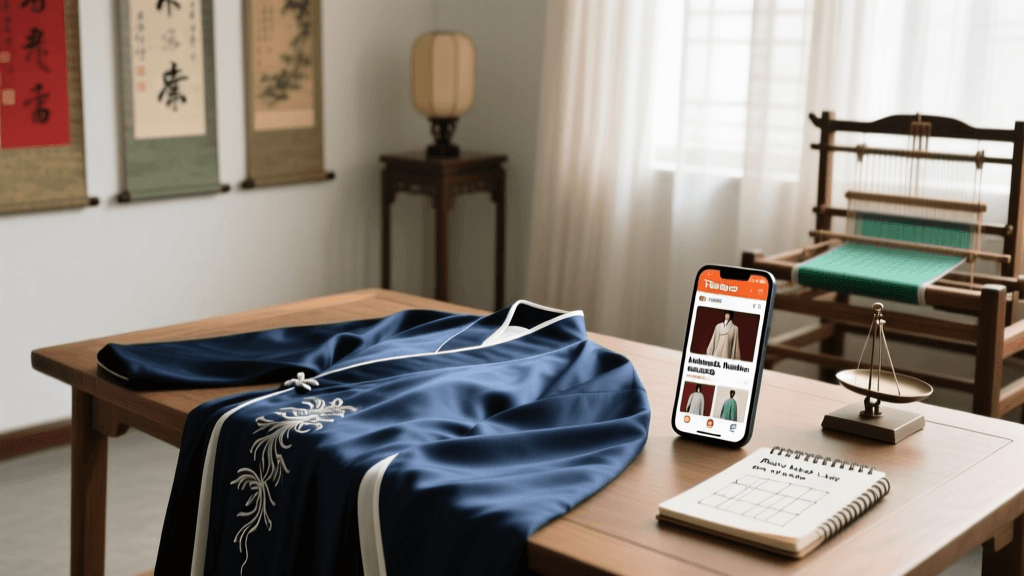
The landscape of purchasing traditional Chinese clothing has evolved dramatically over the last few years. In 2026, the global Hanfu market has matured, shifting away from mass-produced, inaccurate costumes toward high-quality, historically informed heritage garments. For international enthusiasts and diaspora communities, navigating the digital storefronts of Chinese e-commerce giants and independent artisan studios requires a strategic approach. Understanding the nuances of platform algorithms, studio release schedules, and cross-border logistics is essential for building an authentic wardrobe.
While global platforms like AliExpress and Etsy offer convenience, they are often saturated with dropshipped replicas or heavily marked-up inventory. The true heart of the 2026 Hanfu market remains on domestic Chinese platforms, primarily Taobao, Tmall, and specialized WeChat Mini-Programs. Here, direct-from-artisan purchasing allows buyers to access limited-run drops, bespoke tailoring, and premium heritage textiles like Xiangyunsha (gambiered Canton gauze) and authentic Song brocade.
Top Tier Authentic Hanfu Studios to Bookmark
When shopping for Zhengpin (authentic, original designs), knowing which studios prioritize historical accuracy and textile quality is crucial. The following studios have maintained their reputation for excellence into 2026:
- Minghuatang (明华堂): Widely considered the gold standard for Ming Dynasty reproductions. Their garments are meticulously researched, often referencing the Metropolitan Museum of Art's Ming Dynasty textile archives and domestic museum artifacts. Expect high price points, long wait times (often months for weaving), and unparalleled craftsmanship in their horse-face skirts (Mamianqun) and round-collar robes.
- Shisanyu (十三余): A powerhouse in the mass-market and collaboration space. While they prioritize accessibility and modern aesthetic fusion over strict historical rigidity, their 2026 collections feature vastly improved fabric weights and durable embroidery. They are an excellent entry point for beginners seeking reliable customer service and faster shipping.
- Tingyue Pavilion (汀月阁): Specializing in the understated elegance of the Song Dynasty, this studio focuses on lightweight, breathable linens and subtle jacquard weaves. Their slip dresses and Beizi (open-front jackets) are perfect for modern, everyday integration.
- Zhongling (钟灵记): Known for romantic, ethereal designs that draw heavily from Tang and Song motifs. Their use of gradient dyeing and delicate floral embroidery makes them a favorite for ceremonial wear and spring festivals.
Fabric Terminology for the Online Shopper
Reading product descriptions on Taobao requires familiarity with Chinese textile terminology. In 2026, top studios are heavily emphasizing natural fibers and traditional weaving techniques. Look for these keywords in product listings:
- Xiangyunsha (香云纱): A luxurious, sweat-resistant silk dyed with yam juice and river mud. It has a distinct crinkled texture and a dark, earthy sheen. Highly prized for summer garments.
- Song Brocade (宋锦): Characterized by intricate, repeating geometric and floral patterns woven directly into the fabric. It is structurally stable and drapes beautifully, making it ideal for structured jackets and Mamianqun panels.
- Ti Hua (提花 - Jacquard): A weaving technique where the pattern is integrated into the fabric rather than printed on top. High-quality Jacquard will have a reversible, textured feel, whereas cheap printed polyester will feel flat and synthetic.
For a deeper understanding of how these historical textiles evolved and influenced regional dress, the Encyclopedia Britannica's comprehensive guide to historical Chinese dress remains an invaluable resource for contextualizing your purchases.
Mastering Hanfu Sizing and Measurements
The most common pitfall for international buyers is misunderstanding Hanfu sizing. Unlike Western fashion, which relies on standardized body measurements (e.g., US Size 6), traditional Chinese garments are sized based on Pingpu (flat-lay) measurements. Because Hanfu features drop shoulders, wide sleeves, and wrap closures, the garment's flat dimensions must be significantly larger than your actual body measurements to achieve the correct drape and overlap.
Below is a conversion and measurement guide tailored for 2026 studio sizing charts:
| Measurement Point | Chinese Term | How to Measure (Body) | Pingpu (Flat-Lay) Rule of Thumb |
|---|---|---|---|
| Bust / Chest | Xiongwei (胸围) | Measure around the fullest part of your chest. | Garment flat chest width should be (Body Bust / 2) + 5 to 10 cm for overlap and drape. |
| Waist | Yaowei (腰围) | Measure at your natural waistline (for skirts/pants). | Skirt flat waist should be (Body Waist / 2) + 2 cm. Wrap skirts require extra length for overlap. |
| Hips | Tunwei (臀围) | Measure around the fullest part of your hips. | Crucial for Mamianqun; ensure the flat hip width accommodates your hips + 4 cm to prevent pleat pulling. |
| Skirt Length | Qunchang (裙长) | Measure from natural waist to desired hem (usually ankle). | Match exactly to your body measurement. Most studios offer custom length adjustments for a small fee. |
| Sleeve Length | Xiuchang (袖长) | Measure from center back neck to wrist. | Hanfu sleeves are measured from the center back seam. Ensure the Pingpu sleeve length reaches past your fingertips for traditional elegance. |
Navigating Proxy Services in 2026
Since most authentic Taobao studios do not ship directly overseas, international buyers must rely on shopping agents or proxy services. In 2026, platforms like Superbuy, CSSBuy, and Sugargoo remain the industry standards, offering integrated warehousing, quality control (QC) photography, and consolidated international shipping.
The Proxy Buying Process:
- Link Submission: Copy the Taobao or Weidian product URL and paste it into the proxy platform's search bar.
- Domestic Purchase: Pay the proxy for the item's cost plus domestic Chinese shipping. The proxy purchases the item on your behalf.
- QC Inspection: Once the item arrives at the proxy's warehouse (usually 3-7 days), they will upload high-resolution QC photos. Inspect these photos meticulously for embroidery alignment, fabric flaws, and correct color.
- International Shipping: After approving the QC photos, select your international shipping line. In 2026, 'Tax-Free Air Priority' and 'DHL eCommerce Packet' are the most reliable lines for avoiding customs delays and excessive import duties on textile parcels.
Spotting Shanzhai (Knockoffs) vs. Zhengpin (Authentic)
The proliferation of Shanzhai (stolen designs and cheap knockoffs) is a persistent issue in the Hanfu community. These factories steal the digital patterns and embroidery files from independent artisans, producing them with substandard polyester and inaccurate proportions. To ensure you are buying Zhengpin in 2026:
- Check the Store Status: Look for Taobao 'Enterprise' badges or 'Gold Crown' ratings. Authentic studios usually have a robust history of detailed, photo-heavy reviews from verified buyers.
- Watermarks and Tags: Legitimate studios embed subtle watermarks in their product photography. Furthermore, authentic garments often arrive with branded anti-counterfeit tags, studio-specific care cards, and custom packaging.
- Price Reality Check: If a heavily embroidered Ming Dynasty Aoqun (jacket and skirt set) is listed for 150 RMB ($20 USD), it is undoubtedly a Shanzhai. Authentic sets utilizing genuine jacquard and dense embroidery typically start around 600-800 RMB and can exceed 3,000 RMB for premium silk.
Post-Purchase Care for Heritage Textiles
Once your authentic Hanfu arrives, proper care is vital to preserve the integrity of the textiles. Never machine wash Xiangyunsha or heavy brocades. For everyday cotton and linen blends, use a gentle hand-wash with pH-neutral silk detergent in cold water. Always dry your garments flat or on wide, padded hangers to prevent shoulder dimpling and warp distortion. Store your Mamianqun folded along their natural pleat lines in breathable cotton garment bags, utilizing cedar blocks rather than chemical mothballs to protect the natural silk fibers from pests and yellowing.