2026 Guide To Sourcing Authentic Guatemalan Huipiles
The Enduring Legacy of the Guatemalan Huipil
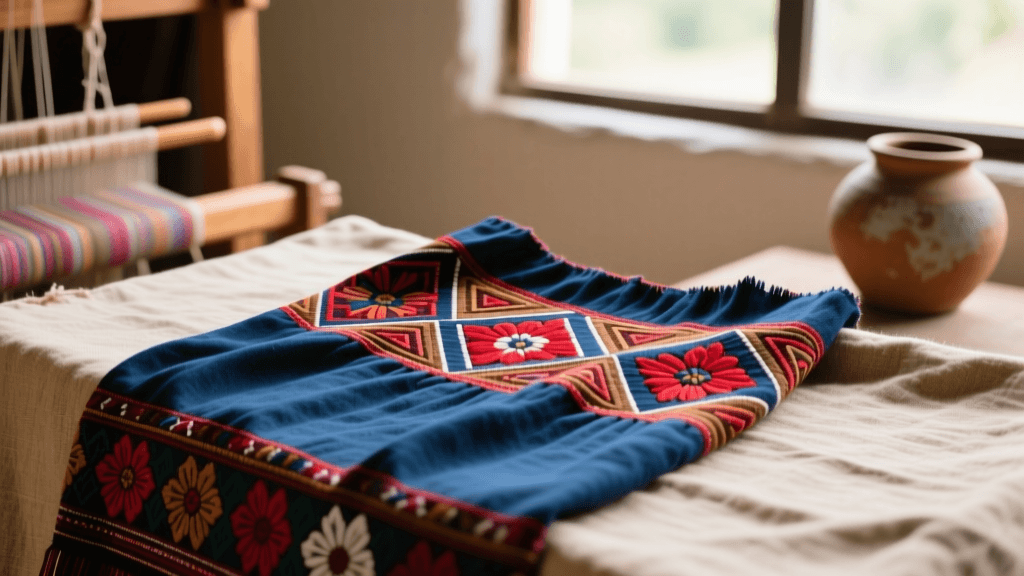
The huipil is far more than a traditional garment; it is a profound expression of Indigenous Maya identity, cosmology, and ancestral memory. Worn across Mesoamerica, the Guatemalan huipil stands out for its staggering diversity, with designs, colors, and motifs varying not just by region, but by specific villages and even individual neighborhoods. As we navigate the global textile market in 2026, the demand for authentic, handwoven Latin American garments has surged, driven by a growing consumer rejection of fast fashion and a renewed appreciation for slow, artisanal craftsmanship.
However, this rising popularity has also led to an influx of machine-made imitations and culturally appropriated designs flooding online marketplaces. For collectors, ethical fashion enthusiasts, and cultural preservationists, understanding how to identify, source, and care for an authentic huipil is essential. This comprehensive 2026 buyer's guide will walk you through the intricate anatomy of the backstrap loom, decode regional weaving styles, and provide actionable advice on how to ethically source these masterpieces directly from the artisans who keep this ancient tradition alive.
Anatomy of the Backstrap Loom and Brocade Technique
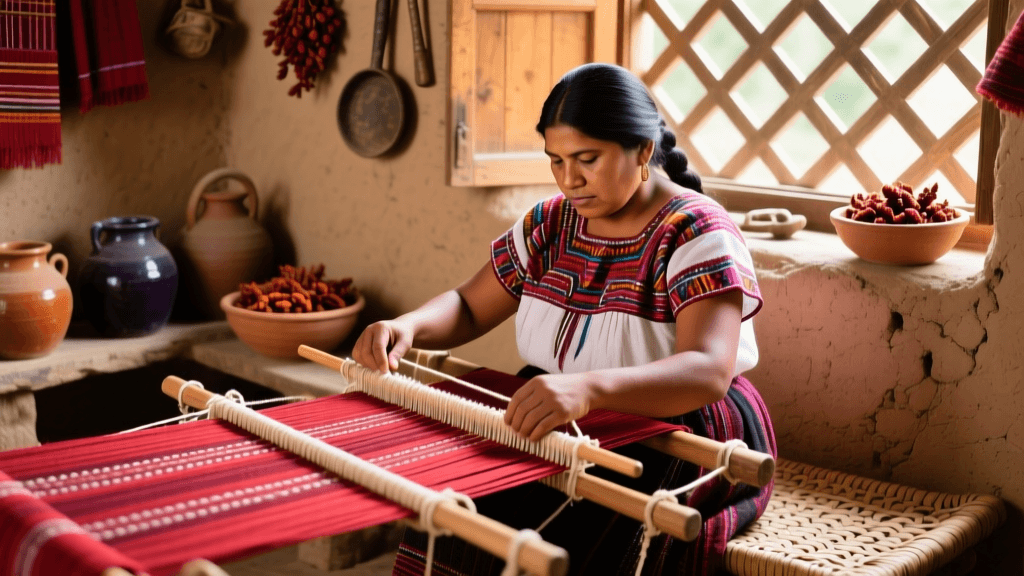
To truly appreciate a huipil, one must understand the tool used to create it: the backstrap loom, or telar de cintura. This pre-Columbian technology consists of two parallel wooden sticks between which the warp threads are stretched. One stick is tied to a fixed object like a tree or post, while the other is attached to a strap that wraps around the weaver's lower back. The weaver controls the tension of the threads entirely through the movement of their own body, creating a deeply physical and intimate connection between the artisan and the textile.
The most prized huipiles feature brocado (brocade), a complex technique where the decorative patterns are woven directly into the fabric as it is being created, rather than being stitched on afterward. Using a small stick or needle, the weaver manually picks and raises specific warp threads to insert the supplementary weft yarns, building intricate geometric, floral, or zoomorphic motifs row by row. A single, heavily brocaded huipil can take anywhere from three to eight months of daily weaving to complete, representing hundreds of hours of meticulous, mathematically precise labor.
Regional Weaving Styles: A 2026 Buyer's Comparison
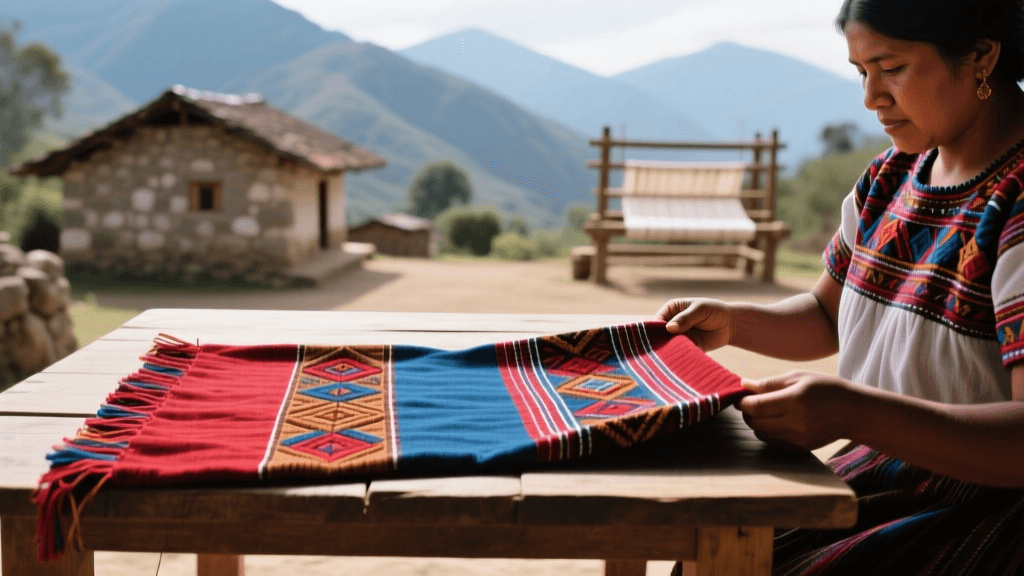
Guatemala is home to over 20 distinct Maya ethnolinguistic groups, each with its own textile traditions. When sourcing a huipil in 2026, recognizing these regional hallmarks will help you verify authenticity and understand the fair market value of the piece. Below is a comparison of four highly sought-after regional styles, complete with current 2026 market pricing for authentic, newly woven, daily-wear and ceremonial-grade garments.
| Region / Village | Primary Motifs & Techniques | Color Palette | Estimated 2026 Price (USD) |
|---|---|---|---|
| San Juan Cotzal (Ixil) | Geometric shapes, stylized birds, and agricultural symbols. Heavy, dense brocade. | Vibrant reds, deep blues, and bright yellows. | $180 - $350 |
| San Antonio Aguas Calientes | Famous for double-faced brocade (identical on both sides). Floral and geometric bands. | Rich purples, greens, and maroons on white or dark backgrounds. | $280 - $550 |
| Nahualá (K'iche') | Stars, stylized animals (coyotes, horses), and diamond patterns representing the cosmos. | Deep purples, navy blues, and striking reds. | $150 - $290 |
| San Juan La Laguna (Tz'utujil) | Renowned for jaspe (ikat) tie-dye techniques and natural botanical dyes (indigo, sacatinta). | Earthy tones, soft indigos, warm browns, and muted greens. | $220 - $450 |
Note: Pricing in 2026 reflects inflation, increased costs of natural dyes, and the premium paid by certified fair-trade cooperatives that ensure living wages for the weavers.
How to Authenticate Handwoven Textiles in 2026
With the rise of digital printing and computerized embroidery machines, mass-produced replicas are often marketed as "handmade" to unsuspecting buyers. Use these actionable steps to verify the authenticity of a huipil before making a purchase:
- Examine the Reverse Side: True brocade is woven into the fabric. On the reverse side, the pattern should be visible, albeit with a slightly different texture or color intensity, and the supplementary weft threads should be neatly tucked or tightly bound. If the reverse side shows a chaotic mess of loose threads, or if the design is clearly stitched onto a plain background (embroidery), it is not traditional brocade.
- Check the Selvedge Edges: Handwoven textiles on a backstrap loom have finished edges (selvedges) that are naturally bound by the continuous turning of the warp threads. Machine-woven fabrics will have raw, cut edges that are hemmed or serged.
- Look for Human Tension Variations: Because the weaver controls the tension with their body, you will often find microscopic variations in the tightness of the weave. A perfectly uniform grid is a strong indicator of mechanized production.
- Assess the Neckline and Seams: Traditional huipiles are typically made from one, two, or three rectangular panels of fabric joined by decorative randa (hand-stitched seams). The neckline is usually a simple slit or gathered drawstring, rarely a tailored, curved collar.
Ethical Sourcing and Cultural Respect
The commercialization of Indigenous textiles has historically been fraught with exploitation, where middlemen purchase garments for pennies and sell them at massive markups in Western boutiques. In 2026, ethical sourcing is not just a buzzword; it is a moral imperative. When purchasing a huipil, you must ensure that the transaction supports the economic sovereignty of Maya women and their communities.
Seek out certified fair-trade organizations, women-led weaving cooperatives, and direct-to-artisan platforms that operate on principles of transparency. The Fair Trade Federation principles emphasize fair wages, safe working conditions, and the preservation of cultural identity. By purchasing from verified cooperatives in towns like San Juan La Laguna or Totonicapán, you ensure that the profits remain within the community, funding local education and healthcare initiatives.
Furthermore, buyers must recognize these textiles as intellectual and cultural property. The preservation of these weaving traditions is a vital component of what is recognized globally as intangible cultural heritage. As outlined by UNESCO's framework for Intangible Cultural Heritage, traditional craftsmanship is a living practice that requires active, respectful participation from the global market to survive. Never alter a vintage or ceremonial huipil into a handbag or throw pillow, as this destroys the garment's structural integrity and disrespects its cultural significance.
Caring for Artisanal Cotton and Silk
An authentic handwoven huipil is an investment that, with proper care, can last for generations. The natural fibers and dyes require specific maintenance to prevent shrinking, bleeding, and UV damage.
- Hand Wash Only: Never machine wash a handwoven huipil. The agitation will cause the natural cotton to shrink unevenly and can break the delicate supplementary weft threads.
- Use pH-Neutral Detergent: Submerge the garment in cool water with a mild, pH-neutral soap (such as baby shampoo or a specialized textile wash). Avoid harsh chemicals, bleach, or optical brighteners, which will strip natural indigo and botanical dyes.
- Avoid Wringing: Gently press the water out of the fabric. Never twist or wring the textile, as this distorts the warp tension and damages the brocade structure.
- Dry in the Shade: Lay the huipil flat on a clean, dry towel in a well-ventilated area away from direct sunlight. UV rays will rapidly fade both synthetic and natural dyes over time.
- Ironing: If necessary, iron the garment on a low cotton setting while it is still slightly damp, always using a pressing cloth between the iron and the textile to protect the raised brocade motifs.
Conclusion
Sourcing an authentic Guatemalan huipil in 2026 is a rewarding journey that connects you to centuries of Maya history, mathematics, and artistry. By learning to read the language of the backstrap loom, distinguishing regional motifs, and committing to ethical, fair-trade purchasing channels, you become an active participant in the preservation of one of the Americas' most magnificent textile traditions. Treat every huipil not merely as a garment, but as a woven manuscript of Indigenous resilience and beauty.