Greek Chiton & Roman Stola Guide 2026: Authentic Sourcing Tips
The Revival of Classical Antiquity in 2026
As we navigate the historical costuming, theater, and reenactment landscape in 2026, the demand for meticulously accurate ancient Mediterranean garments has never been higher. Whether you are preparing for a university classical studies exhibition, a high-end theater production, or participating in strict authenticity events with groups like the Roman Military Research Society, understanding the precise construction of the Greek chiton and the Roman stola is paramount. This comprehensive guide breaks down the historical realities, modern sourcing techniques, and step-by-step draping methods for ancient European folk dress, ensuring your classical wardrobe meets the rigorous standards of the 2026 season.
The World History Encyclopedia notes that ancient Greek clothing was primarily based on the chiton and the peplos, garments that relied not on complex tailoring, but on the masterful draping of rectangular fabrics. In 2026, modern textile historians emphasize that the beauty of these garments lies entirely in their proportions, the weight of the fabric, and the authenticity of the fibers used.
The Greek Chiton: Doric vs. Ionic Variations
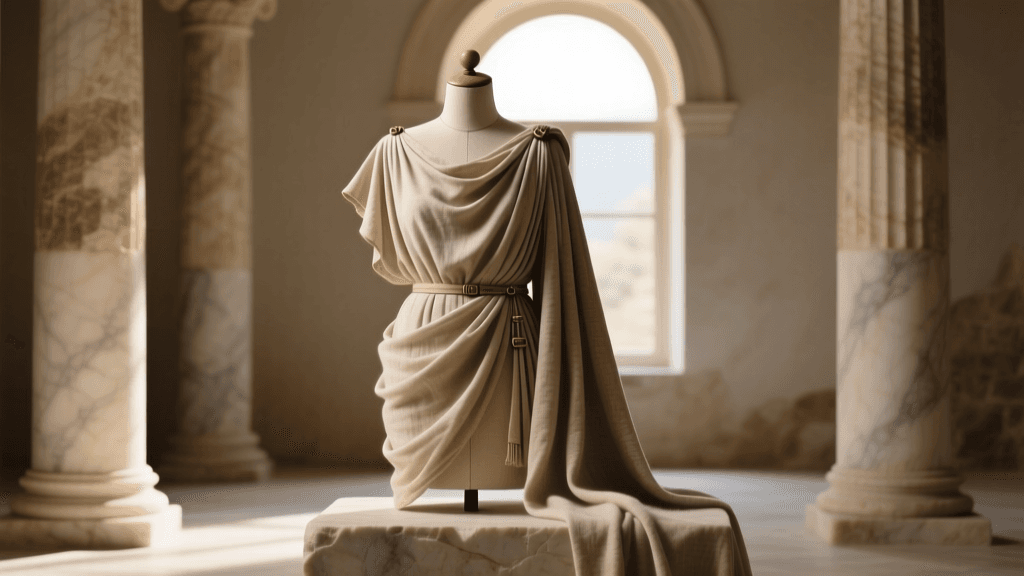
The chiton was the foundational garment for both men and women in ancient Greece, though its styling varied dramatically based on the era, region, and social standing. The two primary variations you must understand for accurate reconstruction are the Doric chiton and the Ionic chiton.
The Doric Chiton
Originating in the Archaic period, the Doric chiton was traditionally made from a single large rectangle of heavy woolen fabric. The width of the fabric was typically equal to the wearer's wingspan plus an additional 30 to 40 centimeters to allow for the overfold, known as the apoptygma. To construct this in 2026 using historically accurate methods, you must source a heavyweight tabby-weave wool (approximately 250-300 GSM). The fabric is folded over at the top to create the apoptygma, which hangs down over the chest and back. The garment is then wrapped around the body and pinned at the shoulders using replica bronze or iron fibulae (brooches). Modern safety pins are strictly prohibited in high-level reenactment circles today, as they disrupt the historical silhouette and damage delicate handwoven wools.
The Ionic Chiton
In contrast, the Ionic chiton emerged later and was crafted from much lighter, finely woven linen. Instead of a single shoulder pin, the Ionic chiton was stitched or pinned at intervals along the top edge, creating a series of delicate, flowing sleeves. According to The Metropolitan Museum of Art's Heilbrunn Timeline of Art History, the Ionic chiton's reliance on lightweight linen allowed for intricate pleating and a more fluid silhouette. For a modern reconstruction, sourcing hand-loomed linen with a thread count of at least 40 is essential to achieve the correct drape. A width of 2.5 meters is recommended for an adult female Ionic chiton to ensure enough fabric for the sleeve formations and the characteristic blousing over the belt.
The Peplos: The Spartan and Early Greek Alternative
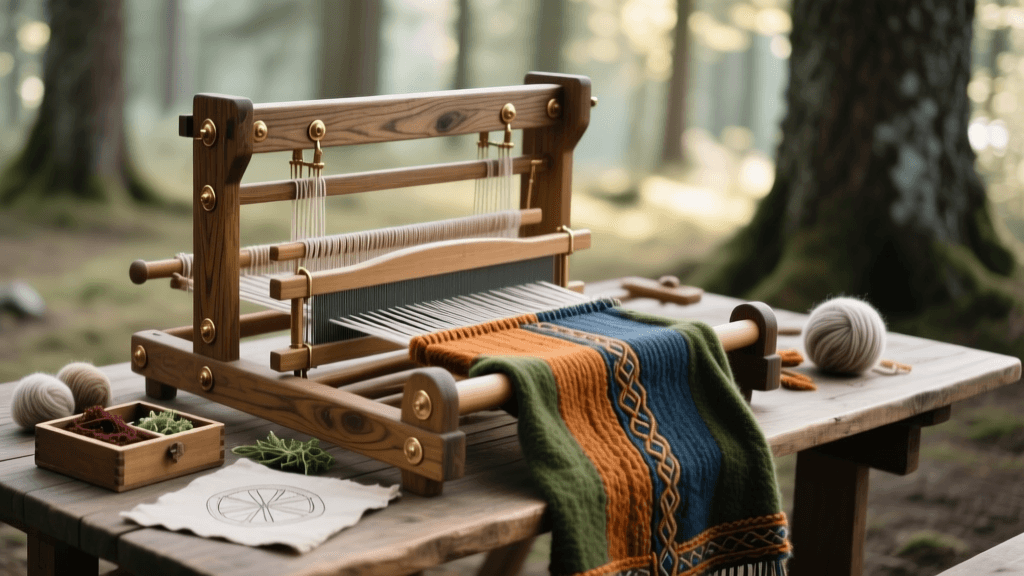
Before the widespread adoption of the Ionic chiton, the peplos was the quintessential garment for Greek women, particularly in Dorian regions like Sparta. The peplos was a heavy woolen tube, folded over at the top and pinned at the shoulders. Unlike the chiton, the peplos was often left open on one side, revealing the leg when walking—a style that scandalized later Ionian and Roman observers but was standard for Spartan women. In 2026, creating an accurate peplos requires sourcing undyed or naturally dyed heavyweight wool, often featuring a woven geometric border at the hem and the apoptygma edge. Commissioning these borders from tablet-weavers has become a major trend in the 2026 historical textile community, adding immense authenticity to the garment.
The Roman Stola and Palla: Matronly Elegance
Moving into the Roman era, the female wardrobe became more structured and heavily codified by social status. The stola was the defining garment of the Roman matron, worn over a base tunic (tunica interior). The stola was typically made of wool or heavy linen and featured an instita—a decorative flounce or border at the hem that signaled the wearer's respectable, married status.
In 2026, historical costumers note that the stola was suspended from the shoulders by straps (anclae), which could be woven into the garment or attached separately. Over the stola, a Roman woman would drape the palla, a large rectangular mantle that could be pulled over the head when outdoors or entering sacred spaces. When sourcing fabric for a stola today, look for naturally dyed wools. Recent advancements in heritage natural dyeing have made it easier than ever to source authentic colors like madder root red, weld yellow, and woad blue from specialized textile mills in Europe, moving away from the harsh, anachronistic chemical dyes of the past decade.
The Roman Toga: A Masterclass in Draping
While the stola defined the Roman woman, the toga was the ultimate symbol of Roman male citizenship. Far from the simple bedsheet costumes of mid-century cinema, the historical toga was a massive, semi-circular garment measuring up to 6 meters in length and 2.5 meters in width. As detailed by the World History Encyclopedia, the toga required immense skill to drape correctly and was entirely impractical for manual labor, thus serving as a visual marker of the wearer's elite, civic status.
For modern theater and museum exhibits in 2026, constructing a toga requires lightweight, fulled wool that grips itself when draped. A 180 GSM wool flannel or lightly fulled tabby weave is ideal. The complex draping of the sinus (the deep pouch) and the umbo (the decorative knot at the chest) requires a minimum of two people to arrange properly on the wearer, and often necessitates hidden stitching to maintain the folds during long events.
Comparative Analysis of Classical Garments
To help you select the right garment for your specific historical portrayal, refer to the 2026 sourcing and construction matrix below:
| Garment | Origin & Era | Primary Material | Fastening Method | Worn By |
|---|---|---|---|---|
| Doric Chiton | Greece (Archaic) | Heavy Wool (250+ GSM) | Shoulder Fibulae | Men & Women |
| Ionic Chiton | Greece (Classical) | Fine Linen | Stitching / Multiple Pins | Men & Women |
| Peplos | Greece (Dorian) | Heavy Wool | Shoulder Fibulae | Women |
| Stola | Rome (Republic/Empire) | Wool / Linen | Shoulder Straps (Anclae) | Married Women |
| Toga | Rome (Republic/Empire) | Fulled Wool (Semi-circular) | Complex Draping / Friction | Male Citizens |
Step-by-Step Guide: Draping the Doric Chiton
Achieving the perfect classical drape requires precision. Follow these actionable steps for a standard adult Doric chiton:
- Step 1: The Fold. Lay your rectangular wool fabric flat. Fold the top edge down by 30 centimeters to create the apoptygma.
- Step 2: The Wrap. Wrap the fabric around your body, starting under the left armpit. The open edge should fall on your left side.
- Step 3: The Back Pin. Bring the two top corners (the folded edge and the back edge) over your right shoulder. Pin them together at the collarbone using a replica penannular or bow fibula.
- Step 4: The Front Pin. Pull the front top edge and the back top edge over your left shoulder and pin them similarly.
- Step 5: The Belt. Tie a woven wool belt around your waist. Pull the apoptygma down over the belt to hide it, creating a bloused effect (kolpos) that allows for ease of movement.
Footwear and Accessories: Completing the Silhouette
No ancient Mediterranean garment is complete without the proper accessories. In 2026, museum curators and lead costumers are heavily focused on the lower extremities. For Greek portrayals, bare feet or simple leather sandalia with thin thong straps are appropriate for indoor or warm-weather settings. For Roman portrayals, the footwear is strictly codified. Male citizens wearing the toga must wear calcei (enclosed leather shoes), while soldiers and outdoor workers wear caligae (hobnailed sandals). Women wearing the stola typically wore soleae (slip-on sandals) indoors. Furthermore, the fibulae used to pin the chiton or stola should be cast bronze or iron, sourced from specialized historical jewelers who use lost-wax casting methods based on extant archaeological finds.
Sourcing Authentic Materials in 2026
The historical textile market has evolved significantly. As of 2026, sourcing authentic handwoven linen and wool requires bypassing standard commercial fabric stores, which often sell polyester blends or chemically treated fibers that drape incorrectly. Expect to pay between $35 to $60 per meter for authentic, shuttle-loomed linen from heritage mills in Eastern Europe, and upwards of $80 per meter for naturally dyed, fulled wool suitable for togas and cloaks. Always request a burn test sample if buying from a new online supplier to ensure the fabric is 100% natural protein or cellulose fiber. Synthetic blends will melt under stage lights and fail to absorb natural dyes properly, instantly ruining the illusion of historical accuracy.
Conclusion
Mastering the chiton, peplos, stola, and toga is a journey into the heart of ancient European culture. By prioritizing accurate measurements, natural fibers, and historically validated draping techniques, you can elevate your historical costuming to museum-quality standards. As the 2026 reenactment and theater seasons unfold, let your garments speak to the ingenuity, elegance, and social complexities of the classical world.