2026 Guide to Authentic Carpathian Vyshyvanka and Ie Blouses
The Enduring Legacy of Carpathian Textiles
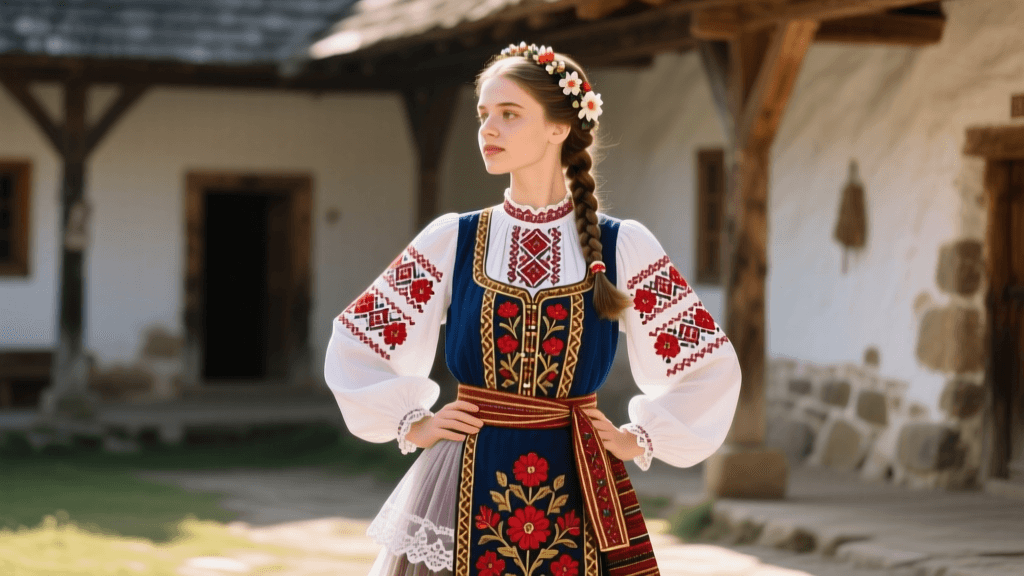
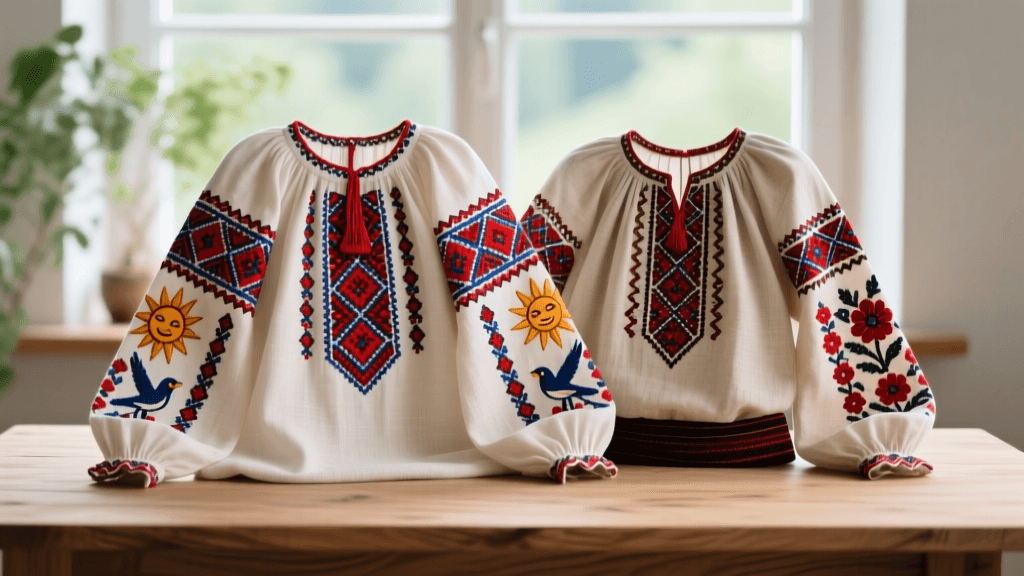
The Carpathian mountain range, stretching across Central and Eastern Europe, has long served as a cradle for some of the continent's most intricate and symbolically rich textile traditions. As we navigate the fashion landscape of 2026, there is a profound resurgence of interest in heritage garments, specifically the Ukrainian vyshyvanka and the Romanian ie. No longer relegated to museum archives or occasional national holidays, these hand-loomed, heavily embroidered blouses have become cornerstones of the global slow fashion movement. However, the 2026 market is simultaneously flooded with hyper-realistic, machine-made replicas. For collectors, cultural enthusiasts, and conscious consumers, distinguishing between a genuine, artisan-crafted Carpathian blouse and a mass-produced factory imitation requires a keen eye and an understanding of traditional construction. This comprehensive guide will equip you with the knowledge to source, authenticate, and preserve these masterpieces of Slavic and Balkan folk dress.
Anatomical Hallmarks: Beyond the Embroidery
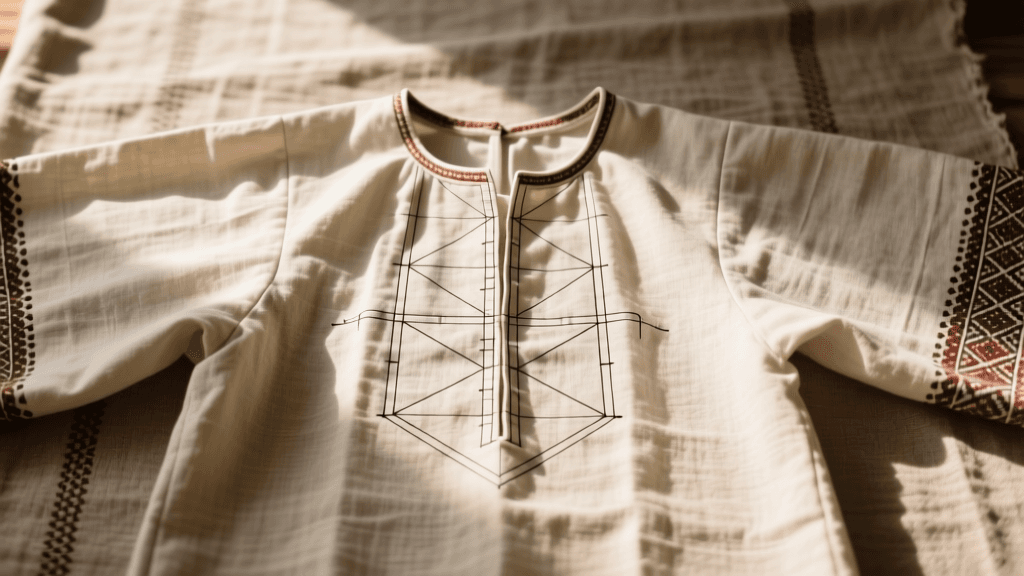
While the vibrant embroidery naturally draws the eye, the true mark of an authentic vyshyvanka or ie lies in its geometric, zero-waste construction. Traditional Carpathian blouses are not cut from modern, curved commercial patterns. Instead, they are constructed entirely from rectangular and square pieces of fabric, woven to specific widths on traditional wooden looms.
- The Polik and Lastka: Authentic pieces feature a polik (a rectangular shoulder gusset that connects the front, back, and sleeve) and a lastka (a diamond-shaped underarm gusset). These inserts provide mobility without the need for modern armhole scythes.
- Fabric Weight and Weave: In 2026, genuine heritage blouses are typically woven from 100% unbleached linen, hemp, or a linen-cotton blend. Look for a fabric weight between 180 and 220 GSM (grams per square meter). The weave should exhibit slight, natural irregularities—slubs and thick-and-thin yarns—that are impossible to replicate perfectly on modern industrial air-jet looms.
- Drawstring Necklines: Instead of tailored collars, traditional blouses utilize a drawstring or smocking technique at the neckline and cuffs, allowing the garment to be adjusted and layered for varying climates.
Decoding the Stitches: Regional Variations
The embroidery of the Carpathian region is a visual language, with specific stitches denoting specific villages and micro-regions. According to research supported by The Association of Dress Historians, the placement and technique of the thread work are deeply tied to local agrarian calendars and protective superstitions.
Ukrainian Nyzynka and Zavolikannia
In the Hutsul and Pokuttia regions of Ukraine, artisans frequently employ nyzynka (a surface darning stitch that creates a geometric pattern on the reverse side) and zavolikannia (a running stitch that mimics woven fabric). These stitches are incredibly time-consuming, often requiring over 80 hours of continuous handwork for a single blouse. The color palette traditionally relies on madder red for protection, walnut brown for the earth, and indigo for the sky.
Romanian Cutwork and Chain Stitch
The Romanian ie, particularly from the Muscel and Argeș regions, is famous for its altiniță (the dense, heavily embroidered shoulder band) and intricate cutwork (ajur). The geometric motifs, often featuring rhombuses and sun symbols, are executed in fine wool or silk thread. The altiniță serves not just as decoration, but as a structural reinforcement for the heavy gathers of the sleeve.
The 2026 Authentication Challenge: Hand vs. Machine
In 2026, multi-head computerized embroidery machines equipped with AI-tension sensors can mimic the slight imperfections of human hand-stitching. To the untrained eye, a high-end factory vyshyvanka might look indistinguishable from a village-made piece. However, there are three foolproof methods to authenticate a garment.
- The Reverse Side Test: Turn the blouse inside out. Hand embroidery, particularly cross-stitch (khrestyk) and nyzynka, will look nearly identical on both the front and the back, with threads carried neatly and logically. Machine embroidery relies on a bobbin thread on the reverse side, which often appears as a chaotic web of white or contrasting polyester, regardless of the top thread color.
- Thread Composition: Authentic 2026 heritage pieces use mercerized cotton, wool, or silk threads. Mass-market replicas almost exclusively use high-sheen polyester or rayon. The burn test (carefully singeing a single loose thread) will reveal the material: natural fibers turn to ash and smell like burning paper or hair, while polyester melts into a hard, plastic bead.
- Tension and Puckering: Hand-loomed linen shrinks and breathes. Hand embroidery is applied with a tension that accommodates this natural movement. Machine embroidery is often applied too tightly, causing the surrounding linen to pucker aggressively, especially after the garment has been washed.
2026 Market Pricing and Sourcing Guide
Sourcing an authentic Carpathian blouse requires looking beyond standard e-commerce platforms. In 2026, the most reliable avenues include direct-to-artisan cooperatives, specialized heritage textile fairs in Kyiv, Lviv, and Sibiu, and vetted vintage dealers. As noted in Britannica's comprehensive guide on folk art, the economic valuation of these garments has shifted from mere souvenir status to that of wearable fine art, reflecting the immense labor involved.
| Category | Material & Thread | Embroidery Method | 2026 Price Range (USD) | Lead Time |
|---|---|---|---|---|
| Fast-Fashion Replica | Polyester blend / Rayon thread | Multi-head machine | $35 - $65 | Immediate |
| Commercial Heritage | Cotton / Mercerized cotton | Machine with hand-finishing | $90 - $150 | 1 - 2 Weeks |
| Authentic Artisan | Hand-loomed linen / Silk & Wool | 100% Hand-stitched | $250 - $600+ | 2 - 6 Months |
| Antique / Vintage | Aged hemp or linen / Natural dyes | 100% Hand-stitched | $400 - $1,200+ | Auction dependent |
Conservation and Care for Heritage Linens
Once you have acquired an authentic vyshyvanka or ie, proper conservation is paramount. The Victoria and Albert Museum's textile collections and conservation archives emphasize that historical and heritage textiles require a drastically different approach than modern apparel to prevent fiber degradation and dye loss.
- Washing: Never use commercial detergents containing optical brighteners or enzymes. Hand wash the blouse in lukewarm water (max 30°C) using a pH-neutral textile soap. Do not wring or twist the fabric; instead, roll it in a clean, dry cotton towel to absorb excess moisture.
- Drying and Ironing: Lay the garment flat to dry away from direct sunlight, which can degrade natural dyes like madder and indigo. Iron the blouse while it is still slightly damp, always on the reverse side, using a medium-hot iron with a pressing cloth to protect the three-dimensional texture of the embroidery.
- Storage: Store the blouse flat in an acid-free archival box lined with unbleached cotton muslin. Never hang a heavily embroidered blouse on a wire or wooden hanger, as the weight of the thread work will eventually distort the shoulder seams and warp the hand-loomed linen over time.
Conclusion
The survival of the Carpathian vyshyvanka and ie in 2026 is a testament to the resilience of Eastern European cultural identity. By understanding the anatomical construction, decoding the regional stitches, and demanding transparency in the supply chain, buyers can ensure that their investments support living artisans rather than exploitative fast-fashion conglomerates. When you wear a genuine Carpathian blouse, you are not just wearing a garment; you are wearing a woven archive of history, mythology, and unparalleled human craftsmanship.