Buying Authentic Bespoke Hanbok Online: 2026 Guide
The Rise of Digital Artisans: Hanbok Shopping in 2026
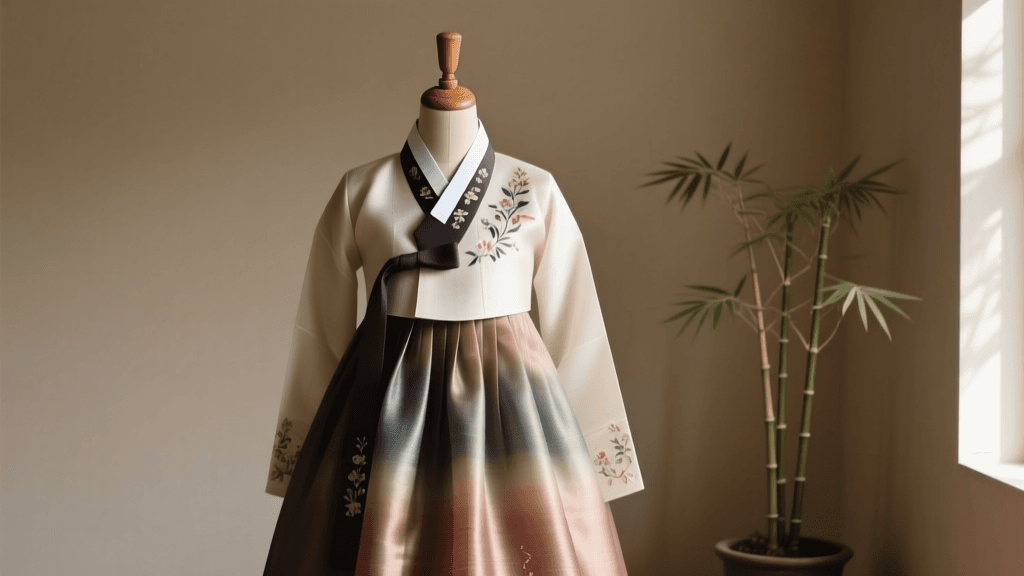
The landscape of traditional Asian garment shopping has undergone a massive digital transformation. As of 2026, acquiring an authentic, bespoke hanbok no longer requires a flight to Seoul or navigating the labyrinthine alleys of Bukchon Hanok Village. Today, master artisans and emerging designers alike have embraced global e-commerce, allowing international buyers to commission custom-fitted traditional Korean garments directly from their workshops. Whether you are seeking a historically accurate ceremonial piece or a modernized saenghwal hanbok (daily life hanbok) for contemporary styling, the online marketplace offers unprecedented access to Korea's rich textile heritage.
However, the internet is also saturated with mass-produced, low-quality costume replicas. For serious collectors, cultural enthusiasts, and those seeking investment-grade traditional wear, distinguishing between authentic craftsmanship and factory-made apparel is critical. This comprehensive 2026 guide will walk you through the most trusted online marketplaces, fabric selections, and the precise measurement techniques required to commission a flawless bespoke hanbok.
Top Trusted Online Marketplaces for Bespoke Hanbok
Finding genuine Korean artisans requires looking beyond standard fast-fashion retailers. In 2026, the most reliable platforms for commissioning traditional garments include specialized domestic marketplaces that have recently expanded their international shipping infrastructure.
1. Idus (아이디어스)
Idus remains South Korea's premier handmade and artisan marketplace. While historically focused on the domestic market, their 2025 integration of global payment gateways and consolidated international shipping has made it a goldmine for international buyers. By searching for '맞춤 한복' (custom hanbok) or '수공예 한복' (handmade hanbok), you can find independent jangin (artisans) who specialize in traditional hand-stitching and natural dyeing techniques. Many sellers on Idus offer direct messaging with built-in auto-translation, making the bespoke consultation process remarkably smooth.
2. Etsy (Filtered for South Korea)
Etsy continues to be a vital bridge between Korean independent designers and the global market. The key to success here is utilizing the 'Shop Location' filter to ensure you are buying directly from a studio based in South Korea, rather than a dropshipper. Look for shops that provide extensive photo portfolios of their inner garment construction, specifically highlighting the goreum (ties) and the hand-stitched dongjeong (white collar).
3. Direct-to-Artisan Instagram Storefronts
A significant trend in 2026 is the rise of boutique hanbok studios operating exclusively through Instagram and localized Naver blogs. Studios specializing in high-end myeongju silk often take commissions via direct message. While this requires a bit more effort in communication and payment (often utilizing PayPal or international wire transfers), it yields the highest level of customization and direct access to the master tailor.
Mass-Produced vs. Artisanal Bespoke: A 2026 Comparison
Understanding the tiers of hanbok production is essential for setting your budget and expectations. The following table outlines the current market standards for 2026.
| Category | Fabric Quality | Fit & Construction | Price Range (USD) | Lead Time |
|---|---|---|---|---|
| Mass-Produced (Rental Grade) | Synthetic blends, polyester, stiff nylon | Standard S/M/L sizing, machine-stitched, glued collars | $80 - $150 | 1 - 2 Weeks |
| Semi-Bespoke (Saenghwal) | Cotton-linen blends, Tencel-silk, rayon | Custom waist and length, machine-stitched with hand-finished hems | $250 - $450 | 3 - 4 Weeks |
| Full Bespoke Artisanal | 100% Myeongju silk, Sambe (ramie), natural dyes | Full custom measurements, traditional hand-stitching, authentic inner linings | $800 - $1,500+ | 6 - 10 Weeks |
Selecting the Right Fabric: Heritage Textiles and Modern Blends
The soul of a hanbok lies in its textile. According to the textile archives preserved by the National Museum of Korea, the drape, sheen, and structural integrity of traditional garments are entirely dependent on the weave and origin of the fabric. When commissioning a bespoke piece in 2026, you will generally be presented with three main categories of fabric:
- Myeongju (명주): A traditional, tightly woven silk that offers a subtle, elegant sheen rather than a blinding gloss. It is the gold standard for high-end ceremonial hanbok and holds the structural pleats of the chima (skirt) beautifully.
- Sambe (삼베): A coarse, breathable ramie or hemp fabric historically worn during the sweltering Korean summers. Modern artisans have refined the weaving process to make contemporary Sambe incredibly soft while retaining its crisp, architectural drape.
- Modern Eco-Blends: For the saenghwal hanbok movement, designers are increasingly utilizing Tencel-silk blends and organic cotton. These fabrics offer the aesthetic of traditional hanbok but are machine-washable and less prone to wrinkling, making them ideal for daily wear.
The Custom Measurement Guide: How to Measure for a Perfect Fit
Unlike Western tailoring, which focuses heavily on contouring the body, traditional hanbok construction relies on straight lines, geometric panels, and the manipulation of volume. However, a bespoke fit ensures the garment sits correctly on your unique frame. When an artisan requests your measurements, you will need a soft measuring tape and a helper. The structural anatomy of the hanbok, as documented in the Victoria and Albert Museum's Asian Collections, requires precise attention to the upper bodice and the waist placement.
Essential Measurements for the Jeogori (Upper Garment)
- Chest (가슴둘레): Measure around the fullest part of your chest. This determines the width of the jeogori to ensure the front panels overlap correctly without pulling.
- Arm Length / Hwajang (화장): This is a crucial traditional measurement. Measure from the base of the back of your neck, across your shoulder, down to your wrist bone. Hanbok sleeves are cut as a single continuous piece with the bodice, making this measurement vital for the proper drape of the sleeves.
- Jeogori Length: Measure from the prominent bone at the base of your neck down to where you want the jacket to end. Modern daily-wear hanbok often sits at the natural waist, while traditional ceremonial pieces may extend slightly over the hips.
- Neck Base to Shoulder: Ensures the dongjeong (the stiff white paper or fabric collar) sits flush against the neck without choking or gaping.
Essential Measurements for the Chima (Skirt) or Baji (Trousers)
- Skirt Waist (치마허리): Hanbok skirts are traditionally worn high, sitting just under the bust or at the natural waist depending on the era and style being replicated. Measure the exact circumference where you intend the waistband to sit.
- Skirt Length: Measure from the high waist point down to the ankle bone. A traditional formal chima should just graze the floor when wearing traditional rubber shoes (kkotsin), while modern iterations often end at the mid-calf.
- Trouser Hips and Inseam (for Baji): If commissioning menswear or a modern gender-neutral hanbok, standard Western hip and inseam measurements are required, though the artisan will add significant ease for the traditional voluminous drape.
Navigating Logistics: Communication, Payment, and Shipping
Ordering a bespoke garment from overseas requires clear communication. In 2026, AI-driven translation tools integrated into platforms like Naver and KakaoTalk have largely eliminated the language barrier. However, when discussing color palettes, it is highly recommended to ask the artisan for a physical fabric swatch book to be mailed to you first, or to request high-resolution video of the fabric in natural daylight. Screen calibration can drastically alter the perception of subtle traditional dyes like oksaek (the five cardinal colors).
Payment for high-end bespoke pieces is typically split: a 50% deposit to purchase the raw silk and begin the cutting process, and the remaining 50% upon completion, before shipping. For international shipping, artisans predominantly use EMS (Express Mail Service) or DHL. EMS is generally more cost-effective and handles customs clearance for textiles smoothly, with delivery to North America or Europe taking approximately 10 to 14 days. Always request the tracking number and ensure the artisan declares the garment accurately as 'Bespoke Silk Clothing' to avoid commercial import tariffs that apply to bulk retail goods.
Caring for Your Bespoke Investment
A true artisanal hanbok is an heirloom. The Korea.net Culture Portal frequently highlights the importance of preserving traditional craftsmanship through proper garment care. Never machine-wash a silk Myeongju hanbok. The jeogori should be spot-cleaned, and the white dongjeong collar is designed to be removable and replaceable when it becomes soiled. The chima should be dry-cleaned sparingly. Between wears, air the garment out in a shaded, well-ventilated area, and store it folded in a breathable cotton or hemp wrap (bojagi) rather than on a wire hanger, which will distort the geometric shoulder lines of the jeogori.
By utilizing specialized digital marketplaces and understanding the intricate requirements of traditional tailoring, you can confidently commission a bespoke hanbok in 2026 that honors centuries of Asian sartorial tradition while fitting perfectly into your modern wardrobe.