Buy Authentic Banarasi Silk Sarees Online 2026: Weaver-Direct Guide
The Evolution of Weaver-Direct E-Commerce in 2026
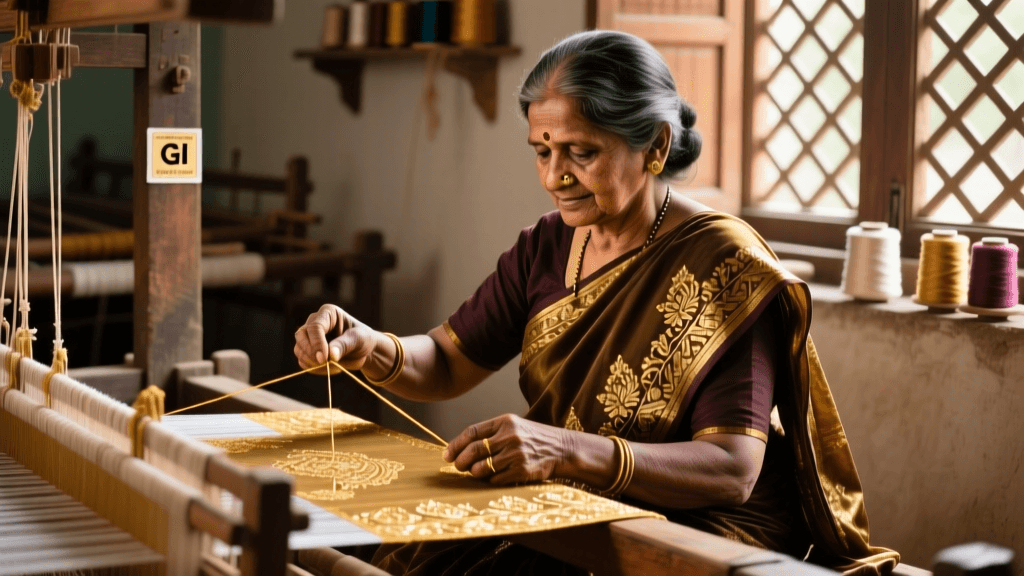
The landscape of purchasing traditional South Asian garments has undergone a massive transformation by 2026. For decades, acquiring a genuine handloom Banarasi silk saree required navigating the labyrinthine alleys of Varanasi, negotiating with multi-layered middlemen, or relying on high-markup boutique retailers in metropolitan cities. Today, the digital ecosystem, bolstered by widespread rural internet penetration and secure global logistics, empowers master weavers to connect directly with global connoisseurs. However, this accessibility comes with a caveat: the proliferation of powerloom replicas marketed deceptively as 'handloom' on massive, uncurated e-commerce conglomerates. For the discerning buyer, understanding how to navigate weaver-direct marketplaces is essential to ensure your investment supports authentic heritage and genuine artisan livelihoods.
Top Trusted Marketplaces for Authentic Banarasi Silk
When shopping for a heritage garment online, the platform you choose is just as critical as the product itself. In 2026, the most reliable platforms are those that maintain transparent supply chains, offer verifiable artisan profiles, and enforce strict quality control regarding silk and zari (metallic thread) purity. Below is a comparison of the most trusted online marketplaces for sourcing authentic Banarasi silk sarees directly from the source.
| Platform | Curation Model | Price Range (USD) | Verification Method | Best For |
|---|---|---|---|---|
| Tilfi | Direct weaver partnerships, luxury focus | $350 - $3,000+ | Video-call verification, GI tags | Bridal wear, intricate Kadwa weaves |
| iTokri | Grassroots NGO-backed, rural artisan focus | $150 - $1,200 | Silk Mark certification, artisan stories | Everyday handlooms, Kattan silk, ethical buying |
| Dastkar | Fair trade cooperative, heritage preservation | $250 - $1,800 | Direct cooperative sourcing, GI tags | Classic motifs, supporting weaving cooperatives |
| Varanasi Weavers Coop | Government-registered cooperative portal | $200 - $1,500 | Direct from registered looms, GI holograms | Budget-friendly pure silk, traditional patterns |
Platforms like Dastkar have been instrumental in bridging the gap between rural artisans and global markets, ensuring that the profits directly benefit the weaving communities rather than corporate intermediaries. When browsing these sites, look for detailed artisan biographies and photographs of the actual pit looms where the sarees are woven.
Decoding the Weave: What to Look for in Product Descriptions
Because you cannot physically touch the fabric when shopping online, understanding the technical terminology of Banarasi weaving is your best defense against powerloom fakes. Authentic product listings in 2026 will clearly specify the weaving technique used. Here are the primary techniques you will encounter:
Kadwa (Kadhua) Weave
This is the most labor-intensive and prestigious technique. In Kadwa weaving, each motif is woven individually with a separate shuttle. The hallmark of a genuine Kadwa saree is the reverse side of the fabric; there are no loose threads hanging at the back of the motifs. This technique makes the fabric incredibly durable and allows for complex, multi-colored patterns. A pure silk Kadwa saree takes anywhere from three to six months to weave, which is reflected in its premium price point.
Fekwa (Phekwa) Weave
In this technique, the weft thread runs continuously across the width of the saree to create motifs. On the reverse side, you will see long, loose threads connecting the motifs, which are often cut by hand after weaving (known as 'cutwork'). While still a legitimate handloom technique and more affordable than Kadwa, it is less durable and more prone to snagging. Many powerloom manufacturers mimic the cutwork look, so Fekwa requires careful authentication.
Kattan Silk
Kattan refers to raw, unprocessed silk. Sarees woven from Kattan have a slightly textured, rustic feel and a matte finish compared to the high sheen of processed silk. They are highly breathable and favored for daytime events and summer wear. Authentic Kattan Banarasi sarees feature beautiful, understated zari borders and are a staple in the modern, minimalist wardrobe.
Authentication: Verifying Silk and Zari from Behind a Screen
The greatest challenge of online shopping is verifying material authenticity. In 2026, buyers must demand digital proof of certification before making high-ticket purchases. Here is how to verify the materials remotely:
- The Silk Mark: Mandated by the government, the Silk Mark label guarantees that the fabric is 100% natural silk. Reputable online sellers will provide high-resolution, zoomable images of the physical Silk Mark Organisation of India holographic tag attached to the saree. You can often scan the QR code on the tag via the marketplace's app to verify its unique serial number against the national database.
- The GI Tag (Geographical Indication): True Banarasi brocades and sarees hold a GI tag, legally protecting the name and ensuring the product was woven in the designated districts of Varanasi. Look for the GI certification logo and the specific weaver's license number in the product description.
- Live Video Verification: The standard practice on premium weaver-direct platforms in 2026 is the pre-purchase video call. Buyers can request a live video session with the seller to inspect the saree. During this call, ask the seller to flip the saree to the reverse side to check for the Kadwa weave, and ask them to gently crush the fabric to demonstrate the soft, fluid drape characteristic of pure silk, which powerloom polyester blends cannot replicate.
- Zari Testing Documentation: Authentic Banarasi zari is traditionally made of silk thread wrapped in flattened silver wire and electroplated with pure gold. While 'tested zari' (copper or synthetic core with gold plating) is common in mid-range sarees, sellers must explicitly disclose the zari type. If a seller claims 'pure gold zari' on a saree priced under $1,000, it is a definitive red flag.
2026 Pricing Benchmarks for Handloom Banarasi
Understanding current market rates is crucial to avoiding scams. The romanticized idea of finding a 'bargain' pure silk handloom Banarasi is a myth exploited by fast-fashion outlets. In 2026, the cost of raw silk yarn, pure silver zari, and the weaver's labor dictates strict minimum price floors. Here is what you should expect to pay for authentic, weaver-direct pieces:
- Pure Silk Kadwa Saree (Heavy Bridal): $1,200 to $4,000+. These feature dense all-over jaal (net) patterns, real zari, and take months to weave.
- Pure Silk Fekwa/Cutwork Saree: $350 to $900. Lighter motifs with continuous weft weaving.
- Kattan Silk Saree (Minimalist Zari): $250 to $600. Valued for the texture of the raw silk rather than the density of the metallic thread.
- Tissue Silk Saree: $400 to $1,100. Woven with silk in the warp and zari in the weft, giving it a luminous, metallic sheen that is highly sought after for receptions and festivities.
If you encounter a website advertising a 'Pure Handloom Banarasi Silk Saree with Real Zari' for $85, you are looking at a powerloom-woven polyester or art-silk blend. The economics of handloom weaving simply do not support such pricing.
Red Flags: Spotting Powerloom Imitations Online
Powerlooms have become increasingly sophisticated, capable of mimicking traditional motifs with alarming accuracy. However, they leave digital footprints that an educated buyer can spot in product photography:
- Unnatural Uniformity: Handloom weaving is a human endeavor. If you zoom in on the product images and notice that every single motif is mathematically identical down to the pixel, it is likely machine-made. Handlooms feature microscopic, beautiful irregularities in tension and motif alignment.
- Stiff Drape in Photos: Look at how the saree is draped on the mannequin or model. Pure silk drapes like water, pooling softly at the pleats. Powerloom synthetic blends often look stiff, holding rigid, unnatural folds.
- Vague Terminology: Beware of terms like 'Banarasi-style,' 'silk blend,' 'art silk,' or 'jacquard silk.' These are legal loopholes used by mass manufacturers to sell machine-made synthetic fabrics while evoking the heritage of Varanasi.
- Stock Photography: Authentic weaver-direct platforms use original photography, often showing the saree laid flat on a traditional rug or draped by a real person in natural light. If the images look like heavily edited, generic catalog stock photos with identical studio lighting across hundreds of different designs, avoid the listing.
Caring for Your Heirloom Saree Post-Purchase
Once your authentic Banarasi silk saree arrives, proper care is essential to preserve it for future generations. The metallic zari is highly susceptible to oxidation and tarnishing when exposed to moisture and harsh chemicals.
- Initial Care: Always dry clean your Banarasi silk saree for the first wash to set the colors and remove any residual starch from the weaving process.
- Storage: Never store your silk sarees in plastic covers, as this traps moisture and causes the zari to turn black. Wrap the saree in a pure, unbleached muslin or cotton cloth. Refold the saree every three months to prevent permanent crease lines and fabric tearing along the folds.
- Environment: Store in a cool, dark wooden cupboard. Avoid naphthalene balls or chemical moth repellents, which can react with the metallic zari and cause irreversible discoloration. Instead, use natural alternatives like dried neem leaves or sandalwood chips.
By prioritizing weaver-direct marketplaces, demanding verifiable certifications, and understanding the intricate mechanics of the loom, you can confidently navigate the 2026 digital marketplace. Purchasing an authentic Banarasi silk saree online is no longer a gamble; it is a conscious investment in one of Asia's most magnificent living textile traditions, ensuring that the master weavers of Varanasi continue to thrive in the modern era.