Buying Authentic Banarasi Silk Sarees Online in 2026: A Guide
The 2026 Landscape of Banarasi Silk E-Commerce
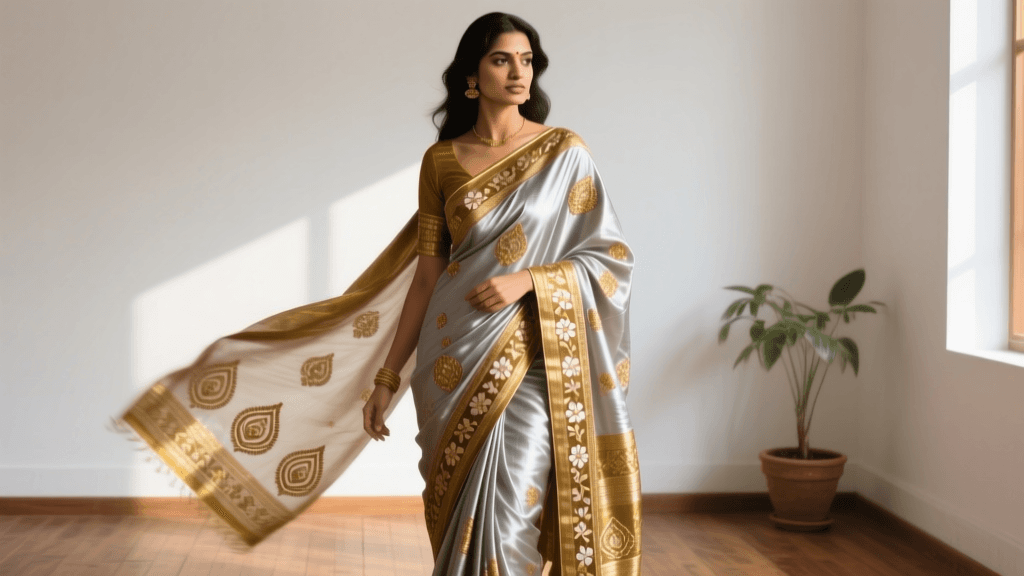
The traditional art of weaving Banarasi silk sarees has undergone a massive digital transformation. As of 2026, buying these exquisite garments online is no longer a gamble, provided you know where to look and how to verify authenticity. The surge in direct-to-consumer handloom platforms has empowered artisans in Varanasi, allowing global buyers to purchase museum-quality textiles without relying on middlemen. However, this digital boom has also led to an influx of powerloom replicas marketed as handwoven masterpieces. Navigating the online marketplace requires a keen eye for textile details, an understanding of current pricing, and familiarity with digital authentication methods.
In 2026, the integration of blockchain-backed Geographical Indication (GI) tags and digital Silk Mark certifications has revolutionized how we verify heritage textiles online. According to the Ministry of Textiles, Government of India, recent digital handloom initiatives have successfully onboarded thousands of weavers onto verified e-commerce portals, ensuring that the profits reach the actual artisans. This guide will walk you through the best online marketplaces, how to decode silk varieties, and the exact steps to ensure your investment is genuine.
Decoding Banarasi Silk Varieties for the Online Shopper
Before adding a saree to your digital cart, it is crucial to understand the different types of Banarasi silk. The term Banarasi refers to the weaving technique and the region of origin, not just a single type of fabric. Online descriptions can be confusing, so familiarizing yourself with these core varieties will help you make an informed purchase.
Pure Katan Silk
Katan is the purest form of Banarasi silk, created by twisting together two or more silk threads to form a durable, lustrous fabric. It is the gold standard for bridal wear and heirloom investments. When shopping online, look for terms like 'Katan Butidar' or 'Katan Kadwa'. Kadwa is an intricate, time-consuming handloom technique where each motif is woven separately, ensuring no loose threads on the reverse side. A genuine Kadwa Katan saree takes months to weave and is priced at a premium.
Kora Silk (Organza)
Kora silk, often referred to as Banarasi Organza, is a lightweight, sheer fabric woven with twisted silk threads. It is heavily favored for summer weddings and daytime festive events due to its breathable nature and rich, stiff drape. Online shoppers should look for 'Kora Silk Cutwork' or 'Kora Jamdani'. The Jamdani technique on Kora silk creates a beautiful, almost embossed effect where the motifs appear to float on the sheer background.
Banarasi Georgette
Georgette is a highly twisted, crepe-textured silk that offers a fluid, elegant drape. It is significantly lighter than Katan and is highly sought after for cocktail parties, receptions, and travel-friendly festive wear. Banarasi Georgette sarees often feature 'Jangla' designs (intricate, creeping vine motifs) or heavy 'Zari' (metallic thread) borders. When buying online, ensure the description specifies 'Pure Silk Georgette' rather than synthetic polyester blends.
Shattir and Tissue
Shattir is a more affordable, slightly coarser silk blend often woven on powerlooms or semi-handlooms, making it accessible for daily festive wear. Tissue silk, on the other hand, weaves silk with metallic Zari threads in both the warp and weft, creating a shimmering, metallic sheen that is incredibly popular for modern reception wear. Tissue sarees are highly delicate and require specialized care.
Top Trusted Online Marketplaces in 2026
To avoid the rampant counterfeits found on generalized mega-marketplaces, serious collectors and bridal shoppers in 2026 are turning to specialized, curated platforms that maintain direct relationships with weaving clusters.
Tilfi
Tilfi has established itself as a premier destination for authentic, handwoven Banarasi textiles. They operate on a direct-from-weaver model, providing exhaustive details about the artisan, the weaving technique, and the exact materials used. Their 2026 interface includes high-resolution macro photography, allowing buyers to inspect the reverse side of the fabric to verify Kadwa or Cutwork techniques before purchasing.
HolyWeaves
HolyWeaves bridges the gap between traditional craftsmanship and modern aesthetics. They are renowned for their stringent quality control and authenticity guarantees. Every Banarasi silk saree sold on HolyWeaves comes with a verifiable digital Silk Mark certificate. Their platform also offers virtual styling consultations, helping international buyers understand how specific fabrics will drape and photograph.
Varanasi Weavers Cooperative Portals
Supported by government initiatives, several official cooperative portals have launched robust e-commerce platforms in 2026. Buying directly from these cooperatives ensures that your money goes straight to the artisan communities. While the user interfaces might be less polished than private luxury brands, the authenticity is unquestionable, and the prices are often more competitive since there are no corporate markups.
How to Verify Authenticity: Silk Mark and GI Tags
The most critical step in online Banarasi silk shopping is verifying the authenticity certifications. In 2026, physical tags have been supplemented by digital verification tools.
The Silk Mark Organisation of India provides a unique, numbered holographic tag for pure silk products. When shopping online, reputable sellers will display the Silk Mark logo and provide the specific tag number in the product description or post-purchase documentation. You can verify this number directly on the Silk Mark website to ensure the fabric is 100% natural silk and not a synthetic blend.
Furthermore, the Geographical Indications Registry protects the Banarasi brocade and saree name. Authentic handloom Banarasi sarees now frequently feature a QR-code-enabled GI tag. Scanning this code reveals the entire supply chain journey, from the specific village in Varanasi where it was woven to the master weaver's name and the date of completion. If an online listing claims a saree is a handwoven Banarasi original but lacks both a Silk Mark and a GI verification option, proceed with extreme caution.
2026 Pricing Guide: What Should You Actually Pay?
Understanding the baseline pricing for 2026 is essential to avoid both overpaying at luxury boutiques and falling for 'too good to be true' powerloom scams. The cost of raw silk, silver Zari, and artisan labor has steadily increased, making genuine handloom pieces a significant investment.
| Silk Variety | Weaving Technique | Estimated 2026 Price Range (USD) | Best Use Case |
|---|---|---|---|
| Pure Katan | Kadwa (Handloom) | $450 - $1,200+ | Bridal wear, heirloom investment |
| Kora Silk (Organza) | Cutwork / Jamdani | $250 - $600 | Summer weddings, festive daytime |
| Banarasi Georgette | Butidar (Scattered motifs) | $180 - $400 | Cocktails, receptions, travel |
| Shattir / Tissue | Powerloom / Semi-handloom | $60 - $150 | Casual festive wear, daily office |
If you encounter a listing for a 'Pure Katan Kadwa Bridal Saree' priced under $150, it is almost certainly a powerloom replica made with synthetic yarn and electroplated plastic Zari. True handloom weaving requires immense physical effort and time, which is inherently reflected in the market price.
Red Flags: Avoiding Powerloom Fakes Online
Powerloom manufacturers have become increasingly adept at mimicking the look of handwoven Banarasi silk. However, there are distinct red flags to watch out for when browsing online listings:
- Uniformity of Motifs: Handwoven sarees possess slight, beautiful imperfections. If the digital photos show mathematically perfect, laser-sharp motifs with zero variation, it is likely machine-made.
- The Reverse Side Test: Always ask the seller for a photo of the reverse side of the pallu (the decorated end of the saree). In genuine Kadwa handloom, the reverse side is nearly as neat as the front, with no long, floating threads. Powerloom and 'Cutwork' handloom sarees will have long, loose threads on the back.
- Vague Terminology: Be wary of terms like 'Banarasi-style', 'Art Silk', 'Silk Blend', or 'Soft Silk'. These are legal loopholes used to sell synthetic or semi-synthetic fabrics. Only 'Pure Silk' backed by a Silk Mark is genuine.
- Mass Stock Availability: A true handloom weaver can produce only a few intricate sarees a month. If an online store shows 500+ units in stock for a highly complex Katan brocade design, it is a mass-produced factory item.
Final Tips for International Shipping and Customs in 2026
For buyers outside of India, purchasing heritage textiles online in 2026 is smoother than ever, but requires attention to logistics. Always opt for insured, tracked shipping via premium couriers. When declaring customs, ensure the seller provides a detailed commercial invoice that explicitly states 'Handwoven Silk Saree - 100% Natural Silk' along with the correct HS (Harmonized System) code for handloom textiles. This prevents your heirloom garment from being misclassified as mass-produced synthetic apparel, which often attracts higher import tariffs. By utilizing trusted marketplaces, demanding digital authentication, and understanding the true value of the weave, you can confidently build a stunning collection of authentic Banarasi silk sarees from anywhere in the world.