Kimono vs Hanbok vs Cheongsam: 2026 Fashion Guide
As we navigate the fashion landscape of 2026, the global appetite for heritage garments has reached an all-time high. Driven by a collective desire for sustainable, slow fashion and deep cultural appreciation, traditional Asian garments are no longer relegated to museum archives or rare ceremonial events. Instead, the Japanese kimono, the Korean hanbok, and the Chinese cheongsam (qipao) are actively shaping modern wardrobes, red carpets, and contemporary formalwear. However, for the uninitiated enthusiast or the modern shopper looking to invest in authentic cultural dress, distinguishing between these three iconic silhouettes can be daunting.
This comprehensive 2026 guide breaks down the structural differences, foundational requirements, and modern styling applications of the kimono, hanbok, and cheongsam, helping you choose the perfect garment for your next formal occasion.
The Japanese Kimono: T-Shaped Elegance and Linear Mastery
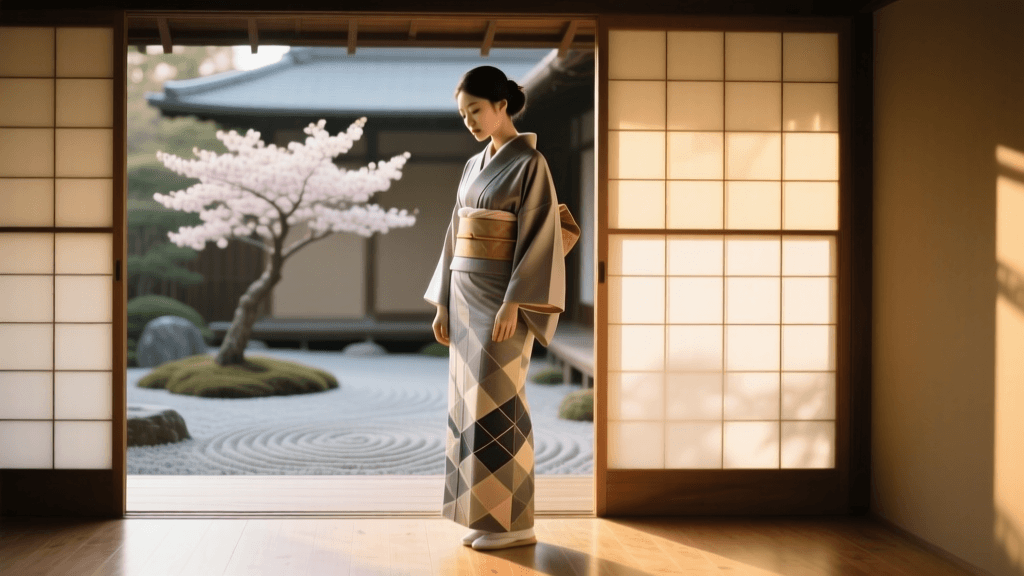
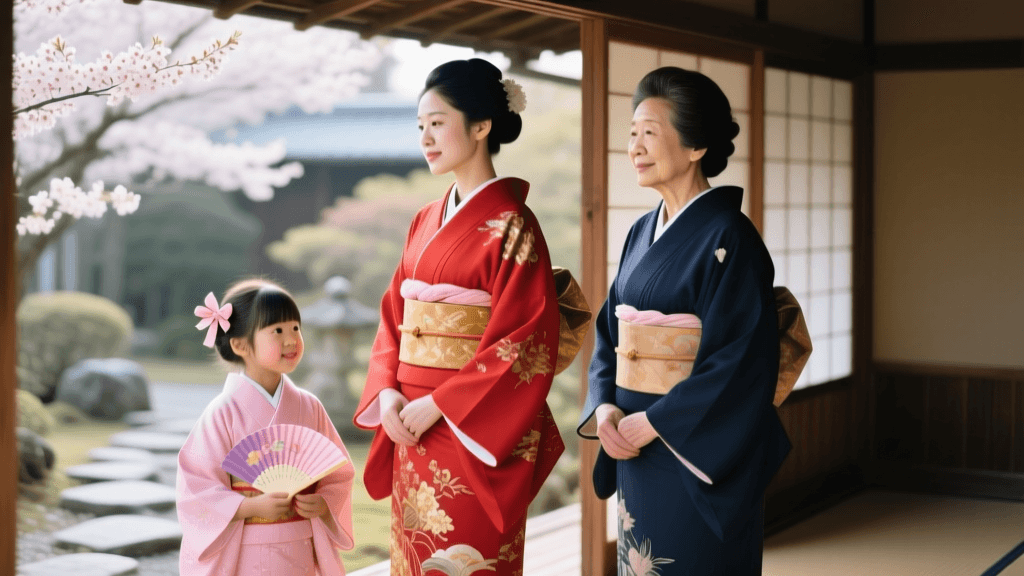
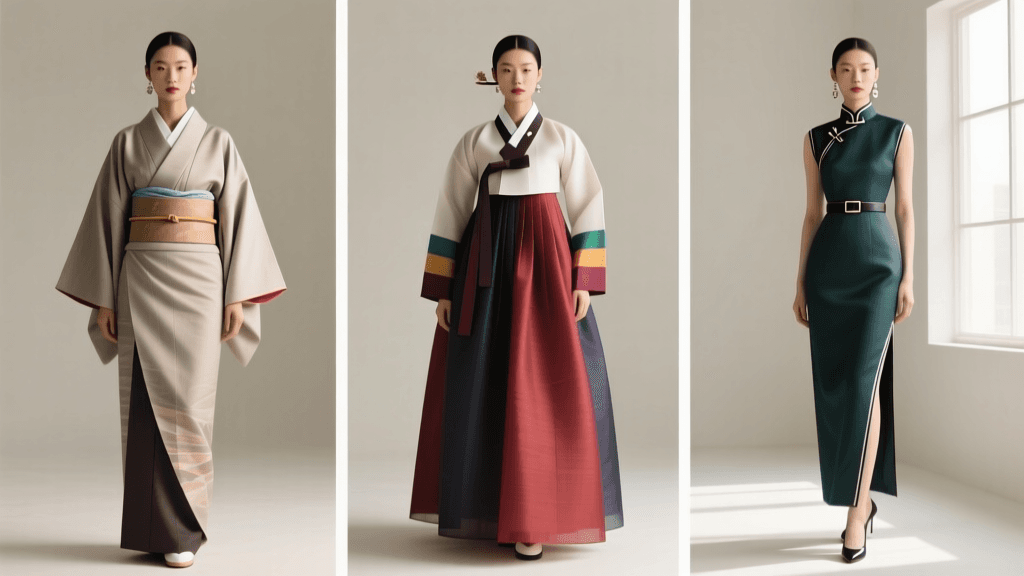
The kimono is perhaps the most globally recognized symbol of Japanese sartorial heritage. Translating literally to 'thing to wear,' the kimono is defined by its T-shaped, straight-line construction. Unlike Western tailoring, which relies on darts and curved seams to follow the contours of the body, the kimono is cut from a single bolt of fabric called a tanmono, which is typically around 36 centimeters wide. This results in a garment that wraps around the body, creating a tubular, column-like silhouette that obscures the natural waistline.
Construction and Fastening
The kimono is secured using an obi, a wide, stiff sash that is tied at the back in intricate knots (such as the taiko musubi). In 2026, the art of kitsuke (kimono dressing) remains a highly respected skill, though modern innovations like pre-tied obi and hidden velcro fastenings have made the garment more accessible for international buyers. The overlapping front panels always wrap left over right for the living; right over left is strictly reserved for dressing the deceased.
2026 Styling and Trends
This year, the most prominent trend in kimono fashion is the upcycling of vintage silk. With new silk production facing environmental and economic hurdles, contemporary stylists are pairing antique, hand-painted Showa-era kimono with modern, minimalist obi belts and sleek, Western-style leather footwear. According to the Victoria and Albert Museum's extensive archives on Japanese dress, the kimono has always been a dynamic garment, and today's fusion of historical textiles with modern accessories continues this legacy of adaptation.
The Korean Hanbok: Voluminous Grace and Vibrant Harmony
The hanbok is celebrated for its dramatic volumes, sweeping lines, and vibrant use of color. The traditional women's hanbok consists of a jeogori (a short, cropped jacket) and a chima (a high-waisted, full, bell-shaped skirt). For men, the ensemble comprises a jeogori and baji (roomy, tied trousers). The silhouette is designed to create a harmonious balance between the fitted upper body and the expansive, flowing lower half.
Construction and Fastening
The hanbok relies on ties rather than buttons. The jeogori is fastened by a long ribbon called a goreum, which is tied into a bow on the right side of the chest. A defining feature of the hanbok is the dongjeong, a stiff, white, removable paper or fabric collar that frames the face and provides a crisp contrast to the colorful silk of the jacket. The skirts are traditionally held up by a long tie that wraps around the chest, sitting just below the collarbone.
2026 Styling and Trends
The 'Daily Hanbok' movement has fully matured in 2026. Brands are now utilizing lightweight, breathable linen blends and washed cottons for summer wear, moving away from the heavy, stiff brocades of the past. Global pop culture has also heavily influenced the hanbok's modern iteration, with designers experimenting with asymmetrical chima hems and cropped, corset-style jeogori for high-fashion editorials. The official Korean cultural gateway notes that the modern hanbok successfully bridges the gap between historical preservation and contemporary street style.
The Chinese Cheongsam: Tailored Silhouette and Sculpted Form
Also known as the qipao, the cheongsam is a masterclass in form-fitting tailoring. Originating in the 1920s in Shanghai as a modernization of traditional Manchu dress, the cheongsam is designed to celebrate the natural curves of the body. It features a high Mandarin collar, a diagonal or curved front flap, and signature side slits that allow for ease of movement.
Construction and Fastening
Unlike the wrap-style kimono or the tie-fastened hanbok, the cheongsam is a structured, pullover garment that relies on hidden zippers (in modern iterations) and decorative pankou (frog knot) closures at the neck and chest. The traditional cheongsam is cut on the bias or features strategic darts at the waist and bust to achieve its sculpted fit. The side slits, which can range from modest to thigh-high, are both a functional necessity for walking and a striking design element.
2026 Styling and Trends
In 2026, the cheongsam is experiencing a 'deconstructed' renaissance. While the classic, floor-length silk qipao remains the gold standard for weddings and galas, younger demographics are embracing midi-length cheongsam dresses crafted from structural neoprene, vegan leather, and even upcycled denim. Designers are playing with exaggerated Mandarin collars and detachable capes, transforming the dress into a versatile piece of modular fashion. The historical evolution of Chinese silk and tailoring, as documented by institutions like the Metropolitan Museum of Art, highlights how the cheongsam has always been a canvas for material innovation.
Foundation Garments: The Hidden Architecture
A common mistake made by modern buyers is ignoring the undergarments required to properly wear these traditional pieces. The foundation is just as critical as the outer garment.
- Kimono: Requires a hadajuban (undershirt) and a nagajuban (full-length under-robe) to protect the expensive outer silk from body oils and sweat. Padding (kimono bra and hip towels) is often used to create a perfectly cylindrical body shape, eliminating the natural curve of the waist and hips.
- Hanbok: Women traditionally wear multiple layers of sokgot (underpants) and a sokjeoksam (undershirt) to give the chima its signature bell-like volume. In 2026, modern petticoats made of stiff tulle are frequently used to achieve this silhouette without the heat of multiple cotton layers.
- Cheongsam: Because the qipao is unforgiving and tightly tailored, seamless, nude-toned shapewear and slip dresses are mandatory. Visible panty lines or bulky undergarments will disrupt the smooth, sculpted line of the silk.
Comparative Overview: 2026 Market Data
To help you make an informed investment, below is a structured comparison of the three garments based on current 2026 market conditions, styling, and construction.
| Feature | Kimono (Japan) | Hanbok (Korea) | Cheongsam / Qipao (China) |
|---|---|---|---|
| Silhouette | Columnar, T-shaped, waist-obscuring | Bell-shaped, high-waisted, voluminous | Form-fitting, sculpted, curve-accentuating |
| Primary Fastening | Obi (wide sash) and ties | Goreum (ribbon ties) | Pankou (frog knots) and hidden zippers |
| Avg. Bespoke Cost (2026) | $2,500 - $8,000+ | $600 - $2,000 | $800 - $3,500 |
| Best Modern Occasion | Tea ceremonies, gallery openings, weddings | Festivals, cultural holidays, editorial shoots | Cocktail parties, galas, formal dinners |
| Mobility | Restricted (requires small steps) | Moderate (skirt can be lifted) | High (side slits allow full stride) |
Sourcing and Purchasing in 2026
If you are looking to acquire an authentic piece this year, the market has shifted heavily toward direct-to-artisan platforms. For the kimono, visiting the Nishijin district in Kyoto or utilizing verified vintage dealers on specialized Japanese auction proxy sites remains the best way to secure high-quality silk. For the hanbok, Seoul's Dongdaemun market offers incredible ready-to-wear daily options, while bespoke masters in the Bukchon Hanok Village cater to luxury commissions. Finally, for the cheongsam, Shanghai's South Bund Fabric Market and heritage tailors in Hong Kong continue to offer unparalleled custom fitting, with 2026 pricing reflecting the rising cost of premium, ethically sourced mulberry silk.
Investing in traditional Asian garments in 2026 is not merely about acquiring clothing; it is about participating in the living history of these cultures. Whether you choose the linear poetry of the kimono, the joyful volume of the hanbok, or the sculpted elegance of the cheongsam, understanding their structural roots is the key to wearing them with profound respect and modern flair.