Authentic Banarasi Silk Sari Online Shopping Guide 2026
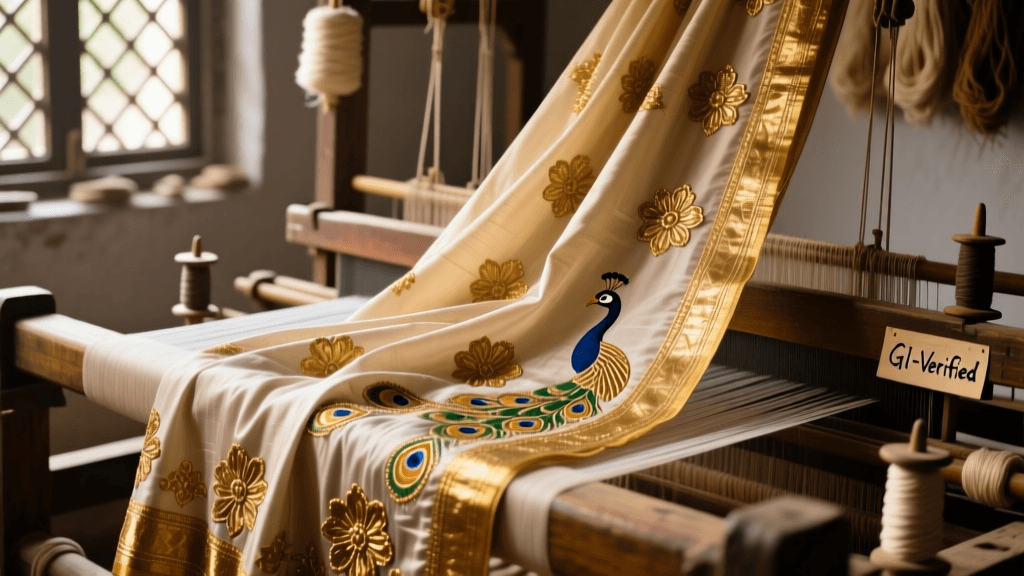
The Digital Evolution of Varanasi’s Looms
The Banarasi silk sari stands as an undisputed monarch in the wardrobe of South Asian traditional garments. Characterized by its opulent gold and silver zari work, intricate Mughal-inspired motifs, and heavy, lustrous silk base, this garment has been a staple of Indian bridal trousseaus and ceremonial wear for centuries. Historically, acquiring an authentic Banarasi silk sari required a physical pilgrimage to the narrow, labyrinthine alleys of Varanasi (Banaras) in Uttar Pradesh, India. Buyers had to navigate a complex web of middlemen, brokers, and retail storefronts to reach the actual master weavers.
However, the landscape of Asian traditional garment shopping has undergone a radical transformation. In 2026, the digital marketplace has empowered heritage weavers to bypass exploitative intermediaries and connect directly with global consumers. While this democratization of access is a triumph for artisan communities, it has also flooded the internet with powerloom replicas masquerading as handwoven masterpieces. For the discerning collector, bride, or cultural enthusiast, knowing how to navigate online marketplaces to source genuine, handloom Banarasi silk is an essential skill. This comprehensive guide will equip you with the knowledge to verify authenticity, understand pricing structures, and identify the most trustworthy direct-to-consumer platforms operating today.
Decoding Authenticity: Silk Mark and GI Tags
When shopping for high-end traditional Asian textiles online, visual inspection is impossible, making certification your primary line of defense. For Banarasi silk saris, there are two critical markers of authenticity you must look for in any 2026 product listing.
The Geographical Indication (GI) Tag
The Banarasi sari was granted a Geographical Indication (GI) tag, meaning that only saris woven within the specific geographic districts of Varanasi, Chandauli, Mirzapur, Jaunpur, and Azamgarh can legally be sold under the "Banarasi" name. According to the World Intellectual Property Organization, GI tags protect traditional knowledge and ensure that the economic benefits of a region's unique craftsmanship remain with the local artisans. When shopping online, reputable sellers will provide a GI certification number and a scannable QR code linked to the weaver's cooperative. If a marketplace listing uses the term "Banarasi-style" or "Varanasi print," it is an immediate red flag indicating a factory-made replica.
The Silk Mark Certification
Synthetic blends and artificial silks have become incredibly sophisticated, often mimicking the drape and sheen of pure mulberry silk. To combat this, the Central Silk Board of India established the Silk Mark. This is a legally protected, holographic label that guarantees the textile is 100% natural silk. You can verify the authenticity of a seller's Silk Mark license directly through the Silk Mark India portal. In 2026, any online vendor claiming to sell pure Banarasi silk who cannot produce a valid, unexpired Silk Mark license should be avoided entirely.
Top Verified Online Marketplaces for 2026
While massive global e-commerce sites offer convenience, they are often riddled with dropshippers selling powerloom duplicates. For authentic Banarasi silk, you must utilize specialized, curated platforms that maintain direct relationships with weaving clusters.
- Tilfi Banaras: Operating on a direct-to-consumer model, Tilfi has revolutionized the space by partnering with over 3,000 artisans in Varanasi. Their 2026 catalog features high-resolution macro photography that allows buyers to inspect the reverse side of the fabric—a crucial step, as authentic handloom Banarasi saris feature a neat, almost identical reverse pattern, whereas powerloom saris show messy, floating threads.
- Holy Weaves: This platform focuses heavily on heritage techniques, including the near-extinct Kadwa weave, where each motif is individually hand-woven so that there are no loose threads on the back. They provide detailed provenance for each piece, including the name of the master weaver and the specific village of origin.
- iTokri: A highly trusted curated marketplace that sources directly from grassroots artisan cooperatives. iTokri is particularly excellent for buyers looking for contemporary color palettes applied to traditional Banarasi weaving techniques, bridging the gap between heritage craftsmanship and modern styling.
- ONDC (Open Network for Digital Commerce): In 2026, India's ONDC network has matured into a powerful tool for global buyers. By accessing ONDC-affiliated buyer apps, international shoppers can now purchase directly from registered weaver cooperatives in Varanasi at domestic Indian prices, completely eliminating the retail markup. The Ministry of Textiles has heavily promoted this digital integration to ensure weavers receive fair compensation.
Price Breakdown: Handloom vs. Powerloom in 2026
Understanding the economics of Banarasi weaving is vital to spotting online scams. If a listing promises a "pure silk handwoven Banarasi bridal sari" for under $150 USD, it is mathematically impossible. The cost of raw mulberry silk, genuine metallic zari, and the hundreds of hours of manual labor dictate a strict price floor. Below is a comparative breakdown of what you should expect to pay in the current 2026 market.
| Weave Type | Zari Material | Production Time | 2026 Price Range (USD) |
|---|---|---|---|
| Powerloom (Replica) | Synthetic/Plastic Zari | 2 - 5 Days | $40 - $120 |
| Semi-Handloom | Tested Zari (Copper/Silver alloy) | 15 - 30 Days | $250 - $600 |
| Pure Handloom (Standard) | Real Zari (Silver core, Gold plated) | 2 - 4 Months | $800 - $2,500 |
| Pure Handloom (Kadwa/Bridal) | Pure Real Zari (High gold content) | 6 - 12 Months | $3,000 - $8,000+ |
Red Flags: Avoiding Online Counterfeits
As you browse online boutiques and social media storefronts, keep a vigilant eye out for these common deceptive practices:
- The "Burn Test" Evasion: Reputable online sellers will often include a small, detached swatch of the silk and zari with your order, encouraging you to perform a burn test at home. Pure silk smells like burning hair and turns to crushable ash, while synthetic melts into a hard plastic bead. If a seller refuses to provide a swatch or offer a return policy based on failed authenticity tests, do not purchase.
- Uniform Perfection: Handloom weaving is a human endeavor. While master weavers produce breathtakingly precise work, a microscopic inspection of the selvedge (the edge of the fabric) will often reveal minute, natural irregularities. Powerloom fabrics are mathematically perfect and rigidly uniform.
- Vague Terminology: Beware of terms like "Art Silk," "Raw Silk Blend," or "Banarasi Motif." These are industry euphemisms for synthetic blends and machine embroidery.
- Stock Imagery: Authentic handloom pieces are usually one-of-a-kind. If you see the exact same image of a sari being sold by multiple different vendors across different platforms, you are looking at a mass-produced powerloom catalog image.
Commissioning Bespoke Bridal Banarasi Saris Online
For brides and collectors seeking a completely bespoke garment, 2026's digital infrastructure makes remote commissioning more accessible than ever. Platforms like Tilfi and Holy Weaves offer "Weave Your Own" services. The process typically begins with a virtual consultation via video call with a design coordinator in Varanasi. You will select the base silk type (such as Katan, Organza, or Tussar), the color dye lot, and the specific motif layout (jaal, buti, or border-heavy).
Once the design is finalized, the vendor will mail you a physical "zari thaan" (a sample card of the metallic threads) and a dyed silk swatch so you can approve the colors and metallic tones in your own home lighting. Only after your physical approval does the master weaver begin setting up the jacquard loom. Be prepared for lead times of six to nine months for a bespoke bridal piece, as the intricate Kadwa technique requires the weaver to interlock each motif individually, a process that cannot be rushed without compromising the structural integrity of the silk.
Caring for Your Investment Upon Arrival
Once your authentic Banarasi silk sari arrives, proper care is essential to preserve the metallic zari and the silk fibers. Never wash a handloom Banarasi sari at home; the water temperature and chemical detergents will strip the gold plating from the silver zari threads. Always seek a dry cleaner who specializes in heritage Asian textiles and explicitly uses petroleum-based solvents rather than harsh perc chemicals. When storing the garment, avoid plastic covers, which trap moisture and cause the zari to oxidize and turn black. Instead, wrap the sari in unbleached, acid-free muslin cloth and store it in a cool, dark, climate-controlled environment, refolding it every three months to prevent permanent crease lines from fracturing the silk yarns.
By prioritizing transparency, demanding verifiable certifications, and supporting platforms that champion the artisan, you ensure that the ancient art of Banarasi weaving continues to thrive in the modern digital economy.