Buy Authentic Banarasi Silk Sarees Online: 2026 Guide
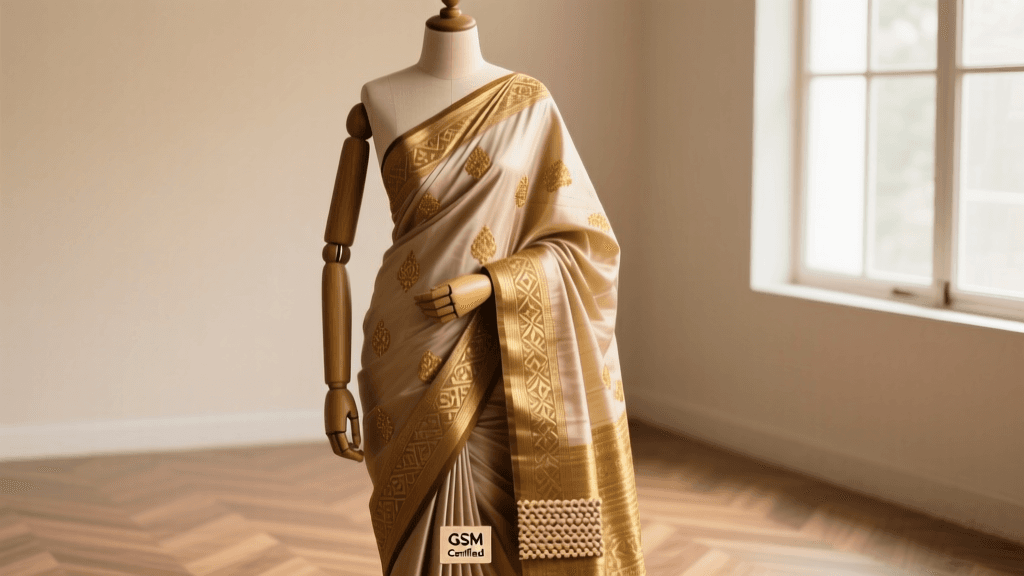
The Digital Renaissance of Banarasi Handloom in 2026
The landscape of Asian traditional garment shopping has undergone a massive transformation over the last few years. In 2026, the digital marketplace for heritage textiles is more vibrant and accessible than ever before, allowing global consumers to purchase exquisite traditional garments directly from the source. Among the most coveted of these garments is the Banarasi silk saree, a masterpiece of Indian weaving that has been cherished for centuries. However, the convenience of online shopping brings a significant challenge: the proliferation of powerloom replicas masquerading as authentic handloom treasures.
For collectors, brides, and enthusiasts of South Asian fashion, navigating the online marketplaces requires a discerning eye and an understanding of traditional weaving techniques. The Ministry of Textiles, Government of India has ramped up digital initiatives to protect weavers and consumers alike, but the responsibility of verification still largely falls on the buyer. This comprehensive guide will equip you with the knowledge needed to confidently purchase authentic Banarasi silk sarees online, ensuring your investment supports genuine artisan communities and brings a true piece of Asian heritage into your wardrobe.
Decoding the Heritage Weaves: What to Look For
Before adding an item to your digital cart, it is crucial to understand the specific weaving techniques that define a genuine Banarasi saree. The term 'Banarasi' refers to a broad category of brocades originating from Varanasi, but within this category, there are distinct styles that dictate the garment's value, weight, and drape.
Kadhua (Cutwork) Weave
The Kadhua technique is the pinnacle of Banarasi craftsmanship. In this method, each motif is woven individually and the extra weft threads are cut manually at the back of the fabric. This results in a clean reverse side and a heavily embossed, raised texture on the front. Kadhua sarees are incredibly labor-intensive, often taking weavers anywhere from three to six months to complete. When shopping online, look for close-up macro photography of the reverse side; a genuine Kadhua will show distinct, neatly tied knots rather than long, continuous floating threads.
Jangla and Jaal Patterns
Jangla refers to a specific style of intricate, creeping vine and floral motifs that spread across the body of the saree, while 'Jaal' refers to a continuous net-like geometric or floral grid. Authentic Jangla and Jaal Banarasi sarees are woven using multiple silk threads and metallic zari (gold or silver thread). The density of the weave makes these sarees relatively heavy, giving them a majestic drape that is highly sought after for bridal trousseaus.
Tanchoi Satin Weave
Originating from Persian influences but perfected in Varanasi, Tanchoi is characterized by a satin base weave where the motifs are created using multiple weft threads. Unlike heavy brocades, Tanchoi sarees are lighter, softer, and feature a subtle, self-shaded sheen. They are an excellent choice for those seeking a more contemporary, fluid drape while maintaining traditional authenticity.
Top Trusted Online Channels for 2026
When purchasing high-value traditional garments, the platform you choose is just as important as the product itself. In 2026, the most reliable avenues for authentic Banarasi sarees fall into three main categories:
- Government-Backed Handloom Portals: Websites affiliated with the National Handloom Development Corporation and state-level emporiums offer curated selections of genuine handloom products. These platforms guarantee authenticity, as they source directly from registered weaver cooperatives.
- Direct-to-Consumer Weaver Collectives: Several heritage brands have emerged that operate directly out of Varanasi, bypassing middlemen. These platforms often provide detailed profiles of the master weavers, video documentation of the weaving process, and transparent pricing models. Look for brands that hold official GI (Geographical Indication) certifications.
- Curated Heritage Marketplaces: Premium lifestyle platforms that specialize in Asian traditions and artisanal crafts often employ in-house textile experts to vet their inventory. While their prices may include a retail markup, they offer reliable customer service, international shipping, and hassle-free return policies.
'The true value of a Banarasi saree lies not just in the silk and zari, but in the generations of muscle memory and artistic intuition woven into every inch of the fabric.' — Master Weaver Cooperative of Varanasi.
The Ultimate Authenticity Checklist: Avoiding Powerloom Fakes
Powerloom technology has advanced significantly, allowing machines to replicate complex brocade patterns at a fraction of the time and cost. To protect your investment, use this four-step verification checklist when evaluating an online listing.
1. Verify the Silk Mark and Handloom Mark
The Silk Mark Organisation of India provides a holographic, numbered tag that certifies the fabric is 100% pure natural silk. Similarly, the 'Handloom Mark' certifies that the product was woven on a manual loom. Reputable online sellers will display high-resolution images of these tags attached to the saree and will provide the unique serial numbers for you to verify on the respective official databases.
2. The 'Reverse Side' Visual Test
Always request or look for photos of the reverse side of the fabric. On a powerloom saree, the extra weft threads used to create the motifs are carried across the back of the fabric in long, messy floats. On a genuine handloom (especially Kadhua), the reverse side will be much cleaner, with threads tied off at the edges of each motif. Some weavers use a technique called 'Meenakari' (adding extra colors), which will show distinct thread cuts on the back.
3. Assess the Imperfections
Handloom weaving is a human endeavor. If the motifs are mathematically perfect, uniformly spaced to the millimeter, and entirely devoid of any slight tension variations, you are likely looking at a machine-made product. Authentic handlooms possess a subtle, organic irregularity that is the hallmark of human craftsmanship.
4. Price and Production Time Realities
If a listing claims a saree is 'Handwoven Kadhua' but is priced under $150 USD and available in bulk quantities with next-day shipping, it is undoubtedly a powerloom fake. Genuine handloom Banarasi sarees require significant time and raw material costs.
Handloom vs. Powerloom: 2026 Market Comparison
| Feature | Authentic Handloom Banarasi | Powerloom Replica |
|---|---|---|
| Production Time | 15 days to 6 months | 1 to 3 days |
| Price Range (USD) | $250 to $2,500+ | $30 to $120 |
| Reverse Side | Clean, tied knots (Kadhua) or neat floats | Long, messy, continuous thread floats |
| Texture & Drape | Supple, breathable, molds to the body | Stiff, synthetic feel, holds rigid shapes |
| Zari (Metallic Thread) | Real gold/silver tested or high-grade copper | Plastic-coated synthetic metallic yarn |
Pricing Expectations and Budgeting in 2026
Understanding the current market rates is essential for online shopping. In 2026, the cost of raw silk and precious metals used in zari has driven the baseline prices of authentic Banarasi sarees upward. A basic handloom Banarasi with a silk body and minimal zari border will typically start around $250 to $350 USD. For a heavy bridal piece featuring intricate Kadhua work, pure silver-plated gold zari, and a fully brocaded pallu, expect to pay anywhere from $800 to over $2,500 USD.
Be wary of 'clearance sales' offering heavy bridal Banarasis at 80% off. Authentic handloom weavers operate on tight margins, and their inventory is rarely liquidated at such drastic discounts. Instead, look for platforms that offer transparent pricing breakdowns, showing exactly how much of your purchase goes directly to the artisan.
Caring for Your Investment
Once your authentic Banarasi saree arrives, proper care is vital to preserve its structural integrity and luster for future generations. Always store your silk sarees wrapped in unbleached muslin or pure cotton cloth; never use plastic covers, as they trap moisture and cause the silk to degrade and the zari to tarnish. Avoid hanging heavy Banarasi sarees on wire or plastic hangers, as the weight of the fabric will cause the warp threads to stretch and tear over time. Instead, fold them neatly and store them flat in a cedar wood chest or a cool, dry drawer. When cleaning is necessary, strictly opt for professional dry cleaning specializing in heritage textiles, and never attempt to machine wash or aggressively hand-wash these delicate masterpieces.
Conclusion
Shopping for Asian traditional garments online in 2026 offers unprecedented access to master weavers and heritage techniques that were once difficult to source outside of local markets. By understanding the distinct weaving styles, utilizing official certification marks, and carefully evaluating the visual evidence provided by online sellers, you can confidently build a collection of authentic Banarasi silk sarees. Each genuine piece you purchase not only elevates your personal wardrobe but also plays a crucial role in sustaining the livelihoods of artisan families and preserving a magnificent chapter of Asian textile history.