Alpine Folk Dress 2026: Bavarian, Austrian & Swiss Tracht Guide
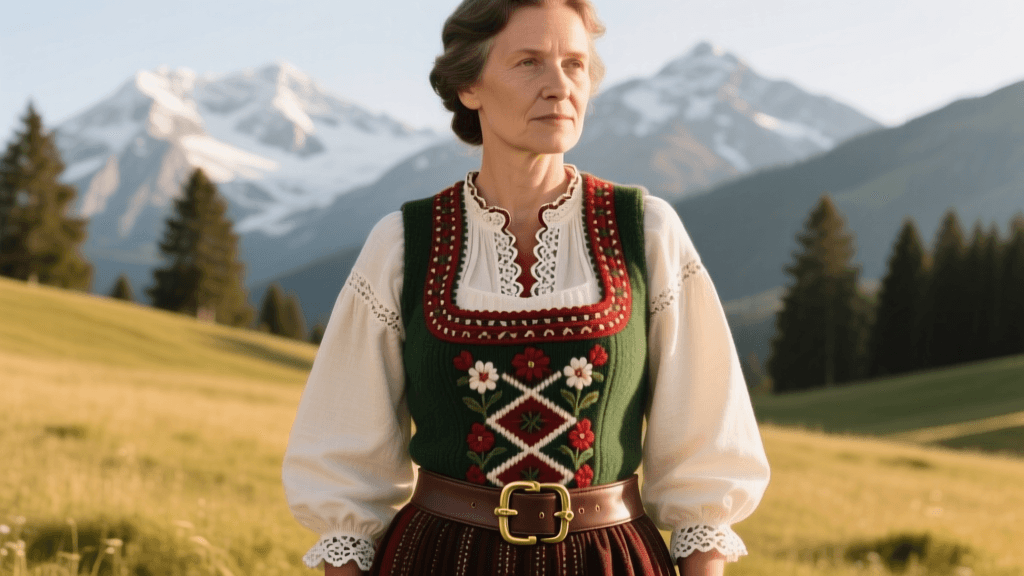
The Renaissance of Alpine Tracht in 2026
The year 2026 has marked a significant turning point for traditional European folk dress, particularly within the Alpine regions of Bavaria, Austria, and Switzerland. Driven by the recent European Heritage Textile Initiative, there has been a massive resurgence in demand for historically accurate, handcrafted garments. Discarding the mass-produced, synthetic costumes often associated with tourist traps, modern enthusiasts and cultural preservationists are returning to the meticulous construction techniques, natural dyes, and regional specificity that define authentic Alpine Tracht. This comprehensive guide explores the distinct variations of Bavarian, Austrian, and Swiss folk dress, offering actionable insights into their construction, regional nuances, and the current landscape for sourcing authentic materials.
Bavarian Tracht: Beyond the Oktoberfest Stereotype
When discussing Bavarian folk dress, it is crucial to distinguish between the commercialized 'Dirndl' sold at festivals and the historically rooted regional Tracht. Authentic Bavarian Tracht is deeply tied to specific geographic districts, each with its own strict sartorial codes.
The Miesbacher Tracht
The Miesbacher Tracht is widely considered the most elegant of the Bavarian regional costumes. The women's ensemble features a Miedergwand (a heavily structured bodice) laced over a crisp white linen blouse. The skirt, or Rock, is traditionally made from fine merino wool or heavy silk brocade, featuring deep cartridge pleats at the waist to create a voluminous silhouette. In 2026, authentic Salzburg silk brocades have become increasingly scarce, pushing the base price for a master-tailored Miesbacher skirt to over €1,200. The apron (Schürze) is often made of hand-blocked linen or shot silk, tied with a meticulous bow that historically indicated the wearer's marital status.
The Werdenfelser Tracht
In contrast, the Werdenfelser Tracht from the Garmisch-Partenkirchen region is notably more practical and subdued, reflecting the harsher alpine climate. The color palette relies heavily on deep greens, browns, and navy blues. The bodice is often integrated directly into the skirt, and the textiles prioritize heavy, fulled wool (Loden) over delicate silks. For men, the Werdenfelser Lederhosen (leather breeches) are cut slightly longer, often reaching below the knee, and are paired with heavy, hand-knit wool stockings (Loferl).
Austrian Heritage: The Ausseer Dirndl and Tyrolean Leatherwork
Austrian folk dress is characterized by an incredible diversity of local traditions, heavily influenced by the historical guilds of the Habsburg Empire. According to the Austrian Museum of Folk Life and Folk Art, the preservation of these regional distinctions remains a primary focus of contemporary Austrian cultural heritage programs.
The Ausseer Dirndl (Salzkammergut)
Originating from the Salzkammergut lake region, the Ausseer Dirndl is instantly recognizable by its striking color-blocking: a pink skirt, a green bodice, and a black apron. This specific combination was historically worn by the local salt miners' families and later adopted by the Viennese aristocracy during their summer retreats. The construction of an authentic Ausseer Dirndl requires precise tailoring; the bodice must fit snugly without the use of modern synthetic boning, relying instead on traditional reed or steel stays encased in linen channels. In 2026, master tailors in Bad Aussee report waitlists of up to eight months for bespoke commissions, as the region's weaving mills operate at maximum capacity to meet renewed domestic demand.
Tyrolean Lederhosen and Hirschleder
In the Tyrol region, the craftsmanship of leatherwork takes center stage. Authentic Tyrolean Lederhosen are crafted from Hirschleder (deer leather), which is brain-tanned or smoked using traditional alpine methods to achieve a buttery, durable texture. The embroidery, known as Büschel (floral clusters), is stitched directly into the damp leather using heavy waxed linen thread. Due to stringent 2026 EU environmental regulations regarding traditional tanning byproducts, genuine artisanal Hirschleder has become a luxury material. A pair of custom-fitted, hand-embroidered Tyrolean Lederhosen from a certified master saddler now commands a starting price of €950.
Swiss Traditional Dress: Bernese Elegance and Appenzell Silver
Switzerland’s decentralized political structure has resulted in a highly fragmented folk dress landscape, with variations changing not just by canton, but often by individual valley. The Swiss National Costume Association actively maintains the patterns and material standards for over 700 distinct regional Swiss costumes.
The Bernese Sunday Dress
The Bernese Sunday dress is a masterpiece of contrast and texture. It features a full black skirt, a stark white linen blouse with delicate lace cuffs, and a vibrant red bodice. The defining feature of the Bernese Tracht, however, is its intricate silver filigree jewelry. The Güetli (a silver collar chain) and the elaborate silver hairpins are crafted using techniques that date back to the 18th century. In 2026, the revival of independent silversmithing apprenticeships in Bern has helped stabilize the supply of these essential accessories, though a complete set of handmade Bernese silver filigree still costs upwards of €2,500.
Appenzell Men’s Sunday Dress
In the canton of Appenzell Innerrhoden, the men's Sunday dress is a striking display of rural wealth and craftsmanship. It consists of a red waistcoat, a black velvet jacket, and knee-length leather breeches. The most iconic accessory is the Sennenbesteck—a beautifully crafted silver spoon and knife set suspended from an ornate leather belt. The outfit is completed with yellow knee-high stockings and black leather shoes adorned with large, polished brass buckles.
Regional Alpine Costume Comparison (2026 Artisan Pricing)
To help collectors, cultural enthusiasts, and tailors understand the current market for authentic Alpine garments, we have compiled a comparison of core regional costumes, their primary materials, and the average base cost for a bespoke, artisan-made piece in 2026.
| Region | Core Garment | Primary Material | Key Accessory | 2026 Artisan Base Price |
|---|---|---|---|---|
| Bavaria (Miesbach) | Miedergwand & Rock | Silk Brocade / Merino Wool | Silk Schürze (Apron) | €1,450 |
| Austria (Salzkammergut) | Ausseer Dirndl | Wool Blend / Cotton | Hand-woven Linen Apron | €850 |
| Austria (Tyrol) | Lederhosen | Brain-tanned Hirschleder | Hand-carved Horn Buttons | €950 |
| Switzerland (Bern) | Sunday Dress | Wool / Linen | Silver Filigree Güetli | €1,800 (incl. silver) |
| Switzerland (Appenzell) | Men's Sunday Dress | Velvet / Leather | Silver Sennenbesteck | €2,100 (incl. silver) |
Sourcing Authentic Alpine Textiles and Tailors in 2026
For those looking to commission or purchase authentic Alpine folk dress, navigating the market requires an understanding of regional certification. In Bavaria, the Bavarian Tracht Information Center provides a directory of certified tailors and textile mills that adhere to historical construction standards. When sourcing materials, look for the 'Echte Tracht' (Genuine Tracht) seal, which guarantees that the garment was constructed using traditional methods, natural fibers, and regionally appropriate patterns.
When purchasing wool, prioritize mills that still utilize traditional fulling and felting techniques, as these create the water-resistant and windproof qualities essential for alpine garments. For silk, Austrian and Swiss tailors are increasingly turning to specialized heritage weavers in Lyon and Como, as local alpine silk production remains a niche, micro-batch industry.
Garment Care and Preservation
Authentic Alpine Tracht represents a significant financial and cultural investment, and proper care is essential to ensure these garments last for generations. Modern dry-cleaning chemicals can strip the natural oils from Hirschleder and degrade the natural dyes used in high-end wool skirts.
- Leather Care: Never wash authentic Lederhosen. In 2026, master saddlers recommend using specialized, pH-neutral leather balms derived from alpine pine and beeswax to maintain the leather's suppleness. Store them flat in a breathable cotton bag, never on wire hangers which can distort the waistband.
- Wool and Loden: Brush wool skirts regularly with a natural boar-bristle brush to remove dust and realign the fibers. For deep cleaning, use organic, lanolin-rich wool washes and lay the garment flat to dry away from direct sunlight.
- Silk and Embroidery: Silk bodices and aprons should be stored wrapped in acid-free tissue paper to prevent the metal threads in the embroidery from tarnishing or cutting into the silk fibers over time.
- Silver Filigree: Swiss silver accessories should be polished only with non-abrasive microfiber cloths. Avoid chemical silver dips, which can damage the delicate soldering joints of traditional filigree work.
Conclusion
The landscape of European folk dress in 2026 is defined by a passionate return to authenticity, craftsmanship, and regional pride. Whether it is the vibrant color-blocking of the Ausseer Dirndl, the rugged elegance of Tyrolean Hirschleder, or the striking silver filigree of the Bernese Sunday dress, Alpine Tracht remains a living, breathing textile tradition. By understanding the distinct construction techniques, respecting regional variations, and investing in certified artisans, enthusiasts can help preserve these magnificent garments for the centuries to come.