Astana Samitum Silks: 2026 Conservation & Replica Guide
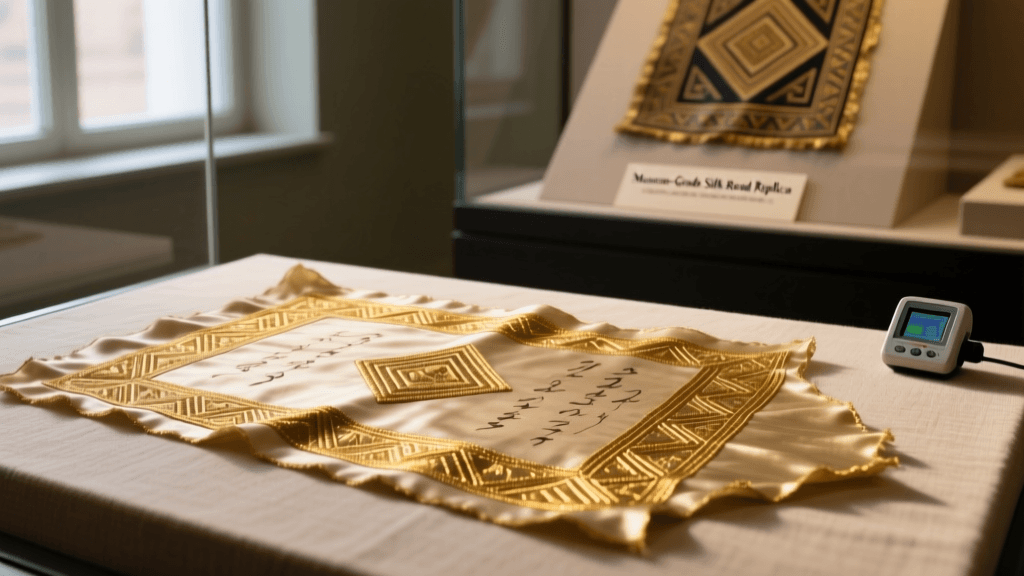
The Astana Cemetery: A Time Capsule of Silk Road Exchange
The Astana-Karakhoja cemetery, located near the ancient oasis city of Turpan in Xinjiang, remains one of the most vital archaeological sites for understanding the material culture of the Silk Road. Due to the region's extreme aridity, organic materials that would have perished centuries ago in more humid climates were preserved in remarkable condition. Among the most spectacular finds are the Tang Dynasty textiles, particularly the samitum silks, which reveal a complex narrative of cross-cultural exchange between Chinese weavers, Sogdian merchants, and Persian artisans.
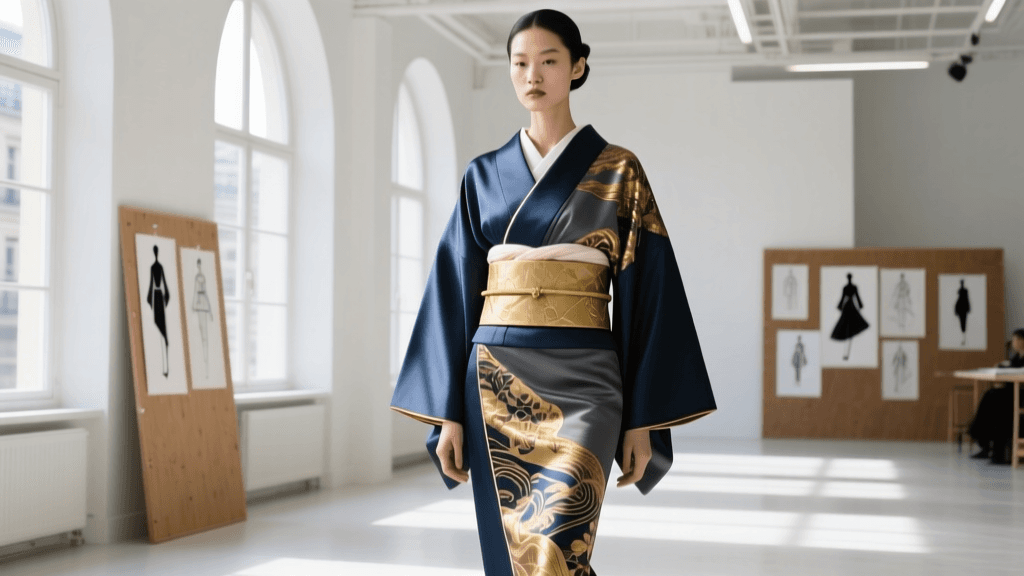
For collectors, historians, and enthusiasts of the Xin Zhongshi (new Chinese style) movement, these textiles are not merely museum artifacts; they are the foundational blueprints for contemporary luxury fashion. As we navigate the textile landscape in 2026, a deeper understanding of the Astana samitum silks offers invaluable insights into historical weaving techniques, modern conservation science, and the ethical sourcing of museum-grade replicas.
Decoding Samitum: The Weft-Faced Revolution
To appreciate the Astana finds, one must understand the structural revolution that samitum represented. Traditional indigenous Chinese silks of the Han and early Tang periods were predominantly warp-faced. In a warp-faced weave, the longitudinal threads (warp) dominate the surface, creating a fabric with a subtle sheen, longitudinal ribbing, and a fluid drape. Patterns were often created by varying the color of the warp threads.
Samitum, however, is a weft-faced compound twill. Originating in the Sasanian Empire and transmitted to China via Sogdian intermediaries along the Silk Road, this technique relies on the transverse threads (weft) to create the surface pattern. The warp is completely hidden, bound tightly in the background. This structure allowed weavers to create massive, intricate, and highly colorful geometric and figural motifs—most notably the famous Sogdian pearl roundels enclosing confronted animals (such as boars, ducks, or lions).
The adoption of samitum by Chinese weavers in the 7th and 8th centuries marked a pivotal moment in global textile history. It required the adaptation of the traditional Chinese drawloom to accommodate the heavy, complex weft insertions demanded by the Sogdian aesthetic.
2026 Breakthroughs in Textile Archaeology and Dye Analysis
The study of the Astana silks has entered a new golden age. In early 2026, collaborative efforts utilizing advanced multispectral imaging and High-Performance Liquid Chromatography (HPLC) have allowed researchers to map the exact botanical and mineral origins of the dyes used over a millennium ago, without extracting physical samples from the fragile fabrics.
According to data published by the International Dunhuang Project, recent non-invasive scans of the Astana pearl roundel fragments have confirmed the use of:
- Safflower (Carthamus tinctorius): Used for the vibrant crimson and pinks in the roundel borders. HPLC analysis in 2026 revealed that the ancients used a highly refined, multi-stage extraction process to remove the yellow water-soluble pigments, isolating the pure red carthamin.
- Weld (Reseda luteola) and Indigo: Over-dyed to create the brilliant, fast greens seen in the foliage motifs within the roundels.
- Lapis Lazuli and Malachite: Ground mineral pigments were occasionally applied as surface paints to highlight the eyes and claws of the confronted beasts, a technique borrowed from Central Asian mural painting.
These 2026 findings have directly influenced the modern replica market, challenging artisanal dyers to abandon synthetic aniline dyes in favor of historically accurate, botanically sourced alternatives when recreating these masterpieces.
Sourcing Authentic Samitum Replicas in 2026
As the Xin Zhongshi movement matures, the demand for historically accurate Silk Road textiles has surged. However, the market is flooded with cheap, digitally printed polyester masquerading as traditional weave. If you are a collector, a fashion designer, or an institution looking to source authentic samitum replicas in 2026, you must look for specific structural and material markers.
1. The Jacquard vs. Drawloom Distinction
True hand-woven samitum on a traditional wooden drawloom is exceptionally rare and can cost upwards of $5,000 per yard due to the immense labor required. In 2026, the highest quality replicas are produced on advanced digital jacquard looms by specialized mills in Nanjing and Hangzhou. These looms can replicate the weft-faced compound twill structure with 95% accuracy. When sourcing, explicitly ask the mill for a weft-faced compound twill (samitum) structure, not a standard satin or twill with a printed pattern.
2. Material and Thread Count
Authentic replicas must use 100% mulberry silk (Bombyx mori). The warp should be tightly spun, while the pattern wefts are often loosely spun to create a matte contrast against the shiny binding warps. Expect a high thread count, typically exceeding 120 ends per inch (EPI) in the warp, resulting in a heavy, structured fabric that feels almost upholstery-like compared to standard habotai or charmeuse.
3. Pricing Expectations
As of 2026, museum-grade, naturally dyed samitum replicas woven on digital jacquard looms typically range from $450 to $1,200 per yard, depending on the complexity of the roundel motif and the rarity of the natural dyes used (e.g., genuine madder root and indigo). Anything priced below $150 per yard is almost certainly a printed synthetic or a simple warp-faced damask mislabeled as samitum.
Identifying Fakes: The Burn and Drape Tests
When evaluating a potential purchase, practical testing is essential. Always request a swatch before committing to a large yardage order.
- The Burn Test: Extract a single weft thread and burn it. Genuine silk will smell like burning hair, self-extinguish when removed from the flame, and leave a crushable black ash. Synthetics will melt, smell like sweet plastic, and form a hard, uncrushable bead.
- The Drape and Sound Test: Samitum is heavy and structured. It does not flow like water; it holds its shape, making it ideal for structured jackets, stiff collars, and heavy skirts. Furthermore, genuine silk samitum produces a distinct, crisp 'scroop' (a rustling sound) when compressed, due to the friction of the tightly bound silk fibers.
Comparative Analysis: Warp-Faced vs. Weft-Faced Silks
Understanding the structural differences is crucial for designers integrating these textiles into modern garments. Below is a comparative breakdown of traditional Chinese silks versus Silk Road samitum.
| Feature | Traditional Han Warp-Faced Silk | Sogdian Samitum (Weft-Faced) |
|---|---|---|
| Weave Structure | Warp-faced compound tabby/twill | Weft-faced compound twill |
| Visual Effect | Longitudinal ribbing, subtle sheen | Dense, pattern-heavy, matte-to-satin contrast |
| Historical Origin | Indigenous Chinese (Han/Tang) | Persian/Sogdian via Silk Road |
| 2026 Replica Cost | $150 - $300 per yard | $450 - $1,200 per yard |
| Drape & Weight | Fluid, lightweight, airy | Heavy, structured, upholstery-like |
| Best Modern Application | Flowing robes, inner garments, scarves | Structured outerwear, stiff collars, bags |
Archival Storage and Conservation Protocols
Whether you are preserving an authentic antiquity or a high-end 2026 replica, silk is a protein fiber that is highly susceptible to environmental degradation, light damage, and acidic off-gassing. Proper conservation requires strict adherence to museum standards.
1. Climate Control
Silk thrives in stable environments. Maintain a temperature between 18°C and 20°C (64°F - 68°F) and a relative humidity (RH) of 45% to 55%. Fluctuations in humidity cause the silk fibers to expand and contract, leading to micro-fractures in the weft threads, which is particularly devastating for the heavy wefts of samitum textiles.
2. The Acid-Free Tissue Rule
When folding or padding silk garments for storage, you must use unbuffered acid-free tissue paper. Buffered tissue (which contains calcium carbonate to neutralize acids) is designed for plant-based cellulose fibers like cotton and linen. The alkaline reserve in buffered tissue will actively degrade protein fibers like silk and wool over time. Always verify that your archival supplier provides specifically unbuffered tissue for silk storage.
3. Light Exposure Limits
If displaying a samitum garment or wall hanging, light is your greatest enemy. Ultraviolet (UV) radiation shatters silk amino acid chains, leading to irreversible shattering. In 2026, museum standards dictate that displayed silk textiles be illuminated at no more than 50 lux, with all UV wavelengths completely filtered out. Use low-heat, UV-filtered LED framing lights, and rotate the display every three months to rest the fibers.
4. Avoid Cedar and Mothballs
Never store silk in cedar chests. The natural oils and volatile organic compounds (VOCs) emitted by cedar wood can cause yellowing and chemical degradation of the silk proteins. Similarly, avoid naphthalene mothballs, which are toxic and can react with the silk dyes. Instead, use archival-grade, unbleached cotton muslin garment bags and store the items in acid-free, lignin-free corrugated polypropylene boxes.
The Future of Silk Road Heritage
The textiles of the Astana cemetery are more than historical curiosities; they are the physical manifestation of a globalized ancient world. The pearl roundel motifs and the complex samitum weaves remind us that fashion has always been a medium of international diplomacy and cultural synthesis.
Initiatives championed by organizations like the UNESCO Silk Roads Programme continue to highlight the shared heritage of these ancient trade routes, fostering international cooperation in archaeological preservation. As 2026 brings new technological advancements in non-invasive dye analysis and digital loom replication, we are better equipped than ever to study, preserve, and wear the magnificent legacy of the Silk Road. By understanding the intricate mechanics of samitum and adhering to rigorous conservation standards, modern collectors and designers can ensure that the vibrant threads of the Astana cemetery continue to inspire for generations to come.