Best Kyoto Kimono & Seoul Hanbok Making Workshops 2026
The 2026 Renaissance of Traditional Garment Craft Tourism
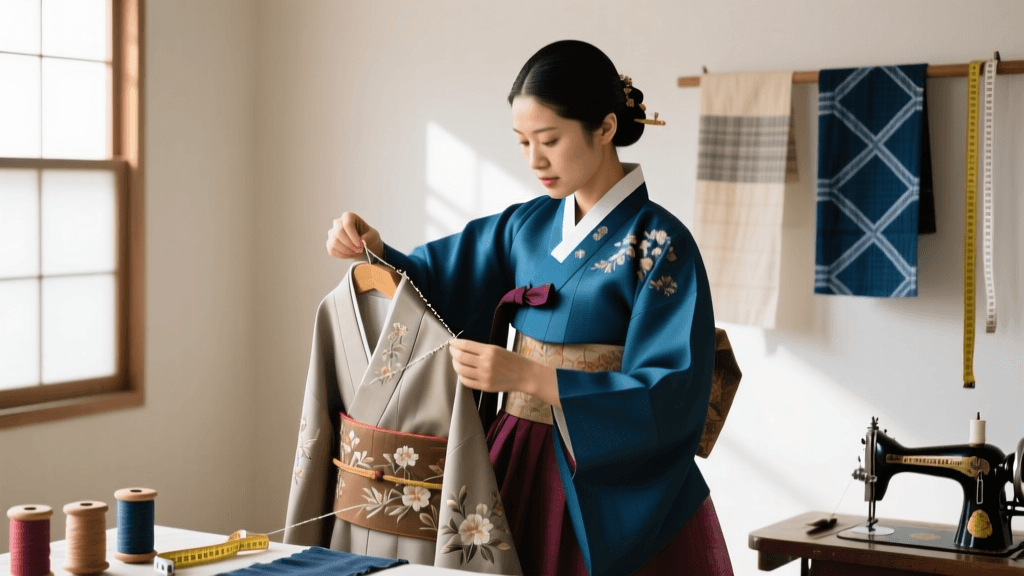
The global fascination with slow fashion and heritage crafts has reached a new zenith in 2026. For textile enthusiasts, fashion students, and cultural preservationists, learning the meticulous art of traditional Asian garment making is no longer confined to multi-year apprenticeships. Today, premier institutions in Japan and South Korea offer intensive, short-term masterclasses designed specifically for international students. This guide explores the most prestigious kimono tailoring and hanbok construction workshops available in 2026, providing a comprehensive comparison of costs, techniques, and application requirements.
Kyoto's Nishijin Kimono Tailoring Intensives
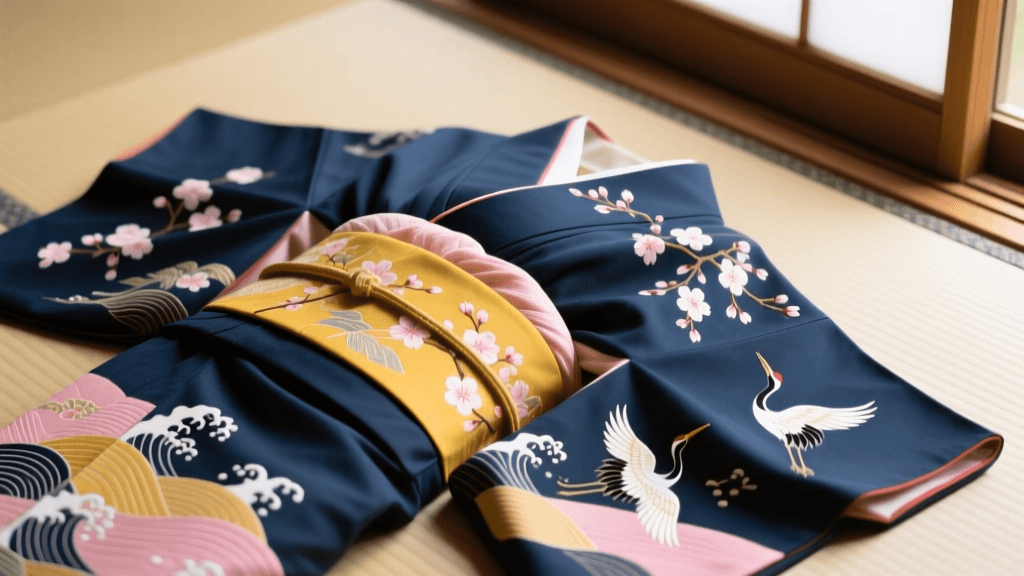
Kyoto remains the undisputed heart of Japanese textile heritage. In 2026, the Nishijin Textile Center and affiliated artisan guilds have expanded their English-supported intensive programs to meet surging global demand. The flagship 'Nishijin Ori Weaving and Tailoring Intensive' is a rigorous 14-day seminar that takes students from the loom to the final stitch. Unlike standard tourist experiences, this masterclass requires participants to draft their own patterns using the traditional shaku (bamboo ruler) measurement system, which relies on proportional body mapping rather than fixed metric sizes.
Students spend the first week learning the fundamentals of Nishijin-ori (brocade weaving), a technique with roots tracing back to the Onin War of the 15th century. The focus is on the integration of metallic threads into silk warp and weft. In 2026, a new module has been introduced where students also learn to assess and repair vintage Nishijin fabrics, bridging the gap between creation and conservation. The second week transitions to the sewing room, where the focus shifts to the iconic wagakubi (collar) attachment and the precise calculation of the ohashori (the waist fold that allows the kimono to be adjusted to the wearer's height). Because kimono construction relies on straight-line cutting and minimal fabric waste, the seminar places a heavy emphasis on precision basting and the kukeshi (hidden stitches) that ensure the garment's longevity without visible exterior threading.
Seoul's Hanbok Construction Masterclasses
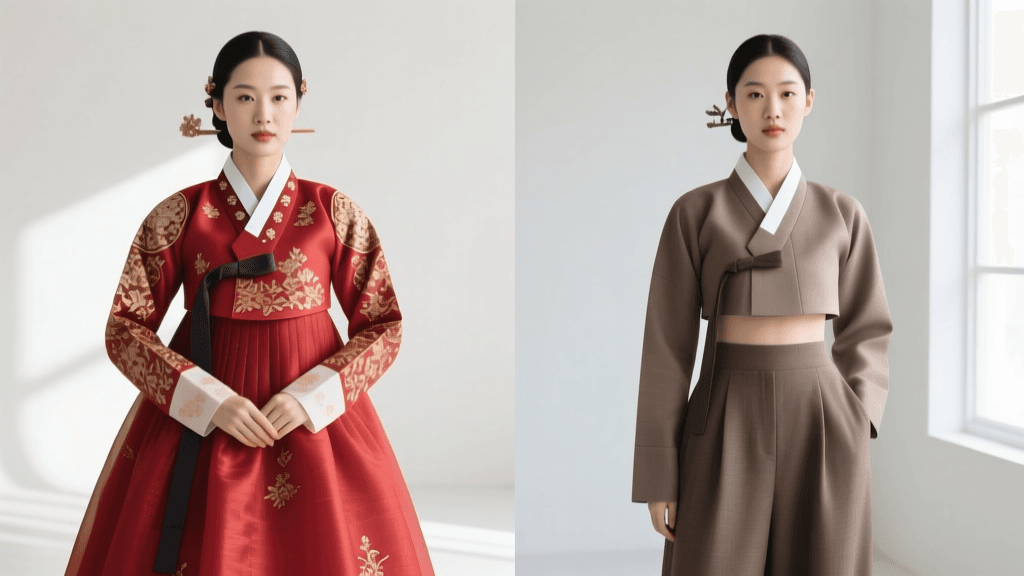
In South Korea, the structural elegance of the hanbok has experienced a massive revival, driven by both historical media and modern sustainable fashion movements. The Korea Craft & Design Foundation (KCDF) in Seoul sponsors annual masterclasses that connect international learners with designated Intangible Cultural Heritage artisans. The 2026 'Hanbok Silhouette and Structure Masterclass' is a 10-day deep dive into the architectural elements of traditional Korean dress.
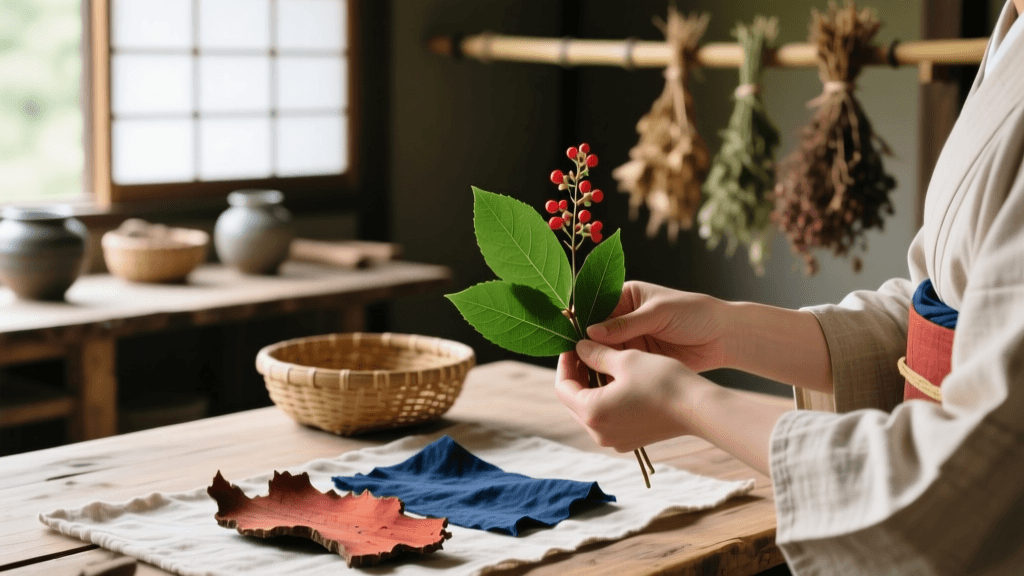
Unlike the straight lines of the kimono, the hanbok is defined by its sweeping curves and voluminous shapes, deeply rooted in the philosophical harmony of yin and yang. Students learn the complex drafting of the baerae (the curved underarm seam of the jeogori or jacket), which requires a profound understanding of fabric bias and drape. The 2026 curriculum also features an exclusive module on historical Joseon dynasty court garments, analyzing the structural differences in layering and collar placement. The seminar covers the meticulous attachment of the dongjeong (the crisp, detachable white paper collar) and the traditional crafting of the goreum (the long, flowing breast ties). A unique feature of the Seoul program is the integration of natural dyeing techniques, where students spend two days at a peripheral facility learning to extract and set colors using indigo, persimmon, and gardenia before returning to Seoul for final garment assembly.
Comparative Breakdown: 2026 Workshop Data
| Institution | Location | Duration | 2026 Tuition (USD) | Core Technique Focus | Language Support |
|---|---|---|---|---|---|
| Nishijin Textile Center Guild | Kyoto, Japan | 14 Days | $2,450 | Brocade Weaving, Straight-line Drafting, Hidden Stitching | English & Japanese |
| KCDF Heritage Artisan Program | Seoul, South Korea | 10 Days | $1,800 | Curved Seam Drafting, Natural Dyeing, Goreum Knotting | English & Korean |
Essential Tools for the Modern Traditionalist
While traditional tools remain paramount, modern students in 2026 often blend heritage instruments with contemporary precision devices. For kimono making, the hera (bamboo spatula) is essential for marking silk without leaving permanent ink stains, while the kote (traditional iron) is now often supplemented with digital steam-press regulators to prevent scorching delicate Nishijin brocades. Hand-spun silk floss is strictly used for basting, ensuring that temporary holding stitches glide out of the tightly woven silk without damaging the fibers.
For hanbok construction, the anban (a specialized wooden pressing block) is indispensable for creating the sharp, flawless edges of the dongjeong. In 2026, many seminars provide students with a starter kit that includes Japanese shaku rulers, Korean curved shears, and silk-weighted basting threads. However, students are strongly advised to bring their own custom-fitted thimbles and specialized embroidery hoops, as these are highly personal items that require a break-in period to match the artisan's unique hand tension.
Application and Visa Guidelines for 2026
Navigating the logistics of international craft study requires careful planning. For Japan, the 2026 updates to the short-term cultural study visa exemptions mean that students from over 70 countries can attend the 14-day Kyoto intensives without a formal student visa, provided the program is registered with the Japan National Tourism Organization (JNTO). However, securing a spot is highly competitive; applications for the autumn Nishijin cohort typically close by April, and a waitlist is common.
In South Korea, the K-ETA (Korea Electronic Travel Authorization) system remains the most efficient route for short-term masterclass attendees. The KCDF requires applicants to submit a brief portfolio or a statement of intent detailing their previous sewing experience, as the 2026 Seoul masterclass assumes a baseline proficiency in operating a sewing machine and hand-finishing seams. Prospective students should also budget an additional 15% to 20% of their tuition for premium fabrics. The base tuition usually covers standard practice silks and cottons, while upgrading to authentic Nishijin brocade or high-grade Korean ramie (mosi) incurs extra material fees directly paid to the textile mills.
Preserving the Thread of History
Participating in a traditional garment making workshop is more than an educational endeavor; it is an act of cultural preservation. Whether you are mastering the geometric precision of the Kyoto kimono or the fluid, architectural curves of the Seoul hanbok, the skills acquired in these 2026 masterclasses offer a profound connection to Asian heritage. By investing the time and resources into these intensive seminars, the next generation of global artisans ensures that these magnificent textile traditions will continue to drape, fold, and flow for centuries to come.