Artisan Geta & Zori Craft Guide 2026: Fit & Materials
The Renaissance of Japanese Footwear in 2026
As the global fashion landscape in 2026 continues to pivot toward mindful consumption and heritage craftsmanship, traditional Japanese footwear has experienced a profound renaissance. No longer relegated to souvenir shops or seasonal festivals, artisan-crafted geta and zori are being embraced by a new generation of kimono enthusiasts, sustainable fashion advocates, and international collectors. This revival is not merely nostalgic; it is driven by a contemporary appreciation for ergonomic design, sustainable forestry, and the meticulous hand-weaving techniques that define Japanese artisanal culture.
For collectors, practitioners of tea ceremony, and those attending summer matsuri, understanding the nuances of geta and zori construction is essential. In this comprehensive guide, we explore the anatomy of traditional Japanese footwear, the sustainable material innovations defining the 2026 market, and the counterintuitive but crucial rules of sizing and fit.
Understanding the Anatomy: Dai, Ha, and Hanao
To appreciate the craft, one must first understand the architecture of these iconic sandals. Both geta and zori share a fundamental tripartite structure, though their bases differ significantly. The dai (base) is the main platform. In geta, this is typically carved from a single piece of wood and supported by ha (teeth), which elevate the wearer above rain, snow, and the dirt of unpaved historical streets. Zori, conversely, feature a flat, often layered or woven base that sits flush against the ground, making them the more formal option for pairing with high-grade silk kimono.
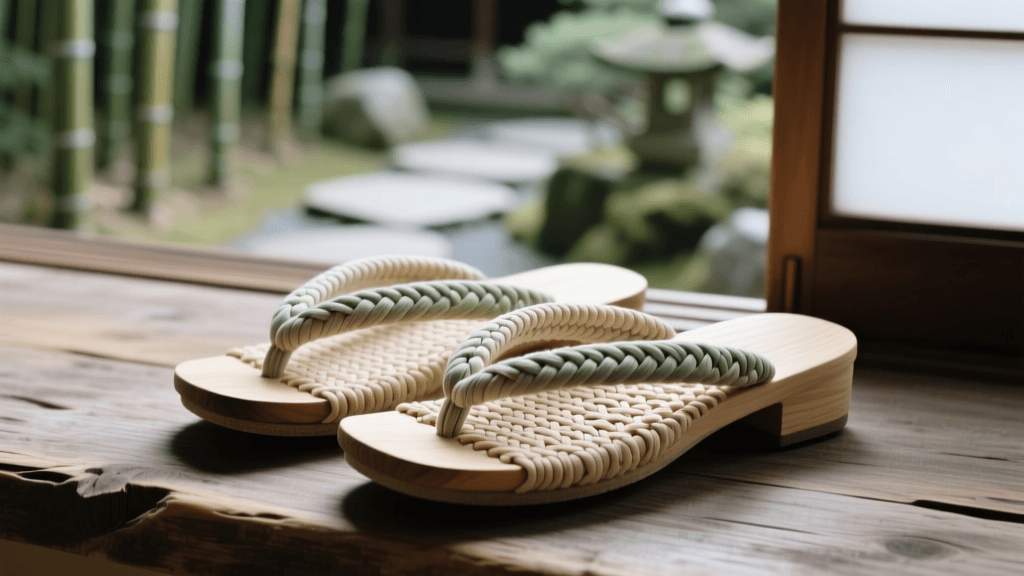
The hanao is the Y-shaped thong that secures the foot to the base. Far from a simple strap, the hanao is a marvel of textile engineering. The inner core is traditionally made of twisted hemp or cotton cord, providing structural integrity, while the outer layer is wrapped in silk, brocade, or velvet. The knot securing the hanao to the dai is hidden within the wood or base, requiring specialized tools and immense finger strength to pull tight and secure.
Regarding the wood grain, master carvers prefer masame (straight grain) for the ha (teeth) of the geta, as it provides maximum vertical strength and prevents snapping under the wearer's weight. The dai surface, however, often showcases itame (flat grain) for its beautiful, varied patterns and smooth finish against the skin.
Sustainable Materials: The 2026 Paulownia Standard
The year 2026 has marked a turning point in the sourcing of kiri (paulownia wood), the premier material for geta bases. Historically prized for its lightness, moisture resistance, and beautiful pale grain, paulownia was facing supply chain pressures due to over-harvesting in previous decades. Today, leading ateliers in regions like Hida and Kyoto have transitioned to strictly FSC-certified paulownia plantations. According to the Kogei Japan traditional crafts database, this shift has not only stabilized the ecosystem but has also resulted in a denser, more resonant wood that produces the highly coveted karan-koron clacking sound when walking.
For zori bases, the 2026 market has seen a surge in tatami-omote (woven rush grass) and upcycled kimono silk. Artisans are now integrating modern cork and lightweight EVA composites into the core of formal zori, reducing the overall weight by 20% compared to vintage models while maintaining the rigid, elegant profile required for formal occasions.
The Golden Rule of Fit: Sizing Geta and Zori
Perhaps the most common mistake made by international buyers and newcomers to Japanese dress is selecting the wrong size. Western footwear conditioning teaches us to seek a snug fit with ample toe room. Traditional Japanese footwear operates on the exact opposite principle. The golden rule of geta and zori is that the base should be slightly shorter than the actual length of your foot.
When standing in a properly fitted geta or zori, your heel should overhang the back edge of the dai by approximately 0.5 to 1.5 centimeters. This intentional overhang prevents the heel from catching the back of your kimono or yukata hem, which could cause tripping or soil the delicate fabric. Furthermore, a smaller base encourages a centered posture and the elegant, gliding suriashi walking style essential for graceful kimono movement. The Victoria and Albert Museum's extensive archives on Japanese dress frequently highlight how the proportions of the footwear base were historically calibrated to protect the trailing hems of formal garments.
2026 Sizing Reference Chart
| Western Size (US Women) | Japanese Size (cm) | Ideal Geta Base Length (cm) | Heel Overhang Allowance |
|---|---|---|---|
| 6 - 6.5 | 23.0 | 22.0 - 22.5 | 0.5 - 1.0 cm |
| 7 - 7.5 | 24.0 | 23.0 - 23.5 | 0.5 - 1.0 cm |
| 8 - 8.5 | 25.0 | 24.0 - 24.5 | 0.5 - 1.0 cm |
| 9 - 9.5 | 26.0 | 25.0 - 25.5 | 0.5 - 1.0 cm |
Hanao Craftsmanship: The Art of the Thong
The hanao is where personal expression meets structural necessity. In 2026, custom hanao weaving workshops are experiencing unprecedented demand. While mass-produced sandals feature glued or machine-stitched thongs, artisan pairs utilize the chikara-himo (power cord) technique. This involves threading a thick, braided core through the three holes of the dai and securing it with a specialized wooden plug and traditional rice-based adhesives, ensuring the thong can withstand hundreds of miles of walking without snapping.
When wearing tabi socks, the split-toe design perfectly accommodates the hanao, reducing friction and preventing the blisters that often plague newcomers wearing bare feet. In 2026, modern tabi manufacturers have introduced moisture-wicking bamboo blends that further enhance the comfort of all-day geta wear.
Color selection is highly codified. For formal zori worn with black-tie equivalent kimono (kurotomesode), pure white or gold brocade hanao are mandatory. However, for casual yukata and everyday geta, the 2026 trend heavily favors asymmetrical patterns, vintage obi upcycling, and deep, earthy tones like indigo, matcha, and charcoal. Replacing a worn hanao is a standard maintenance procedure; a skilled artisan can re-string a beloved wooden base in under an hour, effectively giving the footwear a second life.
Modern Maintenance: Caring for Wood and Fabric
Maintaining wooden geta and woven zori requires an understanding of Japan's humid climate. Paulownia is naturally resistant to rot, but the unfinished wood can absorb oils and dirt from bare feet or tabi socks. In 2026, craftsmen recommend treating the bare wood of casual geta with a light application of natural tung oil or specialized camellia oil once a year to seal the grain without darkening it excessively.
Zori with rush grass or fabric bases should never be exposed to prolonged moisture. If caught in the rain, they must be stuffed with unprinted paper and allowed to air dry in a well-ventilated, shaded area—never under direct sunlight or near a heater, which will cause the natural fibers to warp and crack. The Kyoto Traditional Industries Fureaikan emphasizes that proper storage in a breathable cotton bag, away from plastic containers that trap humidity, is the single most effective way to preserve the integrity of both the wood and the textile components.
Conclusion
The enduring appeal of geta and zori lies in their brilliant synthesis of form, function, and philosophy. As we navigate the fashion landscape of 2026, these traditional sandals offer a grounded connection to Japanese heritage, reminding us that true luxury is found in sustainable materials, masterful handcraft, and the quiet elegance of a perfectly measured step. Whether you are stepping onto the wooden verandas of a ryokan or navigating the vibrant streets of modern Tokyo, a well-crafted pair of traditional footwear transforms every walk into a deliberate, beautiful practice.