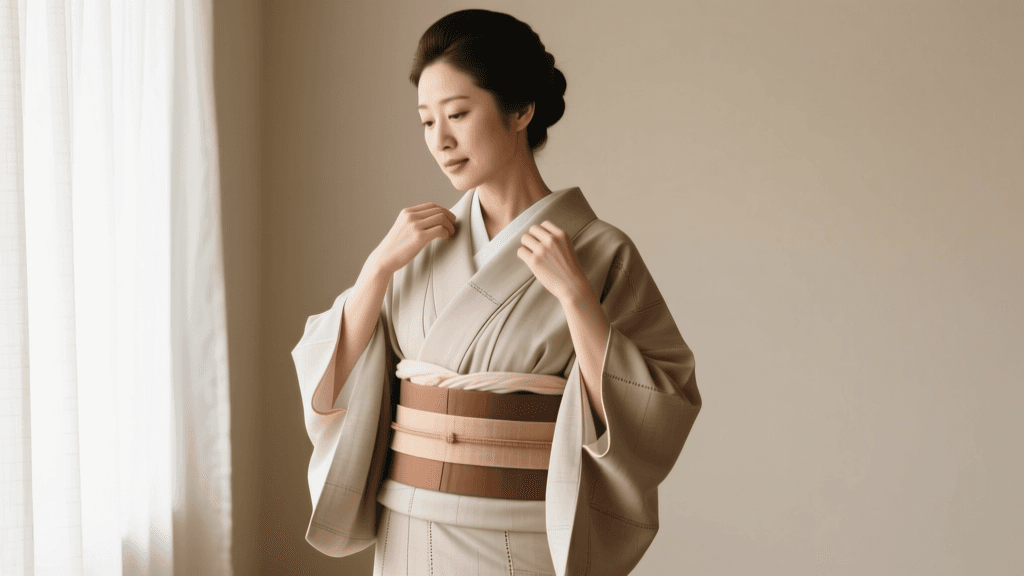
Kimono Storage Preservation 2026: Archival Silk Care Guide
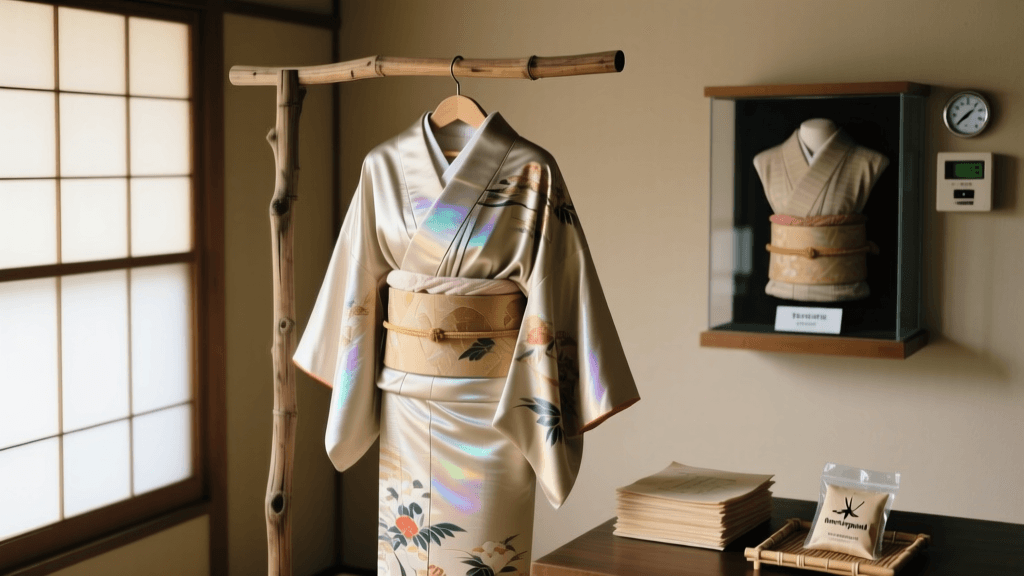
The Intersection of Heritage and Science in 2026
As we navigate through 2026, the global appreciation for traditional Japanese garments has transitioned from a niche antiquarian interest to a mainstream pursuit of wearable art and historical preservation. Collectors, museum curators, and heritage enthusiasts are increasingly acquiring vintage Meiji, Taisho, and early Showa era kimonos. However, the very nature of these garments—woven from delicate, organic protein fibers—makes them exceptionally vulnerable to environmental degradation. Proper kimono storage preservation is not merely about keeping garments clean; it is an active, scientific discipline aimed at halting the biological and chemical decay of silk.
The Biochemistry of Silk Degradation
Silk is composed primarily of fibroin, a natural protein held together by peptide bonds. When exposed to fluctuating humidity, these bonds undergo hydrolysis, leading to the shattering and embrittlement of the fabric. Furthermore, the metallic salts historically used in the late 19th and early 20th centuries to weight black silk kimonos (a practice known as omoshi) accelerate oxidation, causing the fabric to literally disintegrate into dust over time. In 2026, preservationists emphasize that mitigating these chemical reactions requires a holistic approach to the microclimate surrounding the garment, focusing heavily on stabilization rather than aggressive restoration.
2026 Climate Control Standards for Archival Storage
According to the Library of Congress, maintaining stable relative humidity is paramount for organic textiles. Fluctuations cause fibers to expand and contract, leading to mechanical stress at the seams and folds. For private collectors and institutional archives in 2026, the following environmental parameters are considered the gold standard for long-term silk preservation.
| Environmental Factor | 2026 Archival Standard | Rationale & Impact on Silk |
|---|---|---|
| Temperature | 18°C - 20°C (64°F - 68°F) | Slows chemical degradation and prevents the breeding of common textile pests. |
| Relative Humidity (RH) | 45% - 55% (± 5% fluctuation) | Prevents hydrolysis (high RH) and fiber embrittlement (low RH). |
| Visible Light Exposure | 0 Lux (In Storage) | Silk is highly photosensitive; any light exposure causes irreversible yellowing. |
| Air Quality | HEPA & Activated Carbon Filtration | Removes particulate dust and sulfur dioxide, which accelerates protein breakdown. |
The Role of Kiri Tansu and Modern Alternatives
Traditional kiri (paulownia) wood tansu chests remain the ultimate storage vessel for high-end kimono collections. Paulownia is uniquely hygroscopic; it absorbs ambient moisture when humidity rises and releases it when the air dries, creating a natural, passive buffer for the garments inside. Furthermore, the wood contains natural tannins that deter insects. However, sourcing antique tansu with intact, functional hardware and unwarped drawers has become increasingly difficult in the 2026 market.
For collectors lacking the space or budget for a full-sized tansu, modern archival-grade polypropylene boxes are the recommended alternative. Unlike PVC or standard plastics that off-gas harmful plasticizers, archival polypropylene is chemically inert. When using these modern boxes, it is critical to line them with unbleached, washed cotton muslin to provide a soft, breathable barrier between the plastic and the tatou wrapping.
Tatou Paper and the Hon-Datami Folding Method
The physical wrapping of the kimono is just as critical as the chest it resides in. Tatou refers to the specialized paper used to wrap folded kimonos. In 2026, authentic, unbleached, acid-free washi (Japanese paper) is essential. Standard wood-pulp papers contain lignin, which off-gasses acidic compounds that will permanently stain and weaken silk over time. The tatou paper should be large enough to completely envelop the garment without the silk touching itself directly, which can cause dye transfer or friction damage.
The folding technique, known as hon-datami, is a precise geometric method designed to align the seams and minimize sharp creases. Sharp creases act as stress points that can cut the silk fibers over decades of storage. Collectors should pad the folds with acid-free tissue rolls to create gentle curves rather than hard edges.
Special Considerations for Heavily Embroidered Garments
Formal garments such as uchikake (wedding overcoats) and hikizuri (trailing skirts) feature extensive metallic threadwork (kinran/ginran) and three-dimensional embroidery. Storing these heavy pieces flat using standard hon-datami can crush the motifs and cause the metallic threads to snap. In 2026, conservators recommend rolling these specific garments around acid-free, archival-grade honeycomb cardboard tubes, interleaved with Tyvek sheets, to distribute the weight and protect the metallic oxidation from friction.
The Modern Adaptation of Mushiboshi
Traditionally, Japanese families practiced mushiboshi (insect airing) during the dry, breezy days of late autumn, unwrapping kimonos to air them out, brush off dust, and inspect for pests. With modern HVAC systems and the realities of urban pollution in 2026, opening windows to air out vintage silk is often counterproductive and introduces harmful particulates and humidity spikes.
Instead, modern collectors perform a controlled mushiboshi indoors. This involves laying the garments flat on clean, padded surfaces in a climate-controlled room, utilizing HEPA-filtered air purifiers, and maintaining strict lux-level monitoring to ensure the garments are aired safely without UV exposure. The Victoria and Albert Museum emphasizes that handling historical textiles requires clean, dry hands, and the strict avoidance of lotions or perfumes that could transfer oils to the delicate silk fibers during this inspection process.
Pest Management: Moving Beyond Toxic Fumigants
The days of using harsh chemical mothballs are entirely over. Naphthalene and paradichlorobenzene not only pose severe health risks to humans but can also melt plastic elements, degrade metallic threads, and leave permanent crystalline stains on silk. In 2026, the preferred preventative deterrent is natural shou (camphor) derived from the camphor tree, placed in breathable cotton sachets and tucked into the corners of the storage drawers, never touching the silk directly.
For active infestations, such as the dreaded webbing clothes moth or carpet beetle, museums and high-end private collectors utilize anoxia treatments. This involves sealing the garment in an oxygen-depleted environment using nitrogen or argon gas for a period of 21 to 28 days. This method eradicates pests at all life stages—egg, larva, pupa, and adult—without leaving any toxic chemical residue on the historic fibers.
Digital Collection Management for the Modern Curator
Collection management in 2026 seamlessly integrates physical preservation with digital cataloging. Advanced textile-safe RFID threads can now be woven into the tatou wrapping or the kimono's inner lining (jibiro) to track the garment's microclimate history, location, and exhibition status without emitting harmful frequencies. Coupled with AI-driven visual condition reporting apps, collectors can now document the exact state of every weave and dye lot, ensuring that any future degradation is caught immediately.
Conclusion
Preserving a kimono collection in 2026 requires a deep respect for traditional Japanese methodologies, augmented by modern conservation science. By understanding the biochemistry of silk, utilizing proper tatou wrapping, maintaining strict climate control, and adapting practices like mushiboshi for the modern home, collectors ensure that these magnificent garments survive not just as static artifacts, but as vibrant, enduring testaments to Asian textile heritage for generations to come.