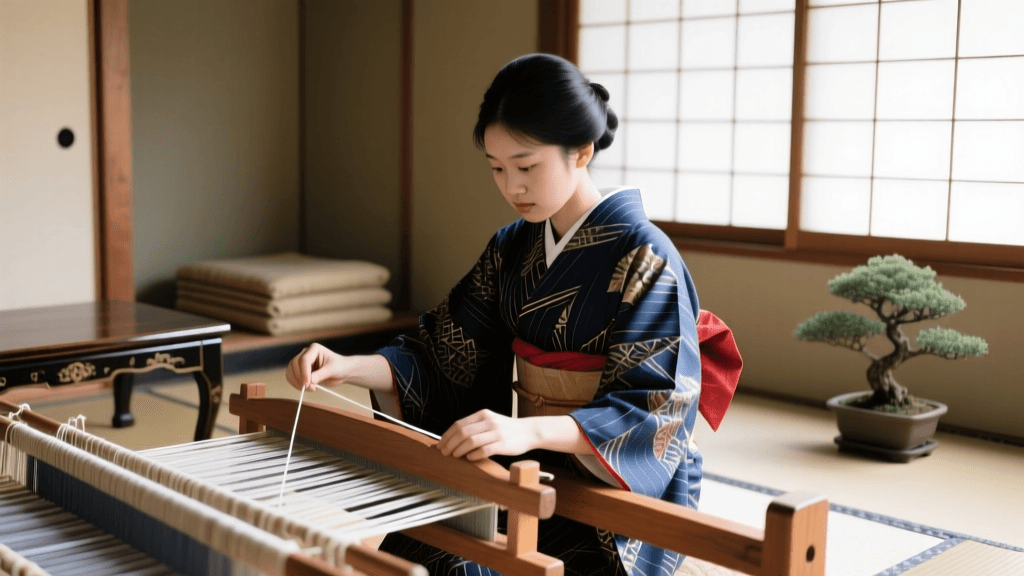
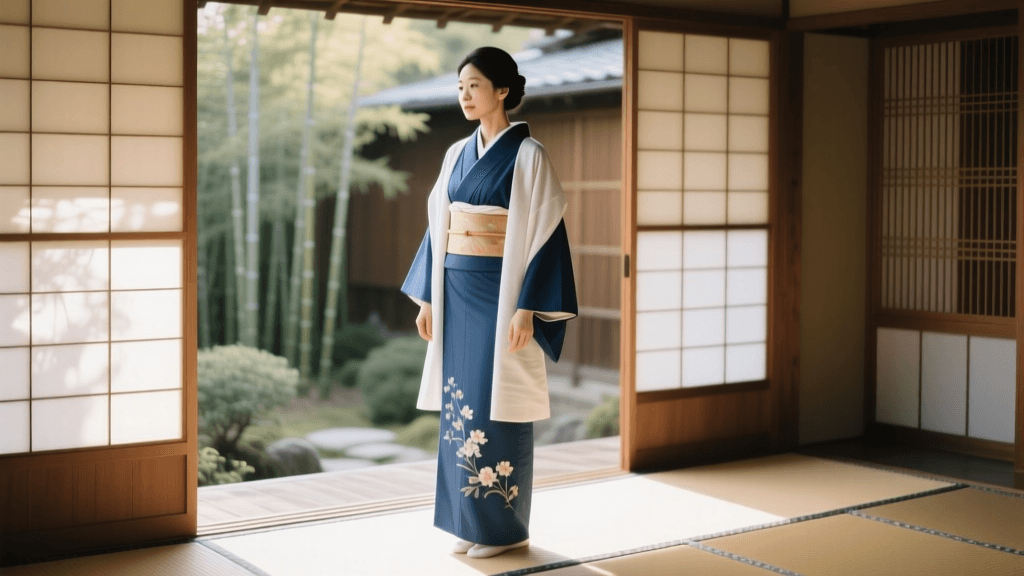
Archival Silk Kimono Storage & Preservation Guide 2026
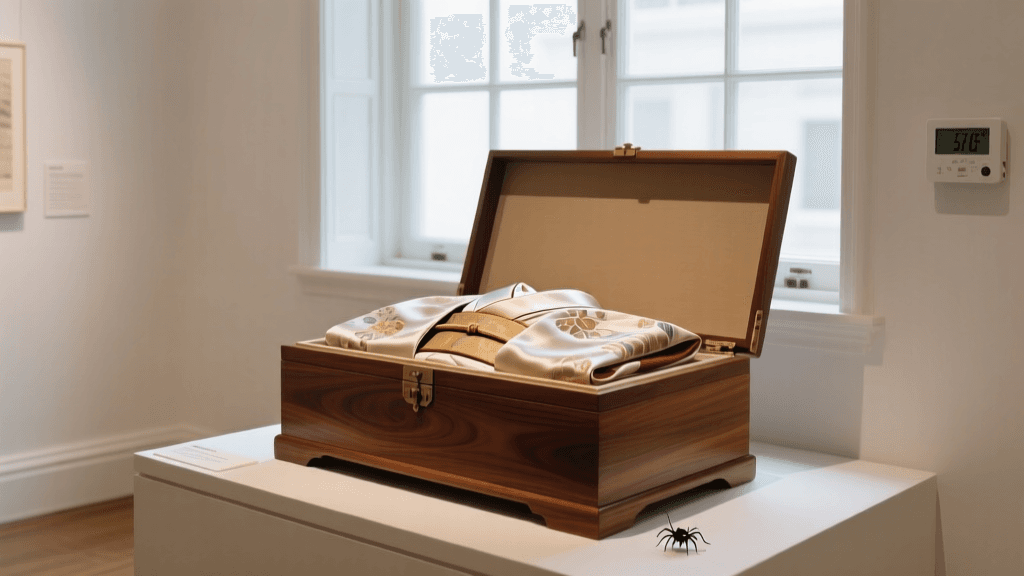
Introduction to Silk Kimono Preservation in 2026
Preserving vintage silk kimono is a meticulous endeavor that bridges traditional Japanese craftsmanship with modern conservation science. Whether you are a private collector of Meiji, Taisho, and early Showa era garments, or a curator managing a textile archive, the protein structure of silk fibroin demands highly specific environmental controls. As we navigate the preservation landscape in 2026, the integration of smart climate monitoring and advanced archival materials has revolutionized how we protect these fragile cultural artifacts from the ravages of time, light, and biological threats.
Silk is inherently vulnerable. Unlike cellulose-based fibers such as cotton or linen, silk is a protein fiber that degrades rapidly when exposed to fluctuating humidity, acidic off-gassing, and ultraviolet radiation. A single lapse in collection management can result in irreversible shattering of the silk weave, permanent dye migration, or catastrophic pest infestations. This comprehensive guide outlines the current 2026 museum-grade standards for kimono storage, focusing on climate control, the traditional tatou wrapping method, archival furniture, and integrated pest management.
Climate Control: The 2026 IoT Standard for Textiles
The cornerstone of any textile preservation strategy is environmental stability. According to the latest guidelines from the Canadian Conservation Institute, protein fibers like silk require a stable relative humidity (RH) to prevent mechanical stress. When RH fluctuates, silk fibers absorb and release moisture, causing them to expand and contract. Over decades, this microscopic movement leads to structural fatigue and eventual tearing.
Target Parameters for Silk
- Temperature: 18°C to 20°C (64°F to 68°F). Lower temperatures slow chemical degradation, but must be balanced against human comfort if the storage area is accessed frequently.
- Relative Humidity (RH):strong> 45% to 55%. This is the critical sweet spot. Below 40%, silk becomes brittle; above 60%, the risk of mold germination increases exponentially.
- Light Exposure: 0 lux for storage. Silk dyes, particularly natural indigo and safflower reds, are highly fugitive and will fade irreversibly under ambient light.
Smart Monitoring Solutions
In 2026, relying on analog hygrometers is considered professional negligence. Modern collection managers utilize Internet of Things (IoT) data loggers to track micro-climates inside storage cabinets. The Onset HOBO MX100 Bluetooth data logger remains an industry standard for archival spaces. These devices log temperature and RH at 15-minute intervals, pushing alerts directly to your smartphone if the environment breaches your predefined thresholds. Placing one sensor inside your primary storage chest and another in the ambient room air allows you to measure the buffering capacity of your storage furniture.
The Art of Tatou and Archival Wrapping
How a kimono is folded and wrapped is just as critical as the room it is stored in. The traditional Japanese folding method is designed to prevent hard creases from forming along the same lines repeatedly, which can cause the silk to split along the fold.
The Tatou Folding Geometry
The tatou (畳紙) method involves folding the garment along its natural seams. The sleeves are folded inward, and the body is folded in thirds, resulting in a long, narrow rectangle. This distributes the stress across the strongest parts of the garment's construction. However, traditional tatou paper, while historically accurate, often lacks the chemical purity required for long-term 2026 archival standards.
Unbuffered Acid-Free Tissue
Modern conservation dictates that silk must be wrapped in unbuffered, acid-free tissue paper. This is a common point of confusion for amateur collectors. Buffered tissue contains calcium carbonate, an alkaline reserve that neutralizes acids. While this is excellent for cotton and linen, alkaline environments actively degrade protein fibers like silk and wool. Always purchase tissue explicitly labeled as 'unbuffered' and 'pH neutral' (typically between 6.5 and 7.5) from archival suppliers like Gaylord Archival or University Products.
When wrapping, lay the folded kimono on a large sheet of unbuffered tissue. Fold the tissue over the garment, creating a soft envelope. Never use plastic bags, dry-cleaning covers, or PVC containers, as these trap moisture and emit plasticizers that will permanently stain and weaken the silk.
Storage Vessels: Paulownia vs. Enameled Steel
The physical container housing your collection acts as the first line of defense against environmental shocks. In Japan, the traditional tansu (chest) made from kiri (paulownia wood) has been the gold standard for centuries. Today, museum-grade enameled steel offers a modern alternative.
The Science of Paulownia Wood
Paulownia is uniquely suited for textile storage. It is highly hygroscopic, meaning it naturally absorbs and releases moisture to buffer the internal humidity of the chest against external fluctuations. Furthermore, paulownia contains natural tannins that deter insects, and its high ignition point makes it remarkably fire-resistant. In 2026, authentic, kiln-dried Japanese paulownia chests remain a premium investment, with high-quality, multi-drawer units typically ranging from $1,200 to $3,500 depending on craftsmanship and joinery.
Modern Museum Alternatives
For institutions or collectors in highly humid climates where wood might warp, powder-coated enameled steel cabinets are the preferred alternative. The powder-coating process ensures no volatile organic compounds (VOCs) off-gas into the microenvironment, unlike standard painted metals or engineered woods like MDF, which emit formaldehyde.
Material Comparison Chart
| Storage Material | Pros for Silk Kimono | Cons & Risks | 2026 Recommendation |
|---|---|---|---|
| Paulownia Wood (Kiri) | Hygroscopic buffering, natural pest deterrence, traditional aesthetic. | Can warp in extreme humidity; expensive to import. | Highly Recommended for private collectors and traditional archives. |
| Powder-Coated Steel | Inert, zero off-gassing, fireproof, structurally rigid. | Offers no humidity buffering; requires strict room climate control. | Highly Recommended for modern museums and institutional storage. |
| Archival Coroplast | Lightweight, chemically inert, customizable into boxes. | Lacks structural rigidity for heavy, stacked textiles. | Recommended for internal shelving dividers and custom enclosures. |
| Standard Plastic Bins | Cheap, readily available, keeps out dust. | Traps moisture, promotes mold, emits harmful plasticizers. | Strictly Avoid. Never use standard polypropylene or PVC bins. |
Integrated Pest Management (IPM) for Silk
Webbing clothes moths (Tineola bisselliella) and carpet beetles (Anthrenus species) are the apex predators of a silk collection. The larvae of these insects consume keratin and fibroin proteins, leaving behind irregular holes and frass (insect excrement). In 2026, the use of chemical mothballs (naphthalene or paradichlorobenzene) is strictly prohibited in professional conservation due to their toxicity to humans and the chemical damage they inflict on textile dyes.
The Freezing Protocol (Anoxia Alternative)
If you acquire a vintage kimono of unknown provenance, it must be quarantined and treated before entering your main collection. The Victoria and Albert Museum recommends freezing as a safe, non-toxic eradication method for dry textiles. Follow this protocol:
- Preparation: Wrap the kimono in unbuffered tissue, then seal it inside a polyethylene bag with as much air removed as possible to prevent frost buildup.
- Rapid Freezing: Place the bag in a chest freezer set to at least -20°C (-4°F). Rapid freezing is essential to prevent the insects from adapting to the cold.
- Duration: Leave the garment in the freezer for a minimum of 72 hours.
- Thawing: Remove the bag and allow it to reach room temperature slowly over 24 hours before opening the seal to prevent condensation from forming on the silk.
- Repeat: To ensure all viable eggs are eradicated, repeat the freeze-thaw cycle one more time after a two-week incubation period at room temperature.
Handling and Inspection Protocols
How you physically interact with your collection dictates its longevity. While cotton gloves were once the standard for textile handling, modern conservation practice has shifted. The Victoria and Albert Museum and other leading institutions now advocate for clean, bare hands when handling fragile silk. Cotton gloves reduce tactile sensitivity, increasing the risk of snagging delicate embroidery or tearing brittle fibers on metallic threads. Nitrile gloves are an acceptable alternative if the garment has metallic leafing or heavy beading that could be tarnished by natural skin oils.
Establish a bi-annual inspection schedule. Every six months, carefully unfold your stored kimono, examine the fold lines for signs of stress or shattering, check for any evidence of pest activity, and refold the garment along slightly different axes to redistribute the mechanical stress.
Digital Collection Management in 2026
Physical preservation must be paired with rigorous digital documentation. A comprehensive Collection Management System (CMS) is vital for tracking the provenance, condition, and exhibition history of each piece. In 2026, cloud-based platforms tailored for textile archivists allow collectors to log high-resolution macro photography of weave structures, dye chemistry notes, and detailed condition reports.
When cataloging a kimono, ensure your metadata fields include: the estimated era (e.g., Taisho 1912-1926), the specific weaving technique (e.g., tsuzure-ori or shibori), the lining material, and a color-coded condition rating. This digital twin of your collection not only aids in insurance valuation but also contributes to the broader academic understanding of Asian textile history, ensuring that the cultural legacy of these magnificent garments is preserved for future generations.