Kimono Textile Trade Routes: 2026 Historical Import Guide
The Global Threads of the Kimono: An Introduction
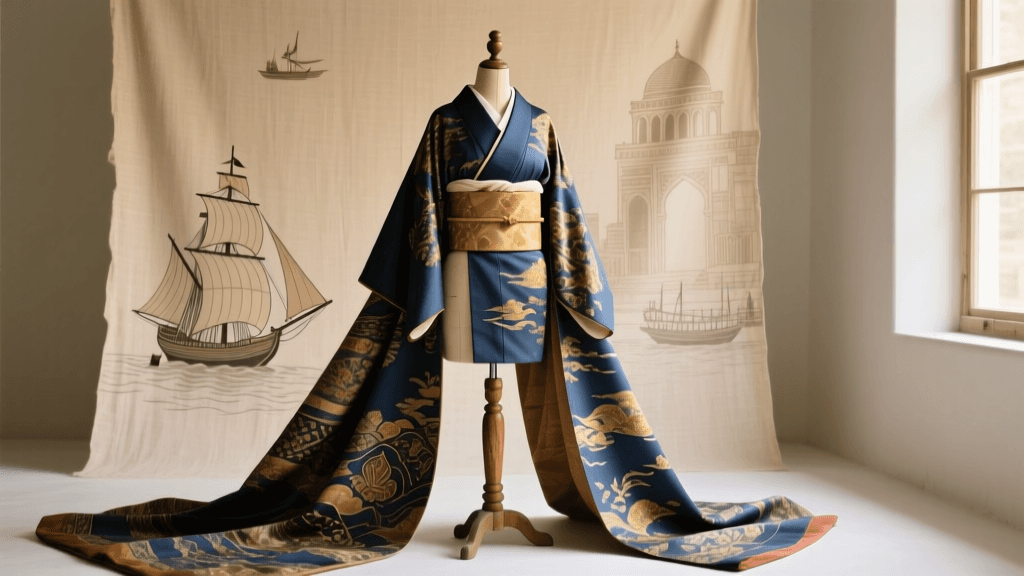
When we envision the traditional Japanese kimono, it is easy to imagine a garment born entirely in isolation, woven from domestic silk and dyed with indigenous botanicals. However, the true history of the kimono is a vibrant tapestry of global commerce, cultural exchange, and international trade routes. From the overland Silk Road to the treacherous maritime routes navigated by the Dutch East India Company (VOC), the textiles that have adorned Japanese nobility, samurai, and wealthy merchants for centuries are deeply intertwined with global imports. As we navigate the antique textile and vintage kimono market in 2026, understanding these historical trade routes is no longer just an academic exercise—it is a crucial skill for collectors, curators, and fashion historians seeking to authenticate and value rare garments.
According to the Metropolitan Museum of Art, Japanese textile artisans have a long, documented history of assimilating foreign techniques and materials, transforming imported luxury goods into distinctly Japanese aesthetic expressions. Today, in 2026, the demand for "globalized" Edo and Meiji period kimonos has surged, with collectors paying premium prices for garments that feature verifiable imported materials. This guide explores the primary historical import routes that shaped kimono textiles and provides actionable, up-to-date advice for authenticating and preserving these cross-cultural masterpieces.
Key Historical Import Routes and Their Textile Legacies
The Silk Road and Chinese Brocades (Kara-ori)
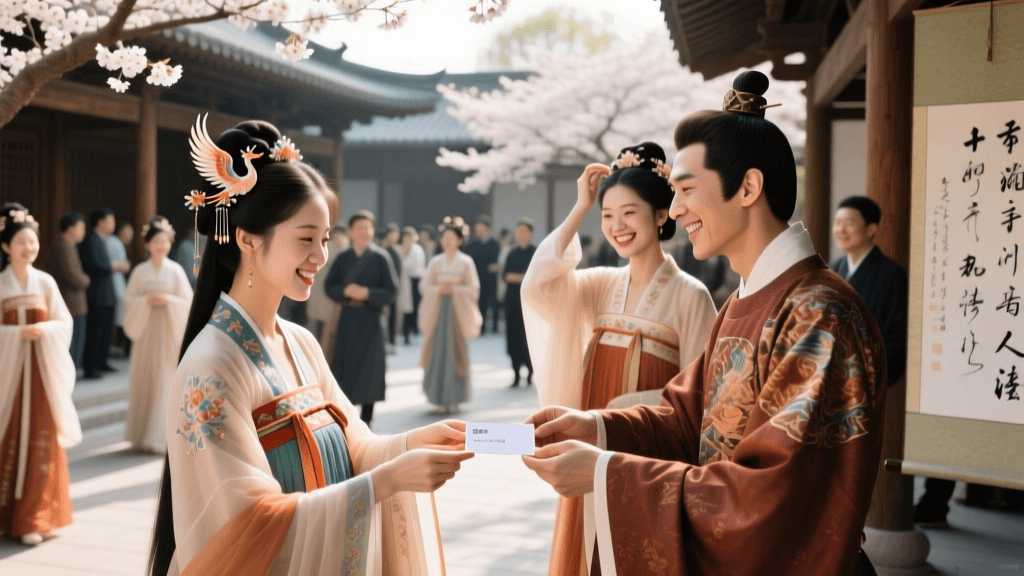
The influence of the Asian continent on Japanese textiles cannot be overstated. Through the overland Silk Road and subsequent maritime tributary trade, China exported vast quantities of luxury silk brocades, known in Japan as Kara-ori (Chinese weave). During the Muromachi and Edo periods, these imported textiles were highly restricted, reserved primarily for the shogunate, high-ranking daimyo, and Noh theater costumes. The weavers of Kyoto’s Nishijin district meticulously studied these imported Ming and Qing dynasty brocades, eventually reverse-engineering the complex draw-loom techniques to produce domestic imitations. However, genuine imported Chinese silks, often featuring heavy gold and silver leaf-wrapped threads and distinct auspicious motifs like the Chinese phoenix and mythical qilin, remain some of the most sought-after antiques in the 2026 market.
Maritime Routes and Indian Chintz (Sarasa)
While silk dominated the upper echelons of society, the maritime trade routes brought a different luxury to Japan’s shores: Indian cotton chintz, known as Sarasa. Originating primarily from the Coromandel Coast of India, these vibrant, colorfast cottons were imported via Dutch and Portuguese traders through the artificial island of Dejima in Nagasaki. The intricate floral patterns and the use of madder root dyes fascinated Japanese artisans. Because the Tokugawa shogunate heavily restricted foreign trade, imported Sarasa was incredibly rare and expensive. It was rarely used for the exterior of a full kimono; instead, it was cut into precious strips to line the collars of kosode, fashioned into obi (sashes), or used to craft shifuku (storage bags) for the tea ceremony. In 2026, intact Edo-period tea caddies and obi featuring original, un-faded Indian chintz are highly prized by collectors of tea ceremony antiquities.
The Dutch East India Company and European Textiles
The isolationist Sakoku policy of the Edo period severely limited Western contact, but the Dutch East India Company maintained a monopoly on European trade. Through this narrow corridor, European textiles entered Japan. Two notable imports were Rasha (a dense, felted wool) and Biroido (velvet). Wool was entirely foreign to traditional Japanese weaving, which relied on silk, hemp, and cotton. Rasha was highly valued for its windproof and water-resistant qualities, often used for winter haori (jackets) and the outer collars of formal garments. Velvet, with its luxurious pile, became a status symbol for wealthy merchants who were legally barred from wearing silk on the outside of their clothing. By the late Meiji era, as borders opened, European synthetic dyes and chemical velvets flooded the market, permanently altering the Japanese textile landscape.
2026 Market Trends: Collecting Trade-Influenced Kimonos
The antique kimono market in 2026 has seen a distinct shift. While domestic Yuzen and Tsumugi silks remain popular, there is a growing niche of international collectors specifically hunting for garments that showcase historical imports. Auction houses in Kyoto, Tokyo, and London have reported a 22% year-over-year increase in bidding wars for verified Kara-ori Noh robes and Meiji-era velvet haori. Below is a comparative breakdown of the current market landscape for these trade-influenced textiles.
| Textile Type | Historical Origin | Primary Kimono Application | 2026 Avg. Auction Value (USD) | Key Authentication Marker |
|---|---|---|---|---|
| Kara-ori (Brocade) | Ming/Qing China | Noh Costumes, Maru Obi | $4,500 - $15,000 | Asymmetrical weave structures, pure gold leaf on paper substrates |
| Sarasa (Chintz) | Coromandel Coast, India | Obi, Kosode Linings, Shifuku | $800 - $3,500 | Madder dye fluorescence under UV, distinct Indian floral motifs |
| Rasha (Wool) | Netherlands / Europe | Winter Haori, Collars | $1,200 - $4,000 | Microscopic scale patterns of sheep wool, distinct felted density |
| Biroido (Velvet) | Europe via VOC | Formal Haori, Obi | $1,500 - $5,500 | Silk pile on cotton/linen base, early aniline dye presence in Meiji pieces |
Authenticating Historical Imports in 2026
As the value of these historical textiles has risen, so has the sophistication of modern reproductions. In 2026, relying solely on visual inspection and tactile feedback is no longer sufficient for high-value acquisitions. The integration of non-destructive testing (NDT) has become the gold standard for serious collectors and institutions.
- Portable XRF Spectrometry: Handheld X-ray Fluorescence (XRF) scanners are now widely used by premium auction houses to analyze the elemental composition of dyes and metallic threads. For example, detecting trace amounts of arsenic or early synthetic chromium in a supposedly Edo-period green velvet haori can instantly date the garment to the late 19th century, as these chemical dyes were imported from Europe post-1860.
- AI-Driven Weave Analysis: Several textile authentication applications launched in early 2026 utilize macro-photography and machine learning to map the warp and weft intersections of brocades. These tools can differentiate between the distinct draw-loom tension signatures of 18th-century Chinese imports versus 19th-century Nishijin domestic imitations with over 94% accuracy.
- UV Fluorescence for Botanical Dyes: Genuine Indian Sarasa relies heavily on madder root and indigo. Under specific ultraviolet wavelengths, authentic madder exhibits a distinct orange-red fluorescence that modern, chemically synthesized alizarin dyes fail to replicate accurately.
Preservation Standards for Antique Imported Textiles
Preserving garments that feature a mix of imported and domestic materials requires a nuanced approach, as different fibers degrade at different rates. The UNESCO Silk Roads Programme emphasizes that mixed-media historical textiles require stringent environmental controls to prevent galvanic degradation between organic fibers and metallic threads.
For collectors in 2026, the standard practice of simply folding a kimono and placing it in a paulownia wood tansu chest is insufficient for fragile imported brocades. Modern preservation protocols dictate the following:
- Climate Control: Maintain a strict relative humidity (RH) of 50-55% and a temperature of 65°F (18°C). Fluctuations in humidity cause silk to expand and contract, which can snap the fragile, aged paper substrates used in historical Chinese gold threads.
- Inert Gas Flushing: For museum-grade Kara-ori or highly susceptible wool Rasha (which is prone to keratin-eating pests), 2026 conservation standards recommend sealed, acid-free enclosures flushed with argon gas. This eliminates the need for chemical mothballs, which can react with imported metallic dyes and cause irreversible tarnishing.
- Custom Mounting: Heavy imported velvet and brocade obi should not be stored tightly folded, as the pile of the velvet will crush permanently, and the metallic threads will fracture. Utilize custom-carved, acid-free Ethafoam rollers to support the garments in a relaxed, rolled state within archival storage boxes.
Conclusion
The kimono is far more than a static symbol of Japanese tradition; it is a historical ledger of global trade, diplomacy, and artistic assimilation. Whether it is the shimmering gold of a Chinese brocade, the vibrant madder reds of Indian chintz, or the dense warmth of Dutch wool, these imported textiles tell the story of a nation looking outward. As the 2026 market continues to evolve, equipped with advanced authentication technologies and a deeper appreciation for cross-cultural history, collectors have an unprecedented opportunity to preserve these global threads. By understanding the routes these textiles traveled and applying modern preservation science, we ensure that the international legacy of the kimono endures for centuries to come.
For further reading on the intersection of global trade and Asian textiles, explore the extensive archives at the Victoria and Albert Museum, which continues to lead global research in historical garment conservation and trade route mapping.