2026 Feria de Abril Guide: Traje de Flamenca & Dance Shoes
The Living Tradition: Traje de Flamenca at the 2026 Feria de Abril
When spring arrives in Andalusia, the city of Seville transforms into a vibrant tapestry of color, music, and dance during the legendary Feria de Abril. Unlike many traditional European folk costumes that remain frozen in time, the Traje de Flamenca (Flamenco dress) is a living, breathing garment that evolves with contemporary fashion while honoring its deep historical roots. As we step into the 2026 festival season, the intersection of traditional folk dance and modern textile innovation has never been more apparent. For dancers and festival attendees alike, understanding the anatomy of this iconic dress and the specialized footwear required for the Sevillanas is essential for an authentic and comfortable experience.
Originally derived from the modest workwear of Romani women and rural peasants in the 19th century, the Traje de Flamenca was adopted by the upper classes in the early 1900s. Today, it stands as a globally recognized symbol of Spanish cultural heritage. According to the Museo del Baile Flamenco, the garment's unique ability to adapt to modern silhouettes while retaining its core structural elements—such as the fitted bodice and cascading ruffles—makes it a fascinating subject for textile historians and fashion designers alike.
Anatomy of the 2026 Traje de Flamenca
The Silhouette and Volantes (Ruffles)
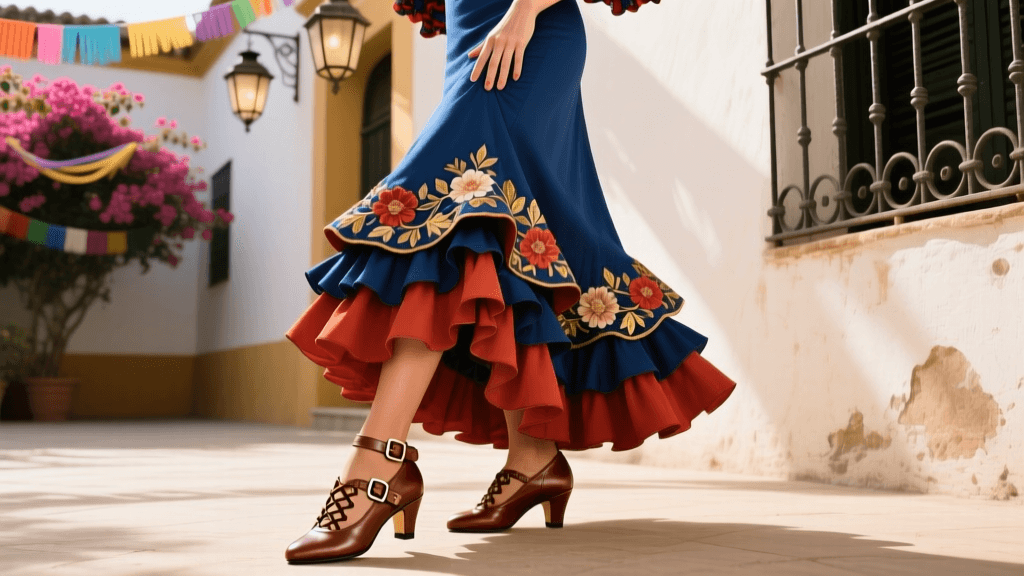
The defining feature of the Traje de Flamenca is the volante (ruffle). In 2026, the trend has shifted away from the heavily structured, stiff ruffles of the early 2020s toward a 'Neo-Romántico' aesthetic. This year's silhouettes feature higher waists and softer, cascading ruffles that catch the air dynamically during folk dances. The canesú (yoke) often sits higher on the chest, providing better support during the vigorous arm movements required in traditional Sevillanas.
For dancers, the placement of the volantes is critical. A poorly balanced skirt can impede the vueltas (turns). In 2026, master tailors in Seville are utilizing hidden interior weights and graduated ruffle widths to ensure the skirt flares perfectly when the dancer spins, settling back into a neat, bell-like shape when stationary.
Fabric Innovations for Festival Dancing
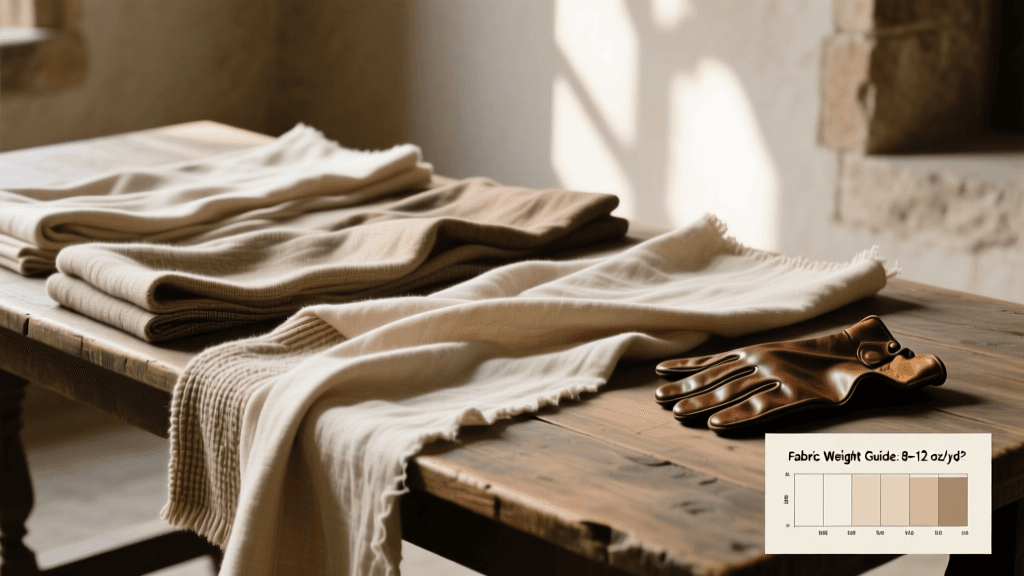
While traditional cotton poplins and heavy satins remain popular, the 2026 season has seen a massive surge in sustainable, breathable textile blends. Dancers spending eight to ten hours a day in the casetas (festival tents) require fabrics that offer stretch and temperature regulation.
- Crepe-Silk Blends: Offering the matte elegance of crepe with the luxurious drape of silk, these blends are the top choice for professional dancers in 2026.
- Stretch Poplin: Infused with a 4% elastane weave, this fabric allows for deep lunges and high arm extensions without restricting the bodice.
- Digital Print Organza: Used primarily for overlay ruffles, lightweight organza printed with traditional polka dots (lunares) or floral motifs adds volume without adding heavy, sweat-inducing layers.
Essential Folk Dance Footwear: Zapatos de Flamenco
No discussion of Andalusian folk dance is complete without addressing the zapatos de flamenco. The footwork (zapateado) in Sevillanas and Flamenco is percussive, requiring shoes that act as musical instruments. Standard dress shoes will not only ruin the dance floor but can also cause severe injury to the dancer's joints.
Nail Placement and Heel Types for Sevillanas
Authentic flamenco shoes are fitted with clavos (metal nails) embedded in the toe cap (puntera) and the heel (tacón). In 2026, the standard configuration for festival dancing features a dense cluster of nails in the toe for sharp, bright beats, and a slightly sparser arrangement in the heel for deeper, resonant tones.
The heel shape is equally important. The carrete (spool-shaped) heel remains the most popular for Sevillanas because its wider base provides stability during the complex weight shifts of the paseíllo and pasada choreography. For the 2026 season, manufacturers have introduced composite heel cores wrapped in traditional leather, reducing the overall weight of the shoe by 15% and significantly reducing calf fatigue during multi-day festivals.
2026 Flamenco Dance Shoe Comparison
Choosing the right footwear is an investment in both your performance and your physical health. Below is a comparison of the top professional and semi-professional flamenco shoe brands favored by dancers at the 2026 Feria de Abril.
| Brand & Model | Heel Type & Height | Best For | Approx. 2026 Price (EUR) |
|---|---|---|---|
| Menkes 'Cordobés' | Carrete, 6cm | Advanced dancers needing maximum resonance and arch support. | €185 - €210 |
| Bulería 'Sevillana' | Standard, 5cm | Festival attendees and beginners prioritizing comfort and stability. | €120 - €145 |
| Artepeñas 'Profesional' | Reinforced Carrete, 6cm | Intensive zapateado and professional stage performances. | €220 - €250 |
| Flamenco Export 'Luna' | Wedge/Plataforma, 4cm | Dancers with joint issues requiring lower impact without losing sound. | €150 - €175 |
Choreography and Movement: Designing for the Sevillanas
The Sevillanas is the quintessential folk dance of the Feria de Abril, consisting of four distinct parts: the paseíllo (walk), the pasada (passing each other), the vueltas (turns), and the final. The Traje de Flamenca must be engineered to accommodate this specific choreography.
During the vueltas, the dancer executes rapid, multi-point turns. If the skirt's hem is too long, it becomes a tripping hazard; if it is too short, the visual impact of the flaring volantes is lost. The 2026 standard dictates that the hem should rest exactly at the top of the shoe's vamp when the dancer is standing flat-footed. Furthermore, the sleeves—often featuring dramatic mangas farol (lantern sleeves) or tiered ruffles—must allow the arms to be raised fully above the head (braceo) without pulling the bodice upward. Tailors achieve this by inserting hidden gussets under the armhole, a technique that has been perfected by Seville's artisan workshops over the last century.
Accessorizing for the Dance: Mantones and Peinetas
The silhouette is completed with highly specific accessories that also play a role in the dance. The Mantón de Manila (an embroidered silk shawl originally imported from China via the Philippines) is draped over the shoulders or tied securely at the waist. For dancers, the waist-tie method is preferred in 2026, as it prevents the heavy silk fringe from tangling in the arms during turns while accentuating the hip movements.
The hair is traditionally swept up into a tight chignon, secured with a peineta (tortoiseshell or acrylic comb) and adorned with a large fabric flor (flower). The placement of the flower is not arbitrary; it is pinned securely on the side of the head opposite to the dancer's dominant turning direction, ensuring it remains visible to the audience and partner during the choreography. As noted by cultural historians at the UNESCO Intangible Cultural Heritage registry, these accessories are not mere decorations but integral components of the visual rhythm of Andalusian folk expression.
Practical Care and Maintenance During the Festival
The Feria de Abril is a grueling marathon of dancing, eating, and socializing. Maintaining your garment and footwear in the dusty, high-traffic environment of the Real de la Feria requires preparation.
- Shoe Care: The albero (yellow sand) used on the streets of the Feria will stain leather shoes. Bring a damp microfiber cloth and a specialized leather conditioner to wipe down your zapatos at the end of each day. Never use harsh chemicals, as they will strip the leather of the oils needed to keep it supple for foot flexion.
- Dress Maintenance: The hem of your Traje de Flamenca will inevitably collect dust and debris. In 2026, many festival-goers carry portable, battery-operated lint rollers and small stain-remover pens for immediate touch-ups. For the inner petticoats (enaguas), ensure they are heavily starched before the festival begins; this stiffness is what gives the volantes their iconic outward push.
- Hydration and Footwear: Even with the most expensive custom shoes, dancing in heels for six hours will cause blisters. Professional dancers in Seville swear by applying a layer of specialized friction-defense balm to the heels and toes before putting on their cotton dance socks.
Conclusion
The Traje de Flamenca and its accompanying dance footwear represent a masterclass in functional, culturally rich garment design. As the 2026 Feria de Abril approaches, the fusion of historical reverence and modern textile technology ensures that this beautiful folk tradition remains as vibrant and dynamic as the Sevillanas itself. Whether you are a seasoned dancer executing complex zapateado or a visitor taking your first twirl in a caseta, respecting the construction, fit, and purpose of these garments will deeply enrich your Andalusian cultural experience. For further information on Andalusian cultural events and festival planning, visitors can consult the official resources provided by Visit Seville.