2026 Traje de Flamenca Guide: Feria de Abril Dance Costumes
The Intersection of Andalusian Folk Dance and Festival Fashion
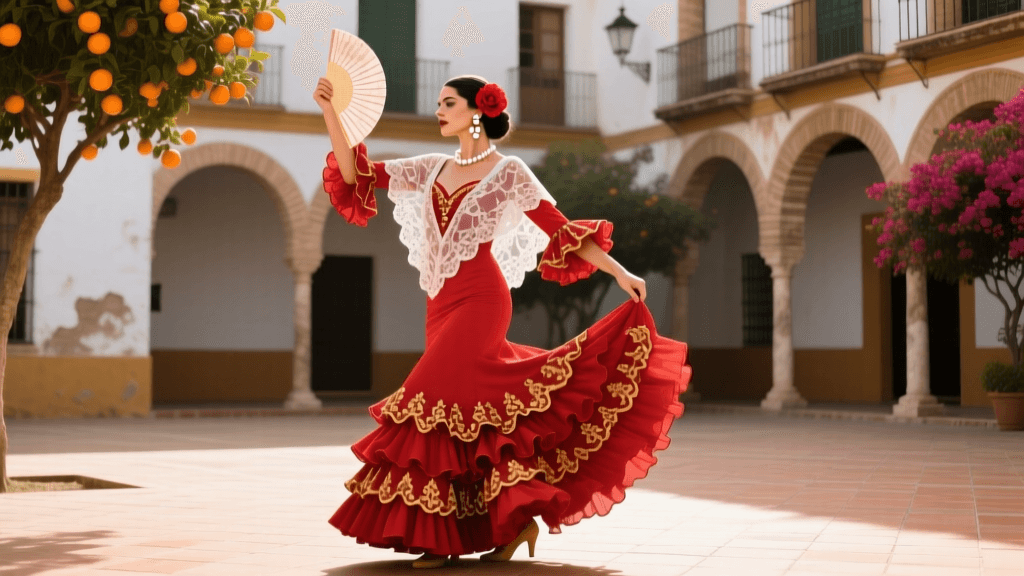
When discussing European folk dress, few garments command the immediate global recognition and vibrant cultural energy of the Andalusian Traje de Flamenca. Deeply intertwined with the rhythmic footwork of Flamenco and the festive, partnered folk dance of the Sevillanas, this traditional costume is not merely a static museum piece. It is a living, breathing textile tradition that evolves every year. As we enter the Spring 2026 festival season, the intersection of folk dance, regional identity, and high fashion is on full display at events like the Feria de Abril in Seville and countless European Flamenco festivals.
Unlike many regional European costumes that are reserved strictly for historical reenactments or specific national holidays, the Flamenca dress is worn actively for dancing, socializing, and celebrating. According to the UNESCO Intangible Cultural Heritage registry, Flamenco is a complex artistic expression where music, song, and dance are inextricably linked to the visual identity of the performer. In 2026, understanding how to select, wear, and dance in a Traje de Flamenca requires a blend of historical appreciation and practical festival knowledge.
2026 Trends from SIMOF: The Runway Meets the Caseta
Every year, the Salón Internacional de la Moda Flamenca (SIMOF) sets the standard for the upcoming festival season. The 2026 collections have introduced a fascinating dialogue between traditional garment construction and modern sustainable textiles. Because a full Flamenca dress can require up to 12 meters of fabric, weight and breathability are paramount for dancers.
- Eco-Conscious Poplins and Silks: In 2026, top designers are utilizing recycled poly-silk blends and organic cotton poplins. These fabrics offer the crisp structure needed for the iconic volantes (ruffles) while significantly reducing the garment's overall weight and environmental footprint.
- Structural Asymmetry: While the classic tiered ruffle remains a staple, 2026 features asymmetric hemlines and diagonal volantes that create dynamic, sweeping movements during the rapid turns (vueltas) of the Sevillanas.
- Color Palettes: Moving beyond the traditional polka dots (lunares), the 2026 palette features deep Mediterranean terracottas, olive greens, and vibrant cobalt blues, often accented with subtle, tone-on-tone digital embroidery.
Anatomy of the 2026 Traje de Flamenca for Dancers
To truly appreciate this European folk dress, one must understand its anatomy, particularly how it accommodates the rigorous demands of folk dance. The Museo del Baile Flamenco in Seville highlights how the garment's evolution was dictated by the physical needs of the dancers.
The Bodice and Skirt (Corte y Volantes)
The hallmark of the Traje is its skin-tight bodice that extends down to the mid-thigh or knee, before exploding into a cascade of ruffles. For active dancers in 2026, the bodice is often constructed with hidden, flexible mesh panels and stretch linings. This allows for deep breaths and expansive arm movements (braceo) without the fabric bunching or restricting the ribcage. The skirt's ruffles are weighted at the hem to ensure that when a dancer executes a sharp kick or turn, the fabric snaps back into place elegantly.
The Mantón de Manila
The Mantón de Manila is a large, heavily embroidered silk shawl with long, hand-knotted fringes (flecos). Originally imported from China via Manila in the 18th century, it is now a cornerstone of Andalusian folk dress. For dancing, the mantón is not merely draped; it is an extension of the dancer's body. In 2026, lightweight silk-crepe mantones are preferred for dance, as they allow the fringes to whip through the air percussively without exhausting the dancer's shoulders.
Hair and Accessories: Peineta and Flores
The hair is traditionally swept into a tight, low bun or a classic chignon, secured with a peineta (a decorative comb). While vintage tortoiseshell combs are highly prized heirlooms, 2026 has seen a surge in bio-resin and sustainably carved wood peinetas that mimic the translucent beauty of antique pieces. A single, large silk flower (flor) is placed strategically on the side of the head, balancing the visual weight of the comb and the dangling earrings (pendientes).
Festival Strolling vs. Active Folk Dance: A Costume Comparison
Not all Flamenca dresses are created equal. The requirements for a woman spending the day strolling through the casetas (festival tents) differ vastly from those of a performer dancing the four-part Sevillanas. Below is a comparison to help you choose the right garment for your 2026 festival experience.
| Costume Element | Festival Strolling (Paseo) | Active Folk Dance (Sevillanas) |
|---|---|---|
| Skirt Length & Weight | Ankle-grazing, heavy hems, multiple layers of stiff ruffles. | Mid-calf to ankle, lightweight hems for rapid vuelos (flights). |
| Bodice Fit | Extremely structured, often with rigid boning for a flawless silhouette. | Firm but flexible, utilizing stretch fabrics for torso rotation. |
| Mantón Styling | Draped loosely over the shoulders or crossed and pinned at the waist. | Tightly pinned to the bodice or actively manipulated in the hands. |
| Footwear | Low-heeled salones or stylish flats for walking on dirt/gravel. | Specialized zapatos de flamenco with percussive nails. |
Footwear: Choosing the Right Zapatos de Flamenco in 2026
You cannot discuss European folk dance without addressing the footwear, as the shoes act as a percussive instrument. The zapato de flamenco is engineered with specific nails (clavos) embedded in the heel and toe to produce the sharp, rhythmic zapateado.
In 2026, a high-quality pair of dance shoes from established makers in Seville or Madrid will cost between €120 and €280. When selecting your pair, consider the heel shape:
- Tacón Estándar (Standard Heel): A robust, blocky heel that offers maximum stability for beginners learning the basic footwork of the Sevillanas.
- Tacón de Carrete (Spool Heel): A curved, hourglass-shaped heel that is highly traditional and aesthetically pleasing, though it requires a stronger ankle and better balance.
- Suede vs. Leather Soles: For outdoor festival stages or wooden tablao floors, a suede sole provides the necessary grip and pivot control. Avoid rubber soles, as they stick to the floor and can cause severe knee injuries during rapid pivots.
Practical Tips for the 2026 European Flamenco Festival Circuit
Attending the Feria de Abril or regional Flamenco festivals across Europe requires logistical preparation, especially when wearing traditional garments in the heat of the day.
- The Art of Pinning: If you are dancing, use heavy-duty, reinforced safety pins to secure your mantón to the structural seams of your bodice. Never pin only to the outer decorative layer, as the weight of the silk and fringes will tear the fabric during vigorous movement.
- Heat Management: The 2026 Spring season in Southern Spain can see sudden heatwaves. Wear moisture-wicking, skin-toned undergarments beneath your bodice. Many modern dancers also use cooling wristbands hidden beneath their ruffles to regulate body temperature between dances.
- Skirt Management: When entering a crowded caseta or sitting down, a Flamenca must know how to "break" the ruffles. Gently gather the front of the skirt and drape it over your lap or the back of your chair to avoid crushing the structural wiring in the hems and to keep the fabric clean from spilled drinks or dust.
- Hydration and Stamina: The Sevillanas is an aerobic folk dance. Dancing multiple rounds in a skin-tight bodice requires immense stamina. Alternate your dance sessions with ample hydration, utilizing the festival's infrastructure to rest and cool down.
Preserving Intangible Heritage Through Dress
The Traje de Flamenca is a masterclass in how a regional working-class garment can elevate into a symbol of national and European cultural pride. It is not a costume meant to be frozen in time; rather, it adapts to the bodies, the dances, and the environmental consciousness of the women who wear it. As you prepare for the 2026 festival season, remember that every ruffle, every embroidered rose on the mantón, and every strike of the nailed heel is a continuation of a profound folk tradition. By understanding the construction, history, and practical application of these garments, you do more than just dress up—you actively participate in the preservation of Europe's vibrant, living heritage.