2026 Traje de Flamenca Guide: Feria Dresses & Dance Costs
The Living Textile Tradition of the Traje de Flamenca
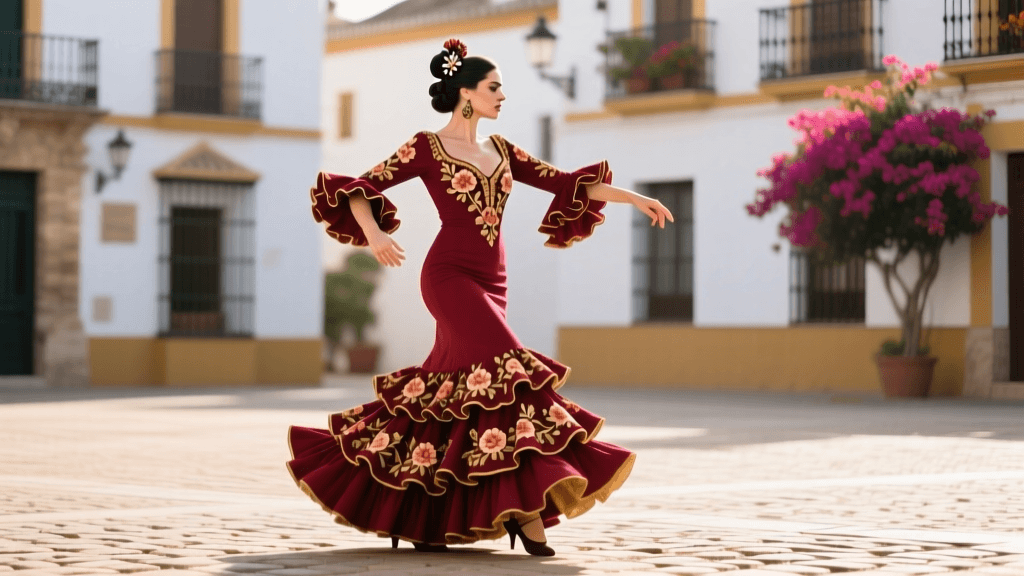
The Andalusian traje de flamenca (flamenco dress) is far more than a mere festival costume; it is a living, breathing textile tradition that evolves dynamically every year. Originating from the modest bata de cola worn by Romani women and the wives of livestock traders at the Seville spring fairs in the 19th century, the garment has transformed into a sophisticated symbol of regional pride and folk dance mastery. As we navigate the 2026 festival season, from the legendary Feria de Abril to international Sevillanas folk dance competitions, understanding the construction, contemporary trends, and precise tailoring of this garment is essential for dancers, cultural enthusiasts, and textile historians alike.
Flamenco and its associated dress are globally recognized for their profound cultural impact. In fact, the art form's significance is so deeply woven into European heritage that it was officially inscribed on the UNESCO Representative List of the Intangible Cultural Heritage of Humanity. This global recognition has spurred a massive revival in authentic, high-quality garment construction, moving away from mass-produced synthetic costumes toward bespoke, historically informed, and sustainably sourced textiles.
2026 Trends in Flamenco Festival Wear
The 2026 festival season introduces a fascinating dichotomy in Andalusian folk dress: a return to hyper-traditional silhouettes paired with cutting-edge, sustainable textile innovations. According to curators and archives at the Museo del Baile Flamenco in Seville, the modern traje must honor the historical weight of the garment while accommodating the rigorous physical demands of contemporary folk dance troupes.
Sustainable Poplins and Digital Motifs
This year, the dominant fabric choice for high-end trajes is organic cotton poplin and eco-friendly viscose crepe. These materials offer the necessary structural integrity for the iconic volantes (ruffles) while allowing the skin to breathe during hours of dancing in the Andalusian sun. Furthermore, 2026 has seen a surge in digital textile printing, allowing artisans to recreate vintage 1920s floral motifs on modern, lightweight bases, reducing the water waste associated with traditional dyeing methods.
The Revival of the Cuello Alto and Modular Ruffles
Silhouettes in 2026 are leaning heavily into the cuello alto (high neck) and long sleeves, a nod to the conservative elegance of the mid-20th century. However, to accommodate the intense heat of late-spring festivals, designers are incorporating hidden mesh panels and strategic cut-outs lined with nude tulle. Additionally, modular ruffles—attached via hidden interior buttons—have become a staple for traveling dancers, allowing a single gown to transition from a heavy, multi-tiered festival dress to a lighter, streamlined rehearsal skirt.
Tailoring for Movement: The Physics of the Vuelo
For folk dance troupes performing Sevillanas or Fandangos, the traje de flamenca must be engineered for movement. The defining characteristic of the dress in motion is the vuelo (the spin or flair). Achieving the perfect vuelo requires meticulous attention to the bias cut and the strategic placement of weights.
The ruffles must be cut on the bias to ensure they cascade in natural, undulating waves rather than stiff, angular folds. Furthermore, the bastilla—a thick, braided cord sewn into the hem of the lowest ruffle—acts as a centrifugal weight. When a dancer executes a rapid turn, the bastilla pulls the fabric outward, creating the spectacular bell-shape synonymous with Andalusian dance. If the cord is too heavy, it causes fatigue; if it is too light, the ruffles collapse inward, tangling around the dancer's legs.
Essential Measurements Table for Dance Troupes
When commissioning a dress for festival dancing, standard dress measurements are insufficient. The following specialized measurements are required to ensure the garment moves correctly with the choreography:
| Measurement Zone | Specific Metric | Purpose in Folk Dance |
|---|---|---|
| Torso | Largo de talle (Waist length) | Ensures the bodice does not restrict ribcage expansion during breath-heavy choreography. |
| Hip Drop | Caída de cadera | Determines exactly where the first volante begins, crucial for hip-isolation movements. |
| Skirt Length | Largo de falda | Measured from the waist to the floor while wearing the specific dance heel height. |
| Hem Weight | Peso de la bastilla | Calculated in grams per meter based on the fabric weight to optimize the spin radius. |
| Armhole | Sisa alta | Cut higher than standard dresses to allow full overhead arm extensions without pulling the bodice. |
2026 Sourcing and Cost Breakdown
Acquiring an authentic traje de flamenca is an investment in European textile heritage. The market in 2026 is distinctly segmented into three tiers: bespoke artisanal, premium prêt-à-porter (ready-to-wear), and festival rentals. As preparations ramp up for major events like the Bienal de Flamenco and the Feria de Abril, understanding the pricing landscape is crucial for budgeting.
Price Comparison Chart (2026 Season)
| Acquisition Tier | Estimated Cost (EUR) | Lead Time | Best For |
|---|---|---|---|
| Bespoke Artisanal | 850 - 2,500+ | 3 - 5 Months | Professional dancers, serious collectors, bridal festivals. |
| Premium Ready-to-Wear | 350 - 750 | Immediate / 2 Weeks | Amateur folk troupes, annual festival attendees. |
| Specialty Rental | 80 - 150 | 1 Week Prior | Tourists, single-day festival visitors, budget travelers. |
| Vintage / Secondhand | 150 - 400 | Variable | Sustainable fashion advocates, upcycling enthusiasts. |
Note: Prices reflect the 2026 European market and include standard alterations for ready-to-wear options. Bespoke pricing fluctuates based on the complexity of the lace (encaje) and the origin of the silk.
Accessorizing the Andalusian Dancer
The traje de flamenca is never worn in isolation; it is the centerpiece of a highly codified accessory ecosystem. In 2026, the styling rules remain strict, but the sourcing of these accessories has become more globally accessible.
- El Mantón de Manila: The iconic silk shawl with hand-knotted fringe. For dance, the fringe must be at least 40 centimeters long and heavily weighted to accentuate the rhythm of the turns. Authentic vintage silk mantones can cost upwards of 1,200 EUR, but high-quality rayon alternatives are available for around 250 EUR.
- Los Pendientes: Flamenco earrings are typically large, chandelier-style pieces. In 2026, lightweight resin and hollow-metal designs are preferred by dancers to prevent earlobe strain during vigorous head movements.
- La Flor: The fabric flower worn in the hair. The placement is critical: worn on the right side if the dancer is single, and on the left if married or partnered. Modern flowers are treated with starch to survive the humidity and heat of the festival grounds.
- Zapatos de Flamenca: Festival dancing requires specialized footwear. Unlike stage flamenco shoes with nailed tacks for percussive footwork, festival shoes for Sevillanas feature smooth suede soles and a sturdy, wide heel (typically 6 to 8 centimeters) to provide stability on uneven cobblestones and grassy fairgrounds.
Care and Maintenance for Festival Longevity
Given the investment required for a premium traje, proper maintenance is essential. The intricate ruffles and delicate lace make machine washing impossible. After the 2026 festival season, dresses should be professionally dry-cleaned using eco-friendly liquid silicone solvents, which preserve the crispness of the cotton poplin without degrading the structural integrity of the bastilla cords.
Storage is equally critical. The dress must never be hung on a standard wire hanger, as the weight of the ruffles will distort the bodice. Instead, it should be folded carefully with acid-free tissue paper stuffed into the ruffles to maintain their volume, and stored in a breathable cotton garment bag in a climate-controlled environment.
Conclusion
The traje de flamenca remains one of Europe's most vibrant and dynamic folk garments. It is a rare example of traditional dress that is not frozen in time, but rather adapts to the modern era while fiercely protecting its cultural roots. Whether you are a folk dance director outfitting a troupe for a 2026 international competition, or a traveler preparing for the magic of the Feria de Abril, understanding the tailoring, textiles, and traditions of this iconic dress ensures you participate in the culture with respect, authenticity, and unparalleled elegance.