Authentic European Folk Costumes 2026: Regional Sourcing Guide
The Resurgence of Authentic Regional Dress in 2026
The landscape of European traditional garments has shifted dramatically as we move through 2026. Enthusiasts, cultural historians, and festival-goers are increasingly rejecting mass-produced, synthetic costumes in favor of authentic, regionally accurate folk dress. Whether you are preparing for the 2026 Almabtrieb festival in the Alps, the Jāņi summer solstice celebrations in the Baltics, or a traditional Slavic heritage gathering in the Balkans, understanding the nuances of regional construction is paramount. According to the guidelines established by UNESCO's Intangible Cultural Heritage framework, traditional craftsmanship and the knowledge of creating these garments are vital cultural assets that require preservation through active, authentic use.
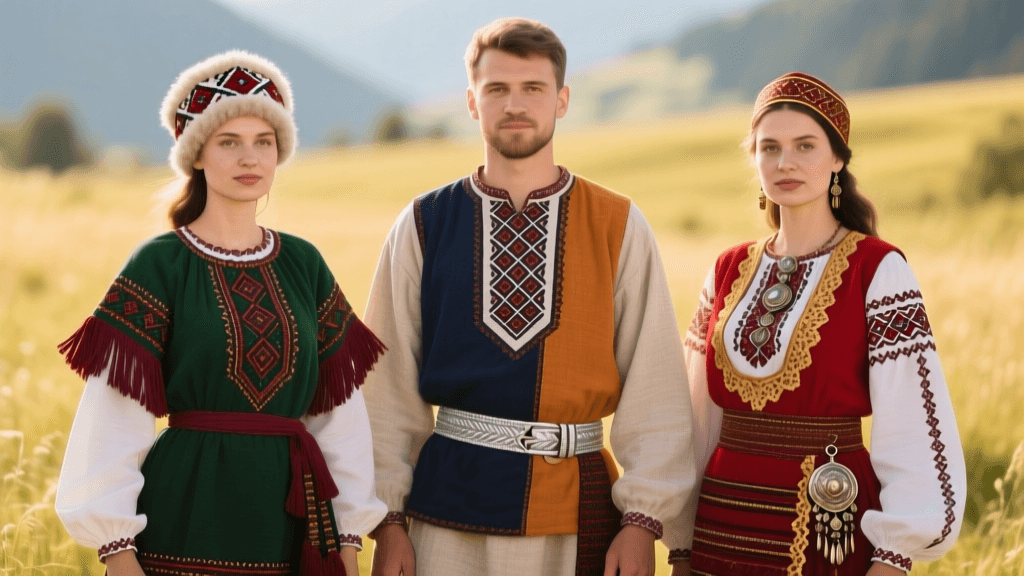
In this comprehensive 2026 sourcing guide, we break down the traditional European folk costumes of three distinct regions—the Alpine, Baltic, and Balkan territories. We will explore the specific materials, construction techniques, and current market pricing for commissioning bespoke pieces, ensuring your garments are historically accurate and built to last.
The Alpine Region: Bavarian and Austrian Tracht
The term "Tracht" refers to the traditional folk dress of the Alpine regions, encompassing Bavaria, Austria, and parts of Switzerland. It is crucial to understand that true Tracht is not a costume but a living, evolving tradition governed by strict regional codes regarding color, fabric, and accessories.
Dirndl and Lederhosen Construction & Sourcing
The quintessential Alpine garments are the Dirndl (worn by women) and Lederhosen (worn by men). In 2026, the mark of an authentic Dirndl lies in its natural fibers and tailored fit. A traditional Dirndl consists of four main pieces: the Mieder (bodice), Rock (skirt), Schürze (apron), and Bluse (blouse). Authentic bodices are heavily structured with internal boning and feature a front lacing or hook-and-eye closure, avoiding the cheap zippers found in commercial tourist versions. The skirt must be densely pleated and fall below the knee, typically made from pure wool (Reine Schurwolle) or high-quality linen.
For men, authentic Lederhosen are crafted from Hirschleder (deer nappa leather) or Sämisches Leder (chamois). The leather must be vegetable-tanned and hand-stitched using waxed linen thread. The iconic embroidery, known as Weißstickerei, features regional motifs like edelweiss, acorns, and oak leaves. As documented by the textile archives at the Bavarian National Museum, the cut of the Lederhosen—whether the short Plattlerhose or the knee-length Kniebundhose—is strictly tied to the specific Alpine valley of origin.
2026 Sourcing & Pricing: Commissioning a bespoke, hand-stitched Lederhosen from a master Säckler (leatherworker) in 2026 costs between €1,400 and €2,200, with a lead time of 4 to 6 months. A high-quality, tailor-made Dirndl using authentic Alpine wool and silk aprons ranges from €800 to €1,500.
The Baltic States: Latvian and Lithuanian Tautinis Kostiumas
The folk dress of the Baltic states, known in Latvia as Tautiskostīms, is characterized by its intricate geometric patterns, natural linen and wool fibers, and profound connection to pre-Christian Baltic mythology. Unlike the tailored fits of the Alps, Baltic dress relies on draping, wrapping, and complex weaving techniques.
Woven Sashes, Shawls, and Silver Accents
The centerpiece of the Latvian folk costume is the Lielvārdes josta (Lielvārde belt). This woven sash is a masterpiece of pick-up weaving, featuring over 22 distinct ancient Baltic symbols representing the sun, earth, and cosmic harmony. In 2026, authentic sashes are still woven on traditional wooden looms by master weavers, taking dozens of hours to complete. The belt is worn wrapped multiple times around the waist over a white linen shirt (krekls) that features subtle red or black geometric embroidery at the collar and cuffs.
Women also wear a villaine (woven wool shawl) draped over the shoulders, secured with large, ornate silver bubble brooches known as sakta. The vaivags (crown) or vainags is worn exclusively by unmarried women, while married women wear elaborate headcloths or caps. The Latvian National History Museum emphasizes that the specific color palette of the woven skirts—ranging from the deep indigos and crimsons of the Vidzeme region to the earthy browns and greens of Zemgale—must be matched accurately to the wearer's claimed regional heritage.
2026 Sourcing & Pricing: A handwoven Lielvārde belt costs between €180 and €280. A fully authentic, hand-pleated wool skirt with woven trim ranges from €350 to €550. Hand-forged silver sakta brooches start at €120 and can exceed €400 for large, multi-bubble ceremonial pieces.
The Balkans: Croatian and Serbian Opanci and Embroidery
Balkan folk dress is renowned for its vibrant colors, heavy layering, and spectacular metalwork and embroidery. The transitional zones between the Pannonian plain and the Dinaric Alps, particularly the Posavina and Šokac regions of Croatia and neighboring Serbian territories, showcase some of the most elaborate textile traditions in Europe.
Posavina Goldwork and Traditional Opanci
The defining feature of the Posavina and Šokac women's festive dress is Zlatovez (goldwork embroidery). This technique involves couching genuine gold or silver alloy threads onto dark velvet or heavy cotton bases, creating dense, raised floral and geometric patterns. The vests (zubun or jelek) are heavily structured and worn over a finely pleated linen blouse. The sheer volume of the skirts, often stiffened with woven hemp or linen petticoats, creates a striking, bell-like silhouette during traditional circle dances (kolo).
For footwear, both men and women historically wore Opanci. These are traditional leather shoes constructed from a single piece of tanned leather, gathered and laced at the top with leather thongs. The most recognizable feature is the kljun (beak), an upturned toe that was historically designed to protect the wearer's feet from rough terrain and snake bites while working in the fields. In 2026, authentic opanci are still crafted by a dwindling number of traditional cobblers using vegetable-tanned cowhide and hand-carved wooden lasts.
2026 Sourcing & Pricing: A bespoke Zlatovez velvet vest requires master embroiderers and costs between €700 and €1,200. Handmade leather Opanci, custom-lasted to your feet, cost between €120 and €200, with a lead time of 6 to 8 weeks.
2026 Regional Sourcing & Pricing Comparison
When budgeting for authentic European folk dress in 2026, it is essential to factor in the artisanal labor required. The following table provides a comparative overview of current market rates for bespoke, authentic garments across the three featured regions.
| Region | Key Garment | Primary Material | 2026 Bespoke Cost (EUR) | Avg. Lead Time |
|---|---|---|---|---|
| Alpine (Bavaria/Austria) | Lederhosen (Kniebundhose) | Vegetable-tanned Deer Leather | €1,400 - €2,200 | 4 - 6 Months |
| Alpine (Bavaria/Austria) | Dirndl (Festive) | Pure Wool & Silk | €800 - €1,500 | 2 - 4 Months |
| Baltic (Latvia) | Lielvārdes Josta (Sash) | Hand-spun Wool & Linen | €180 - €280 | 1 - 2 Months |
| Baltic (Latvia) | Villaine (Woven Shawl) | Heavy Woven Wool | €300 - €450 | 3 - 5 Months |
| Balkan (Croatia/Serbia) | Zlatovez Vest (Jelek) | Velvet & Gold Alloy Thread | €700 - €1,200 | 3 - 5 Months |
| Balkan (Croatia/Serbia) | Opanci (Footwear) | Vegetable-tanned Cowhide | €120 - €200 | 6 - 8 Weeks |
Actionable Guide: Commissioning Your Garment
Ordering traditional folk dress from European artisans requires precise communication and accurate measurements. Unlike modern ready-to-wear clothing, traditional tailors rely on specific anatomical landmarks to achieve the correct historical silhouette.
Essential Measurements for Tailors
- For Alpine Dirndl: Provide your underbust circumference, natural waist (the narrowest part of your torso), high hip, and the exact skirt length measured from your natural waist down to your desired hemline (traditionally 2-3 cm below the knee for mid-length, or down to the ankle bone for festive long styles).
- For Alpine Lederhosen: Measure your natural waist, the fullest part of your thigh, and your inseam. For Kniebundhose, measure the circumference of your leg exactly where the leather band will sit below the knee.
- For Baltic Skirts and Shawls: Provide your natural waist and total height. Because Baltic skirts are heavily pleated and wrapped, the waist measurement must be exact to ensure the geometric patterns align correctly at the front closure.
- For Balkan Opanci: Trace both feet on a piece of paper while standing, and measure the circumference of the ball of your foot and the instep. The leather will stretch and mold to your foot shape over time, so the initial fit should be snug.
Care and Maintenance of Heritage Textiles
2026 Archival Care Standard: Never dry-clean authentic vegetable-tanned leather or heavily embroidered goldwork. Leather should be treated annually with pure neatsfoot oil or specialized deer-tallow balms to maintain suppleness. Goldwork embroidery must be stored flat or rolled in acid-free tissue paper to prevent the metal threads from kinking or tarnishing. Wool garments should be aired out in fresh, shaded air and stored with natural cedar blocks to deter moths without introducing harsh chemical odors into the natural fibers.
Conclusion
Investing in authentic European folk dress in 2026 is an investment in cultural preservation. By understanding the distinct regional variations—from the structured wool and leather of the Alps to the symbolic weaves of the Baltics and the opulent goldwork of the Balkans—you ensure that these ancient traditions continue to thrive. Whether you are commissioning a bespoke piece for a heritage festival or expanding a cultural textile collection, prioritizing authentic materials and master artisans guarantees a garment that is not only historically accurate but built to be passed down through generations.