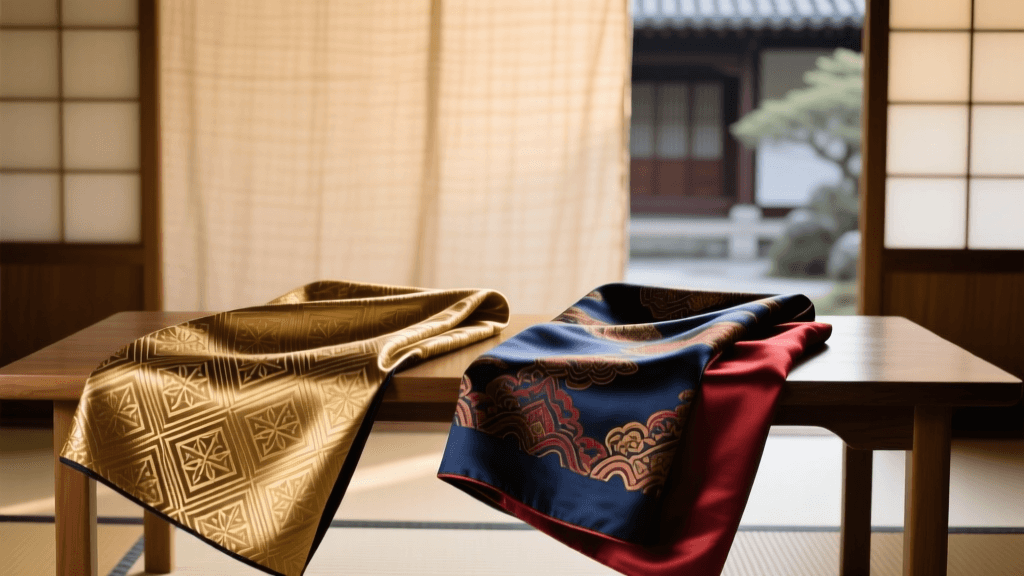
Ahimsa vs Mulberry Silk for Indian Bridal Saris in 2026
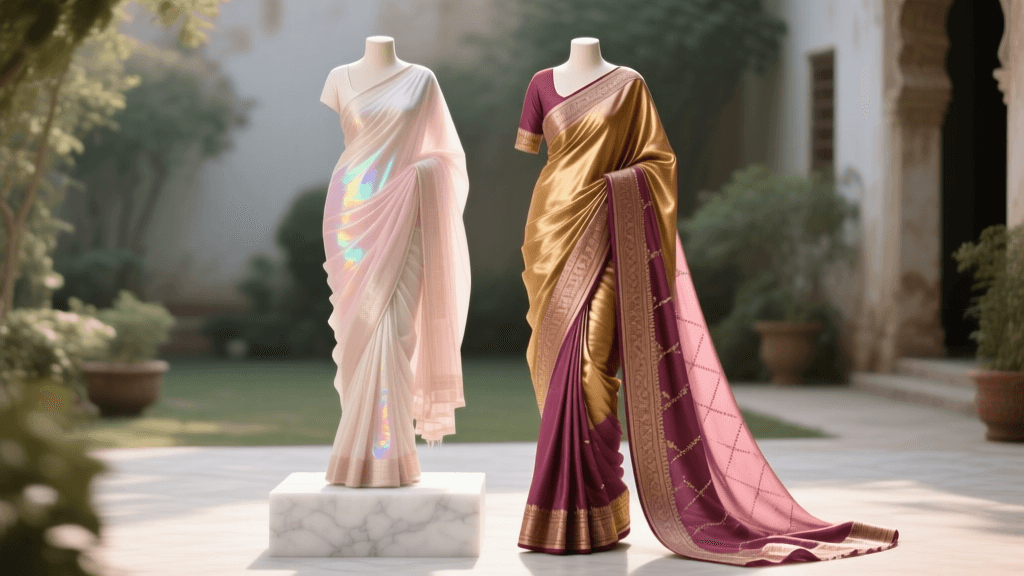
The 2026 Shift Toward Conscious Bridal Couture
The landscape of Indian bridal fashion has undergone a profound transformation as we move through 2026. While the grandeur of traditional weddings remains untouched, the modern bride is increasingly prioritizing sustainability, ethical sourcing, and comfort without compromising on heritage. At the heart of this evolution is a critical textile debate: the choice between traditional Mulberry silk and the rapidly rising Ahimsa (peace) silk. For generations, the heavy, lustrous drape of Mulberry silk has been the undisputed standard for bridal saris, lehengas, and ceremonial garments. However, the 2026 wedding season has seen a massive surge in demand for cruelty-free alternatives, prompting designers and weavers to innovate. Understanding the structural, aesthetic, and ethical differences between these two magnificent textiles is essential for any bride, stylist, or textile enthusiast curating a contemporary trousseau.
Mulberry Silk: The Undisputed Heritage Standard
Mulberry silk, produced by the Bombyx mori silkworm fed exclusively on mulberry leaves, is the most common and highly prized silk in the world. In the context of Indian traditional garments, it is the foundational canvas for iconic weaves such as the Kanjeevaram from Tamil Nadu and the Banarasi from Uttar Pradesh. The sericulture process involves boiling the cocoons with the pupae inside to prevent the moth from breaking the continuous silk filament. This results in a yarn that is incredibly strong, uniformly smooth, and capable of reflecting light with a brilliant, mirror-like luster.
For bridal wear, Mulberry silk is favored for its high tensile strength. A traditional Kanjeevaram sari can weigh anywhere from 1.5 to 3 kilograms, largely due to the dense, pure silver and gold zari work woven into the fabric. Mulberry silk's robust fiber structure can easily support this heavy metallic embroidery without tearing or losing its shape. In 2026, master weavers in Kanchipuram are utilizing 28 to 30-momme weight Mulberry silk to create structured, regal silhouettes that hold their pleats perfectly during lengthy temple ceremonies. According to the Ministry of Textiles, Government of India, Mulberry silk continues to dominate the luxury handloom sector, sustaining centuries-old weaving communities and preserving intangible cultural heritage.
Ahimsa Silk: The Cruelty-Free Revolution
Ahimsa silk, often referred to as peace silk, represents a paradigm shift in ethical textile production. Pioneered in the early 2000s and perfected through modern spinning technologies available in 2026, Ahimsa silk allows the moth to naturally emerge from the cocoon before the silk is harvested. Because the moth breaks the continuous filament to escape, the resulting silk fibers are shorter and must be spun together, much like wool or cotton, rather than reeled in a single continuous thread.
While early iterations of peace silk were often coarse and uneven, the 2026 market features highly refined Ahimsa yarns, particularly those derived from Eri and Tussar silkworms. Eri silk, native to Assam and Meghalaya, provides a soft, matte finish that feels remarkably similar to a blend of silk and cashmere. Ahimsa silk is inherently more breathable, porous, and thermoregulating than Mulberry silk, making it an increasingly popular choice for destination weddings in tropical or humid climates. The Ellen MacArthur Foundation's Fashion Initiative frequently highlights cruelty-free and circular textile practices like Ahimsa silk production as vital steps toward a regenerative fashion economy, a philosophy that deeply resonates with the eco-conscious 2026 bridal market.
Comprehensive Fabric Comparison Chart
To make an informed decision for your bridal trousseau, it is crucial to understand how these two fabrics perform across various metrics. Below is a detailed comparison based on 2026 textile industry standards.
| Feature | Mulberry Silk (Bombyx Mori) | Ahimsa Silk (Eri / Tussar Base) |
|---|---|---|
| Texture & Luster | Ultra-smooth, high reflective shine | Matte finish, soft, slightly textured |
| Momme Weight Range | 19mm to 30mm (Heavy & structured) | 12mm to 22mm (Lightweight & fluid) |
| Ethical Production | Traditional (lethal to pupa) | Cruelty-free (moth emerges naturally) |
| Drape & Fluidity | Stiff, holds rigid pleats and volume | Fluid, breathable, drapes close to the body |
| Embroidery Hold | Excellent for heavy gold Zari and Kundan | Best for light Resham, thread work, and sequins |
| 2026 Avg Cost (per meter) | $45 - $120 USD | $65 - $150 USD (Labor-intensive spinning) |
Drape, Weight, and Embroidery Compatibility
The choice between Ahimsa and Mulberry silk heavily dictates the type of embellishment a garment can support. In 2026, bridal fashion is split into two distinct categories: the grand ceremonial wedding and the intimate destination wedding. For the former, Mulberry silk remains the undisputed champion. Its tight weave and high momme weight provide a sturdy base for heavy zari (metallic thread) weaving, zardozi (metal embroidery), and 3D floral appliques. If a bride envisions a traditional red Banarasi sari with dense gold motifs, Mulberry silk is non-negotiable to prevent the fabric from sagging under the weight of the metal.
Conversely, Ahimsa silk is the star of the modern, lightweight bridal trousseau. Its softer drape makes it ideal for contemporary silhouettes, pre-wedding cocktails, and beachside ceremonies. Because Ahimsa silk cannot support the extreme weight of traditional gold zari without warping, 2026 designers are pairing it with intricate resham (silk thread) embroidery, delicate pearl work, and minimalist silver thread accents. The matte texture of Ahimsa silk also takes natural dyes exceptionally well, resulting in rich, earthy 2026 color palettes like matcha green, dusty rose, and deep terracotta that appear more nuanced than on highly reflective Mulberry silk.
Regional Weaving Centers to Watch in 2026
If you are sourcing authentic textiles, knowing the geographic origins is paramount. For Mulberry silk, the weaving hubs of Kanchipuram (Tamil Nadu), Varanasi (Uttar Pradesh), and Dharmavaram (Andhra Pradesh) continue to set the global standard for bridal luxury. These regions have adapted to 2026 demands by introducing organic Mulberry silk options, where the mulberry trees are grown without synthetic pesticides, appealing to the eco-conscious buyer who still prefers the luster of traditional silk.
For Ahimsa silk, the northeastern states of India, particularly Assam, are the epicenter of innovation. Assamese Eri silk, traditionally used for winter shawls and the Mekhela Chador, is now being spun into ultra-fine bridal yarns. Furthermore, weavers in Bhagalpur (Bihar) are producing Ahimsa Tussar silk, which offers a natural golden-beige hue that requires no dyeing, perfectly aligning with the 2026 trend of raw, unbleached, and naturally colored bridal garments.
Garment Care and Longevity
Both silks are protein-based fibers and require meticulous care, but their structural differences dictate slightly different maintenance routines. Mulberry silk bridal saris should always be dry-cleaned, especially when adorned with metallic zari, as water can tarnish the silver and gold threads. They should be stored wrapped in unbleached muslin cloth to allow the fibers to breathe, preventing the yellowing that can occur when trapped in plastic.
Ahimsa silk, being more porous and absorbent, is highly susceptible to water spots and perspiration stains. While some modern, unembellished Ahimsa garments can be gently hand-washed using pH-neutral, enzyme-free detergents specifically formulated for protein fibers, bridal Ahimsa pieces with intricate embroidery should still be professionally dry-cleaned. Because Ahimsa fibers are spun rather than reeled, they can be slightly more prone to pilling if subjected to high friction, so storing them with ample space in the wardrobe is essential to maintain the fabric's pristine, matte surface.
Authenticating Your Silk Purchase
With the premium pricing of both Mulberry and Ahimsa silks in the 2026 market, authentication is critical. The global market has seen an influx of synthetic blends and copper-based faux-zari masquerading as pure heritage silk. To ensure you are investing in genuine textiles, always look for the Silk Mark Organisation of India certification. This government-backed label guarantees that the fabric is 100% natural silk. For Ahimsa silk, look for specific cruelty-free certifications and purchase directly from established, transparent handloom cooperatives or verified sustainable luxury boutiques that can trace the garment back to the specific spinning and weaving clusters in Assam or Bihar.
Conclusion
The choice between Ahimsa and Mulberry silk for Indian bridal wear in 2026 is no longer just a matter of aesthetics; it is a reflection of personal values, wedding styles, and an evolving relationship with heritage. Mulberry silk offers the timeless, structured opulence required for heavy, traditional ceremonial wear, anchoring the bride in centuries of weaving history. Ahimsa silk provides a compassionate, breathable, and beautifully matte alternative that aligns with the modern ethos of sustainable luxury. By understanding the unique properties, weights, and regional origins of these extraordinary textiles, you can curate a bridal wardrobe that is not only visually breathtaking but deeply meaningful and culturally resonant.