The Traditional Dress of Women in Haryana: A Complete Style & Cultural Guide
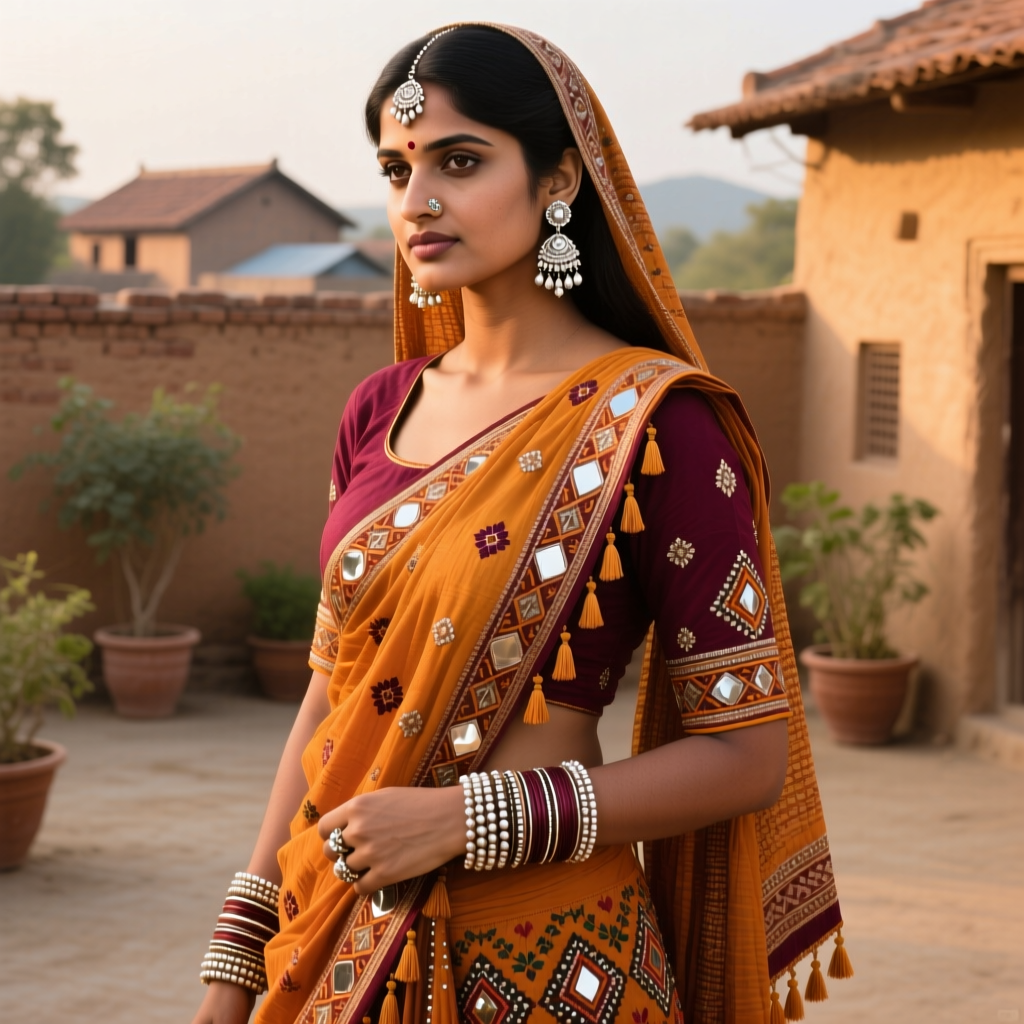
The state of Haryana, nestled in the northern part of India, is a land steeped in agrarian roots, vibrant folklore, and a rich cultural tapestry. When exploring the Haryana culture and textiles, one is immediately struck by the vivid colors, intricate embroidery, and profound symbolism woven into the local attire. The traditional dress of women in Haryana is not merely a garment; it is a living expression of the region's heritage, reflecting the resilience, grace, and vibrant spirit of its people.
While modern fashion has undoubtedly made its mark across the state, the traditional Haryanvi ensemble remains a source of immense pride, especially during weddings, festivals, and cultural gatherings. Whether you are a fashion enthusiast looking to incorporate regional Indian textiles into your wardrobe, a bride seeking authentic inspiration, or a cultural historian, understanding the nuances of Haryanvi attire is essential. In this comprehensive guide, we will explore the core elements of the traditional dress of women in Haryana, offering practical styling tips, accessory pairings, and a detailed buying guide to help you embrace this timeless sartorial heritage.
The Core Elements of Haryanvi Traditional Attire
The traditional wardrobe for women in Haryana primarily revolves around a three-piece ensemble that is both functional for the region's climate and visually stunning. Much like the broader North Indian ghagra choli styling guide, the Haryanvi version has distinct regional characteristics that set it apart in terms of draping, fabric choice, and embellishment.
The Ghagra (Skirt)
The foundation of the outfit is the Ghagra, a long, flared skirt that typically reaches down to the ankles or calves. In rural Haryana, the ghagra is often made from durable, breathable cotton or khadi, designed to withstand the rigors of daily agrarian life while providing comfort in the sweltering summer heat. For festive occasions, the fabric upgrades to rich silks, satins, or fine georgettes. The hem of the Haryanvi ghagra is frequently adorned with gota patti work, mirror work, or colorful embroidered borders that add a mesmerizing flair when the wearer twirls during folk dances.
The Choli or Kurti (Top)
The upper garment is traditionally a Choli (a fitted blouse) or a Kurti (a straight-cut tunic). Daily wear kurtis are usually simple, featuring modest necklines and short sleeves, often paired with a contrasting dupatta. However, for bridal and festive wear, the choli becomes a canvas for exquisite craftsmanship. Backless cholis with intricate tie-ups (dori) and heavy zari or thread embroidery are highly prized. The Angarkha style, which wraps across the chest and ties at the side, is also a historically significant silhouette in the region.
The Odhna (Veil)
No Haryanvi ensemble is complete without the Odhna (also known as a Chunri or Dupatta). The traditional Haryanvi Odhna is iconic, particularly the Kanthi or Chhanana. This specific style of veil features a striking, thick border—usually in black, deep red, or maroon—while the central body of the fabric bursts in vibrant hues of yellow, orange, or bright red. The Odhna is a symbol of modesty and respect, and its draping style changes depending on the woman's age, marital status, and the social context of the gathering.
Essential Accessories to Complete the Look
To truly capture the essence of Haryanvi fashion, the garments must be elevated with the right accessories. Traditional traditional Indian jewelry from this region is bold, heavy, and deeply symbolic, often serving as both an adornment and a financial asset for the women who wear it.
- The Nath (Nose Ring): A large, ornate nose ring, often connected to the hair by a delicate gold chain, is a quintessential marker of a married Haryanvi woman. It is heavily embellished with pearls, precious stones, and intricate gold filigree.
- Bor and Maang Tikka: The Bor is a traditional headpiece worn on the forehead, shaped like a small dome or bell, often accompanied by a Maang Tikka that rests along the hair parting. These pieces draw attention to the eyes and add a regal touch to the bridal look.
- Hansli and Kandora: The Hansli is a stiff, heavy silver or gold choker that sits snugly against the collarbone. The Kandora is a broader, intricately carved necklace that layers beautifully over the choli, providing a striking contrast to the vibrant fabrics.
- Kangan and Chooda: Bangles are an absolute necessity. While glass bangles in bright colors are worn daily, brides adorn their arms with thick gold Kangan and the iconic red and white Chooda (ivory or plastic bangles), which signify their newlywed status.
- Jutti (Footwear): Handcrafted leather Juttis, featuring vibrant thread embroidery, mirror work, and pom-poms, are the traditional footwear of choice. They are comfortable, flat, and perfectly complement the flare of the ghagra.
Styling Tips for Modern Wardrobes
Incorporating the traditional dress of women in Haryana into a contemporary wardrobe requires a thoughtful approach to styling. The goal is to honor the garment's cultural roots while ensuring it feels relevant and comfortable for modern settings.
Mastering the Drape: The way you drape the Odhna can completely transform the silhouette. For a traditional, modest look, drape the Odhna over the head, allowing the heavy border to frame the face, and let the rest of the fabric cascade over the left shoulder and across the chest. For a more relaxed, modern aesthetic, you can skip the head drape and pin the Odhna securely at the shoulder, allowing the intricate borders to fall vertically, elongating your frame.
Balancing Proportions: If you are wearing a heavily embroidered Haryanvi Ghagra, pair it with a relatively simple, solid-colored choli to avoid visual clutter. Conversely, a plain cotton ghagra can be elevated with a heavily mirrored or sequined crop top. This mix & match approach allows you to control the visual weight of your outfit.
Layering with Outerwear: During the cooler winter months, Haryanvi women traditionally layer their outfits with heavy shawls or intricately woven woolen wraps. You can mimic this by pairing your ghagra and choli with a structured, embroidered velvet jacket or a long, flowing Angarkha coat, adding both warmth and a touch of aristocratic elegance to your ensemble.
Occasions for Haryanvi Traditional Wear
Understanding when and where to wear these garments is just as important as knowing how to style them. The traditional dress of women in Haryana is deeply intertwined with the region's social and religious calendar. Exploring Indian festivals fashion reveals how central these garments are to community celebrations.
- Weddings and Pre-Wedding Rituals: The Haryanvi bridal trousseau is a magnificent display of red, orange, and gold. The Kanthi Odhna is an essential part of the bridal attire, often passed down through generations as a family heirloom. Brides wear the most elaborate versions of the ghagra choli, weighed down by substantial gold jewelry.
- Teej and Lohri: During the monsoon festival of Teej, women dress in vibrant greens and yellows, swinging on decorated swings and singing folk songs. The attire is lighter, allowing for movement, but remains brightly colored and accessorized with fresh flowers. For Lohri, celebrated in the winter, warmer fabrics and rich, dark hues like maroon and mustard yellow take precedence.
- Folk Dances and Cultural Events: The energetic Ghoomar and Phag dances require skirts with immense flare. Dancers wear specially tailored ghagras that create a spectacular visual effect when spinning, paired with contrasting Odhnas that trail beautifully in the air.
- Religious Ceremonies: When visiting temples or participating in local pujas, women opt for modest, traditional cotton suits or simpler ghagras, ensuring the head is respectfully covered with the Odhna.
Modern Adaptations & Fusion Styling
As global fashion trends intersect with regional heritage, the traditional dress of women in Haryana has seen beautiful modern adaptations. Today's designers and fashion-forward individuals are reimagining these classic silhouettes to suit contemporary lifestyles without erasing their cultural identity.
One of the most popular trends in Indo-western fusion wear is pairing the traditional Haryanvi Ghagra with unconventional tops. Think of a heavily mirrored lehenga skirt paired with a crisp, white button-down shirt, a structured blazer, or a simple cotton crop top. This juxtaposition of rustic, traditional embroidery with modern, minimalist tailoring creates a striking, high-fashion look perfect for cocktail parties or art gallery openings.
Another adaptation involves the pre-stitched or concept Odhna. Draping a heavy, traditional Chhanana can be challenging for those unaccustomed to it. Modern designers now offer pre-draped dupattas or cape-style veils that mimic the look of the traditional Odhna, complete with the signature dark borders, but eliminate the hassle of managing yards of fabric. Additionally, the use of lighter, breathable fabrics like linen blends and organza makes the heavy Haryanvi silhouettes more accessible for summer destination weddings and daytime events.
Buying Guide: Where & How to Shop
Sourcing an authentic Haryanvi ensemble requires a discerning eye and an appreciation for artisanal craftsmanship. Whether you are shopping in the bustling local markets of Haryana or browsing online boutiques, here is how to ensure you are investing in quality garments.
Sourcing Authentic Pieces
For the most authentic experience, visit the local markets in cities like Hisar, Rohtak, and Ambala. These markets are treasure troves of handloom cottons, traditional gota patti work, and hand-embroidered Odhnas. If you are unable to travel, seek out specialized online platforms that partner directly with rural artisan cooperatives. Supporting these platforms ensures that the intricate arts & crafts of Haryana continue to provide a sustainable livelihood for local artisans.
Checking Fabric and Embellishment Quality
When examining a Haryanvi Ghagra or Odhna, pay close attention to the fabric's weave and the quality of the embellishments. Authentic gota patti should feature flat, ribbon-like lace that is securely stitched, not merely glued. The embroidery should be tight and even on the reverse side of the fabric. For the iconic Kanthi Odhna, ensure the dark border is colorfast, as cheaper, mass-produced dyes may bleed onto the vibrant central fabric during the first wash.
Care and Maintenance
Traditional Haryanvi garments, especially those featuring mirror work, zari, or heavy silk, require meticulous care. Always dry clean heavily embellished pieces. For daily-wear cotton ghagras and kurtis, hand washing in cold water with a mild, pH-neutral detergent is recommended to preserve the vibrancy of the colors. Store your Odhnas folded with acid-free tissue paper to prevent the dark borders from transferring dye to the lighter sections of the fabric.
Frequently Asked Questions
What is the most common traditional dress for women in Haryana?
The most common and iconic traditional dress for women in Haryana is the Ghagra Choli paired with an Odhna (veil). For daily wear, especially in rural areas, this is often simplified to a cotton Kurti, a simple Ghagra or Salwar, and a lightweight Chunri. However, the three-piece Ghagra ensemble remains the definitive cultural attire for festivals, weddings, and formal gatherings.
What colors are predominantly worn in Haryanvi traditional attire?
Haryanvi traditional attire is celebrated for its bold, vibrant color palette. Bright reds, vivid oranges, mustard yellows, and deep pinks are incredibly popular, symbolizing joy, fertility, and prosperity. These bright central colors are often strikingly contrasted with thick, dark borders on the Odhna, typically in black, deep maroon, or navy blue, creating a visually arresting aesthetic.
How do you drape a traditional Haryanvi Odhna?
The traditional drape of a Haryanvi Odhna, particularly the Chhanana, involves placing the center of the fabric over the head, allowing the heavy, dark borders to frame the face and fall over the shoulders. The remaining fabric is then gathered and draped across the chest and over the left shoulder, or allowed to flow down the back. In the presence of elders or in religious settings, the head covering is strictly maintained as a sign of respect.
Can I wear a Haryanvi Ghagra for a modern wedding reception?
Absolutely. A Haryanvi Ghagra can be a stunning choice for a modern wedding reception, especially if you opt for fusion styling. Pair a richly embroidered, traditional Haryanvi skirt with a contemporary blouse—such as a sleeveless halter neck or a structured corset top. You can also swap the heavy traditional Odhna for a sheer, minimalist organza dupatta to give the outfit a lighter, more modern silhouette while retaining its cultural roots.
What is the significance of the 'Nath' in Haryanvi bridal wear?
The Nath (nose ring) holds profound cultural and marital significance in Haryana. It is traditionally worn by married women and is a mandatory component of the bridal trousseau. A large, ornate Nath, often studded with pearls and connected to the hair by a gold chain, is believed to enhance the bride's beauty and symbolize her marital status. In many families, the Nath is a cherished heirloom, passed down from mother to daughter, carrying the blessings of previous generations.