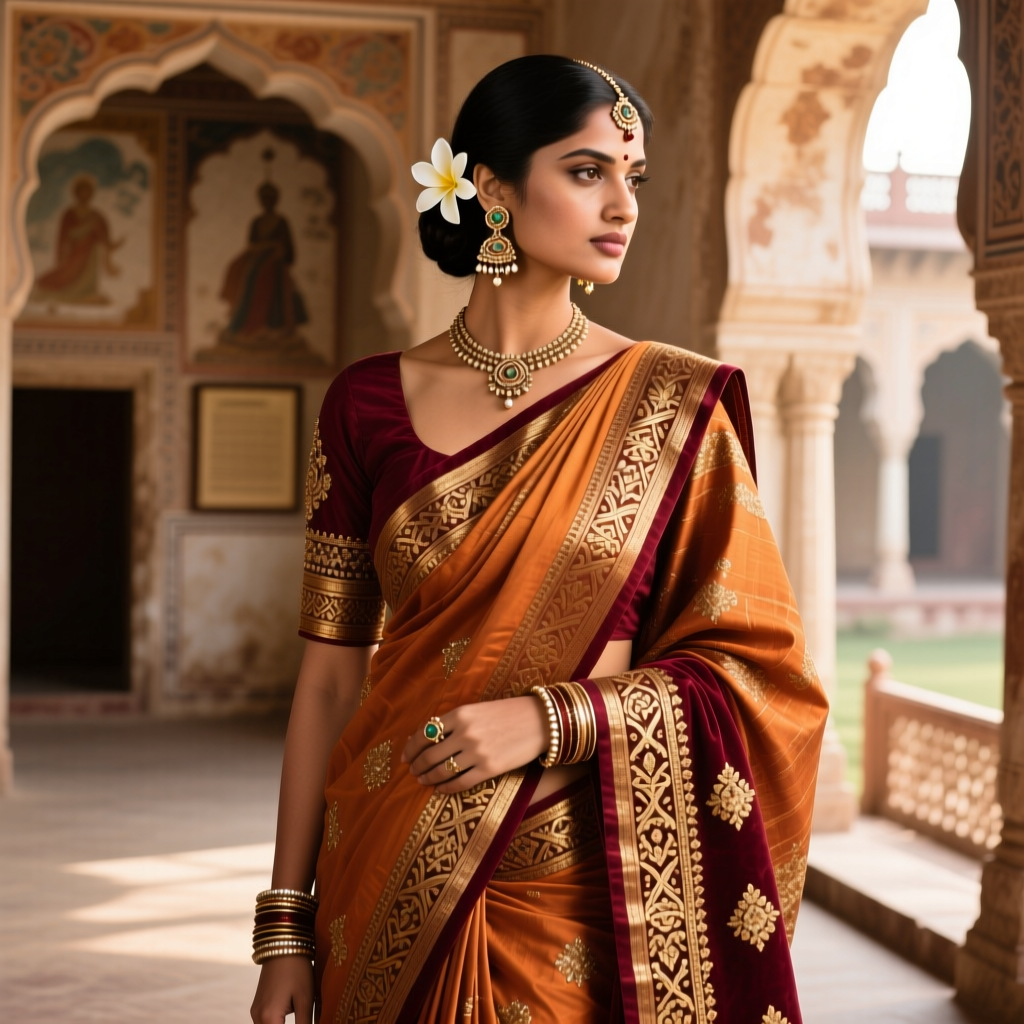
Traditional Dress for Girls: Heritage Guide

There is something truly timeless about watching a young girl twirl in a dress that carries the weight of generations. Traditional dress wear for girls is more than just clothing — it is a living tapestry of cultural identity, artisanal craftsmanship, and familial pride. Whether it is the vibrant swirl of a lehenga, the delicate embroidery of a hanbok, the bold geometry of a dirndl, or the flowing elegance of a kaftan, these garments connect children to their roots in a way that no modern fast-fashion piece ever could.
For parents, grandparents, and caregivers, choosing traditional attire for a girl can feel like navigating a beautiful but overwhelming world of fabrics, silhouettes, and customs. How do you honor heritage while ensuring comfort? How do you balance authenticity with a child's desire to play, run, and simply be a kid? This comprehensive guide explores everything you need to know about styling traditional dress wear for girls — from selecting the right garment for the right occasion to accessorizing thoughtfully and embracing modern adaptations that keep cultural fashion alive for new generations.
If you are new to exploring global garment traditions, our garment guides collection offers an excellent starting point for understanding the foundations of cultural dress worldwide.
Understanding Traditional Dress Wear for Girls Across Cultures
Traditional dress for girls varies enormously across the globe, yet every culture shares a common thread: the desire to pass down identity through clothing. Understanding the landscape of these garments helps you make informed, respectful choices when selecting attire for the young girls in your life.
South Asian Traditions
In South Asian cultures, young girls often wear scaled-down versions of adult garments. The lehenga choli — a flared skirt paired with a fitted blouse and draped scarf (dupatta) — is a staple for festivals like Diwali, Navratri, and Eid. For younger children, the frock-style anarkali offers a comfortable, flowing silhouette that captures the grandeur of Mughal-era design without restricting movement. The salwar kameez in cotton or lightweight silk is ideal for everyday cultural events, offering both modesty and ease.
East Asian Elegance
Korean hanbok for girls features a short jeogori (jacket) paired with a full chima (skirt), often in vivid colors like crimson, jade, and saffron. Japanese kimono and yukata for children come in playful prints and are typically secured with a simplified obi belt. Chinese qipao (cheongsam) for girls often features frog button closures, mandarin collars, and embroidered motifs like phoenixes or peonies. Each of these garments carries deep symbolic meaning — from color choices that represent prosperity to patterns that invoke protection and good fortune.
European Folk Dress
The German and Austrian dirndl for girls mirrors the adult version with a bodice, blouse, full skirt, and apron. Scandinavian folk costumes, or bunad, are among the most elaborate children's traditional garments in Europe, featuring hand-embroidered wool with silver accessories. Eastern European traditions include richly embroidered blouses and layered skirts, with each region boasting distinct color palettes and stitch patterns that serve as geographic identifiers.
African & Middle Eastern Heritage
West African ankara and kente cloth is fashioned into adorable dresses and matching sets for girls, celebrating bold prints and the storytelling tradition woven into every pattern. North African and Middle Eastern kaftans and jalabiyas for girls feature intricate gold or silver threadwork, offering a graceful silhouette suitable for celebrations of all kinds. Explore more about these rich textile traditions in our cultural heritage archives, where we trace the origins and evolution of garments across continents.
Styling Tips: Making Traditional Dress Wear Practical & Beautiful
Styling traditional dress wear for girls requires balancing visual impact with practicality. Children are active, curious, and rarely interested in standing still for photographs — and they shouldn't have to. Here is how to make traditional attire work for real life.
Prioritize Comfort Without Sacrificing Authenticity
The foundation of any good outfit — traditional or otherwise — is comfort. When selecting a garment, examine the inner construction. Look for soft linings, flat seams, and breathable fabrics like cotton, bamboo blends, or lightweight silk. Avoid heavily starched materials or stiff brocades for younger children, as these can cause irritation during extended wear. For winter events, layer a fitted thermal top beneath the garment rather than choosing heavy, bulky fabrics.
Choose Age-Appropriate Silhouettes
What works for a twelve-year-old may overwhelm a four-year-old. For toddlers and preschoolers, opt for A-line frocks and simple one-piece dresses that allow for diaper changes and unrestricted play. School-age girls can carry more structured silhouettes like lehengas, hanbok, or dirndls with greater ease. Teenagers often appreciate more sophisticated cuts that mirror adult versions of traditional wear, giving them a sense of maturity and cultural connection.
Master the Art of Layering
Layering is your best friend when styling traditional garments for unpredictable weather or multi-hour events. A lightweight cotton underskirt adds volume and warmth beneath a lehenga or dirndl. A matching shrug, bolero, or embroidered jacket can transform a sleeveless outfit into something suitable for cooler venues. For outdoor ceremonies, consider a beautifully embroidered shawl or cape that complements the main garment while providing warmth. Our layering essentials guide offers universal principles that apply beautifully to traditional styling.
Coordinate Colors Thoughtfully
Traditional garments often feature rich, saturated palettes. When coordinating accessories and separates, either match a secondary color from the garment's pattern or choose neutral metallics like gold, silver, or copper that complement without competing. For group events — such as sibling portraits or family gatherings — coordinate across outfits using a shared accent color rather than dressing everyone identically.
Accessories That Elevate Traditional Dress Wear for Girls
Accessories are where traditional styling truly comes alive. They are also where you can exercise the most creative freedom, blending heritage pieces with contemporary touches to create a look that feels both rooted and fresh.
Headpieces & Hair Accessories
A well-chosen headpiece can transform a simple traditional dress into a showstopping ensemble. For South Asian occasions, maang tikkas (forehead jewelry) and passas add regal charm — choose clip-on versions with secure grips for active children. Korean daenggi (silk ribbons) woven into braids bring authentic hanbok styling to life. For European folk dress, flower crowns, ribbon-tied braids, and small felt hats with feather accents honor tradition while adding whimsy. Always prioritize lightweight pieces that won't cause headaches during long events.
Footwear That Balances Tradition & Comfort
Traditional footwear varies dramatically by culture, but comfort should always take priority for children. South Asian juttis and mojaris — embroidered flat shoes — are widely available in children's sizes and pair beautifully with lehengas and salwar kameez. For East Asian garments, simple ballet flats in coordinating colors often work better than traditional wooden sandals for young children. European folk dress pairs naturally with leather Mary Janes, ankle boots, or simple lace-up shoes. If the event involves significant walking or dancing, break in any new footwear at least a week beforehand.
Jewelry: Less Is More for Young Girls
When accessorizing children, restraint is key. A single statement piece — such as a pair of jhumka earrings, a delicate necklace, or a traditional bracelet — is often more impactful and far more comfortable than a full jewelry set. Avoid heavy necklaces that may irritate delicate skin, and always choose hypoallergenic metals. For very young children, consider skipping jewelry entirely and letting the garment's embroidery and fabric speak for themselves.
Bags & Small Carry Items
A small embroidered pouch, beaded clutch, or fabric potli bag gives girls a place to carry essentials while adding a finishing touch to the outfit. Choose pieces that match or complement the garment's colorway, and ensure they are lightweight with secure closures — children are notorious for setting things down and forgetting them.
Choosing Traditional Dress for Every Occasion
Not every traditional garment suits every event. Understanding the context helps you select outfits that are appropriate, comfortable, and photograph beautifully.
Festivals & Religious Celebrations
Festivals are where traditional dress truly shines. For Diwali, Eid, Christmas, Lunar New Year, or Hanukkah celebrations, choose garments in festive colors — reds, golds, deep greens, and rich jewel tones. Embellished fabrics with zari work, sequins, or embroidery capture the celebratory spirit. Prioritize outfits that allow children to participate fully in activities, from lighting lamps to playing games to sitting cross-legged during ceremonies.
Weddings & Formal Ceremonies
Wedding attire for girls often mirrors the formality of the event. Flower girls and young attendees may wear elaborately embroidered lehengas, miniature versions of bridal hanbok, or delicate lace-trimmed dirndls. Coordinate with the wedding party's color palette when possible, but avoid dressing children in white at Western weddings unless specifically requested. For multi-day wedding celebrations, plan multiple outfits — a heavily embellished piece for the main ceremony and simpler, comfortable traditional wear for pre-wedding functions.
Cultural Performances & School Events
When girls participate in cultural dance performances, school heritage days, or community showcases, the garment needs to withstand vigorous movement. Choose pieces with secure fastenings, reinforced seams, and fabrics that breathe. Avoid excessive embellishment that could snag during choreography. For dance-specific events, consult with the instructor about traditional performance costumes that honor the art form while supporting movement.
Everyday Cultural Expression
Traditional dress doesn't have to be reserved for special occasions. Simple cotton kurtas, casual yukata, everyday dirndl-inspired dresses, and ankara-print skirts can be incorporated into regular wardrobes, helping girls develop a natural, ongoing connection with their heritage. Pair these pieces with modern basics — denim jackets, sneakers, simple tees — for a look that feels effortless and contemporary. Our style section features more ideas for blending cultural and everyday fashion.
Modern Adaptations: Keeping Tradition Alive for New Generations
One of the most exciting developments in traditional dress wear for girls is the rise of modern adaptations that honor heritage while embracing contemporary design sensibilities. These adaptations are not about diluting tradition — they are about ensuring it remains relevant, wearable, and beloved by new generations.
Fusion Silhouettes
Designers around the world are creating stunning fusion pieces that blend traditional elements with modern cuts. Imagine a lehenga skirt paired with a structured crop-top blouse, a hanbok-inspired dress with a fitted bodice and modern hemline, or an ankara-print jumpsuit with traditional geometric patterns. These pieces allow girls to feel connected to their heritage while wearing something that feels current and age-appropriate. Fusion wear is particularly popular among diaspora families who want to honor their roots within a contemporary cultural context.
Sustainable & Ethical Production
Many modern brands producing traditional children's wear are embracing sustainable practices — using organic cottons, natural dyes, and fair-trade artisan partnerships. This approach not only produces higher-quality garments but also teaches young girls about the value of ethical consumption and the importance of supporting traditional craftspeople. When shopping, look for brands that transparently share their production processes and artisan stories.
Customization & Personalization
Another beautiful modern trend is the personalization of traditional garments. Families are working with artisans to incorporate meaningful details — a child's initials embroidered into a hem, birthstone-colored accents, or motifs that represent the family's specific regional heritage. These personalized touches transform garments into heirlooms, carrying stories that deepen with each generation.
Gender-Inclusive Approaches
Modern traditional wear increasingly embraces gender-inclusive design, offering girls garments that prioritize self-expression over rigid gender norms. Wider cuts, adjustable elements, and versatile styling options allow children to wear traditional pieces in ways that feel authentic to their individual personalities. This evolution ensures that cultural dress remains a source of joy and identity rather than constraint.
Buying Guide: How to Choose & Purchase Traditional Dress Wear for Girls
Shopping for traditional children's wear requires a different approach than buying everyday clothing. These garments often involve artisanal techniques, specialized sizing, and higher price points — making informed purchasing decisions essential.
Where to Shop
Specialty cultural boutiques — both brick-and-mortar and online — offer the widest selection of authentic traditional garments. Many are family-run businesses with deep knowledge of regional styles and customs. Artisan marketplaces like Etsy and regional craft platforms connect buyers directly with makers, often offering customization options. Heritage fashion brands that specialize in children's traditional wear provide curated collections with consistent quality and sizing. For the most authentic pieces, consider shopping during cultural festivals or visiting regions known for specific textile traditions.
Sizing & Fit Considerations
Traditional garments often follow different sizing conventions than Western ready-to-wear. Always consult the seller's specific size chart and measure the child's chest, waist, hip, and shoulder-to-hem length before ordering. Many traditional garments — such as lehengas, dirndls, and salwar kameez — feature adjustable elements like drawstring waists and tie closures that accommodate growth. When in doubt, size up; a slightly larger garment can be taken in, but a too-small piece may be unwearable.
Fabric Quality Assessment
Examine fabric quality closely, especially for investment pieces. Genuine silk should feel smooth and cool to the touch with a natural luster. Hand-embroidered pieces should show slight irregularities — a sign of authentic craftsmanship rather than machine production. Check that embellishments like sequins, beads, and mirrors are securely attached, as loose pieces pose choking hazards for younger children. Request fabric swatches when shopping online for high-value items.
Budget & Value
Traditional dress wear for girls ranges from affordable everyday pieces ($30–$80) to investment-grade formal garments ($200–$1,000+). Set a realistic budget based on the occasion and expected frequency of wear. For garments worn once or twice, rental services and pre-loved marketplaces offer excellent value. For pieces intended to become family heirlooms, investing in quality construction and timeless design pays dividends across generations. Learn more about evaluating garment quality in our fabric identification guide.
Care & Preservation
Traditional garments often require specialized care. Dry cleaning is recommended for heavily embroidered or silk pieces, while cotton and linen garments may be hand-washed in cold water with mild detergent. Always store traditional wear in breathable garment bags — never plastic — with acid-free tissue paper to prevent creasing and discoloration. For heirloom pieces, consider professional textile preservation services to ensure they survive for future generations to wear and cherish.
Frequently Asked Questions
At what age should girls start wearing traditional dress?
There is no universal