Traditional Wedding Dresses Around the World

Wedding Attire as Cultural Expression
Traditional wedding dress is one of the most elaborate forms of cultural clothing, representing centuries of custom, symbolism, and artistic achievement. Every culture's bridal wear tells a story about values, beliefs, and aesthetic traditions.
Asian Bridal Traditions
- Chinese Qun Kwa: Red two-piece ensemble embroidered with dragons and phoenixes, symbolizing the union of yin and yang
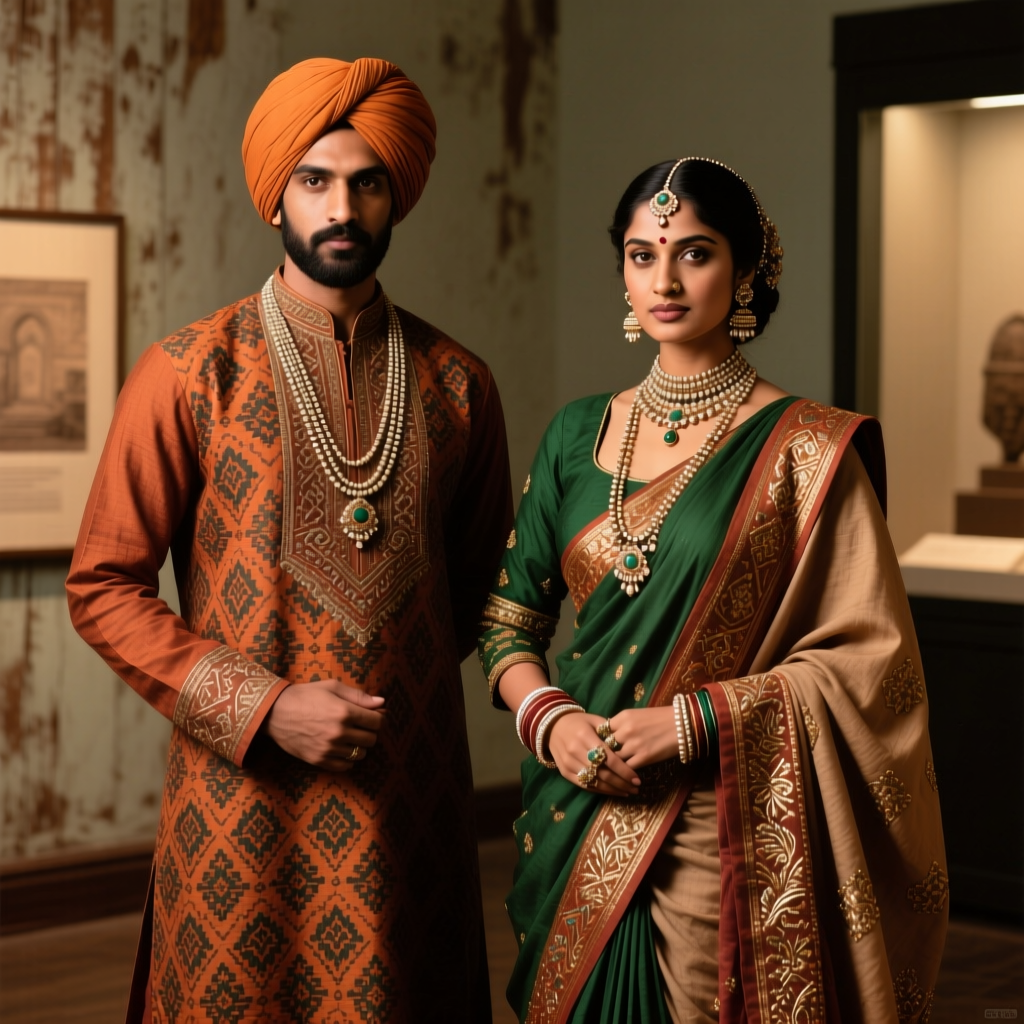
- Indian Lehenga: Heavily embroidered skirt and blouse in red or gold, often weighing 10-15 kg with zardozi gold thread work
- Japanese Shiromuku: Pure white silk kimono symbolizing the bride's willingness to be "dyed" in her new family's customs
- Korean Hwarot: Green and red ceremonial robe with embroidered symbols of longevity and prosperity
European Bridal Heritage
The white wedding dress became popular after Queen Victoria's 1840 wedding, but European traditions are far more diverse. Norwegian brides wear bunad (regional folk costume) with elaborate silver jewelry. Greek brides traditionally wear red, and many Eastern European brides incorporate embroidered folk elements.
African Bridal Splendor
Yoruba brides wear matching aso-oke (hand-woven cloth) with the groom. Ethiopian brides don the kemis, a white cotton dress with intricate embroidery. Nigerian brides from different ethnic groups each have distinctive bridal wear, from Igbo coral bead ensembles to Hausa henna-adorned looks.
Middle Eastern Elegance
Lebanese brides often wear Western-style gowns for the ceremony and change into traditional thobes for the reception. Palestinian brides wear embroidered tatreez dresses, with patterns specific to their village of origin.