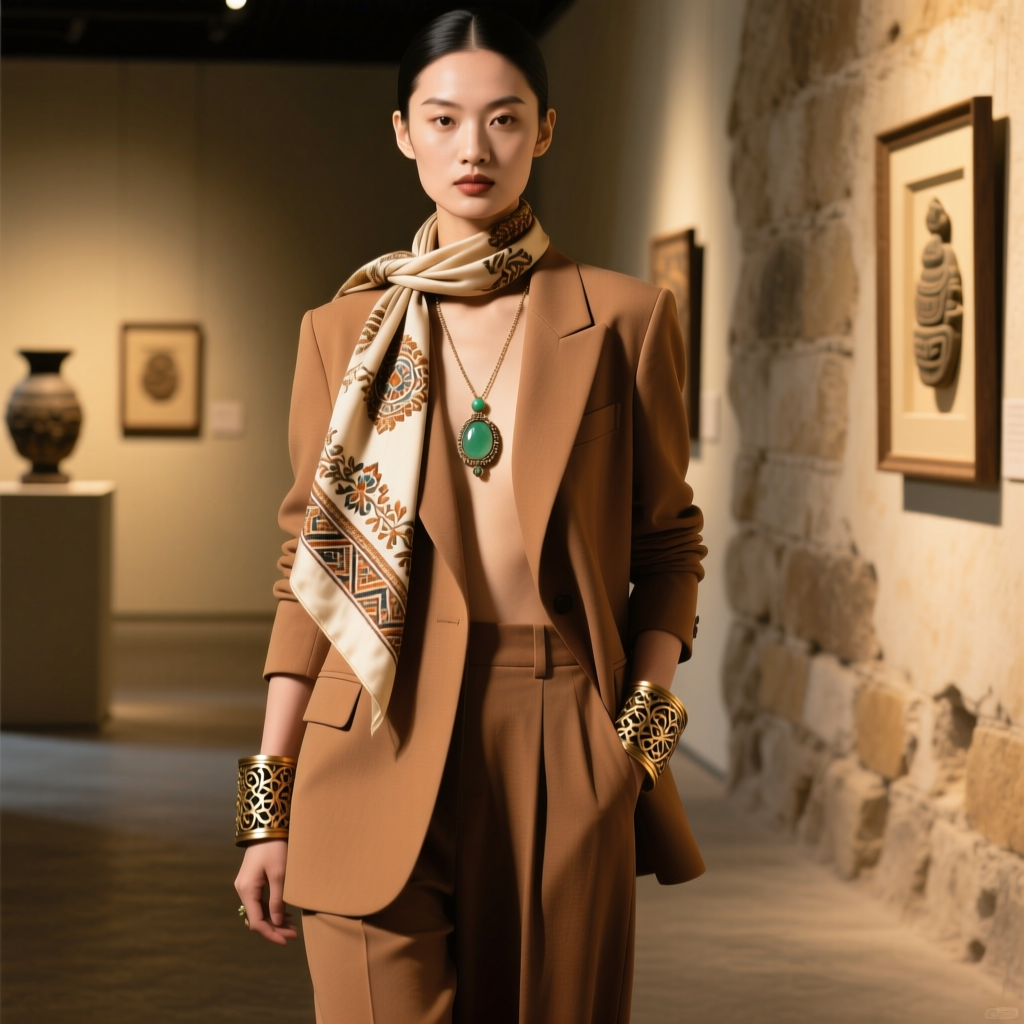
The Art of Accessorizing Traditional Dress: A Complete Styling Guide
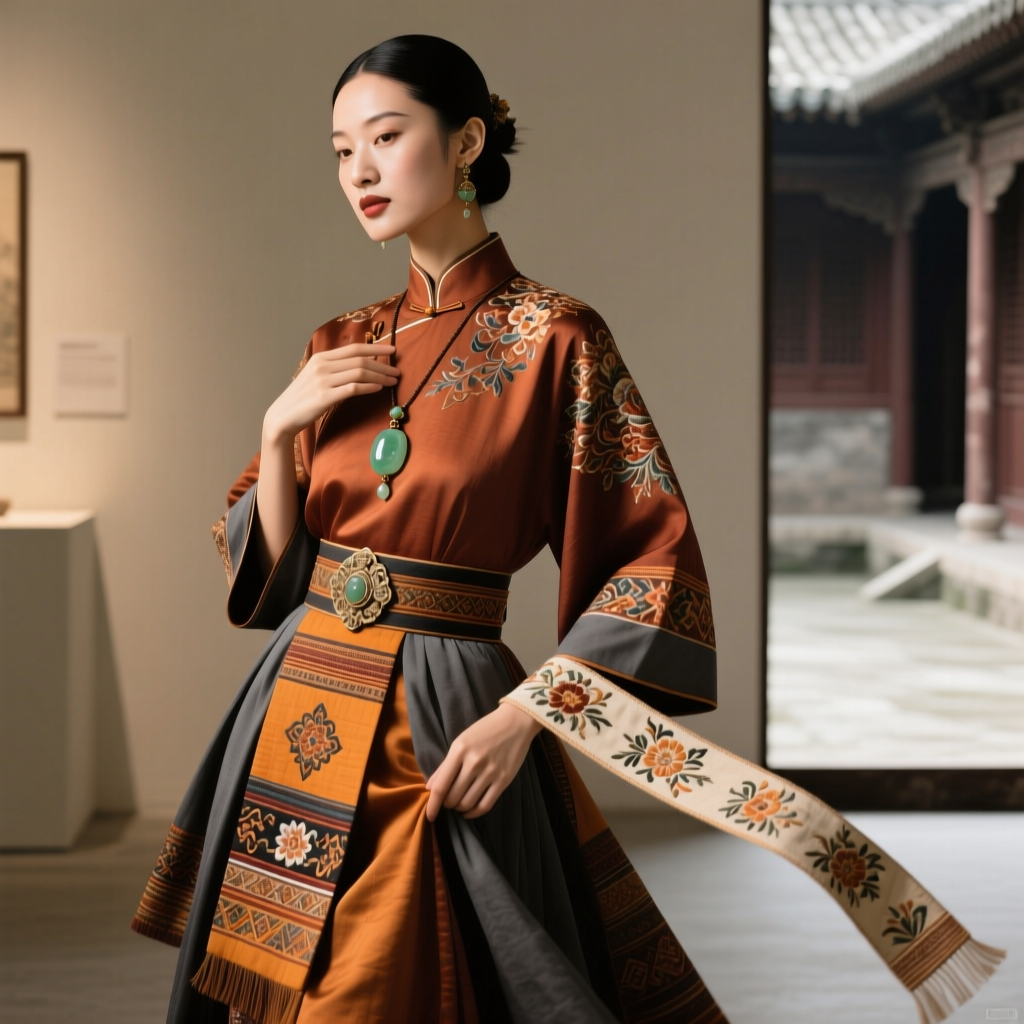
Traditional dress is far more than mere clothing; it is a woven tapestry of history, identity, & artistry. From the intricate silk threads of a Japanese kimono to the vibrant, geometric patterns of a Mexican huipil, heritage garments tell the stories of the people who crafted them. However, a traditional outfit is rarely complete without its accompanying accessories. The right jewelry, headpieces, sashes, & footwear do not just complement the garment—they elevate it, transforming a beautiful piece of clothing into a profound cultural statement.
Whether you are preparing for a grand cultural festival, a traditional wedding, or simply looking to infuse your everyday wardrobe with elements of your heritage, mastering the art of accessorizing is essential. This comprehensive guide will walk you through the essential accessories for traditional dress, offer practical styling tips, & provide a buyer’s guide to help you source authentic, ethically made pieces. For a deeper dive into the garments themselves, be sure to explore our extensive garment guides & cultural heritage archives.
Essential Accessories for Cultural Attire
The world of traditional accessories is vast, varying dramatically from region to region. Yet, certain categories of adornment remain universally significant across global cultures. Understanding these foundational pieces is the first step toward mastering heritage styling.
Jewelry & Body Adornment
Jewelry is often the most prominent accessory in traditional dress, serving as both a decorative element & a symbol of social status, marital standing, or spiritual protection. In South Asian attire, such as the saree or lehenga, jewelry sets (including maang tikkas, jhumkas, & heavy chokers) are indispensable. You can learn more about the elegant draping of these garments in our saree draping styles guide. Meanwhile, in many African cultures, beadwork carries deep communicative value. The vibrant, layered necklaces & bracelets found in West African beadwork or Maasai traditions are not just beautiful; they denote age, social standing, & clan identity.
Headpieces & Hair Ornaments
The crown of a traditional outfit often lies in its headpiece. In Spanish & Latin American cultures, the mantilla veil & ornate peineta (tortoiseshell comb) are vital for formal & religious ceremonies. In East Asian traditions, intricate hairpins made of jade, silver, or gold were historically used to secure elaborate updos, with specific motifs denoting the wearer's rank. Today, floral hair vines, jeweled tiaras, & embroidered headwraps (such as the West African gele) remain powerful focal points that frame the face & draw the eye upward.
Sashes, Belts, & Wraps
Many traditional garments rely on sashes or belts to create structure & silhouette. The most famous example is the obi, the wide, intricately woven belt used in kimono anatomy to secure the wrap dress & display artistic motifs on the back. Similarly, in Andean cultures, the chumpi (a handwoven belt) is essential for securing skirts & carrying tools, showcasing the incredible weaving techniques detailed in our Andean textiles archive.
Footwear
Traditional footwear is designed to complement the hemline & movement of heritage garments. From the curved-toe juttis & mojris of the Indian subcontinent to the elevated wooden geta of Japan & the intricately embroidered leather boots of Eastern Europe, heritage footwear grounds the outfit in authenticity while providing a unique stylistic flair.
Styling Tips for Balancing Tradition & Modernity
Wearing traditional accessories requires a careful eye for balance. The goal is to honor the cultural weight of the pieces while ensuring your overall look remains cohesive, comfortable, & aesthetically pleasing.
The Rule of Proportion & Visual Weight
When styling heavily embroidered or patterned traditional garments, it is crucial to balance the visual weight of your accessories. If you are wearing a heavily embellished bridal lehenga or a densely brocaded kimono, opt for jewelry that complements rather than competes. A massive, heavily beaded necklace might clash with a high, embroidered neckline. Instead, draw attention to your face with statement earrings & a maang tikka, leaving the neck bare. Conversely, if your garment is made of a solid, unembellished fabric, you have the freedom to layer heavy, chunky heritage necklaces & stacked bangles.
Color Coordination & Contrast
Traditional styling often embraces bold, contrasting colors, a technique known as color-blocking. Rather than trying to perfectly match your gold jewelry to the gold thread in your dress, consider the undertones. Pairing warm, yellow-gold accessories with cool, jewel-toned fabrics like emerald green or sapphire blue creates a striking, regal contrast. When working with multi-colored garments, pick one secondary color from the fabric's pattern & use your accessories to highlight that specific hue.
Mixing Metals & Textures
While modern Western fashion rules once dictated that you must stick to one metal, traditional styling has long embraced the mixing of textures & materials. Do not be afraid to pair oxidized silver with vibrant turquoise, or to mix gold with pearls, coral, & enamel (meenakari). The juxtaposition of matte, hammered metals against high-shine silk fabrics adds depth & richness to your ensemble.
Choosing Accessories for Different Occasions
The context of your event should heavily dictate the scale, material, & formality of your traditional accessories.
Weddings & Grand Festivals
For weddings, Diwali, Eid, or grand cultural galas, maximalism is often celebrated. This is the time to bring out family heirlooms, heavy polki or kundan jewelry, & intricate headpieces. Layering is key; stack your bangles, wear an upper arm band (bajuband), & ensure your footwear is heavily embroidered. The objective is to project grandeur, joy, & celebration.
Community Gatherings & Religious Ceremonies
For temple visits, community meetings, or daytime cultural festivals, modesty & comfort take precedence. Opt for mid-weight jewelry that will not cause fatigue over long hours. A simple, elegant pendant necklace, modest stud earrings, & a comfortable pair of leather juttis or flats are ideal. Choose breathable, natural fabrics for your wraps & sashes to ensure you remain comfortable in varying temperatures.
Everyday Elegance & Subtle Nods
You do not need a grand occasion to wear traditional accessories. For everyday wear, focus on subtle, minimalist heritage pieces. A pair of small, oxidized silver hoops, a single hand-carved jade bangle, or a silk scarf tied around the neck or handbag can beautifully nod to your cultural roots without overwhelming a casual outfit.
Modern Adaptations of Heritage Accessories
One of the most exciting movements in contemporary fashion is the fusion of traditional accessories with modern, Western silhouettes. This approach not only keeps heritage crafts alive but also allows for deeply personal, unique styling.
Fusion Fashion: Pairing Heritage with Contemporary Cuts
Imagine pairing a heavy, vintage Navajo turquoise squash blossom necklace with a crisp, white button-down shirt & tailored denim. The contrast between the rugged, historical weight of the Navajo silversmithing & the clean lines of modern workwear creates a stunning, fashion-forward look. Similarly, traditional silk obis can be repurposed as wide statement belts over modern trench coats or tailored blazers, instantly transforming a standard outerwear piece into a work of art.
Repurposing Family Heirlooms
If you have inherited traditional jewelry that feels too heavy or dated for your current lifestyle, consider consulting a skilled jeweler to repurpose the elements. Vintage brooches can be converted into hairpins or pendants. Heavy, multi-strand necklaces can be restrung into delicate, layered chains. This allows you to carry the sentimental & cultural weight of your ancestors in a way that aligns with your daily aesthetic.
A Buyer’s Guide to Authentic Traditional Accessories
As global interest in cultural fashion grows, so does the market for mass-produced, inauthentic imitations. When investing in traditional accessories, it is vital to prioritize authenticity, ethical sourcing, & quality craftsmanship.
Identifying Authentic Craftsmanship
Authentic traditional accessories bear the marks of human hands. Look for slight asymmetries in beadwork, the natural variations in hand-cut gemstones, & the unique patina of hand-forged metals. Mass-produced items will often feature perfectly uniform, machine-stamped patterns & synthetic materials. When buying textiles like sashes or headwraps, examine the weave; true handwoven pieces will have a distinct texture & tension that machines cannot replicate.
Supporting Artisans & Ethical Sourcing
The most meaningful way to acquire traditional accessories is directly from the artisans or through certified fair-trade cooperatives. Purchasing directly from indigenous makers ensures that the cultural custodians are fairly compensated for their labor & that the traditional techniques are financially supported. Avoid fast-fashion retailers that appropriate sacred or culturally significant motifs without attribution or compensation to the source communities.
Understanding Material Hallmarks
When investing in heritage metalwork, familiarize yourself with regional hallmarks & material standards. For example, authentic Mexican Taxco silver will bear specific eagle stamps & maker's marks. Understanding these hallmarks protects you from purchasing plated metals disguised as solid silver or gold, ensuring your investment retains its value & historical integrity.
Frequently Asked Questions
How do I ensure I am wearing cultural accessories respectfully?
Respect begins with education. Research the cultural significance, history, & proper way to wear the accessory. Some items, like certain Native American headdresses or specific religious symbols, are sacred & should never be worn as fashion statements by those outside the culture. When in doubt, purchase from authentic makers, ask questions about the item's significance, & wear it with an understanding of its heritage rather than as a mere costume piece.
Can I mix accessories from different traditional cultures?
While fashion is inherently about personal expression, mixing sacred or highly specific cultural items from different marginalized groups can sometimes blur into cultural appropriation or create a disjointed, costume-like appearance. A safer & more respectful approach is to anchor your outfit in one specific cultural tradition, or to mix traditional accessories from your own heritage with modern, culturally neutral garments.
What is the best way to store and preserve vintage heritage jewelry?
Vintage & antique traditional jewelry should be stored in a cool, dry place away from direct sunlight, which can fade gemstones & damage enamel work. Keep pieces in individual soft cloth pouches or acid-free tissue paper to prevent metals from scratching one another & to slow down the oxidation process. For pieces featuring natural pearls or coral, avoid airtight plastic bags, as these organic gems require a slight amount of moisture to prevent cracking.
How can I incorporate traditional accessories into a Western business wardrobe?
The key to incorporating heritage pieces into a corporate environment is subtlety & refinement. Swap standard pearl studs for small, traditional gold filigree earrings. Replace a standard leather belt with a finely woven, understated heritage sash. A vintage silk scarf tied neatly at the neck or around the handle of a structured leather briefcase adds a touch of cultural elegance without violating conservative corporate dress codes.
Where can I find authentic, ethically made traditional accessories?
Authentic accessories are best sourced from specialized cultural boutiques, artisan markets, & verified fair-trade online platforms. Look for organizations that explicitly state their partnerships with local cooperatives & indigenous artisans. Museums with dedicated cultural gift shops, as well as specialized style & heritage curators, are also excellent resources for finding high-quality, ethically sourced traditional adornments.