Traditional Dress Wear for Women: A Complete Styling Guide

There is something profoundly powerful about slipping into a garment that carries centuries of history, craftsmanship, and cultural identity. Traditional dress wear for women spans every corner of the globe — from the flowing silk sarees of India and the elegant cheongsam of China to the vibrant dirndl of Bavaria and the intricately embroidered huipil of Central America. Each piece tells a story, woven into its fabric, stitching, and silhouette.
In an era of fast fashion and fleeting trends, traditional garments offer something rare: timelessness. They connect us to our roots, celebrate artisanal skill, and provide a wardrobe foundation that transcends seasons. Whether you are reconnecting with your heritage, attending a cultural celebration, or simply drawn to the beauty of these garments, this guide will help you style traditional dress wear with both respect and modern flair.
Below, we explore styling principles, accessory pairings, occasion-specific advice, modern adaptations, and a comprehensive buying guide to help you build a collection that honors tradition while fitting seamlessly into your life today.
Understanding Traditional Dress: Silhouettes, Fabrics & Cultural Significance
Before diving into styling, it is essential to understand what makes traditional dress so distinctive. These garments are rarely arbitrary in their design. Every element — from the cut of the neckline to the choice of dye — often carries symbolic meaning rooted in cultural heritage.
Silhouettes That Define Identity
Traditional dress silhouettes vary dramatically across cultures. The Japanese kimono features a T-shaped, straight-lined robe wrapped left over right and secured with an obi sash. The West African boubou is a flowing, wide-sleeved gown that drapes elegantly over the body. The South Asian salwar kameez pairs a tunic with tapered trousers and a dupatta scarf. Each silhouette reflects the climate, social structures, and aesthetic values of its culture of origin.
Fabrics With Purpose
Traditional garments are typically crafted from materials native to their region. Silk dominates East and South Asian dress, while linen and cotton are prevalent in Mediterranean and African traditions. Wool features heavily in Scandinavian and Andean clothing, and handwoven textiles like ikat, kente cloth, and batik are prized for their labor-intensive production methods.
Understanding these fabrics helps you care for your garments properly and appreciate their value. Natural fibers breathe differently, drape differently, and age differently than synthetics — qualities that contribute to the living character of traditional dress.
Color & Pattern as Language
In many cultures, color and pattern communicate status, marital availability, regional identity, or ceremonial purpose. Red in Chinese tradition symbolizes luck and prosperity. Indigo in West African textiles often represents wealth and spiritual protection. White in many Western traditions is reserved for weddings, while in several East Asian cultures, it is associated with mourning. Learning these nuances enriches your relationship with the garment and ensures you wear it with appropriate context.
Styling Traditional Dress for Modern Wardrobes
One of the most common questions women ask is how to incorporate traditional dress into everyday or contemporary wardrobes without looking costumey. The key lies in thoughtful pairing, proportion balancing, and selective styling.
Mix Heritage Pieces With Contemporary Basics
A beautifully embroidered Ukrainian vyshyvanka blouse pairs effortlessly with modern high-waisted jeans and ankle boots. A silk Chinese qipao top can be worn with tailored trousers for a sophisticated office look. The contrast between traditional craftsmanship and modern minimalism creates a balanced outfit that feels intentional rather than theatrical.
When mixing eras, let the traditional piece be the focal point. Keep surrounding garments neutral in color and simple in silhouette. A heavily patterned saree blouse, for example, looks stunning against a solid-colored skirt or pair of wide-leg pants.
Play With Proportions
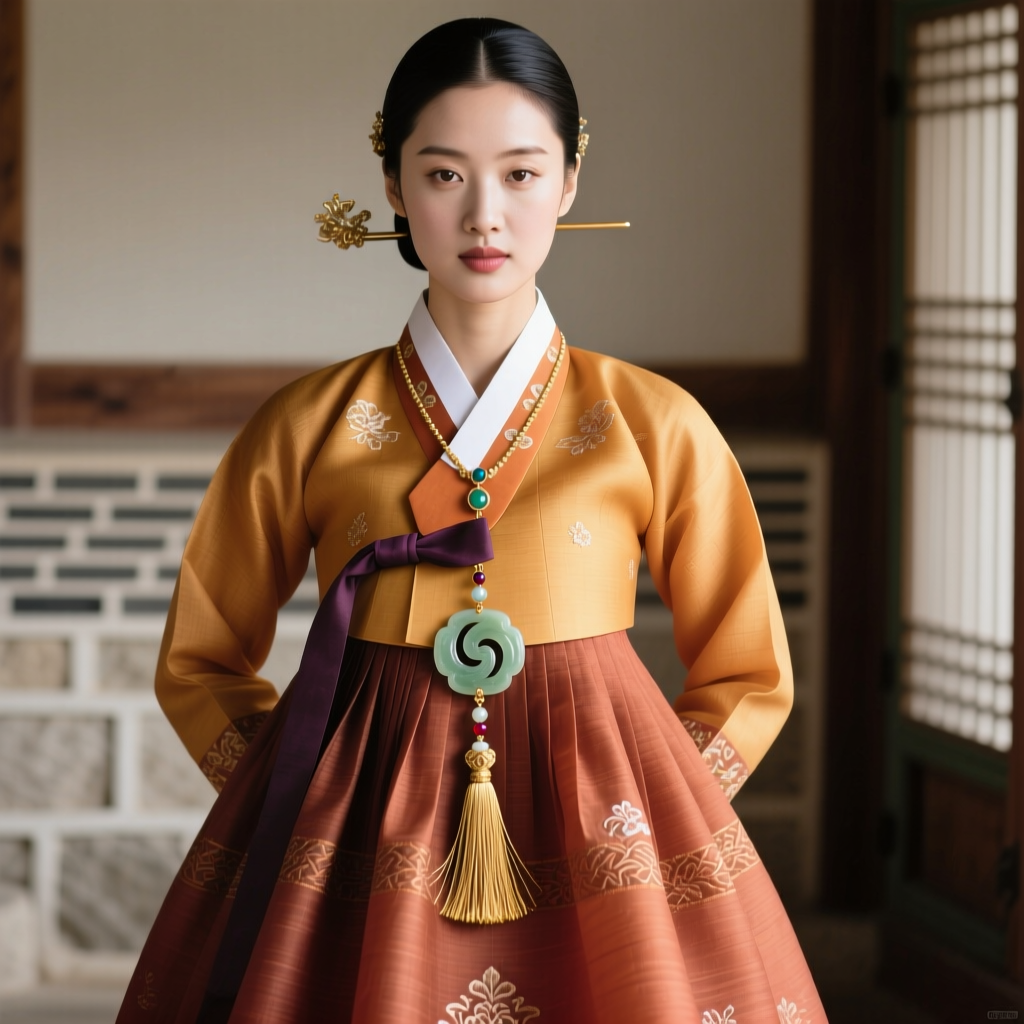
Many traditional garments are voluminous by design — think of the Moroccan kaftan, the Korean hanbok, or the Mexican puebla dress. To avoid being overwhelmed by fabric, cinch the waist with a belt, tuck excess material, or layer with fitted pieces underneath or on top. A structured blazer over a flowing huipil creates a striking silhouette that works for creative professional settings.
Layering for Versatility
Layering is your most powerful tool for adapting traditional dress to different climates and occasions. A sleeveless embroidered dress can be worn over a turtleneck in cooler months or alone in summer. A traditional shawl or rebozo adds warmth and visual interest while honoring the garment's intended styling. Explore our shawls and wraps guide for more layering ideas rooted in global tradition.
Accessorizing Traditional Dress: Jewelry, Footwear & Finishing Touches
Accessories can elevate a traditional outfit from beautiful to breathtaking — or overwhelm it entirely. The guiding principle is harmony: let your accessories complement rather than compete with the garment.
Jewelry: Match the Metal to the Embroidery
Many traditional dresses feature metallic thread work. If your garment includes gold embroidery, gold jewelry will create a cohesive look. Silver-threaded fabrics pair naturally with silver or white gold accessories. When the dress itself is heavily embellished, opt for minimal jewelry — perhaps a single statement ring or a pair of understated studs. When the garment is simpler, bolder traditional jewelry such as jhumka earrings, Berber silver pendants, or jade bangles can add cultural depth.
Footwear: Balance Tradition With Comfort
The right footwear grounds your outfit — literally and figuratively. For formal events, embroidered heels or beaded sandals echo the craftsmanship of your dress. For everyday wear, clean leather flats, minimalist sneakers, or simple ankle boots keep the look contemporary and comfortable. Avoid athletic shoes with delicate silk garments, as the visual weight clash can be jarring.
Hair, Makeup & Bags
Your overall presentation should feel unified. An ornate traditional gown calls for a polished updo and refined makeup, while a casual embroidered tunic invites relaxed waves and a natural face. Choose bags that respect the formality of the outfit: a beaded clutch for evening, a structured leather handbag for daytime, or a woven basket bag for outdoor cultural festivals.
Wearing Traditional Dress for Every Occasion
Traditional dress is remarkably versatile when styled with intention. Here is how to adapt these garments for the moments that matter most.
Weddings & Formal Celebrations
Weddings are perhaps the most common occasion for wearing traditional dress, whether you are the bride, a member of the wedding party, or a guest. For brides, a lehenga, qipao, or embroidered gown offers a stunning alternative to the Western white dress. Guests should consider the couple's cultural background and dress respectfully — when in doubt, ask about any dress code expectations or consult our wedding traditions guide.
Festivals & Cultural Events
Cultural festivals are the perfect environment for wearing traditional dress in its fullest expression. Diwali, Lunar New Year, Oktoberfest, Eid, and countless other celebrations welcome — and often encourage — traditional attire. This is the occasion to go all out: full ensemble, traditional jewelry, styled hair, and complementary accessories. Learn more about festival dress traditions from around the world.
Professional & Office Settings
Traditional dress can absolutely work in professional environments when styled thoughtfully. Choose garments with clean lines and moderate volume. A mandarin-collar blouse, a knee-length embroidered dress, or a tailored tunic with trousers all communicate professionalism while celebrating heritage. Stick to subdued colors and minimal accessories in conservative workplaces, and save bolder patterns for creative industries.
Casual & Everyday Wear
You do not need a special occasion to wear traditional dress. A cotton kurta with jeans, a simple embroidered blouse with a midi skirt, or a lightweight sarong as a beach cover-up are all ways to weave heritage into daily life. The more you wear these pieces, the more naturally they integrate into your personal style identity.
Modern Adaptations: How Designers Are Reimagining Traditional Dress
The fashion world has seen a surge in designers who honor traditional dress while reimagining it for contemporary life. These adaptations make heritage garments more accessible, wearable, and relevant without erasing their cultural roots.
Fusion Silhouettes
Fusion fashion blends elements from multiple traditions or combines traditional motifs with modern cuts. A saree-drape gown, a kimono-style jacket paired with Western tailoring, or an African-print pencil skirt are all examples of fusion done well. The key to successful fusion is deep respect for the source material — the best designers study traditional construction methods before altering them.
Sustainable & Artisan-Supporting Brands
Many modern consumers are drawn to traditional dress as part of a broader commitment to sustainable fashion. Handwoven, naturally dyed, and artisan-made garments represent the antithesis of fast fashion. Supporting brands that work directly with artisan communities ensures that traditional skills — from block printing to hand embroidery — survive for future generations.
Customization & Personal Expression
Modern technology has made it easier than ever to commission custom traditional garments. Many artisans and small studios offer made-to-measure services online, allowing you to choose fabrics, colors, and embroidery patterns that reflect your personal taste while honoring traditional techniques. This approach yields garments that fit perfectly and carry personal meaning.
Buying Guide: How to Choose & Care for Traditional Dress
Investing in traditional dress requires knowledge and care. These garments are often handmade, delicate, and culturally significant — treat your purchases accordingly.
Where to Buy
- Specialty boutiques: Seek out stores that specialize in specific cultural garments. Staff at these shops can often provide styling advice and cultural context.
- Artisan markets: Travel markets and cultural festivals frequently feature authentic handmade pieces directly from artisans.
- Online platforms: Reputable online retailers that partner with artisan cooperatives offer global access to traditional garments. Look for transparency about sourcing and production.
- Vintage & estate sales: Older traditional garments often feature superior craftsmanship and unique designs no longer in production.
What to Look For
Examine the quality of stitching, the authenticity of materials, and the integrity of any embellishments. Hand-embroidered pieces will show slight irregularities — these are marks of authenticity, not flaws. Check that zippers, buttons, and closures function smoothly. For vintage pieces, inspect for fabric weakness, staining, or moth damage.
Sizing & Fit
Traditional garments often follow different sizing conventions than Western ready-to-wear. Many are designed to be wrapped, tied, or draped rather than fitted to exact measurements. When ordering online, compare your measurements to the garment's specific size chart rather than relying on standard sizing labels. Allow extra room for garments meant to be layered.
Care & Maintenance
- Silk garments: Dry clean or hand wash in cold water with a gentle detergent. Never wring silk — roll it in a towel to absorb moisture and lay flat to dry.
- Embroidered pieces: Turn inside out before washing. Avoid bleach and harsh chemicals that can damage thread work.
- Storage: Store traditional garments in breathable garment bags. Use acid-free tissue paper to stuff sleeves and maintain shape. Avoid wire hangers for heavy garments.
- Ironing: Use the appropriate heat setting for the fabric. Place a pressing cloth between the iron and any embroidery or metallic thread to prevent scorching.
Frequently Asked Questions
Is it appropriate to wear traditional dress from a culture that is not my own?
This is one of the most important questions in modern fashion. The general consensus among cultural experts is that wearing traditional dress from another culture is acceptable when done with genuine respect, understanding, and appropriate context. Attend a cultural celebration as an invited guest? Wearing traditional dress is often welcomed and appreciated. Wearing a sacred ceremonial garment as a costume at a party? That crosses into appropriation. Always research the cultural significance of a garment, purchase from artisans of that culture when possible, and be open to learning. Our cultural appreciation guide offers deeper insight into this nuanced topic.
How do I style traditional dress without looking like I am wearing a costume?
The distinction between wearing traditional dress with style and appearing costumey lies in confidence, context, and styling choices. Avoid wearing every traditional element at once — instead, anchor your outfit with one heritage piece and build around it with contemporary items. Wear the garment with confidence rather than self-consciousness. Ensure it fits well and is appropriate for the occasion. When you treat traditional dress as a natural part of your wardrobe rather than a novelty, others will perceive it the same way.
Can traditional dress be altered or tailored?
Yes, but with caution. Simple alterations like hemming, taking in side seams, or adjusting sleeve length are generally safe. However, avoid altering elements that carry cultural significance — such as removing traditional closures, changing the fundamental silhouette, or cutting away embroidered panels. If you are unsure, consult a tailor who has experience with traditional garments or reach out to the artisan who made the piece. Some traditional garments, like wrapped styles, are designed to be adjustable without any alteration at all.
What are the best fabrics for traditional dress in warm climates?
Natural, breathable fabrics are ideal for warm weather. Cotton, linen, and lightweight silk allow air circulation and absorb moisture, keeping you cool. Many traditional garments from hot climates — such as the Indian kurta, the West African boubou, and the Southeast Asian sarong — were designed with these fabrics specifically for comfort in heat. Avoid synthetic blends that trap heat and moisture. For more on choosing climate-appropriate fabrics, see our natural fabrics guide.
How do I store traditional garments long-term?
Proper storage preserves traditional garments for decades. Clean garments before storing — even invisible stains can yellow over time. Use padded or wooden hangers for structured pieces, and fold delicate items with acid-free tissue paper to prevent creasing. Store in a cool, dry place away from direct sunlight, which fades dyes. Check stored garments every few months for signs of pests or moisture damage. For heirloom pieces, consider archival-quality storage boxes designed for textile preservation.
Traditional dress wear for women is far more than clothing — it is a living archive of human creativity, identity, and belonging. By styling these garments with knowledge, respect, and personal flair, you participate in a global conversation that spans generations. Whether you are draping a saree for the first time, fastening the buttons of a vintage cheongsam, or wrapping yourself in a handwoven shawl, you are carrying forward a story that deserves to be told. Explore our full collection of garment guides and cultural heritage resources to continue your journey through the rich world of traditional dress.