Korean Traditional Dress Accessories: A Complete Styling Guide to Hanbok Accents
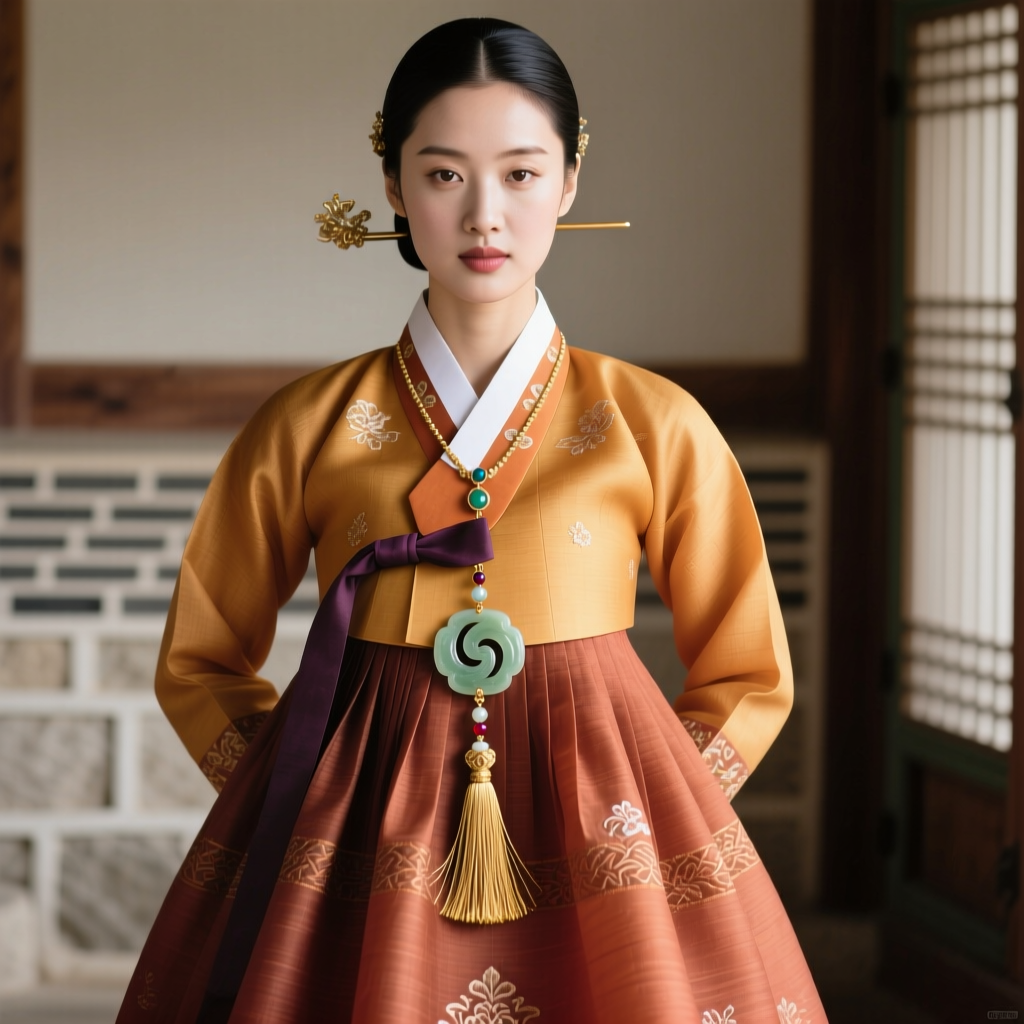
Korean traditional dress, known as hanbok, is a masterpiece of color, silhouette, and symbolism. Yet the true elegance of hanbok lies not only in its flowing lines and vibrant fabrics but in the exquisite accessories that complete each ensemble. From the delicate norigae pendants that sway with every step to the ornamental hairpins that crown a carefully styled coiffure, Korean traditional dress accessories carry centuries of cultural meaning, social signaling, and artistic craftsmanship.
Whether you are preparing for a cultural celebration, attending a wedding, exploring Asian traditional dress styles, or simply deepening your appreciation for global fashion heritage, understanding these accessories transforms how you wear and experience hanbok. This guide walks you through the essential pieces, styling strategies, occasion-based pairings, and modern adaptations that keep this living tradition vibrant and relevant.
Essential Korean Traditional Dress Accessories You Should Know
The world of hanbok accessories is rich and varied, with each piece serving both a functional and decorative purpose. Understanding these foundational items is the first step toward building an authentic and beautifully styled ensemble.
Norigae (노리개) — The Pendant Ornament
The norigae is perhaps the most iconic of all Korean traditional dress accessories. Worn suspended from the goreum (the long ribbon bow that ties the jeogori, or upper garment), the norigae is a pendant that combines braided silk cords, decorative knots, and ornamental charms. Historically, norigae indicated a woman's social status and were often passed down through generations as family heirlooms.
Norigae designs vary enormously. Some feature jade, coral, or amber pendants, while others showcase intricate metalwork in gold or silver. The silk cord itself is an art form, with complex knotting techniques called maedeup that can take years to master. Common motifs include butterflies (symbolizing marital harmony), bats (representing good fortune), and peaches (signifying longevity).
Binyeo (비녀) — The Ornamental Hairpin
The binyeo is a long ornamental hairpin used to secure and decorate a woman's chignon, known as a jjokjin meori. Traditionally, the binyeo served as a marker of marital status: unmarried women wore their hair in braids adorned with a daenggi (ribbon), while married women pinned their hair up with a binyeo to signal their new role.
Binyeo are crafted from materials ranging from wood and bone to jade, gold, and silver. The head of the pin often features elaborate designs — dragons, phoenixes, flowers, or auspicious symbols. For formal occasions, married women of higher social standing wore binyeo made of precious metals and gemstones, while everyday versions were simpler and more understated.
Daenggi (댕기) — The Hair Ribbon
The daenggi is a decorative ribbon tied at the end of a long braid, traditionally worn by unmarried women and young girls. Made of silk or satin, daenggi come in various widths and colors, with red being the most common for young women. Some daenggi feature embroidered patterns of flowers, clouds, or geometric designs.
For ceremonial occasions such as a child's first birthday celebration (doljanchi), special daenggi are used that are wider and more elaborately decorated. The apdaenggi and doturakdaenggi are specific types worn during formal ceremonies, each with distinct shapes and tying methods that add layers of visual interest to the hairstyle.
Jokduri (족두리) and Hwagwan (화관) — Ceremonial Crowns
For the most formal occasions, Korean women adorned their hair with crowns and coronets. The jokduri is a small, black silk crown worn by brides and married women during ceremonies. It is typically decorated with gold leaf, jewels, and dangling ornaments that frame the face beautifully.
The hwagwan is a more elaborate floral crown worn by brides and court ladies. Covered in silk flowers, beads, and metallic ornaments, the hwagwan is a breathtaking centerpiece that elevates the entire hanbok ensemble to its most ceremonial expression. Both pieces connect to broader traditions explored in our Korean hanbok history guide.
Gat (갓) and Tanggeon (탕건) — Men's Headwear
Men's hanbok accessories center heavily on headwear. The gat is a wide-brimmed hat made of horsehair and bamboo, worn by noble men (yangban) during the Joseon Dynasty. Its translucent black mesh crown and sweeping brim create a silhouette that is instantly recognizable and deeply symbolic of scholarly refinement.
Beneath the gat, men wore the tanggeon, a net-like cap made of horsehair that kept the topknot in place. For less formal occasions, the bokgeon (a cloth hood) or the jeongjagwan (a formal hat with wing-like extensions) served as alternatives. Each hat style communicated specific information about the wearer's rank, occupation, and the formality of the occasion.
Styling Korean Traditional Dress Accessories for Different Occasions
Knowing which accessories to pair with your hanbok depends heavily on the event, your role, and the level of formality required. Here is how to approach styling for the most common occasions where hanbok is worn.
Wedding Ceremonies
Korean weddings are among the most visually stunning occasions for hanbok. Brides typically wear a wonsam (a long ceremonial robe) or a hwalot (a heavily embroidered bridal robe) paired with a full set of accessories. The hwagwan or jokduri crowns the hairstyle, while multiple norigae hang from the goreum — sometimes three or more pendants of varying lengths create a cascading effect of color and movement.
The groom wears a samogwandae ensemble, complete with a samo (an official's hat with wing-like flaps) and a dalleong (a round-collared robe). A pumdae (rank belt) and black boots complete the look. For guests attending Korean weddings, simpler hanbok with a single elegant norigae and modest hair accessories strike the right balance between respect and restraint.
Seollal and Chuseok — Lunar New Year and Harvest Festival
During Korea's two most important holidays, families gather in hanbok to perform ancestral rites and celebrate together. These occasions call for cheerful, colorful accessories without the formality of wedding attire. Women and girls often wear vibrant daenggi in their braids, while a medium-sized norigae with jade or coral accents adds a festive touch to the jeogori.
Children's hanbok for these holidays is particularly charming, with bright saekdong (striped) sleeves and miniature accessories. A small jokduri for girls and a bokgeon for boys create adorable, photograph-ready ensembles that honor tradition while celebrating family bonds.
Tea Ceremonies and Cultural Events
When attending a traditional Korean tea ceremony or cultural performance, understated elegance is key. Choose a hanbok in muted, earthy tones and pair it with a simple jade norigae and a wooden or bone binyeo. The goal is to reflect the quiet refinement and mindfulness that these events embody. Explore more about traditional tea ceremony attire for additional styling inspiration.
Everyday and Casual Hanbok Wear
Modern hanbok enthusiasts increasingly wear simplified versions of traditional dress in daily life. For these casual contexts, accessories should be minimal and practical. A small, lightweight norigae in a contemporary color palette, a simple fabric headband inspired by traditional motifs, or a modern reinterpretation of the binyeo used as a hair accessory can bridge the gap between tradition and everyday wearability.
Modern Adaptations: Blending Tradition with Contemporary Style
The beauty of Korean traditional dress accessories lies in their adaptability. Contemporary designers and stylists have found inventive ways to incorporate these pieces into modern wardrobes, creating a dialogue between past and present that feels both respectful and refreshingly creative.
Norigae as Bag Charms and Jewelry
One of the most popular modern adaptations is using norigae as handbag charms, keychains, or even statement necklace pendants. The intricate knotwork and dangling ornaments translate beautifully to contemporary accessories, adding a touch of Korean heritage to everyday items. Many modern artisans create norigae-inspired pieces using contemporary materials like acrylic, resin, and mixed metals, making them accessible to a wider audience.
Binyeo as Modern Hair Accessories
The binyeo has found new life as a decorative hair stick in modern styling. Whether securing a messy bun, accenting a half-up hairstyle, or adding an elegant detail to bridal hair, binyeo-inspired hairpins offer a sophisticated alternative to Western hair accessories. Designers now create binyeo in minimalist styles with clean lines and subtle embellishments that complement both hanbok and contemporary clothing.
Fusion Accessories for Modern Hanbok
The rise of gaeryang hanbok (modernized hanbok) has spawned an entire category of fusion accessories. These include simplified goreum clips that replace traditional ribbon-tying, magnetic norigae brooches that attach easily without complex knotting, and headpieces that blend Western millinery techniques with Korean ornamental traditions. These innovations make hanbok more accessible to people who may not have been trained in traditional dressing techniques, a topic further explored in our hanbok wearing guide.
Accessorizing Western Clothing with Korean Elements
You do not need to wear a full hanbok to appreciate its accessories. A norigae pinned to a blazer lapel, a binyeo-style hair stick in an updo, or a daenggi-inspired silk scarf tied around the neck or wrist can infuse any outfit with Korean cultural elegance. This approach is particularly meaningful for members of the Korean diaspora who wish to carry elements of their heritage into their daily style.
Buying Guide: How to Choose and Source Korean Traditional Dress Accessories
Whether you are building your first hanbok accessory collection or adding to an existing set, knowing what to look for ensures you invest in pieces that are beautiful, authentic, and well-crafted.
Materials and Craftsmanship
Authentic hanbok accessories are defined by their materials and the skill with which they are made. When evaluating a norigae, examine the quality of the silk cord and the precision of the maedeup knots — they should be tight, symmetrical, and free of fraying. For binyeo and jokduri, look for clean metalwork, securely set stones, and smooth finishes that will not snag delicate fabrics or hair.
Higher-end pieces use natural materials: genuine jade, coral, amber, silk, and precious metals. Budget-friendly options may use synthetic alternatives that can still look attractive, but be aware of the difference in longevity and cultural authenticity. Handmade pieces from Korean artisans command higher prices but offer unmatched quality and cultural integrity.
Where to Buy
Several avenues exist for sourcing Korean traditional dress accessories:
- Insadong, Seoul: This famous cultural district is home to numerous shops specializing in traditional crafts, including handmade norigae, binyeo, and other hanbok accessories. Shopping here supports local artisans directly.
- Specialized Online Retailers: Several Korean e-commerce platforms and international sellers offer hanbok accessories. Look for sellers who provide detailed descriptions of materials, dimensions, and craftsmanship methods.
- Cultural Centers and Museums: Korean cultural centers worldwide often host workshops and sell accessories made by students and masters of traditional crafts. These are excellent sources for authentic, meaningful pieces.
- Custom Artisans: For wedding or ceremonial accessories, commissioning a custom piece from a Korean artisan ensures a perfect match with your hanbok and allows you to incorporate personal symbolism.
Price Ranges and Budgeting
Prices for Korean traditional dress accessories vary widely. Simple, mass-produced norigae can cost between $10 and $30, while handmade pieces with genuine jade and intricate knotwork range from $50 to $200 or more. Ceremonial crowns like jokduri and hwagwan start around $80 for basic versions and can exceed $500 for fully handcrafted, embellished pieces. Men's gat hats, being highly specialized craft items, typically range from $100 to $400 depending on the artisan and materials.
For those building a collection on a budget, start with a versatile norigae in a neutral color and a simple binyeo. These two pieces can elevate almost any hanbok ensemble and serve as a foundation for future additions.
Caring for Your Accessories
Proper care extends the life and beauty of your accessories. Store norigae flat or hanging in a dust-free environment to prevent the silk cords from tangling or degrading. Keep metal pieces in anti-tarnish pouches, and avoid exposing jade or coral elements to harsh chemicals or prolonged sunlight. Binyeo should be wiped clean after each use and stored in padded cases to protect delicate ornamental heads.
Frequently Asked Questions About Korean Traditional Dress Accessories
What is the most important accessory to wear with hanbok?
The norigae is widely considered the most essential accessory for women's hanbok. It serves as the focal point of the ensemble, drawing the eye to the goreum bow and adding movement, color, and symbolism to the outfit. For men, the appropriate hat — whether a gat, samo, or bokgeon — holds similar importance as it completes the silhouette and communicates social context. Understanding the role of each piece is part of the broader study of Korean clothing traditions and their cultural significance.
Can non-Korean individuals wear hanbok accessories respectfully?
Yes, wearing hanbok and its accessories is generally welcomed as an expression of appreciation for Korean culture, especially when done with respect and understanding. The key is to approach these items with genuine interest in their meaning rather than treating them as mere costume pieces. Learning about the symbolism behind each accessory, wearing them in appropriate contexts, and sourcing them from Korean artisans or reputable sellers demonstrates cultural respect and supports the continuation of these craft traditions.
How do I match norigae colors to my hanbok?
Traditional Korean aesthetics embrace both harmony and intentional contrast. A norigae can either complement the dominant color of your hanbok or provide a striking accent through complementary colors. For example, a jade-green norigae pairs beautifully with a pink or red jeogori, while a coral-toned pendant adds warmth to a blue or green upper garment. The principle of obangsaek (the five traditional colors — blue, red, yellow, white, and black) offers a reliable framework for creating visually balanced combinations. When in doubt, neutral-toned norigae with white, cream, or gold elements work with virtually any hanbok color scheme.
Are there differences in accessories for different seasons?
Traditionally, yes. Seasonal awareness is deeply embedded in Korean dress culture. In spring and summer, lighter materials and brighter colors were favored — think delicate silk norigae with floral motifs and lighter-weight daenggi. Autumn and winter called for richer, deeper colors and heavier accessories, including binyeo with darker stones and norigae featuring amber or deep jade. While modern wearers are not strictly bound by these conventions, aligning your accessories with the season adds an extra layer of intentionality and connection to the natural rhythms that Korean aesthetics celebrate.
What accessories do children wear with hanbok?
Children's hanbok accessories are charming miniature versions of adult pieces. Girls typically wear colorful daenggi in their braids, small norigae pinned to their jeogori, and for special occasions like doljanchi (first birthday), a decorated gulle (a decorative headpiece for infants and toddlers). Boys wear a bokgeon or a hogeon (a tiger-shaped hood worn by young boys for protection and good fortune). Children's accessories tend to be simpler and more durable than adult versions, designed to withstand active movement while still looking festive and culturally appropriate. For more on children's traditional dress across cultures, visit our children's traditional clothing guide.
Korean traditional dress accessories are far more than decorative afterthoughts — they are the finishing strokes that transform hanbok from beautiful clothing into a complete expression of culture, identity, and artistry. Whether you are drawn to the swaying elegance of a norigae, the refined authority of a gat, or the delicate charm of a child's daenggi, each piece invites you to participate in a living tradition that continues to evolve while honoring its profound roots. By choosing thoughtfully, wearing respectfully, and caring for these accessories with intention, you become part of the ongoing story of Korean sartorial heritage.