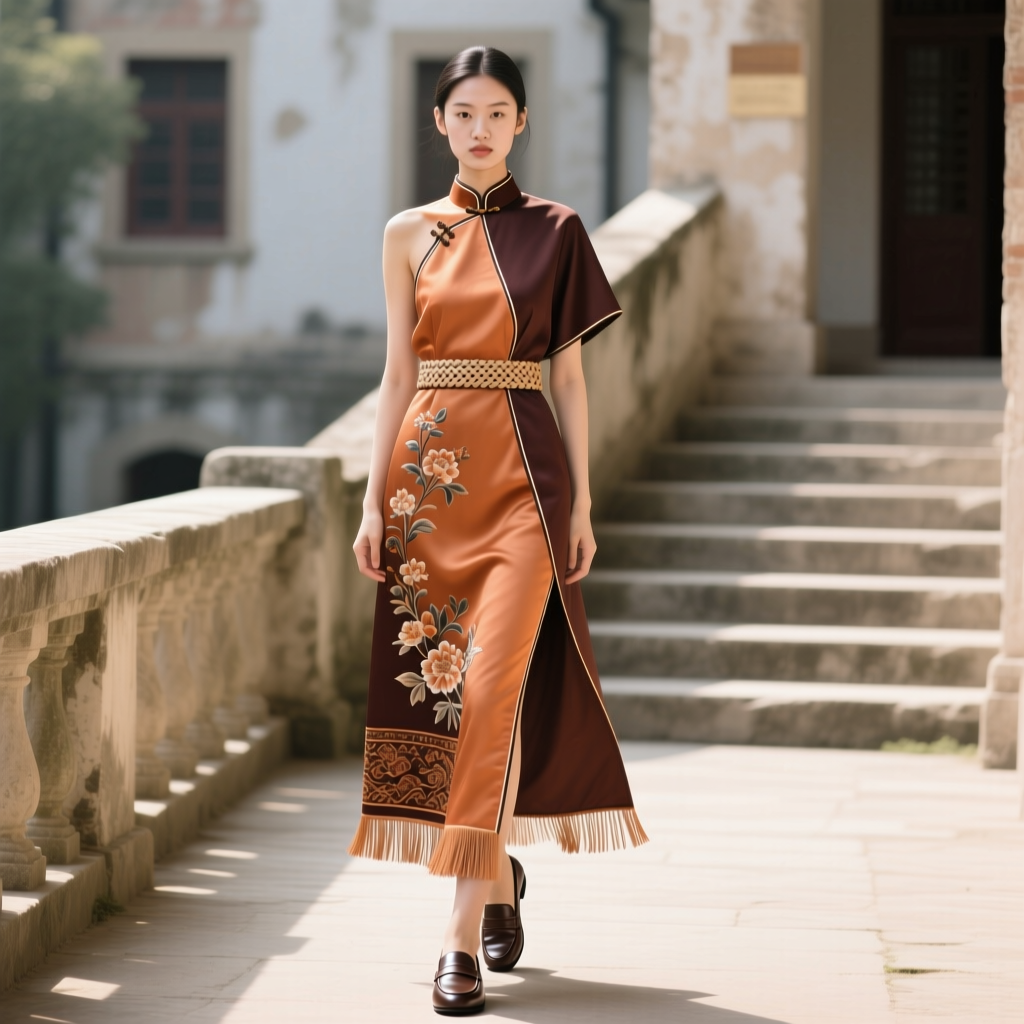
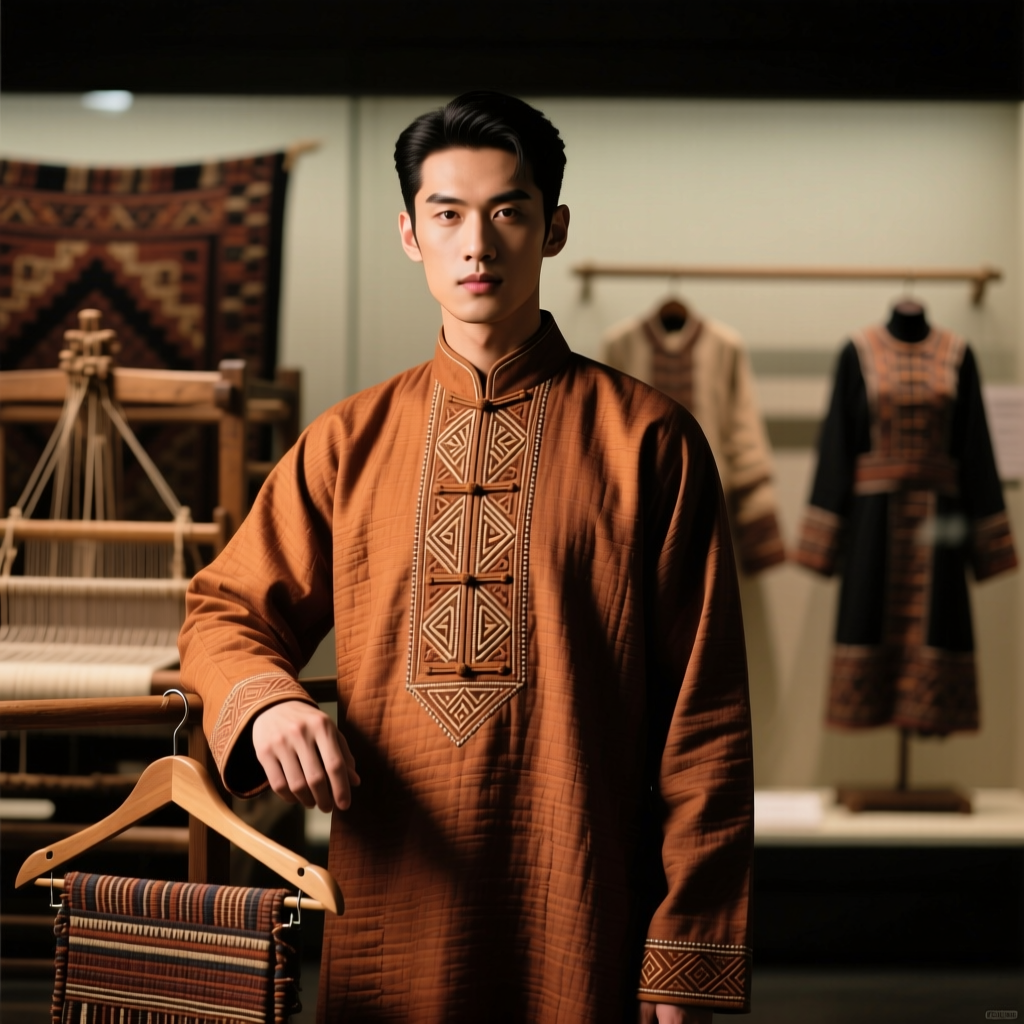
Traditional Dress in Thailand: A Complete Styling & Cultural Guide

There is a particular kind of magic that comes with draping yourself in the silk traditions of a culture that has perfected the art of textile-making over centuries. Thailand's traditional dress — collectively known as chut thai (ชุดไทย) — is far more than a costume. It is a living language of color, weave, and silhouette that communicates identity, region, occasion, and social grace. Whether you are attending a Thai wedding, visiting a temple in Chiang Mai, preparing for a cultural festival, or simply wish to incorporate Southeast Asian elegance into your wardrobe, understanding the nuances of traditional Thai dress will transform the way you approach these extraordinary garments.
From the shimmering mudmee silks of Isan to the refined court dress of the Rattanakosin era, Thailand's sartorial heritage is astonishingly diverse. This guide will walk you through the essential styles, how to wear them with confidence, where to source authentic pieces, and how to honor the cultural significance woven into every thread. If you are new to exploring global garment traditions, our cultural heritage collection offers a broader look at how clothing shapes identity around the world.
Understanding the Foundations of Traditional Thai Dress
Before diving into styling, it helps to understand the core components that make up traditional Thai clothing. Unlike Western fashion, which is built around tailored cuts and structured seams, traditional Thai dress is fundamentally based on wrapped, draped, and tied garments. This means that fit is inherently flexible and adjustable — a quality that makes these pieces remarkably accessible across body types.
The foundational wardrobe of chut thai typically includes the following elements:
- Pha Nung (ผ้านุ่ง) — A wrapped lower garment, similar to a long skirt or tailored wrap, worn by both men and women. It is wrapped around the waist, pleated in front, and tucked at the back. For formal occasions, it is often made from richly patterned silk brocade.
- Pha Sin (ผ้าซิ่น) — A tubular or wrapped skirt worn primarily by women, especially in northern and northeastern Thailand. The pha sin is divided into three sections: the hua sin (waistband), the tua sin (body), and the tin sin (hem border), each carrying distinct patterns that can indicate the wearer's region or village of origin.
- Sabai (สไบ) — A long, flowing shawl or breast cloth draped diagonally across the upper body, over one shoulder, and cascading down the back. The sabai is perhaps the most iconic element of Thai women's formal dress and is central to several of the official chut thai styles.
- Suea Phra Ratchathan (เสื้อพระราชทาน) — The "royal gift" shirt for men, a mandarin-collar jacket with frog-button closures that was popularized during the reign of King Rama V and remains the standard for men's formal Thai attire.
Queen Sirikit played a pivotal role in codifying and reviving traditional Thai dress. In the 1960s, concerned that Thailand's textile heritage was fading, she commissioned the creation of five official chut thai styles for women, each suited to different occasions. These styles — known as Chut Thai Chakkraphat, Chut Thai Boromphiman, Chut Thai Dusit, Chut Thai Siwilai, and Chut Thai Ruean Ton — remain the reference points for formal Thai dress today. For a deeper exploration of how royal patronage has shaped garment traditions across Asia, visit our garment guides section.
Styling Traditional Thai Dress for Every Occasion
One of the most common questions people ask is: which style of traditional Thai dress is appropriate for which event? The answer depends on formality, time of day, and the specific cultural context. Here is a practical breakdown.
Temple Visits & Religious Ceremonies
When visiting temples or attending Buddhist merit-making ceremonies, modesty is paramount. Women should opt for a pha sin paired with a modest, high-necked blouse or a simple sabai in muted tones such as ivory, soft gold, or dusty rose. Men wear a pha nung with a white or light-colored suea phra ratchathan. Shoulders and knees must be covered, and fabrics should lean toward matte cottons or understated silks rather than high-shine brocades. Avoid black, which is associated with mourning in Thai culture.
Weddings & Formal Evening Events
Thai weddings are a magnificent showcase of textile artistry. Brides traditionally wear a Chut Thai Chakkraphat, which features a heavily pleated pha nung with a richly embroidered sabai draped across the upper body and secured at the shoulder with an ornate brooch. The color palette often includes deep jewel tones — emerald, ruby, sapphire — or auspicious shades of gold and cream. Grooms wear a dark suea phra ratchathan with a silk pha nung and a chang kben (a wrapped trouser-style lower garment) for movement during ceremony rituals.
As a wedding guest, you can wear a Chut Thai Siwilai or Chut Thai Boromphiman, which are slightly less ornate but still thoroughly elegant. The Boromphiman style, with its long-sleeved, high-collared blouse tucked into a full-length pha sin, is especially flattering for cooler evening events and creates a striking columnar silhouette.
Festivals & Cultural Celebrations
For events like Songkran (Thai New Year), Loy Krathong, or regional silk festivals, the Chut Thai Ruean Ton is the ideal choice. This is the most casual of the official styles, featuring a collarless blouse with a pha sin wrapped at the ankle. It is comfortable, breathable, and perfectly suited for outdoor celebrations. Cotton and lightweight silk blends work beautifully here. Regional variations shine during festivals — expect to see indigo-dyed cottons from the northeast, hand-woven yok dok brocades from Lamphun, and vibrant pha sin with elaborate tin sin borders from Nan province.
Modern Social Gatherings & Cocktail Events
It is increasingly common to see traditional Thai elements incorporated into semi-formal and cocktail attire. A beautifully tailored pha sin worn with a contemporary silk blouse, or a simplified sabai styled as an asymmetrical shawl over a modern dress, bridges heritage and modernity with sophistication. Men might pair a suea phra ratchathan in a luxe fabric with tailored trousers instead of a traditional pha nung for a smart, culturally grounded look.
Accessorizing Traditional Thai Dress
Accessories are where traditional Thai dress truly comes alive. The right adornments elevate a simple silk wrap into a complete ensemble that feels intentional, polished, and culturally resonant.
Jewelry & Hair Ornaments
Traditional Thai jewelry is characterized by intricate goldwork, often featuring motifs inspired by nature — lotus buds, flame-like kanok patterns, and delicate filigree. For formal occasions, women wear a chada or malai-inspired necklace, stacked gold bangles, and ear cuffs or drop earrings with Thai motifs. Hair is typically styled in an elegant updo adorned with a pin thong (gold hairpin) or fresh jasmine garlands. For men, a simple gold chain or a single statement ring complements the clean lines of the suea phra ratchathan without overwhelming it.
Footwear
Traditional Thai dress is historically worn barefoot or with simple sandals. For modern styling, opt for strappy metallic sandals in gold or bronze, embroidered flats, or minimal leather slides. Avoid heavy, chunky footwear, which disrupts the fluid drape of the pha sin and pha nung. If you are wearing a full-length formal pha sin, your shoes will barely be visible, so comfort takes priority.
Brooches & Fastenings
The sabai is traditionally secured at the shoulder with an ornate brooch — often a gold or gemstone piece featuring Thai floral motifs. This is both a functional and decorative element, and investing in a quality brooch transforms the entire look. Vintage Thai brooches can be found at antique markets in Bangkok's Chatuchak Weekend Market or through specialist dealers online. A well-chosen brooch also makes a stunning accent when adapted for use on Western blazers and coats, a styling trick we explore in our garment styling resources.
Belts & Sashes
A pha khaet (silk sash) tied at the waist can add definition and a pop of contrasting color to a pha sin or pha nung ensemble. For men attending formal events, a silk sash in a complementary tone is worn over the suea phra ratchathan, knotted at the waist. The sash should be in a lighter weight silk than the main garment to avoid bulk.
Modern Adaptations & Everyday Styling
You do not need a wedding invitation or a temple ceremony to wear elements of traditional Thai dress. The beauty of these garments lies in their modularity — individual pieces can be mixed with contemporary wardrobe staples to create looks that are culturally respectful, visually striking, and entirely wearable in daily life.
The pha sin as a statement skirt: A high-quality pha sin with a subtle pattern can be paired with a crisp white button-down shirt, a fitted turtleneck, or a simple silk camisole. Tuck in the top, add a thin gold belt at the waist, and finish with minimalist sandals. This works beautifully for gallery openings, cultural dinners, or any event where you want to stand out with quiet sophistication.
The sabai as a modern shawl: Drape a lightweight silk sabai over your shoulders as you would a pashmina or evening shawl. This is particularly effective over a little black dress or a tailored jumpsuit, instantly adding texture, color, and cultural depth to your outfit.
Thai textiles in contemporary tailoring: Many Thai designers are creating ready-to-wear pieces that incorporate traditional fabrics — mudmee silk blazers, indigo-dyed cotton trousers, yok dok silk midi skirts. These pieces honor the textile heritage while fitting seamlessly into a modern wardrobe. Look for brands that work directly with weaving communities, ensuring fair compensation and the preservation of traditional techniques. Our cultural heritage and artisan spotlights highlight ethical producers working in this space.
Mixing patterns with intention: Thai textiles are often richly patterned, so when combining them with other garments, let the traditional piece be the focal point. Pair a boldly patterned pha sin with solid, neutral tops. If your sabai features intricate brocade, keep jewelry minimal and let the fabric speak.
Buying Guide: Where & How to Source Authentic Thai Dress
Investing in authentic traditional Thai dress is a rewarding experience, but it requires some knowledge to ensure you are getting quality craftsmanship and genuine textiles. Here is what you need to know.
Understanding Thai Silk
Thai silk is the backbone of traditional dress, and not all silk is created equal. Mudmee silk (ikat) is characterized by its distinctive blurred patterns created by tie-dyeing the threads before weaving. Yok dok silk features raised brocade patterns woven with supplementary threads, often in gold or silver. Plain Thai silk has a characteristic nubby texture and luminous sheen that distinguishes it from Chinese or Indian silks.
Look for the Royal Peacock seal issued by the Thai Ministry of Agriculture — this certification guarantees genuine hand-woven Thai silk. The gold peacock denotes premium hand-reeled silk, the silver peacock indicates machine-reeled hand-woven silk, and the blue and green peacocks cover blended and dyed varieties respectively.
Where to Buy
- Jim Thompson House & Stores (Bangkok) — The gold standard for Thai silk. Jim Thompson revived the Thai silk industry in the mid-20th century, and their stores offer impeccably curated fabrics, ready-made garments, and accessories. Prices are premium, but quality is guaranteed.
- Chatuchak Weekend Market (Bangkok) — A vast market where you can find everything from mass-produced souvenirs to genuine hand-woven silk. Stick to vendors specializing in textiles, ask about origin, and feel the fabric — real Thai silk has a slightly rough, nubby texture and a warm hand-feel.
- Regional weaving villages — If you are traveling in Thailand, visit weaving communities directly. Pak Thong Chai in Nakhon Ratchasima, Ban Khwao in Chaiyaphum, and the silk villages around Surin and Roi Et offer authentic pieces at fair prices, and you can watch the weaving process firsthand.
- Online specialist retailers — Several reputable online shops specialize in authentic Thai silk and traditional garments. Look for sellers who provide detailed information about weave type, origin village, and dyeing methods. Avoid listings that describe "Thai-style silk" — this usually means synthetic polyester.
Price Expectations
A genuine hand-woven Thai silk pha sin typically ranges from $80 to $400 depending on complexity, with museum-quality pieces featuring elaborate tin sin borders commanding significantly more. A complete formal chut thai ensemble (custom-made with sabai, pha nung, and accessories) can range from $300 to $1,500 or more. Men's suea phra ratchathan jackets start around $100 for cotton versions and $250 to $600 for silk. Always budget for alterations, as wrapped garments sometimes need minor adjustments for a perfect drape.
Caring for Your Thai Silk
Thai silk is surprisingly durable when cared for properly. Dry clean only for structured garments and brocades. For plain-weave silk pieces, gentle hand-washing in cool water with a mild, pH-neutral detergent is acceptable. Never wring silk — roll it in a towel to absorb moisture, then lay flat to dry away from direct sunlight. Store silk garments wrapped in acid-free tissue paper in a cool, dry place. For a comprehensive guide to maintaining heritage textiles, see our garment care resources.
Frequently Asked Questions
Can foreigners wear traditional Thai dress?
Absolutely. Thai culture is generally very welcoming of foreigners who wear traditional dress with genuine respect and appreciation. In fact, many Thai people are delighted to see visitors embracing their sartorial heritage. The key is to wear the garments correctly — ensure proper wrapping, appropriate coverage for the occasion, and avoid treating the clothing as a novelty costume. If you are unsure about styling, ask a Thai friend or consult a local tailor for guidance.
What is the difference between chut thai and a Thai costume?
This is an important distinction. Chut thai refers to genuine traditional Thai clothing worn for real cultural, religious, and social occasions. It is made from quality fabrics, styled appropriately, and worn with understanding of its significance. A "Thai costume," by contrast, typically refers to cheap, mass-produced imitations sold for tourist photo opportunities — often made from synthetic fabrics with inaccurate styling. Always opt for authentic pieces from reputable sources, even if it means investing a little more. The difference in quality, comfort, and cultural respect is enormous.
How do I choose the right chut thai style for my body type?
Because traditional Thai dress is fundamentally based on wrapping and draping, it is inherently forgiving and adaptable. The Chut Thai Ruean Ton with its simple blouse and ankle-length pha sin is universally flattering and easy to wear. If you prefer more structure, the Chut Thai Boromphiman with its long-sleeved, tailored blouse creates a streamlined column silhouette. Petite frames look elegant in a Chut Thai Dusit, which features a sleeveless blouse with a wide neckline that elongates the upper body. The beauty of wrapped garments is that you can adjust the drape, pleating, and tuck to suit your proportions perfectly.
Is it appropriate to wear traditional Thai dress to a non-Thai event?
Yes, with thoughtful consideration. Wearing a pha sin with a modern blouse to an international gala, or draping a sabai over evening wear to a cultural fundraiser, is a beautiful way to honor Thai heritage while participating in global fashion conversations. The key is context and confidence — wear it as you would any other treasured garment in your wardrobe, with knowledge of its origins and respect for its craftsmanship. Avoid wearing full ceremonial chut thai (such as a bridal Chakkraphat) to events where it could be seen as appropriating a specific ritual role that is not yours.
Where can I learn more about Thai textile traditions?
For an immersive experience, visit the Queen Sirikit Museum of Textiles in Bangkok, located within the Grand Palace complex. It houses an extraordinary collection of royal garments, regional textiles, and contemporary works by Thai designers. The Jim Thompson House is another essential stop, offering insight into the mid-century revival of Thai silk. For ongoing education, our cultural heritage section features in-depth articles on textile traditions from Thailand and around the world, including weaving techniques, natural dyeing methods, and the artisans keeping these practices alive.
Traditional Thai dress is more than fabric and thread — it is a conversation between past and present, between the hands that weave and the body that wears. Whether you are draping a sabai for the first time or adding a hand-woven pha sin to a collection you have built over years, you are participating in a tradition that values patience, artistry, and the profound beauty of things made by hand. Wear it with knowledge, wear it with joy, and let the garment tell its story through you.