Traditional Dress to Wear in College: A Modern Style Guide
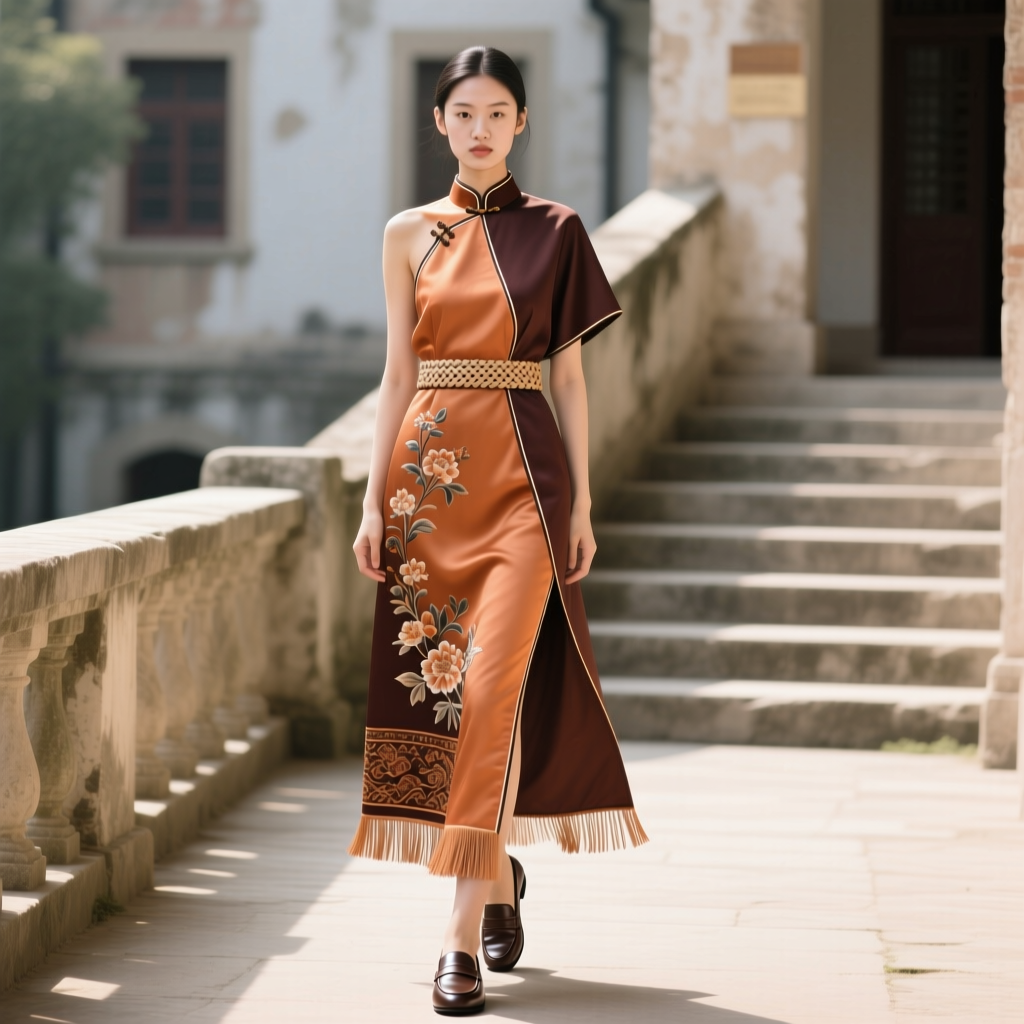
College years are a vibrant tapestry of new experiences, intellectual growth, and profound self-discovery. For many students, this period also sparks a desire to reconnect with their roots and express their cultural identity through fashion. Wearing traditional dress to college is no longer confined to special festivals or designated cultural days; it has evolved into a powerful, everyday style statement. By blending heritage textiles with contemporary silhouettes, you can create a wardrobe that is both deeply meaningful and entirely practical for campus life.
Whether you are navigating a bustling quad, attending a rigorous seminar, or participating in a lively student club, ethnic wear offers unparalleled versatility. Global campuses are melting pots of culture, and fashion serves as a universal language that allows you to share your heritage with peers from diverse backgrounds. In this comprehensive guide, we explore how to seamlessly integrate traditional garments into your college wardrobe, ensuring you look stylish, feel comfortable, and honor your cultural roots without compromising on the practical demands of student life.
Modern Adaptations of Traditional Garments for Campus Life
The key to wearing ethnic wear on campus lies in modern adaptation. You do not need to compromise on comfort or mobility to celebrate your heritage. The classic kurti remains a staple, but its styling has evolved significantly. Pairing a breezy, block-printed cotton kurti with high-waisted denim jeans or wide-legged palazzos creates an effortlessly chic indo-western look. This combination offers the elegance of traditional embroidery with the rugged durability of western denim, making it perfect for a long day of classes.
For those who love the elegance of the drape, the pre-stitched saree or the innovative saree-pant combination offers the grace of traditional attire with the convenience of activewear. These modern adaptations eliminate the fear of tripping over pleats while running to catch a campus shuttle. Explore our detailed garment guide on saree draping to master these modern, secure silhouettes. Additionally, ankle-length anarkalis crafted from lightweight mulmul can be belted at the waist and worn over leggings, transforming a festive outfit into a structured, campus-appropriate ensemble.
Another brilliant adaptation is the use of the dupatta. Instead of letting it slip off your shoulders constantly, treat it as a versatile scarf. Drape it loosely around your neck, use decorative dupatta rings to secure it to your shoulder, or even tie it around a tote bag for a pop of color. For a deeper dive into blending these styles, check out our guide to indo-western fusion to find the perfect balance between global trends and local traditions.
Styling Tips for Comfort and Mobility
A college day is notoriously long, often involving walking across sprawling campuses, sitting in cramped lecture halls, and rushing between libraries. Comfort is absolutely paramount. When selecting traditional dress to wear in college, prioritize breathable, natural fabrics like cotton, linen, and khadi. These materials regulate body temperature, wick away moisture, and withstand the rigors of daily wear far better than synthetic blends. Avoid heavy embellishments, stiff brocades, or restrictive cuts that can hinder movement or cause discomfort during long study sessions.
Layering is another excellent styling strategy that bridges the gap between traditional and contemporary fashion. A simple cotton kurta can be layered under a denim jacket, an oversized cardigan, or a tailored blazer during chilly morning lectures. This not only adds a contemporary edge to your ethnic base but also allows you to adapt to the wildly fluctuating temperatures of air-conditioned lecture halls and sunny outdoor quads.
Furthermore, pay close attention to the hemline and the fit. Mid-calf or knee-length hemlines prevent tripping and keep your garments clean from muddy campus pathways. A poorly fitted traditional garment can look messy and feel restrictive, so invest time in finding a good local tailor. Taking in the sides of a loose kurta or adjusting the length of a salwar can completely transform an outfit, giving it a sharp, intentional, and polished appearance that commands respect in academic settings.
Accessorizing Ethnic Wear for a Student Budget
Accessories can elevate a simple traditional outfit into a standout campus look without breaking the bank. When it comes to jewelry, embrace the "less is more" philosophy. Oxidized silver jhumkas, minimalist brass bangles, or a single statement mala necklace add a bohemian flair that pairs beautifully with cotton kurtas and jeans. Heavy, ornate gold jewelry is best reserved for weddings and festivals; for college, lightweight, artisanal pieces reflect a grounded, intellectual aesthetic.
Ditch the heavy, formal clutch bags in favor of practical, stylish alternatives. A handwoven jute tote bag, a canvas backpack with ethnic motifs, or a leather satchel provides ample space for laptops, textbooks, and water bottles while complementing your traditional attire. The key is to choose bags that distribute weight evenly to protect your posture during long treks across campus.
Footwear is equally crucial. Swap out uncomfortable heels or formal sandals for traditional juttis, mojaris, or kolhapuris. These artisanal shoes are not only culturally significant but also provide the necessary support for a day of walking. Discover the rich history and crafting techniques behind these accessories in our cultural heritage page on artisanal footwear. Alternatively, pairing a flowing ethnic skirt or a casual kurta with clean, white canvas sneakers is a massive trend that prioritizes ultimate comfort while maintaining a quirky, youthful vibe.
Choosing the Right Traditional Dress for College Occasions
Not all college days are created equal, and your wardrobe should reflect the diverse nature of campus life. For regular lectures, laboratory sessions, and study groups, stick to relaxed, low-maintenance pieces like straight-cut kurtis, cotton tunics, and simple salwar suits. These outfits project a focused, grounded image while keeping you comfortable and allowing you to concentrate on your academics rather than adjusting your clothing.
However, college life is also filled with special occasions and vibrant social events. For cultural festivals, college fests, or traditional days, you can elevate your look with richer fabrics like Chanderi, Maheshwari silk, or Tussar. A beautifully draped saree or an intricately embroidered lehenga skirt paired with a simple crop top is perfect for these celebratory events, allowing you to fully immerse yourself in the festive spirit.
If you have a formal presentation, a debate competition, or an interview with a campus recruiter, opt for structured ethnic wear. A crisp linen Nehru jacket over a solid-colored kurta and tailored trousers exudes professionalism, confidence, and cultural pride. It shows that you respect the formality of the occasion while remaining authentic to your personal style. For casual weekend outings or late-night study sessions at the campus cafe, ethnic loungewear, such as soft, loose-fitting dhoti pants paired with a basic cotton tunic, offers the ultimate blend of coziness and style.
The Ultimate Buying Guide for College Ethnic Wear
Building a functional and stylish traditional wardrobe requires mindful shopping. As a student, budget constraints are real, making it essential to invest in versatile, high-quality pieces rather than fast-fashion ethnic wear that fades, shrinks, or loses its shape after a few washes. Here is a strategic approach to building your campus ethnic wardrobe:
- Invest in Separates: Buying mix & match separates, such as standalone kurtis, dupattas, and bottom wear, allows you to create multiple outfits from a few core pieces. A single pair of well-fitted palazzos can be paired with half a dozen different tops.
- Support Local Artisans: Whenever possible, purchase directly from local weavers, craft fairs, or sustainable brands that support artisan communities. This ensures you are getting authentic, high-quality textiles and helps preserve traditional crafts. Learn more about the origins of these beautiful textiles in our cultural heritage guide to handloom weaving.
- Focus on Color Palettes: Build your wardrobe around a cohesive color palette. Earthy tones, indigos, mustard yellows, and muted pastels are easy to mix, match, and accessorize. They also hide minor stains better than stark whites, which is a practical bonus for busy students eating on the go.
- Upcycle and Thrift: One of the most sustainable and budget-friendly ways to acquire traditional dress is to upcycle vintage garments. An old, heavy silk saree from your mother's closet can be tailored into a stunning, structured jacket or a flowy maxi skirt. Exploring local thrift markets can also yield unique, vintage ethnic pieces that carry a rich history and cost a fraction of retail prices.
- Check the Care Labels: Before purchasing, always check the washing instructions. For daily college wear, prioritize machine-washable fabrics. Dry-clean-only garments are best reserved for special occasions, as the maintenance costs can quickly drain a student budget. Understanding natural dyes and washing techniques can help you maintain your garments longer; read our heritage piece on natural textile dyeing for expert fabric care tips.
Frequently Asked Questions
Is it appropriate to wear traditional dress to college every day?
Absolutely. Traditional dress is a beautiful expression of personal and cultural identity. As long as the garments are modest, well-fitted, and appropriate for the academic environment, wearing ethnic wear daily is entirely acceptable and increasingly celebrated on campuses worldwide. It showcases confidence and a strong sense of self.
How do I maintain traditional garments on a student budget?
To maintain your ethnic wear without spending a fortune on dry cleaning, wash your cotton and linen garments by hand or on a gentle machine cycle using mild, pH-neutral detergents. Always dry them in the shade to prevent colors from fading, and store them folded with neem leaves or cedar blocks to protect against moths and humidity.
What are the best fabrics for summer campus wear?
For sweltering summer months, natural, breathable fabrics are your best friends. Cotton, linen, mulmul (muslin), and khadi are excellent choices as they allow air circulation, absorb sweat, and keep you cool during long, hot days on campus. Avoid synthetic fabrics like polyester, which trap heat and moisture.
Can I mix Western and traditional clothing?
Yes, indo-western fusion is one of the most popular and practical ways to style traditional dress for college. Pairing a kurta with jeans, wearing a saree with a t-shirt, or adding a denim jacket over a salwar kameez creates a trendy, comfortable, and highly functional campus look that reflects the modern student's dynamic lifestyle.
How do I style a saree for a practical college day?
To make a saree practical for college, opt for lightweight fabrics like cotton or linen. Use a pre-stitched saree or secure your pleats and pallu with safety pins to prevent constant readjustment. Pair it with a comfortable, breathable blouse and flat, supportive footwear like canvas sneakers or traditional juttis for easy mobility across campus.


