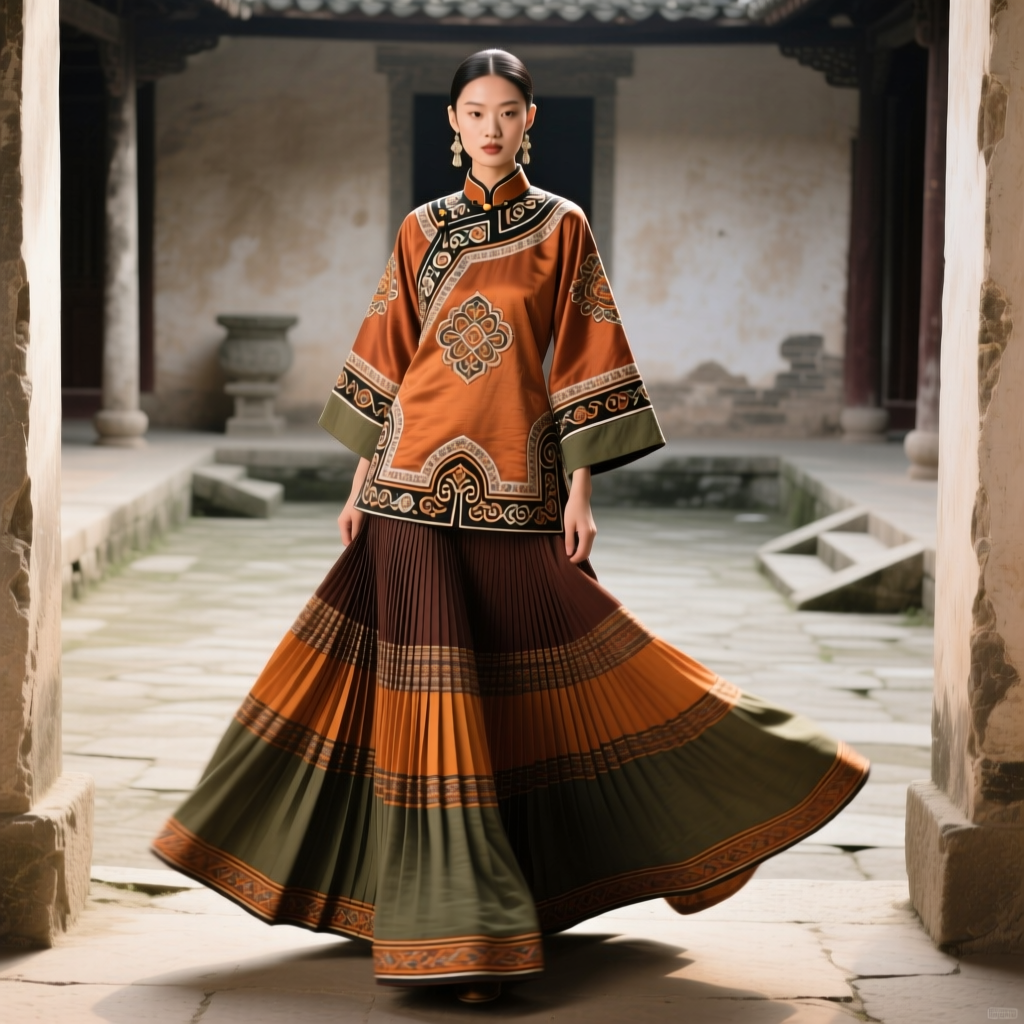
A Guide to Traditional Dress for Kids: Styling, Heritage & Modern Comfort
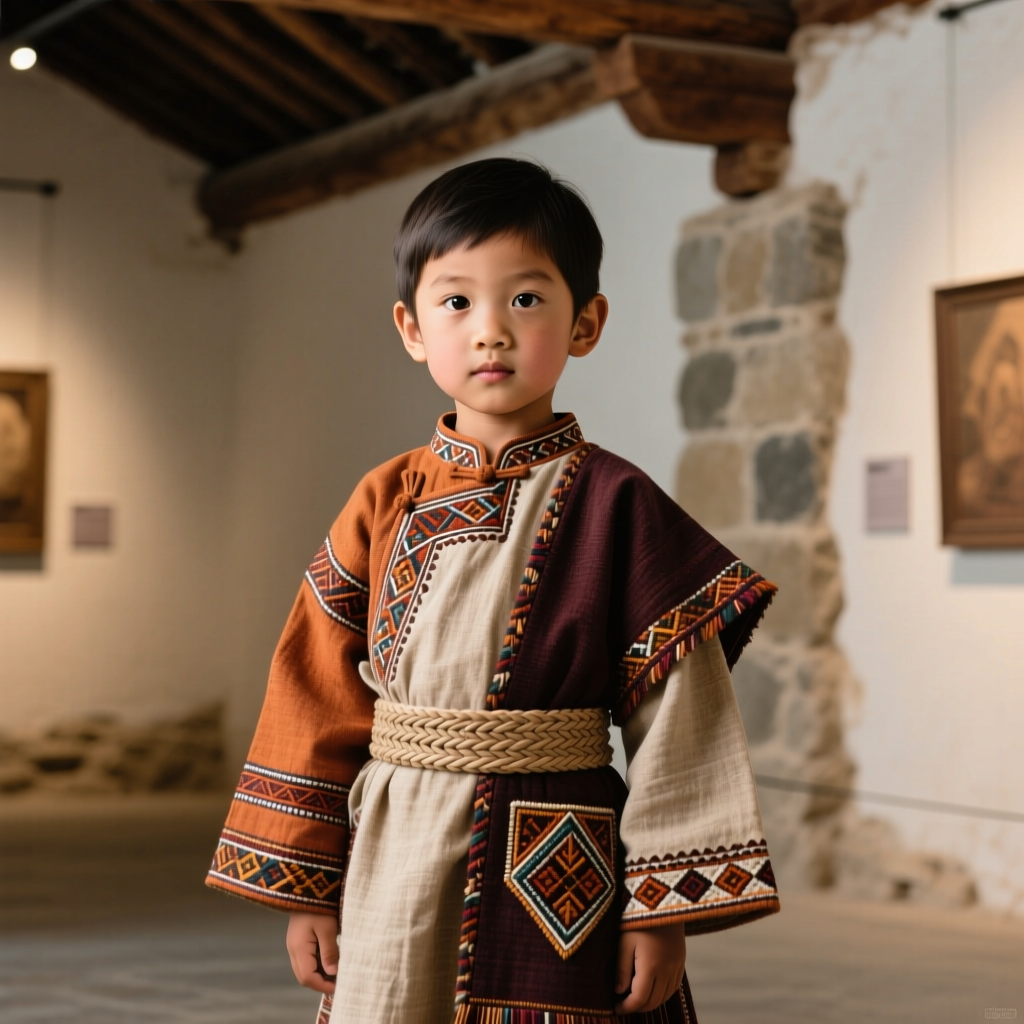
A Guide to Traditional Dress for Kids: Styling, Heritage & Modern Comfort
Dressing children in traditional attire is a profound and beautiful way to connect them with their ancestry. Beyond the vibrant colors, intricate patterns, and rich textures, cultural garments serve as a tangible link to the past. When a child wears a piece of their heritage, they are not just wearing clothes; they are wearing stories, traditions, and the artistry of generations. However, balancing the regal elegance of historical garments with the boundless energy and comfort needs of a child can be a unique challenge for parents and guardians.
Whether you are preparing for a festive celebration, a wedding, or a school heritage day, navigating the world of children’s ethnic wear requires a thoughtful approach. From selecting breathable fabrics to finding the perfect accessories, this comprehensive guide will help you style traditional dress for kids with confidence, ensuring they look magnificent while feeling completely at ease.
Styling Traditional Kids Wear for Comfort & Elegance
The golden rule of children’s fashion is that comfort must always come first. Kids need to run, jump, sit cross-legged, and play, regardless of how formal the occasion might be. When styling traditional garments, the secret lies in the foundation and the fit.
First, consider the lining. Many traditional outfits, such as heavily embroidered lehengas, structured hanboks, or woven kilts, utilize outer fabrics that can be stiff or scratchy against sensitive skin. Always ensure the garment is lined with a soft, breathable material. Consulting a natural fabrics guide can help you identify the best cotton or bamboo linings that wick away moisture and prevent irritation.
Second, focus on the silhouette. Traditional clothing does not have to be restrictive. Many modern designers are incorporating hidden elastic waistbands, stretch panels, and gussets into heritage designs. For example, a traditional tunic or kurta can be tailored with slight side slits to allow for a full range of motion. If you are working with a tailor to create a custom piece, request that they use soft, covered seams on the inside to prevent chafing during long events.
Layering is another excellent styling technique. In cooler climates, traditional dresses can be paired with lightweight, neutral thermal undershirts. Conversely, in warm weather, opt for unlined, single-layer garments made from lightweight textiles like mulmul or linen to keep the child cool while maintaining cultural authenticity.
Accessorizing Cultural Attire for Children
Accessories are what truly bring traditional dress to life, but when it comes to kids, safety and comfort must dictate your choices. Heavy metal jewelry, sharp pins, and tight headpieces can quickly turn a joyful celebration into an uncomfortable ordeal for a child.
When it comes to jewelry, opt for lightweight, fabric-based alternatives or soft metals. Breakaway clasps are essential for necklaces to prevent choking hazards. For earrings, consider magnetic studs or clip-ons that won't pull on delicate earlobes. If the traditional attire calls for bangles, choose flexible, shatterproof materials like soft resin or covered fabric rather than fragile glass.
Footwear is equally critical. Traditional shoes, such as embroidered mojris, beaded moccasins, or woven sandals, are beautiful but often lack modern arch support. Look for heritage-inspired footwear that features cushioned insoles and flexible rubber outsoles. If authentic traditional shoes are required for a ceremony, have the child wear them only for the formal photographs and switch to comfortable, neutral-toned sneakers or soft-soled shoes for the remainder of the event.
Hair accessories offer a wonderful opportunity to incorporate cultural motifs without causing discomfort. Instead of heavy metal crowns or tight pins, use soft fabric scrunchies, velvet ribbons, or lightweight floral garlands that complement the outfit. Exploring hand embroidery techniques can also inspire you to add small, hand-stitched cultural motifs to a simple fabric headband.
Choosing the Right Traditional Dress for Every Occasion
The context of the event should heavily influence the type of traditional dress you select for your child. Different occasions call for varying levels of formality, fabric weights, and embellishments.
Weddings & Formal Ceremonies: For weddings, it is customary to dress children in richer, more opulent fabrics. Silks, velvets, and brocades are popular choices. To ensure the child remains comfortable in heavier garments, look for pieces with detachable elements, such as a removable heavy dupatta or a cape that can be taken off after the main ceremony. You can learn more about these luxurious materials in our silk fabric guide.
Cultural & Religious Festivals: Festivals like Diwali, Lunar New Year, or Eid are vibrant, active, and often involve a lot of eating and playing. Choose traditional dresses in bright, festive colors made from durable, easy-to-clean fabrics. Cotton blends and synthetic mixes that resist staining are ideal here. The cut should be relaxed, allowing the child to participate in games and family activities without worrying about ruining a delicate garment.
School Heritage Days & Casual Gatherings: For educational settings or casual community meetups, simplicity is key. A traditional tunic paired with modern leggings, or a simple wrap skirt with a cotton blouse, allows the child to showcase their heritage while adhering to school dress codes and playtime needs. These simplified versions of cultural wear are often more appreciated by children, as they feel less "costumed" and more like they are wearing everyday clothes.
Modern Adaptations of Heritage Clothing
The evolution of fashion has given rise to fusion wear, a brilliant compromise that honors cultural roots while embracing contemporary aesthetics. Modern adaptations of traditional dress are particularly popular for kids, as they blend the visual appeal of heritage garments with the practicality of modern Western clothing.
One of the easiest ways to introduce fusion wear is by mixing and matching. Pair a beautifully embroidered traditional top or tunic with a pair of classic denim jeans or a solid-colored A-line skirt. This approach highlights the intricate craftsmanship of the cultural piece while grounding it in everyday wearability. Our fusion fashion guide offers more inspiration on blending global styles seamlessly.
Another modern adaptation involves using traditional textiles in contemporary silhouettes. Imagine a bomber jacket made from vibrant African Ankara print, a modern pinafore dress crafted from Japanese Chiyogami-patterned cotton, or a toddler's romper featuring delicate Scandinavian folk embroidery. These pieces allow children to wear their heritage in a way that feels entirely natural and age-appropriate for their daily lives.
Designers are also reimagining historical garments by shortening hemlines, removing restrictive undergarments, and using modern fasteners like zippers and snap buttons instead of intricate ties and hooks. These adaptations ensure that the cultural significance of the garment is preserved while updating its functionality for the modern child.
The Ultimate Buying Guide for Kids' Ethnic Wear
Shopping for traditional children's clothing requires a different strategy than buying everyday apparel. Because these garments are often worn infrequently and can be quite an investment, making the right purchasing decisions is crucial.
- Sizing & Growth Spurts: Children grow at an astonishing rate. When buying traditional dress, always size up slightly. Look for garments with adjustable features, such as tie-waists, elasticized cuffs, or deep hems that can be let down as the child grows. This ensures the outfit can be worn for multiple seasons or consecutive yearly festivals.
- Fabric Quality & Breathability: Always check the fabric composition tag. Avoid cheap, non-breathable synthetics that can cause overheating and skin rashes. Prioritize natural fibers or high-quality blends. Understanding global textile traditions can help you identify authentic, high-quality materials versus mass-produced imitations.
- Construction & Finishing: Turn the garment inside out before purchasing. Check for loose threads, scratchy sequins, or poorly finished seams. High-quality kids' ethnic wear will have fully lined interiors and covered seams to protect delicate skin.
- Ethical Sourcing: Many traditional garments rely on artisanal skills like hand-weaving, block printing, and beadwork. Whenever possible, purchase from brands and cooperatives that ensure fair wages and safe working conditions for the artisans. Supporting ethical brands helps preserve these ancient crafts for future generations.
- Care Instructions: Before buying, consider the maintenance required. If a garment is strictly "dry clean only" and features heavy embellishments, ask yourself if it is practical for your child's lifestyle. Opt for machine-washable or easy-to-spot-clean options for younger, messier children.
Frequently Asked Questions
How do I ensure traditional clothing is comfortable for active kids?
The key to comfort is prioritizing fit and fabric. Choose traditional dresses made from soft, breathable materials like cotton or linen blends. Ensure the garment has a relaxed fit around the shoulders and waist, and look for modernized versions that include hidden elastic or stretch panels. Always remove heavy outer layers or restrictive accessories as soon as the formal part of the event is over, allowing the child to play freely.
What are the best fabrics for children's cultural dresses?
Natural, breathable fabrics are always the best choice for children. Pure cotton, mulmul (muslin), bamboo blends, and lightweight linens are excellent for warm weather and sensitive skin. For cooler weather or formal events, soft silks, fine wools, and velvet blends provide warmth and elegance without sacrificing comfort. Avoid stiff, heavily starched fabrics or rough synthetics that can trap heat and cause irritation.
How can I incorporate traditional dress into everyday wear?
Incorporating heritage clothing into daily life is all about subtle fusion. Start by integrating traditional accessories, such as a woven belt or embroidered shoes, into modern outfits. You can also pair traditional tunics, kurtas, or blouses with everyday basics like jeans, leggings, or shorts. Another great approach is to use traditional textiles to create modern, simple garments, like a cotton dashiki-style t-shirt or a skirt made from heritage block-print fabric.
Where can I find authentic, ethically made traditional kids wear?
Authentic and ethically made traditional clothing can be found through specialized online boutiques, fair-trade cooperatives, and direct-from-artisan platforms. Look for brands that transparently share their supply chain and highlight the artisans who craft the garments. Local cultural districts, heritage festivals, and community markets are also excellent places to find small businesses selling handmade, high-quality children's ethnic wear while directly supporting the creators.
How do I properly wash and store delicate heritage garments?
Delicate traditional garments require gentle care to maintain their beauty. Always follow the specific care labels, but as a general rule, hand-wash embellished items in cold water with a mild, pH-neutral detergent. Avoid wringing the fabric; instead, gently press out the water and lay the garment flat to dry away from direct sunlight. For long-term storage, wrap the garments in acid-free tissue paper or unbleached muslin cloth to prevent discoloration, and store them in a cool, dry place. For more detailed instructions, refer to our guide on delicate garment care.