Color Theory in Ethnic Fashion Design

Color Theory in Ethnic Fashion Design
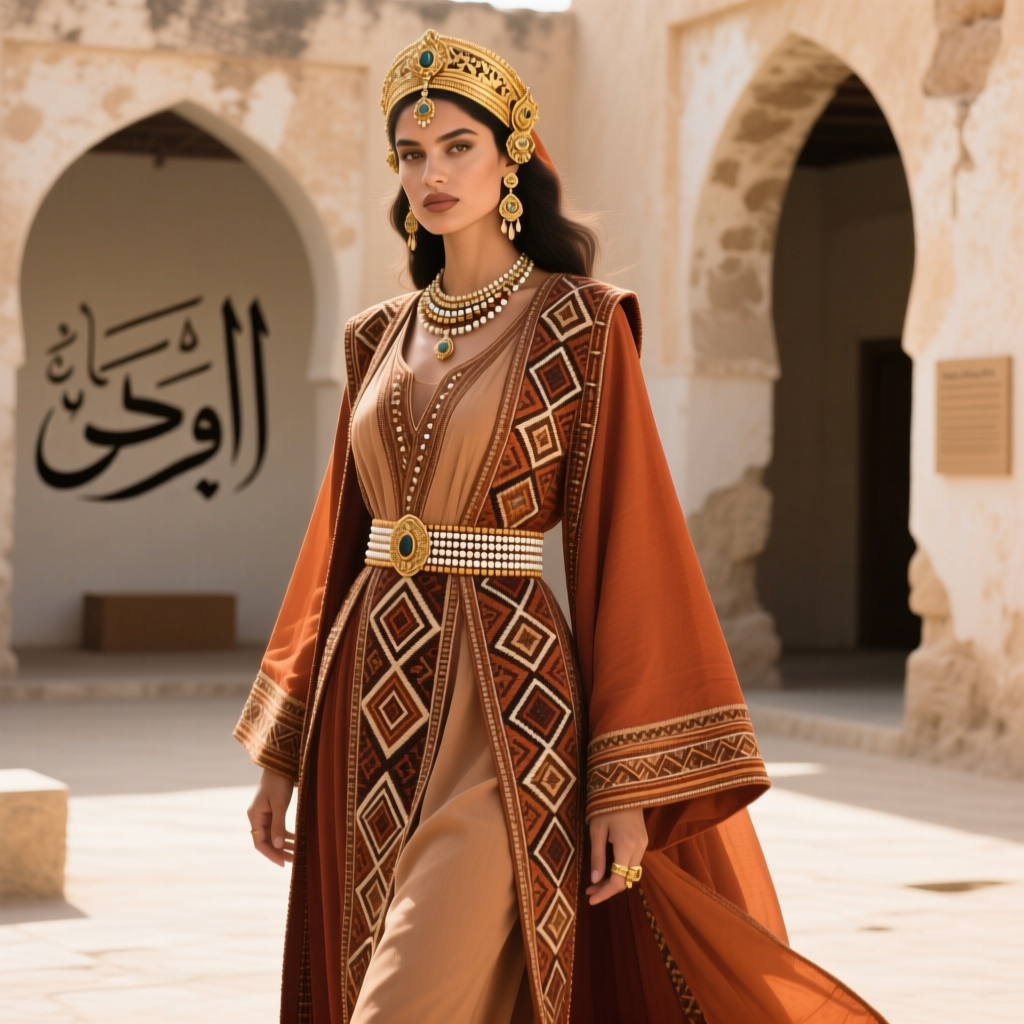
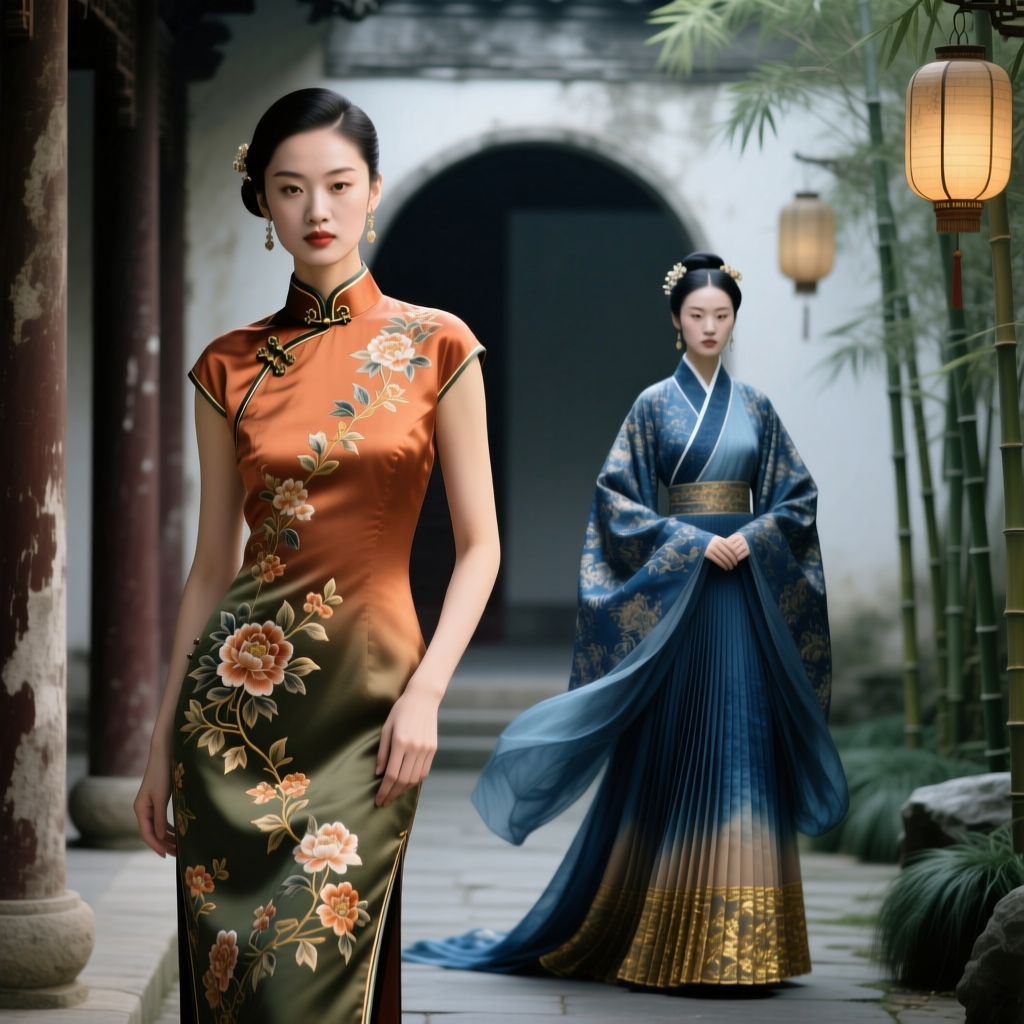
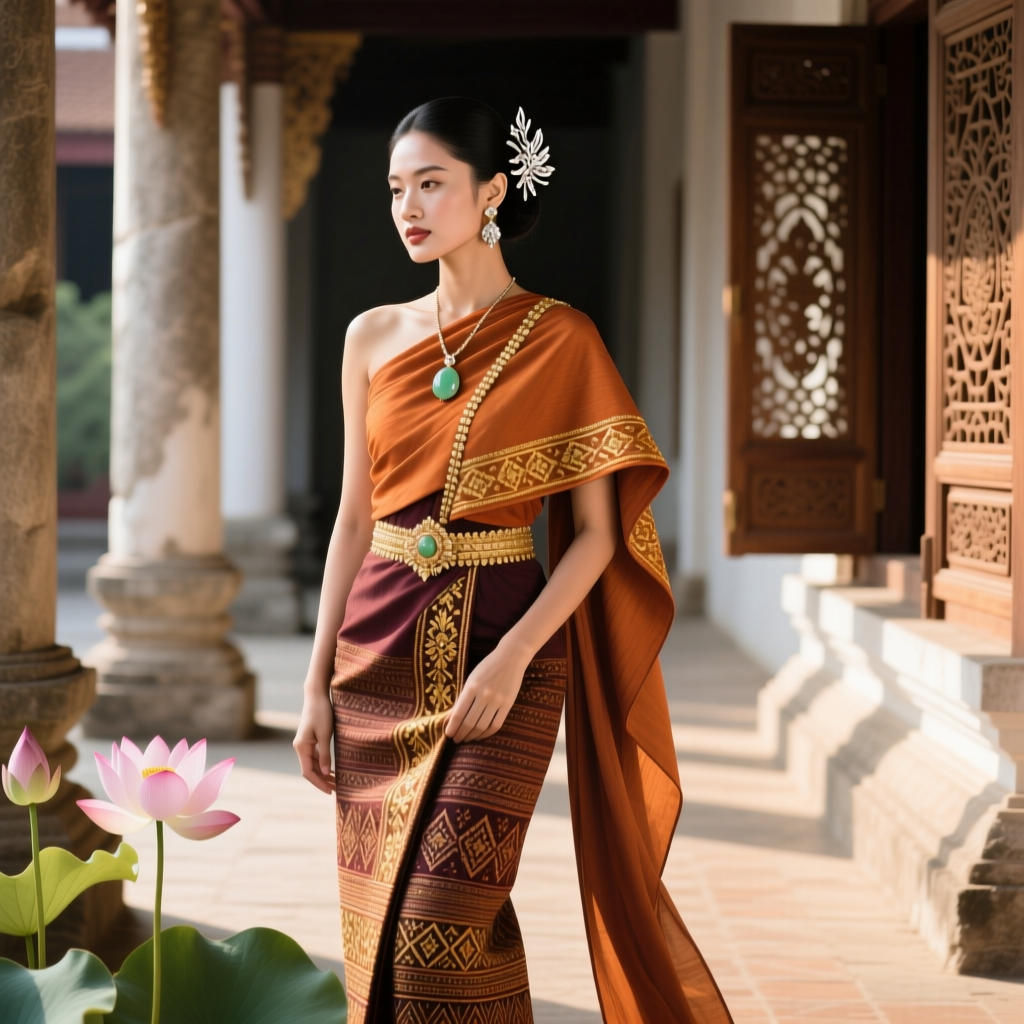
Color is the first thing the eye registers — before silhouette, before texture, before detail. In ethnic and traditional fashion, color carries not just aesthetic weight but cultural meaning, social signaling, and spiritual significance. Understanding how designers work with color in this context reveals the sophisticated thinking behind what might appear to be "simple" traditional garments.
Color Systems Across Cultures
Different cultures organize color differently. Western fashion relies on the Munsell or Pantone systems. But traditional textile cultures have their own color logic:
- Japanese: The kasane no irome system prescribes layered color combinations for each season, with specific pairings of outer and inner garment colors
- Indian: The navarasa (nine emotions) theory associates colors with moods — red for love (shringara), white for peace (shanta)
- West African: Color meanings are proverbial — gold for royalty, black for spiritual maturity, green for growth
Natural Dye Palettes
Traditional textiles were colored with natural dyes, creating palettes that modern synthetic dyes struggle to replicate. Indigo produces living blues that deepen with wear. Madder root yields warm, earthy reds. Turmeric and weld create luminous yellows. These dyes interact with the fiber, producing colors with depth and variation that flat synthetic dyes cannot achieve.
Design Strategies
Contrast and Harmony
Traditional textiles often employ bold color contrasts that would seem "clashing" in Western fashion theory. The key is that these contrasts are balanced by repeating patterns and consistent proportions. A kente cloth juxtaposes gold, green, and black in narrow strips — the small scale of each color block creates harmony rather than discord.
Symbolic Restraint
In some traditions, color choices are governed by strict rules. A Japanese kimono for a married woman uses more subdued tones than one for an unmarried woman. A Rajasthani bride wears red; a widow wears white. Designers working with these traditions must understand and respect these rules.
Modern Application
Contemporary designers like Duro Olowu, Mame Kurogouchi, and Sabyasachi Mukherjee demonstrate how traditional color palettes can be reimagined for modern contexts — maintaining cultural integrity while creating fresh, wearable combinations.