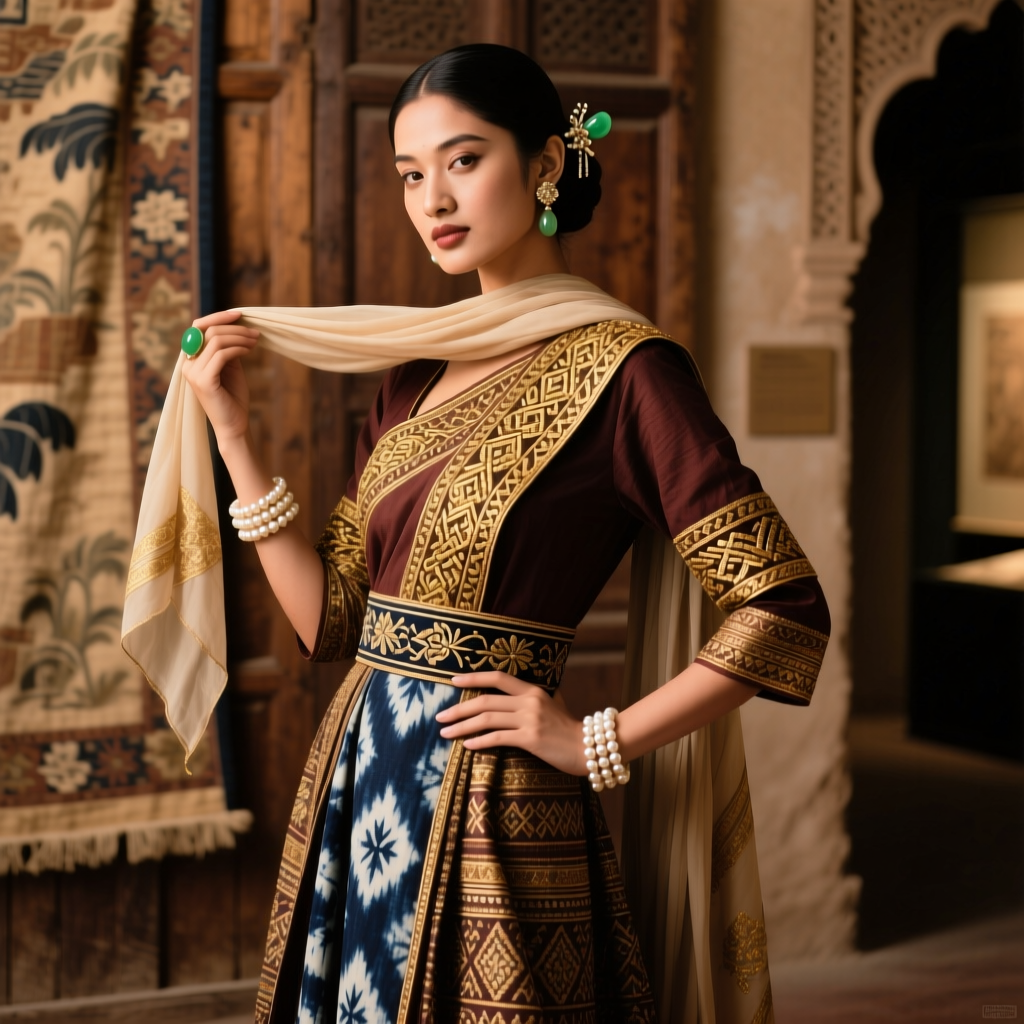
UAE Traditional Dress & Accessories: A Complete Styling Guide
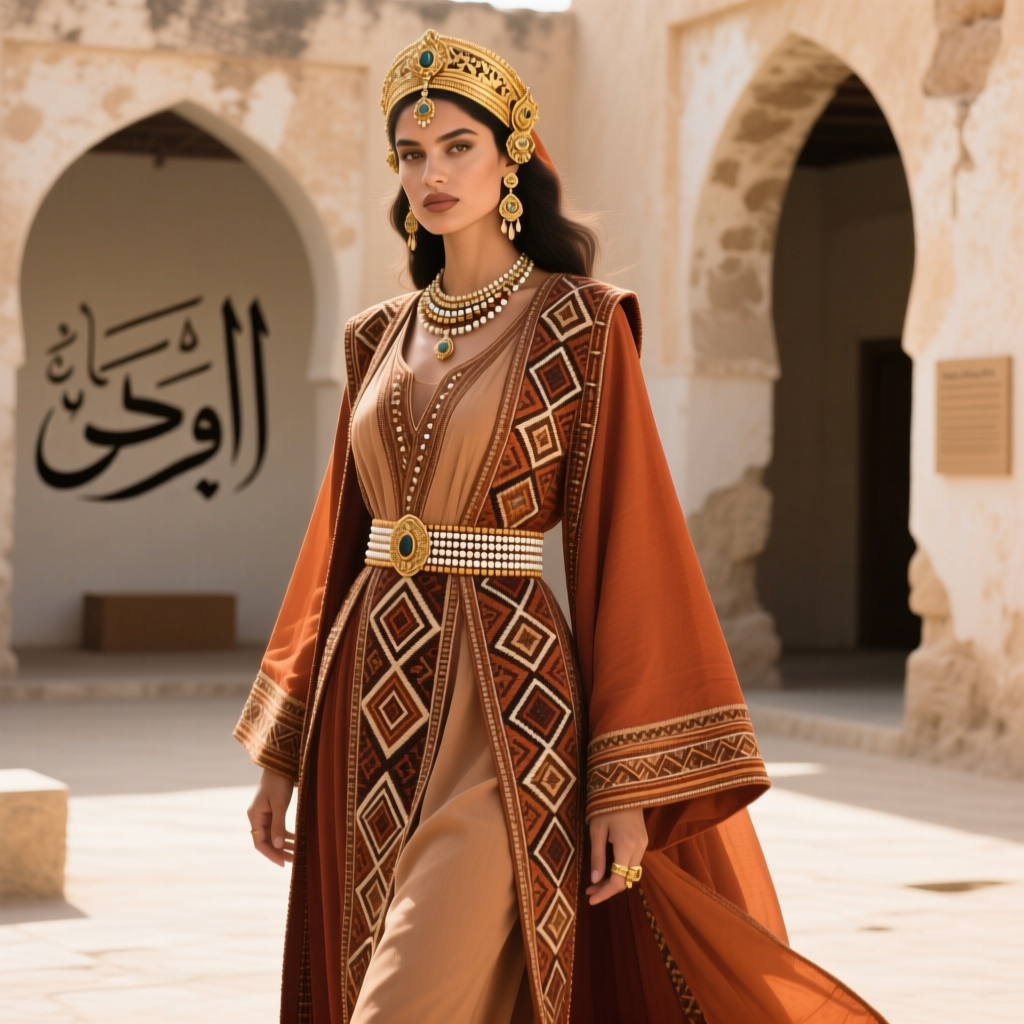
The traditional dress of the United Arab Emirates is far more than clothing — it is a living expression of identity, heritage, and refined aesthetics that has evolved over centuries. From the flowing elegance of the kandura worn by Emirati men to the intricate beauty of the abaya draped by Emirati women, UAE traditional dress represents one of the most distinctive and recognizable sartorial traditions in the world. Whether you are a fashion enthusiast exploring global styles, a traveler preparing for a cultural visit, or someone who simply appreciates the artistry of heritage garments, understanding the nuances of Emirati dress opens a door to a rich world of craftsmanship and meaning.
In this comprehensive guide, we explore the essential elements of UAE traditional dress and accessories, offering practical styling advice, insight into cultural significance, and tips for incorporating these timeless pieces into modern wardrobes. For a deeper look at regional clothing traditions, explore our Middle Eastern garment guide and learn how these garments connect to broader Arabian Peninsula textile heritage.
The Foundations of Emirati Dress: Key Garments Explained
Before diving into styling, it is essential to understand the foundational garments that form the backbone of UAE traditional dress. Each piece carries specific cultural meaning and serves both practical and aesthetic purposes rooted in the desert climate and social customs of the region.
Men's Traditional Garments
The kandura (also known as the dishdasha or thobe in other Gulf countries) is the cornerstone of Emirati men's dress. This ankle-length, loose-fitting garment is typically white, chosen for its ability to reflect sunlight and keep the wearer cool in extreme heat. The Emirati kandura is distinguished by several features:
- Collar style: The Emirati kandura typically features a rounded collar with a single button or a short placket, differing from the collared Saudi thobe or the collarless Omani dishdasha.
- Tassel (tarboosh): A decorative tassel hangs from the neckline, often made of fine thread and sometimes lightly perfumed.
- Sleeve details: Emirati kanduras may feature subtle cuff buttons or sleeve embroidery, especially on formal versions.
- Fabric quality: Premium cotton, linen, and high-thread-count blends are favored, with heavier wool versions worn during cooler winter months.
Beneath the kandura, men wear a lightweight undershirt and loose-fitting trousers called sirwal. Over the kandura, a cloak known as the bisht (or mishlah) may be draped over the shoulders for formal occasions. The bisht is typically made of fine wool or cashmere in shades of black, brown, beige, or cream, and is often trimmed with gold or silver metallic thread along the edges.
Women's Traditional Garments
Emirati women's traditional dress is layered and richly detailed. The key garments include:
- Jalabiya: A colorful, often elaborately embroidered dress worn at home or at women-only gatherings. The jalabiya features wide sleeves, a loose silhouette, and is frequently adorned with metallic thread work known as talli (or khwar).
- Abaya: The outer cloak worn in public, traditionally black but now available in a wide range of colors and styles. The abaya is draped over the shoulders or worn like a coat.
- Shayla: A lightweight headscarf, typically made of chiffon, silk, or fine cotton, wrapped loosely around the head and draped over the shoulders.
- Burqa: Not to be confused with the full-body covering worn in other regions, the traditional Emirati burqa is a metallic-colored face mask worn by older generations, primarily as a cultural symbol rather than a religious requirement.
For more on how these garments compare to other regional styles, visit our guide to traditional garments across cultures.
Essential Accessories That Complete the Look
Accessories play a critical role in UAE traditional dress, elevating simple garments into statements of personal style, social status, and cultural pride. Understanding these accessories is key to achieving an authentic and polished look.
Men's Accessories
- Ghutra and agal: The headscarf (ghutra) is a large square of cloth, usually white or red-and-white checked, folded into a triangle and placed on the head. It is secured by the agal, a double-corded black ring traditionally made from goat hair. The way the ghutra is folded and draped can signal formality, regional origin, and personal style.
- Cufflinks and watch: Formal kanduras often feature French cuffs, making cufflinks a subtle but important accessory. A quality wristwatch is considered an essential element of a well-dressed Emirati man's ensemble.
- Oud and perfume: Fragrance is integral to Emirati grooming. Oud-based perfumes and bukhoor (incense) are applied to clothing and hair before any formal occasion.
- Footwear: Leather sandals, often in brown or black, are the standard footwear. High-quality, handcrafted sandals from local artisans are preferred for formal events.
- Khanjar (ceremonial dagger): While not worn daily, the ornate khanjar is a symbol of heritage and is worn during national celebrations, weddings, and official ceremonies.
Women's Accessories
- Talli embroidery: This handcrafted metallic braiding is applied to the cuffs, neckline, and hem of the jalabiya. Genuine talli work is labor-intensive and highly valued, with intricate patterns passed down through generations. Explore our hand embroidery traditions page for a deeper look at this craft.
- Gold jewelry: Emirati women traditionally wear substantial gold jewelry, including wide bangles, elaborate necklaces, and statement rings. Gold souks across the UAE offer both traditional and contemporary designs.
- Henna: Intricate henna designs applied to the hands and feet are an essential accessory for celebrations, particularly weddings and Eid festivals.
- Designer handbags: In modern styling, a luxury handbag is often paired with the abaya, creating a fusion of tradition and contemporary fashion.
- Embroidered footwear: Traditional madass (leather sandals) may feature embroidery or metallic embellishments that complement the outfit.
Styling UAE Traditional Dress for Different Occasions
One of the most practical aspects of understanding Emirati dress is knowing how to style it appropriately for various settings. The level of formality, fabric choice, and accessory selection all shift depending on the occasion.
Everyday and Casual Wear
For daily wear, simplicity is key. Men typically opt for a crisp white kandura in lightweight cotton or cotton-blend fabric, paired with a neatly folded white ghutra and a simple agal. The bisht is usually reserved for more formal settings, so everyday styling keeps things minimal and comfortable. Women may wear a simple, unadorned abaya in black or navy with a matching shayla for errands, work, or casual social visits.
Formal Events and Weddings
Formal occasions call for elevated fabrics and richer details. Men should choose a kandura in premium Japanese or Swiss cotton, potentially with subtle embroidery along the placket and cuffs. A cashmere bisht in a neutral tone, a perfectly pressed ghutra, polished leather sandals, and a quality watch complete the look. For national celebrations, adding a khanjar or wearing a bisht with metallic trim signals respect for the occasion.
Women's formal wear is where UAE traditional dress truly shines. A jalabiya with elaborate talli embroidery in gold or silver thread, paired with a designer abaya featuring lace, beadwork, or crystal embellishments, creates a stunning ensemble. Layered gold jewelry, professional henna application, and a coordinated clutch or minaudière finish the look. For bridal occasions, the level of detail and opulence reaches its peak, with custom-made garments that can take months to complete.
Religious and Cultural Celebrations
During Ramadan, Eid, and National Day celebrations, traditional dress takes center stage. Men often wear colored bishts or kanduras in off-white, cream, or light grey to mark the festive occasion. Women embrace colorful jalabiyas in jewel tones — emerald green, royal blue, deep burgundy — with coordinating shaylas and statement jewelry. These occasions are also when families invest in new garments, making them an excellent time to explore the latest designs from local tailors and boutiques.
Business and Professional Settings
In professional environments, Emirati dress is inherently formal and commands respect. A well-pressed white kandura with a neatly arranged ghutra and agal is standard for men. Women may choose a tailored abaya in black or dark tones with minimal embellishment, paired with a simple shayla and understated jewelry. The key is immaculate grooming and high-quality fabric that holds its shape throughout the day.
Modern Adaptations: How UAE Traditional Dress Evolves Today
One of the most exciting aspects of Emirati fashion is how designers and wearers have reimagined traditional garments for contemporary life while preserving their cultural essence. These modern adaptations make UAE traditional dress more accessible and versatile than ever before.
The Contemporary Abaya Revolution
The abaya has undergone a dramatic transformation in recent years. While the traditional black cloak remains widely worn, modern Emirati designers have introduced abayas in a spectrum of colors — blush pink, sage green, dusty lavender, and soft grey are now commonplace. Structural innovations include kimono-style sleeves, belted waists, cape silhouettes, and open-front designs that resemble long coats or dusters. Fabric choices have expanded to include crepe, linen, denim, and even technical sportswear materials. Many contemporary abayas are designed to be worn open over jeans and a blouse, functioning as a statement outer layer rather than a full covering.
Designer Kanduras and Menswear Innovation
Men's traditional dress has also seen thoughtful evolution. Designers now offer kanduras in colored fabrics — light blue, grey, and sand tones — particularly popular during winter months. Slimmer cuts, hidden button plackets, and mandarin collars provide a more tailored silhouette. Some brands have introduced performance fabrics with moisture-wicking and wrinkle-resistant properties, ideal for the demands of modern professional life. The bisht has been reimagined in lighter materials and contemporary colorways, making it suitable for a wider range of occasions.
Fusion Styling
Perhaps the most creative development is the fusion of Emirati traditional elements with global fashion trends. Stylists pair kanduras with sneakers for a relaxed weekend look, layer abayas over maxi dresses or tailored trousers, and incorporate talli embroidery into modern accessories like clutches, belts, and even sneakers. This fusion approach respects the heritage of each garment while making it relevant to younger generations and international audiences. For more on blending traditional and modern styles, see our global traditional fashion fusion guide.
Buying Guide: Where and How to Shop for UAE Traditional Dress
Whether you are purchasing your first kandura, investing in a handcrafted abaya, or simply looking for authentic accessories, knowing where and how to shop makes all the difference.
Where to Buy
- Local tailors: The most authentic and best-fitting kanduras and jalabiyas are made by local tailors. In Dubai, the textile souks in Deira and Bur Dubai offer hundreds of tailors who can create custom garments from your chosen fabric within days. Abu Dhabi's Madinat Zayed Shopping Centre is another excellent destination.
- Specialty boutiques: High-end abaya designers operate boutiques in major malls across the UAE, offering ready-to-wear and made-to-measure options. Brands like Hessa Al Falasi, Bouguessa, and All Things Mochi have brought Emirati design to international attention.
- Souks and markets: The gold souks in Dubai and Sharjah are ideal for purchasing traditional jewelry. Textile souks offer fabrics by the meter, allowing you to select exactly the material and quantity you need.
- Online retailers: A growing number of Emirati designers sell directly through their websites and international e-commerce platforms, making authentic UAE traditional dress accessible worldwide.
What to Look For
- Fabric quality: Touch the fabric before buying. High-quality kandura cotton should feel smooth, dense, and substantial. Avoid fabrics that feel thin, overly synthetic, or prone to pilling.
- Stitching and construction: Examine the seams, hems, and buttonholes. Quality garments feature clean, even stitching with no loose threads. French seams and reinforced stress points indicate superior construction.
- Authentic talli work: Genuine handcrafted talli has slight irregularities that distinguish it from machine-made imitations. Ask the seller about the origin of the embroidery and expect to pay a premium for authentic handwork.
- Fit and silhouette: A kandura should fall cleanly from the shoulders without pulling or bunching. The length should reach the ankles. Abayas should allow comfortable movement and layering over your regular clothing.
- Price expectations: A basic custom-made kandura typically starts at a moderate price point, while premium fabrics and designer labels command significantly higher prices. Handcrafted abayas with genuine talli embroidery represent a considerable investment but offer unmatched quality and cultural authenticity.
For additional tips on evaluating garment quality, our fabric quality assessment guide provides useful general principles that apply to traditional dress shopping.
Frequently Asked Questions
Can non-Emiratis wear UAE traditional dress?
Yes, non-Emiratis are welcome and often encouraged to wear traditional Emirati dress, particularly when attending cultural events, national celebrations, or visiting mosques and heritage sites. Wearing a kandura or abaya as a visitor is generally seen as a sign of respect and cultural appreciation. The key is to wear the garments correctly and with dignity — avoid overly casual styling, ensure the garments are clean and well-fitted, and be mindful of the cultural context. Many hotels and cultural centers in the UAE offer traditional dress experiences where visitors can try on garments and learn about their significance.
What is the difference between the Emirati kandura and the Saudi thobe?
While both are ankle-length white garments, they have distinct differences. The Emirati kandura typically features a rounded collar or no collar, a front tassel (tarboosh), and may have a single button at the neckline. It is often made from softer, more flowing fabrics. The Saudi thobe usually has a stiff, two-button collar, no tassel, and is made from crisper, more structured cotton. The sleeve cuffs also differ — Saudi thobes often feature functional buttons at the cuff, while Emirati kanduras may have simpler finishes. The accompanying headwear differs as well: Emiratis favor the white ghutra with a black agal, while Saudis commonly wear the red-and-white checked shemagh.
How should I care for and maintain traditional Emirati garments?
Proper care extends the life and appearance of traditional garments significantly. White kanduras should be washed after every wear to maintain their brightness — use a gentle detergent and avoid bleach, which can yellow fabrics over time. Iron or steam the kandura while slightly damp for the crispest finish. Abayas, particularly those with embellishments, should be dry cleaned or hand washed in cold water. Garments with talli embroidery require special care: hand wash gently, avoid wringing, and lay flat to dry. Store all traditional garments on padded hangers in a cool, dry place, and use garment bags to protect delicate pieces from dust and light exposure.
What colors are appropriate for abayas beyond traditional black?
While black remains the most traditional and widely worn abaya color, modern Emirati fashion has embraced a broad palette. Neutral tones like beige, taupe, grey, and navy are considered versatile and appropriate for most settings. Pastel shades such as blush, lilac, and mint are popular for spring and summer, while deeper jewel tones like emerald, sapphire, and plum are favored for evening events and cooler months. The appropriateness of color often depends on the setting — conservative environments may call for darker, more subdued tones, while social gatherings and celebrations welcome bolder choices. When in doubt, a well-cut black or navy abaya is always appropriate.
Where can I learn more about the cultural heritage behind UAE traditional dress?
The UAE offers several excellent resources for deepening your understanding of traditional dress and its cultural context. The Sheikh Mohammed Centre for Cultural Understanding in Dubai offers guided experiences that include traditional dress, cuisine, and conversation. The Qasr Al Hosn cultural site in Abu Dhabi provides historical context for Emirati heritage, including textile and garment traditions. Museums such as the Sharjah Heritage Museum and the Al Ain National Museum house collections of historical garments and accessories. Online, the UAE textile history section of our site offers curated articles exploring the evolution of Emirati dress from pre-oil era craftsmanship to contemporary design innovation.